fashionbriefs
9:35in productionCh. 1 · The Palace Was a Flat/ 9:35 · ceiling 15 min
Streetwear

Palace Skateboards

2009

Palace doesn’t sell clothes. It sells a paradox you can wear.

Palace Skateboards is a London-based skateboard brand founded in 2009 by Lev Tanju, Gareth Skewis, and Marshall Taylor. It draws inspiration from 90s pop culture and its founders' ironically dubbed 'palace' residences. The Tri-Ferg logo—a Penrose triangle with 'Palace' inscribed on each side—was designed by Fergus 'Fergadelic' Purcell to evoke continuous movement. The original team riders were Lucien Clarke, Olly Todd, and Charlie Young. In 2017, Palace released its first full-length video, Palasonic.

Chapters & takeaways6
  1. 0:59
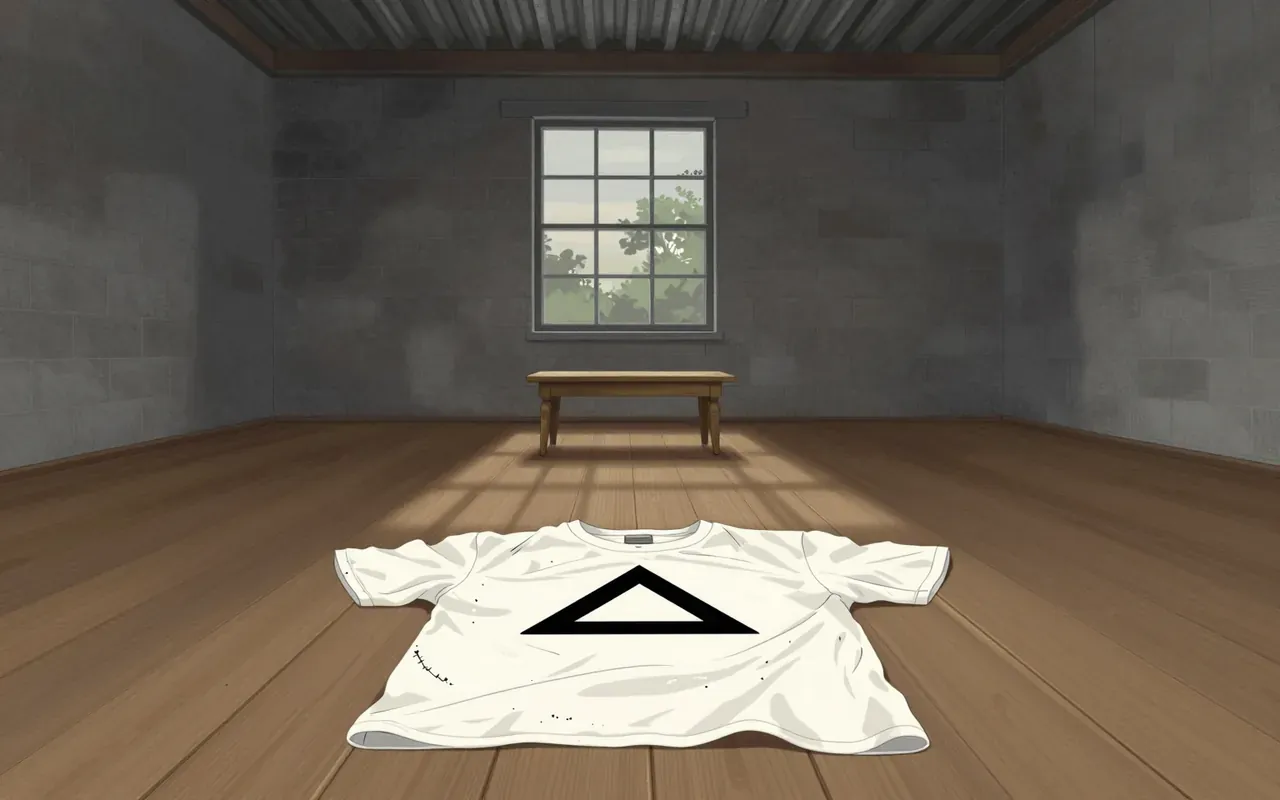
    The Palace Was a Flat

    Founded in 2009 by three London skaters, Palace began as a joke about where they lived—not what they wore.

  2. 1:42
    Dilapidated Palaces

    The name ‘Palace’ was ironic from the start: a label pinned to crumbling residences, then reapplied to T-shirts.

  3. 2:47
    A Triangle That Never Ends

    The Tri-Ferg logo is a Penrose triangle—mathematically impossible, visually stable, endlessly rotating.

  4. 3:32
    90s Without the Wardrobe

    Its 90s pop culture influence is tonal, not archival: it borrows attitude, not silhouettes or fabrics.

  5. 4:57
    Riders, Not Models

    The original team—Clarke, Todd, Young—were skaters first, models second; their footage grounded the brand in motion, not posing.

  6. 5:53
    Movement, Not Merch

    Palasonic (2017) was its first full-length video—not a campaign, not a lookbook, but a document of how the brand moves.

Worth your time?

Yes. Wear the whole thing.

4.5/ 5
What works
  • logo as structural principle
  • tonal reference over literal reproduction
  • skate footage as foundational documentation
What does not
  • tailoring
  • heritage cloth
  • 90s garment reproduction
Wear it if
  • people who recognise irony as infrastructure
Skip it if
  • those who need clothing to flatter, conceal, or signify craft
The written brief1 min read

What the garment is and where it came from

Palace Skateboards is not a garment. It is a London-based skateboard brand founded in 2009. Its clothing is sportswear repurposed as uniform: cotton jersey, brushed fleece, screen-printed logos, built for skating and wearing—not for dressing up or down.

How it works, in terms someone would actually use

It works as a visual shorthand: the Tri-Ferg logo locks into place on hoodies, tees and caps, turning casual wear into a signal of alignment with a London skate lineage rooted in irony and repetition.

What it gets right

It gets right the weight of a logo that moves but never resolves. The Penrose triangle refuses closure. So does the brand: no origin myth, no founder cult, just three riders, a dilapidated flat, and a joke that stuck.

What it does not

It does not offer tailoring. It does not use heritage cloth. It does not cite or reproduce 90s garments—it references their tone, not their cut or construction.

What it changed

It changed how British streetwear brands position irony: not as detachment, but as structural principle—built into the logo’s impossible geometry and the name’s self-mocking origin.

Who it is for, and who it is not

It is for people who recognise irony as infrastructure—not a wink, but a load-bearing joint. It is not for those who need clothing to flatter, conceal, or signify craft.

Is it worth your time

Yes—if you want clothing that declares allegiance without explanation, and treats pop culture as raw material, not reverence.
Same rail · Streetwear4 of 18
Up next in Fashion

Palm Angels

2015 · 8:10

Palm Angels is a photograph wearing sleeves.

8:10