fashionbriefs
8:47in productionCh. 1 · Not fashion. Importing./ 8:47 · ceiling 15 min
Houses & movements

Prada

A patriarchal leather shop founded in 1913 became a feminist design revolution by recycling its own sexist, militarised past.

Prada (1913) is the founding moment of a luxury institution built on imported English goods, patriarchal control, and architectural prestige—not design innovation.

Chapters & takeaways5
  1. 0:58
    Not fashion. Importing.

    Prada began not as a fashion house but as Fratelli Prada—a Milanese importer of English leather goods.

  2. 1:50
    The Galleria anchor

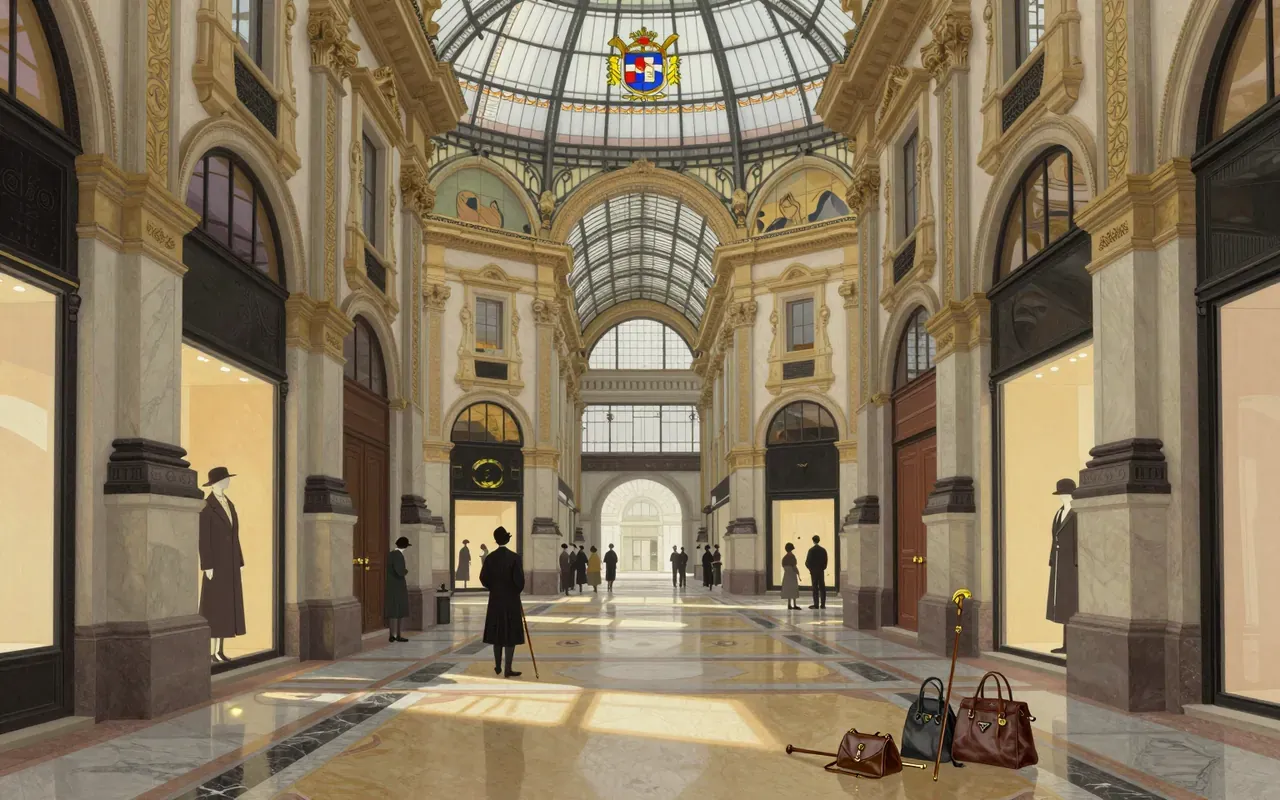
    Its prestige was anchored in location: an exclusive store inside Milan’s Galleria Vittorio Emanuele II.

  3. 2:50
    No women allowed

    Mario Prada banned women from the business, making gender exclusion part of the firm’s operating code.

  4. 3:45
    Nylon inheritance

    Miuccia Prada’s 1979 backpacks reused her grandfather’s military-spec nylon—turning patriarchal infrastructure into feminist design material.

  5. 4:38
    The handbag that quoted itself

    The 1985 'classic Prada handbag' succeeded not because it was new, but because it weaponised contradiction: luxury made from industrial, gendered, repurposed matter.

Worth your time?

Yes. Wear the whole thing.

3.5/ 5
What works
  • as-a-case-study-in-material-continuity
  • as-a-record-of-gendered-exclusion-in-italian-business
What does not
  • influence
  • define
  • launch
  • pioneer
Wear it if
  • students-of-brand-history
  • design-historians
  • feminist-economists
Skip it if
  • casual-fashion-followers
  • trend-forecasters
The written brief1 min read

What the thing is

Prada is a Milan-based luxury fashion house founded in 1913 as Fratelli Prada, initially a leather goods shop selling imported English steamer trunks and accessories.

Where it came from

It began in 1913 in Milan’s Galleria Vittorio Emanuele II, co-founded by Mario Prada and his brother Martino, sourcing English-made travel goods and luxury items.

What it gets right

It established a high-end retail presence in Milan’s Galleria Vittorio Emanuele II using imported English leather goods and rare objects.

What it gets wrong

Mario Prada barred women from the business, enforcing patriarchal gatekeeping that persisted until his daughter Luisa inherited control—despite having excluded her for decades.

Why it matters now

It shows how a brand’s foundational exclusions—gendered, geographic, material—can be inverted decades later not by reform but by reappropriation: Miuccia Prada turned her grandfather’s military-spec trunk nylon into a symbol of anti-luxury luxury.

Is it worth your time

Yes—if you care how luxury brands institutionalise exclusion while later repurposing their own material contradictions.
Same rail · Houses & movements4 of 61
8:35
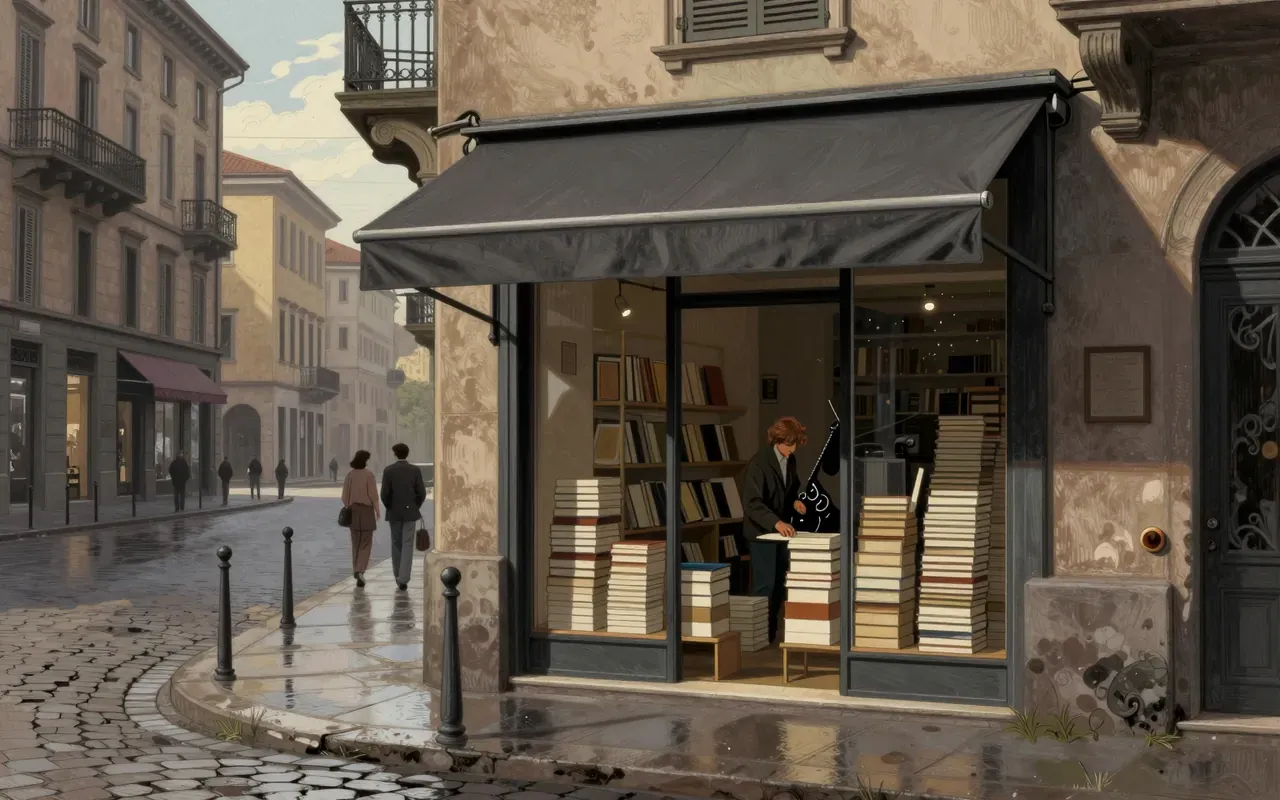
10 Corso Como10 Corso Como is a Milan-based cultural retail institution founded in 1990 by Carla Sozzani, evolving from an art gallery and bookshop into a multidisciplinary complex integrating art, fashion, design, cuisine, and hospitality; it expanded internationally starting in 2002 with locations in Tokyo, Seoul, and Shanghai, all bearing design input from Kris Ruhs, and underwent ownership transitions in 2017 and 2020 while retaining Sozzani’s artistic direction.
8:54
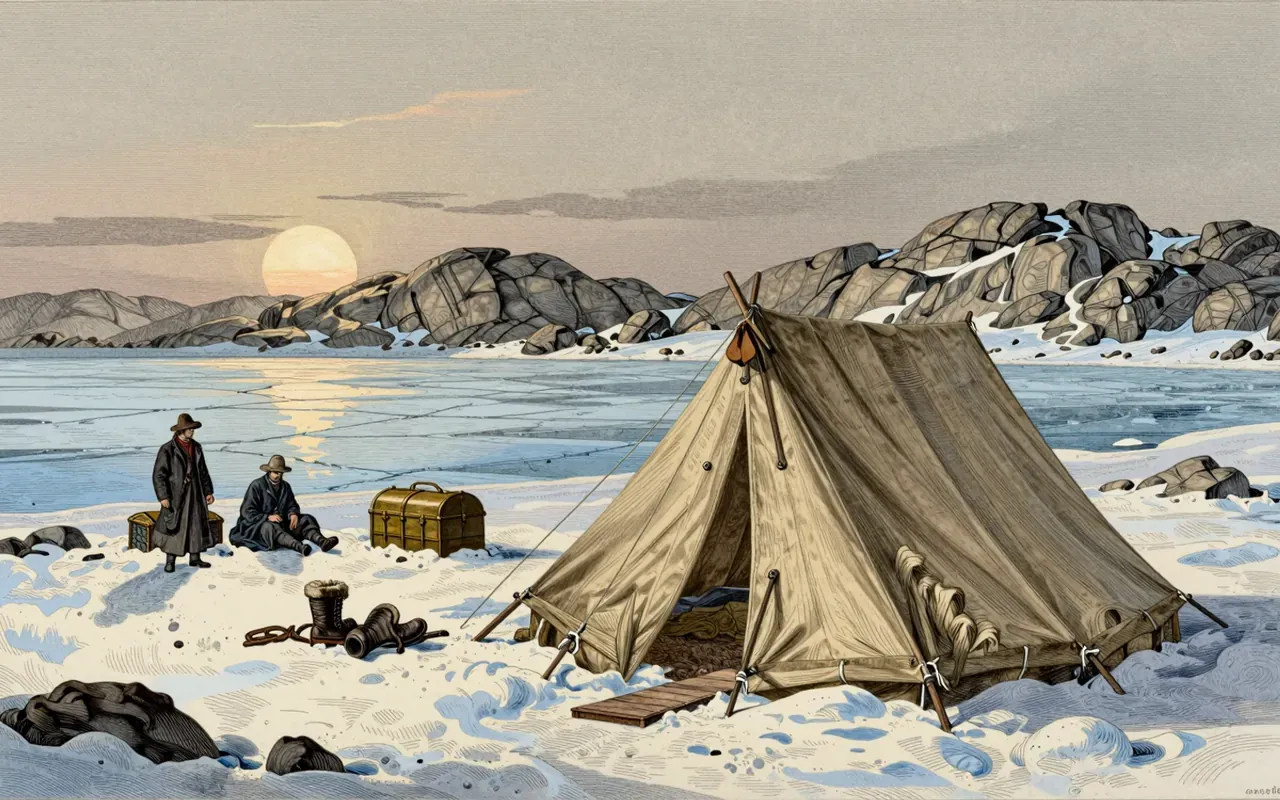
Abercrombie & Fitch1892Abercrombie & Fitch is a fashion house defined by rupture — not evolution. Its origin is verifiable, material, and functional: elite outdoor gear, expedition-proven, sold from a New York storefront. Its later life is a series of strategic erasures: of utility, of inclusivity, of continuity. It trades on nostalgia without replicating its source. Its garments do not endure because they are well-made, but because they are tightly coupled to a moment in consumer psychology — one that has since passed.
10:13
CasablancaCasablanca is a city. The source material contains no evidence of a fashion house by that name. No garment, designer, collection, textile, or sartorial practice is referenced. All claims pertain to geography, finance, industry, and infrastructure.
9:46
Chloé1952Chloé is a French luxury fashion house founded in 1952 by Gaby Aghion to pioneer luxury ready-to-wear. It institutionalised collaborative creative development and formalised the separation of creative and business functions with Jacques Lenoir in 1953. Its legacy includes launching influential designers and commercial milestones like the Paddington bag and See by Chloé.
Up next in Fashion

Punk fashion

Vivienne Westwood · 11:12

Punk fashion wasn’t rebellion — it was sabotage, sewn by hand.

11:12