fashionbriefs
9:26in productionCh. 1 · Drawer to Doorstep/ 9:26 · ceiling 15 min
Houses & movements

Ralph Lauren

Ralph Lauren didn’t sell clothes—he sold an English country estate you could wear.

Ralph Lauren is a fashion brand founded in 1967 that built a global multibillion-dollar enterprise around Anglophile heritage aesthetics, beginning with men's ties and expanding through the Polo line, the Polo player emblem (first seen on a women's shirt cuff in 1971), and the first freestanding store for an American designer on Rodeo Drive in 1971.

Chapters & takeaways4
  1. 0:59
    Drawer to Doorstep

    It started from a drawer—and a delivery bike.

  2. 2:08
    The Birth of Polo

    Polo wasn’t a sport—it was a label before it was a line.

  3. 4:02
    Emblem on the Cuff

    The Polo player emblem first appeared on a woman’s cuff—not a man’s shirt.

  4. 5:31
    First Freestanding

    The Rodeo Drive store wasn’t just a shop—it was the first freestanding store for an American designer.

Worth your time?

Yes. Wear the whole thing.

4/ 5
What works
  • established total aesthetic control
  • proved lifestyle branding could scale
  • made heritage tailoring commercially dominant
What does not
  • influence
  • define
  • start
  • represent
Wear it if
  • aspirational American consumers
  • department store buyers
  • freestanding retail pioneers
Skip it if
  • working-class dressers
  • non-Anglo style communities
  • contemporary sustainability advocates
The written brief1 min read

What the thing is

Ralph Lauren is a global multibillion-dollar fashion enterprise founded in 1967, built on menswear ties, expanded into Polo menswear in 1968, and defined by a self-contained visual universe centred on British country life and American ambition.

Where it came from

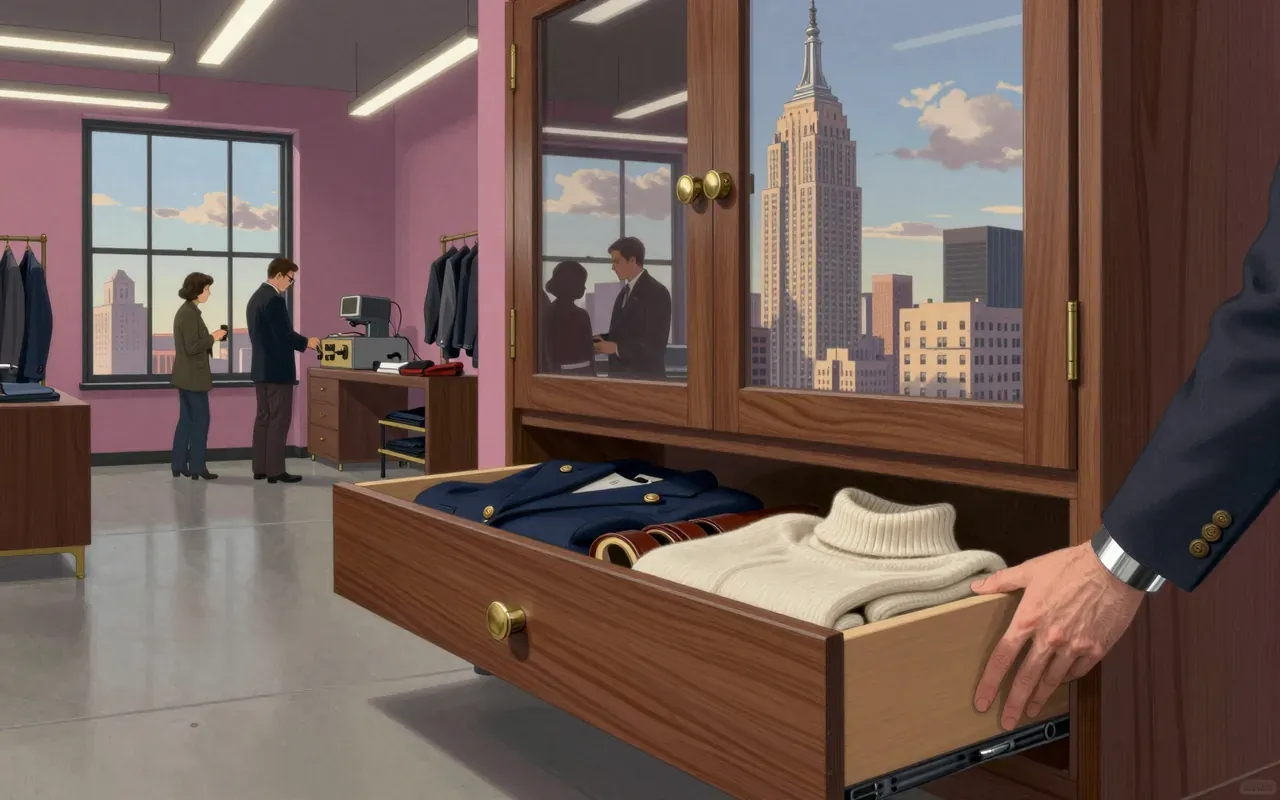
It began at age 28 with a single drawer in the Empire State Building showroom, after Lauren convinced his employer to let him launch a tie line. He delivered goods himself.

What it gets right

It established a coherent, aspirational world rooted in Anglophile heritage aesthetics. It made tailoring feel accessible. It proved that a designer could control every touchpoint—from product to store to advertising.

What it gets wrong

It displaced local, working-class, and non-Anglo styles with a monolithic ideal. It presented aristocratic leisure as universal aspiration—erasing labour, geography, and history behind the imagery.

Why it matters now

Because its model—total aesthetic control, lifestyle branding, and freestanding retail as theatre—still defines luxury fashion, even as its core fantasy feels increasingly detached from material reality.

Is it worth your time

Yes—if you want to understand how American fashion built a myth of Englishness, and how branding became inseparable from identity.
Same rail · Houses & movements4 of 69
Up next in Fashion

Ray-Ban Wayfarer

· 8:38

The Wayfarer didn’t define cool — it was reverse-engineered to look like it did.

8:38