Margiela didn’t hide his face—he removed the frame so the work could be seen without a name attached.
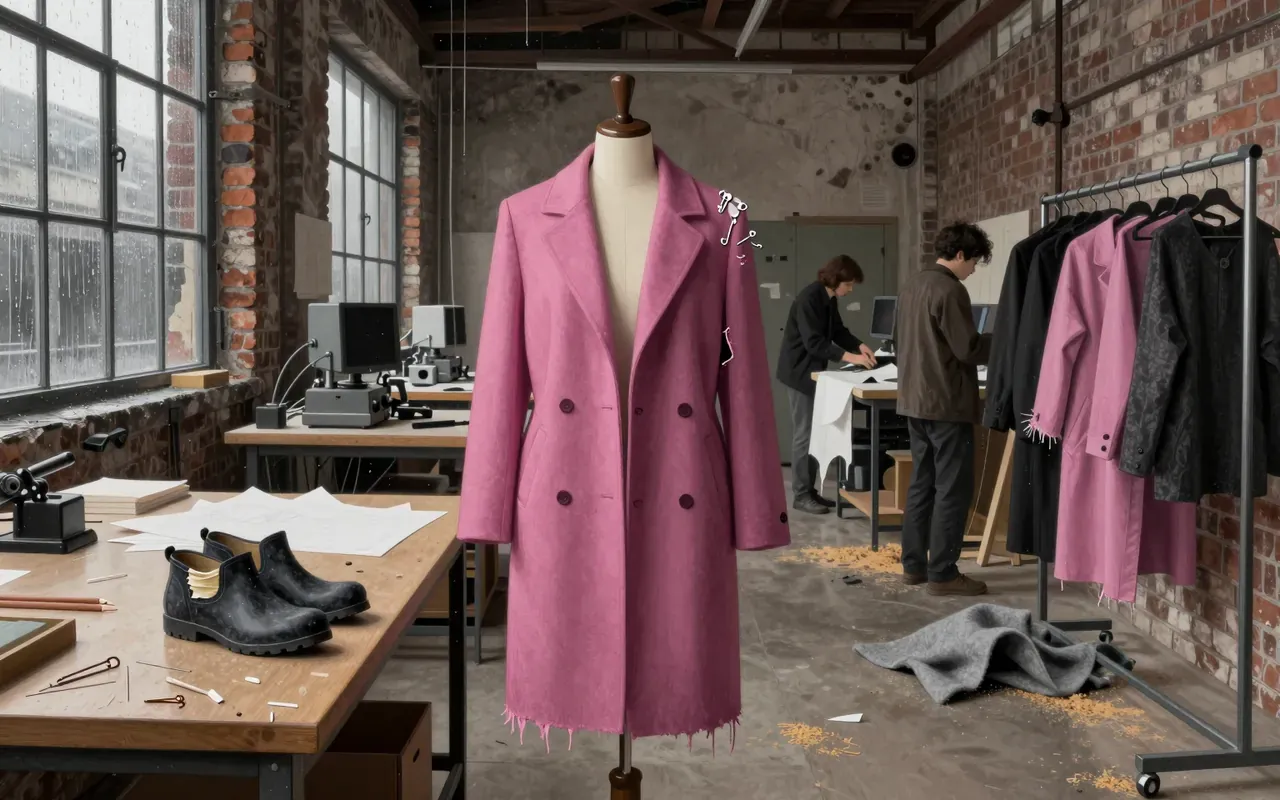
Maison Martin Margiela is a fashion house founded in 1988 in Paris through a collaborative venture with Jenny Meirens. Its debut show took place in fall 1989 at a derelict playground in a North African neighborhood on the outskirts of Paris. The show used an uneven runway and intentionally stumbling models to create a shocking public spectacle. The debut collection rejected contemporaneous extravagance in favour of ripped sleeves, frayed hems, and clumpy shoes. Local children hand-drew invitations in school art classes and sat in the front row to honour the community. The label’s trademark is a cloth badge numbered 0–23, attached with four small white tack stitches, exposed externally on unlined garments. Margiela consistently remained backstage and declined to take a bow after shows, distinguishing himself from peers. From 1988 onward, Margiela refused all formal interviews and photographic appearances.
Anonymity was enforced, not adopted—it began at founding and held for decades.
2:18
Playground, Not Pavilion
The first show was staged in a derelict playground with local children drawing invitations and sitting front row.
3:40
Deconstruction as Discipline
Ripped sleeves and frayed hems rejected 1989’s extravagance; the numbered cloth badge replaced logos with quiet taxonomy.
5:08
Stumble as Strategy
The uneven runway and stumbling models weren’t chaos—they were calibrated disruption, anchoring spectacle in place and participation.
Worth your time?
Yes. Wear the whole thing.
4.5/ 5
What works
removing the designer from view
placing attention on construction, context and collective action
What does not
flatter the wearer
promise comfort
accommodate desire for signature branding
Wear it if
people who treat clothing as evidence
Skip it if
those who need garments to declare status
The written brief1 min read
What the garment is and where it came from
A garment from Maison Martin Margiela is a deconstructed, unlined piece bearing a cloth badge numbered 0–23, attached with four small white tack stitches, exposed externally. It emerged from a 1988 Paris collaboration between Martin Margiela and Jenny Meirens.
How it works, in terms someone would actually use
It works by removing the designer from view and placing attention on construction, context and collective action instead.
What it gets right
It gets right the weight of anonymity as method—not as gimmick, but as discipline. The four white tack stitches holding the numbered cloth badge expose intentionality in what is left unfinished, unlined, uncredited.
What it does not
It does not flatter the wearer. It does not promise comfort, polish or legibility. It does not accommodate the desire for signature branding or instant recognition.
What it changed
It changed how fashion shows functioned: from celebrity-driven theatre to community-embedded interventions where location, invitation and participation were part of the design.
Who it is for, and who it is not
It is for people who treat clothing as evidence—not identity. It is not for those who need garments to declare status, signal belonging or resolve ambiguity.
Is it worth your time
Yes—if you value garments that question authorship, resist spectacle, and treat clothing as a site of inquiry rather than expression.