fashionbriefs
8:44in productionCh. 1 · Origin: A complaint, not a campaign/ 8:44 · ceiling 15 min
Accessories

Birkin bag

A bag designed for diapers became a trophy no one can carry — and no one is meant to.

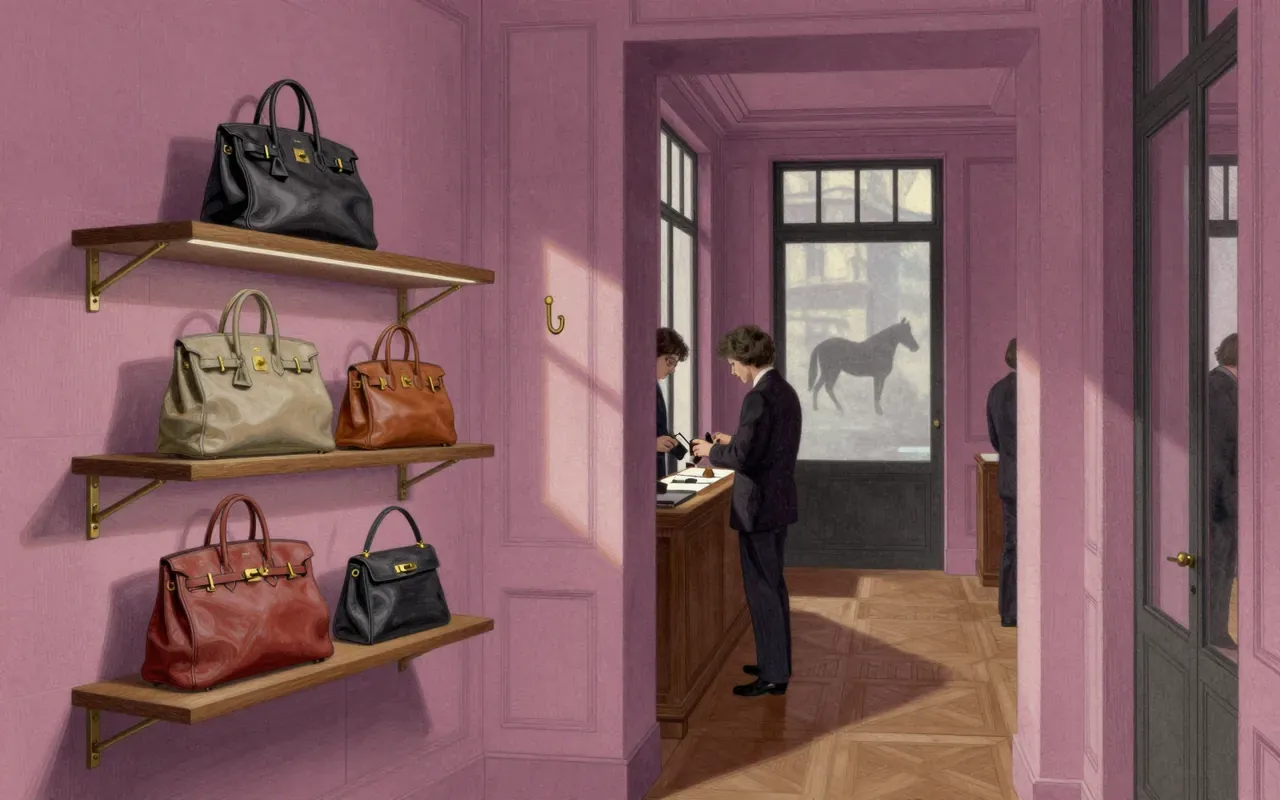
The Birkin bag is a luxury object whose origin is unusually concrete: maternal need, sketched mid-flight, built by hand in France. Its durability as a symbol rests less on design than on controlled access — and its irony is structural: the woman who inspired it could not use it. It matters now as a case study in how utility becomes myth, and how myth displaces use.

Chapters & takeaways5
  1. 0:44
    Origin: A complaint, not a campaign

    It was not invented by marketing. It began with a complaint on a plane.

  2. 1:41
    Function: Roomy, supple, black leather

    Its first function was maternal utility — scripts and diapers, not status.

  3. 3:00
    Method: One craftsperson, one bag, one signature

    Each bag is signed, solitary work — 15–20 hours in a French factory.

  4. 4:01
    Failure: Too big, too heavy, too painful

    Jane Birkin abandoned it because it hurt her — a fact the brand does not advertise.

  5. 5:05
    Ethics: Verified sourcing, publicly affirmed

    Hermès investigated PETA’s crocodile claims and Jane Birkin endorsed the findings.

Worth your time?

Yes. Wear the whole thing.

3.5/ 5
What works
  • as-a-case-study-in-artisanal-production
  • as-an-example-of-origin-story-vs-later-myth
What does not
  • iconic
  • groundbreaking
  • seminal
Wear it if
  • collectors
  • students-of-luxury-economics
  • critics-of-status-signalling
Skip it if
  • practical-bag-users
  • those-who-value-accessibility
The written brief1 min read

What the thing is

A handbag made by Hermès. Not a fashion item first. A functional object turned status symbol.

Where it came from

Conceived in 1984 during a chance meeting between Jane Birkin and Jean-Louis Dumas on a flight. Sketched on the spot. Named after her. First model: supple black leather.

What it gets right

It solves a real problem: a mother needed a roomy, supple bag for scripts and diapers. It delivers craft integrity: each unit is signed, made in France by one artisan in 15–20 hours.

What it gets wrong

It became too large and heavy for its namesake, causing her tendonitis. She stopped carrying it. Its scale contradicts its origin as a practical object.

Why it matters now

It crystallises how luxury brands convert personal need into engineered scarcity — and how that conversion outlives both the need and the person who voiced it.

Is it worth your time

No — unless you are studying luxury as labour, status as scarcity, or the gap between a product’s origin story and its later mythos.
Same rail · Accessories4 of 25
9:29
Love bracelet (Cartier)The Love bracelet is not jewellery you put on. It is jewellery you submit to. It locks. It commits. It demands a second party — not just as wearer, but as keeper of the key.
11:29
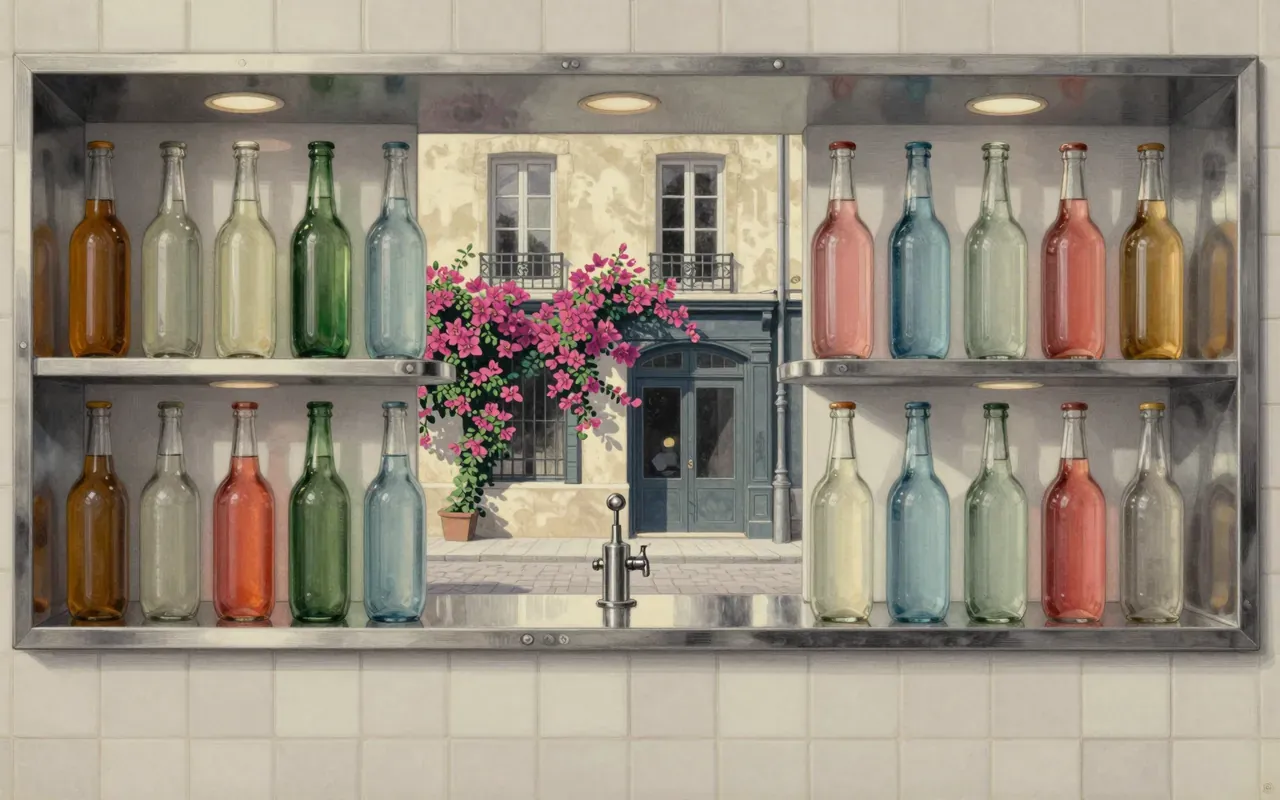
Colette (boutique)1997Colette was a Parisian concept boutique founded in 1997. It closed in December 2017. It sold high fashion, streetwear, and accessories. It hosted exhibitions, ran a bookshop, and operated a water bar with over 100 bottled water brands. It launched early collections by Jeremy Scott, Raf Simons, Proenza Schouler, Rodarte, Mary Katrantzou, Sacai, Simone Rocha, Christopher Kane, and Olympia Le Tan. In 2016, it generated €32 million in sales, 25% online. Forbes named it 'the trendiest store in the world' in December 2005. Esquire compared it to Kith, Bergdorf Goodman, and Opening Ceremony.
9:16
Fashion blogFashion blog is a digital publishing format covering the fashion industry, clothing, and lifestyle topics. It functions as a disruptive, democratizing force in fashion media, delivering real-time feedback, influencing design and marketing, and reshaping industry power dynamics by enabling broad public participation and challenging traditional gatekeepers like editors and magazines.
11:01
Baguette (bag)The Baguette is a small, compact handbag designed by Silvia Venturini Fendi for Fendi in 1997. It was conceived as a streamlined, short-strap bag adaptable across looks, colors, and textures while retaining a consistent aesthetic — contrasting with large totes then popular. Fendi lent Baguettes as props to Sex and the City, becoming the first luxury house to lend a piece to costume designer Patricia Field; Carrie Bradshaw’s on-screen identification of it as a 'Baguette' during a mugging scene and Sarah Jessica Parker’s attribution of the show’s and character’s establishment to it underscore its cultural impact, which culminated in LVMH’s 1999 acquisition of Fendi. In 2012, Fendi celebrated the bag’s 15th anniversary with an exhibition at Colette in Paris.
Up next in Fashion

Chanel 2.55

Coco Chanel · 10:00

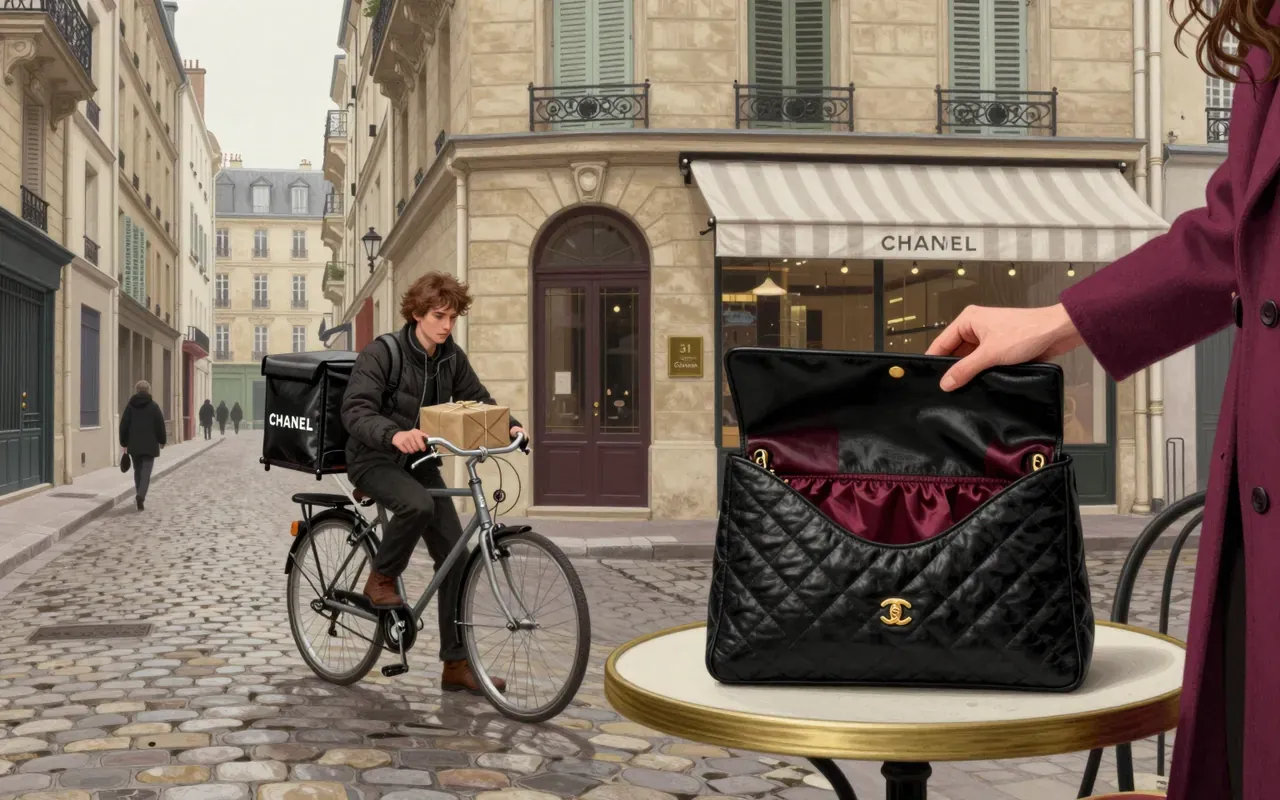
A handbag designed to free women’s hands became a reliquary for Chanel’s past — and a template for turning biography into brand dogma.

10:00