fashionbriefs
9:16in productionCh. 1 · Faster Than Print/ 9:16 · ceiling 15 min
Accessories · Ready-to-wear

Fashion blog

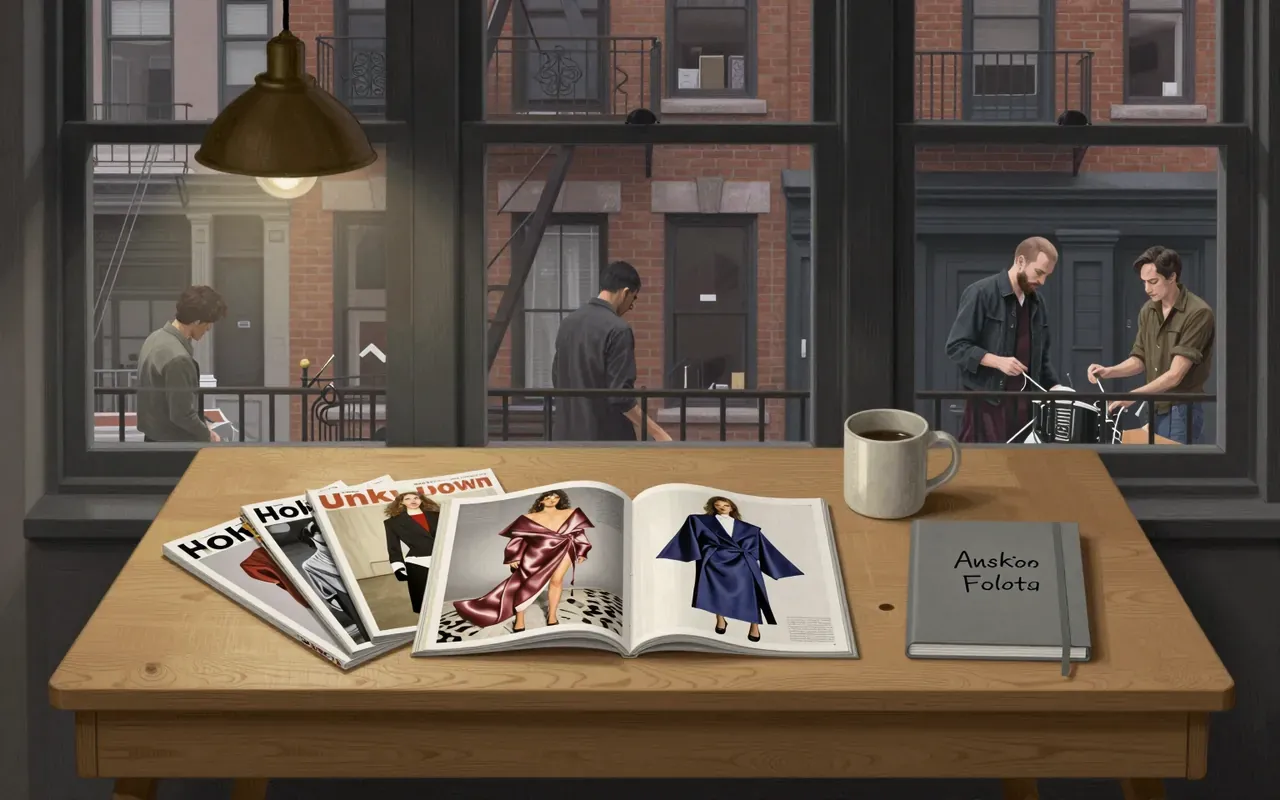
Fashion blogs didn’t just report on trends—they rewired who gets to set them.

Fashion blog is a digital publishing format covering the fashion industry, clothing, and lifestyle topics. It functions as a disruptive, democratizing force in fashion media, delivering real-time feedback, influencing design and marketing, and reshaping industry power dynamics by enabling broad public participation and challenging traditional gatekeepers like editors and magazines.

Chapters & takeaways4
  1. 1:05
    Faster Than Print

    Fashion blogs cover industry, clothing, and lifestyle—and update faster than any print or broadcast medium.

  2. 2:20
    Democratizing the Runway

    They disrupted fashion’s aristocratic power structure, turning it into a democratic conversation.

  3. 4:16
    Feedback in Real Time

    Designers now measure success in hours, not days—viral posts move product before reviews land.

  4. 5:35
    The New Gatekeepers

    Media influence is no longer top-down: blogs are now central to how fashion persuades and sells.

Worth your time?

Yes. Wear the whole thing.

4/ 5
What works
  • delivers instantaneous feedback
  • democratizes access
  • shifts power from editors to public
What does not
  • replace editorial rigour
  • offer long-form criticism
  • hold institutional memory
Wear it if
  • designers needing instant response
  • marketers tracking virality
  • readers wanting agency over fashion meaning
Skip it if
  • those relying on gatekept authority
  • those seeking archival depth
The written brief1 min read

What the garment is and where it came from

Fashion blog is a digital publishing format covering the fashion industry, clothing, and lifestyle topics.

How it works, in terms someone would actually use

Fashion blogs update faster than magazines or TV, delivering real-time commentary on collections and trends.

What it gets right

They democratize access—giving readers, designers, and brands instantaneous dialogue across old hierarchies.

What it does not

They do not replace editorial rigour, long-form criticism, or institutional memory.

What it changed

They shifted power from editors and magazines to anyone with a platform, turning feedback into a market force.

Who it is for, and who it is not

It is for designers needing instant response, marketers tracking virality, and readers who want agency over what counts as fashion. It is not for those who rely on gatekept authority or archival depth.

Is it worth your time

Yes—if you need immediate, unfiltered reaction to fashion as it happens, not curated hindsight.
Same rail · Accessories4 of 25
9:29
Love bracelet (Cartier)The Love bracelet is not jewellery you put on. It is jewellery you submit to. It locks. It commits. It demands a second party — not just as wearer, but as keeper of the key.
11:29
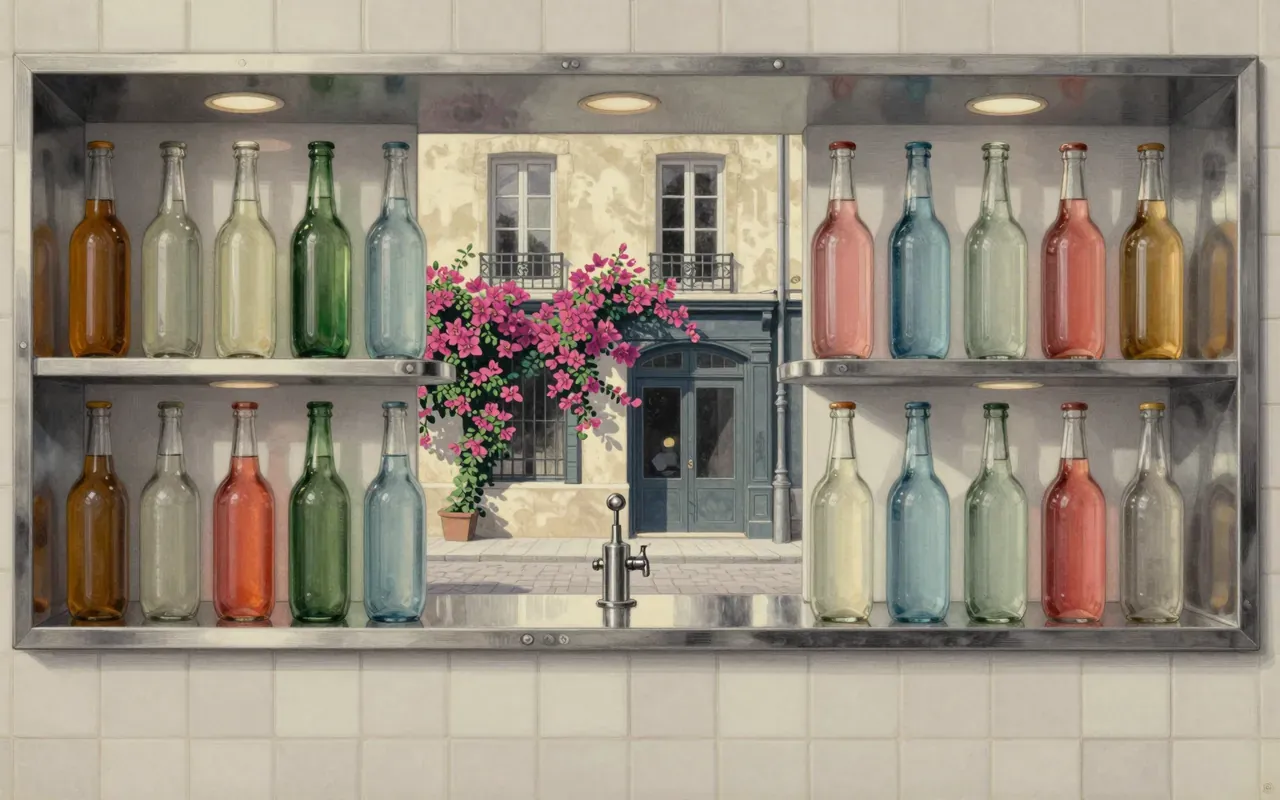
Colette (boutique)1997Colette was a Parisian concept boutique founded in 1997. It closed in December 2017. It sold high fashion, streetwear, and accessories. It hosted exhibitions, ran a bookshop, and operated a water bar with over 100 bottled water brands. It launched early collections by Jeremy Scott, Raf Simons, Proenza Schouler, Rodarte, Mary Katrantzou, Sacai, Simone Rocha, Christopher Kane, and Olympia Le Tan. In 2016, it generated €32 million in sales, 25% online. Forbes named it 'the trendiest store in the world' in December 2005. Esquire compared it to Kith, Bergdorf Goodman, and Opening Ceremony.
11:01
Baguette (bag)The Baguette is a small, compact handbag designed by Silvia Venturini Fendi for Fendi in 1997. It was conceived as a streamlined, short-strap bag adaptable across looks, colors, and textures while retaining a consistent aesthetic — contrasting with large totes then popular. Fendi lent Baguettes as props to Sex and the City, becoming the first luxury house to lend a piece to costume designer Patricia Field; Carrie Bradshaw’s on-screen identification of it as a 'Baguette' during a mugging scene and Sarah Jessica Parker’s attribution of the show’s and character’s establishment to it underscore its cultural impact, which culminated in LVMH’s 1999 acquisition of Fendi. In 2012, Fendi celebrated the bag’s 15th anniversary with an exhibition at Colette in Paris.
8:58
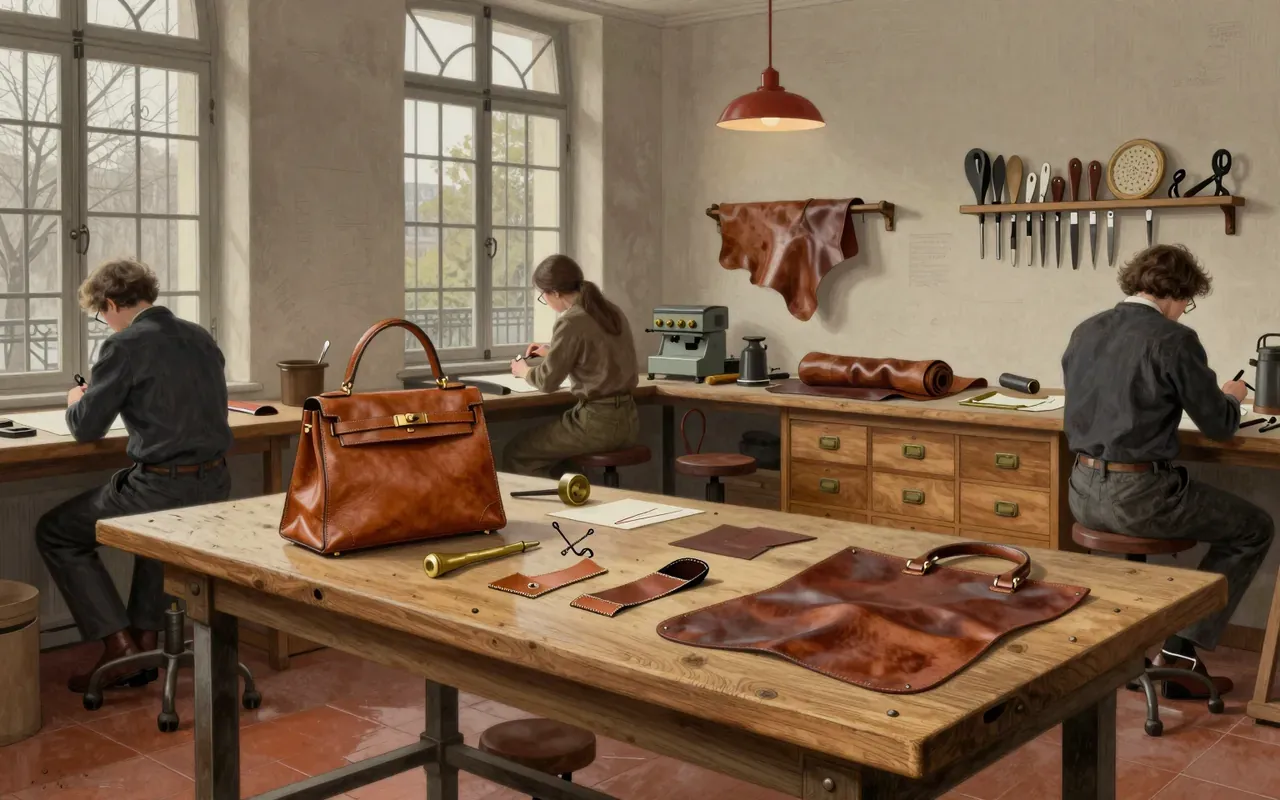
Kelly bagThe Kelly bag is a leather handbag created by Hermès in the 1930s. It began as the Sac à Main de Voyage, launched in 1935. Robert Dumas redesigned it for women. Grace Kelly used it publicly in 1956 to conceal her pregnancy. A Life magazine photo triggered mass demand. Hermès renamed it the Kelly bag in the late 1950s. Each bag is handmade by one craftsman in 18–20 hours.
Up next in Fashion

Fashion influencer

· 10:41

Fashion influencer is not a person—it’s the first garment fashion made without cloth.

10:41