9:46in productionCh. 1 · Not for show/ 9:46 · ceiling 15 min
Workwear
Workwear
Workwear isn’t heritage—it’s hazard pay made visible.
Workwear is functional clothing for manual labour. It began in Britain among industrial workers from the mid-19th century to the 1970s. It later developed distinct national forms in Japan, China and maritime contexts. It signalled occupation, prioritised safety and durability, and was adapted through imitation and cultural need. It does not represent a unified global tradition—it reflects separate, practical responses to local labour conditions.
Workwear exists only where manual labour demands protection and visibility.
2:22
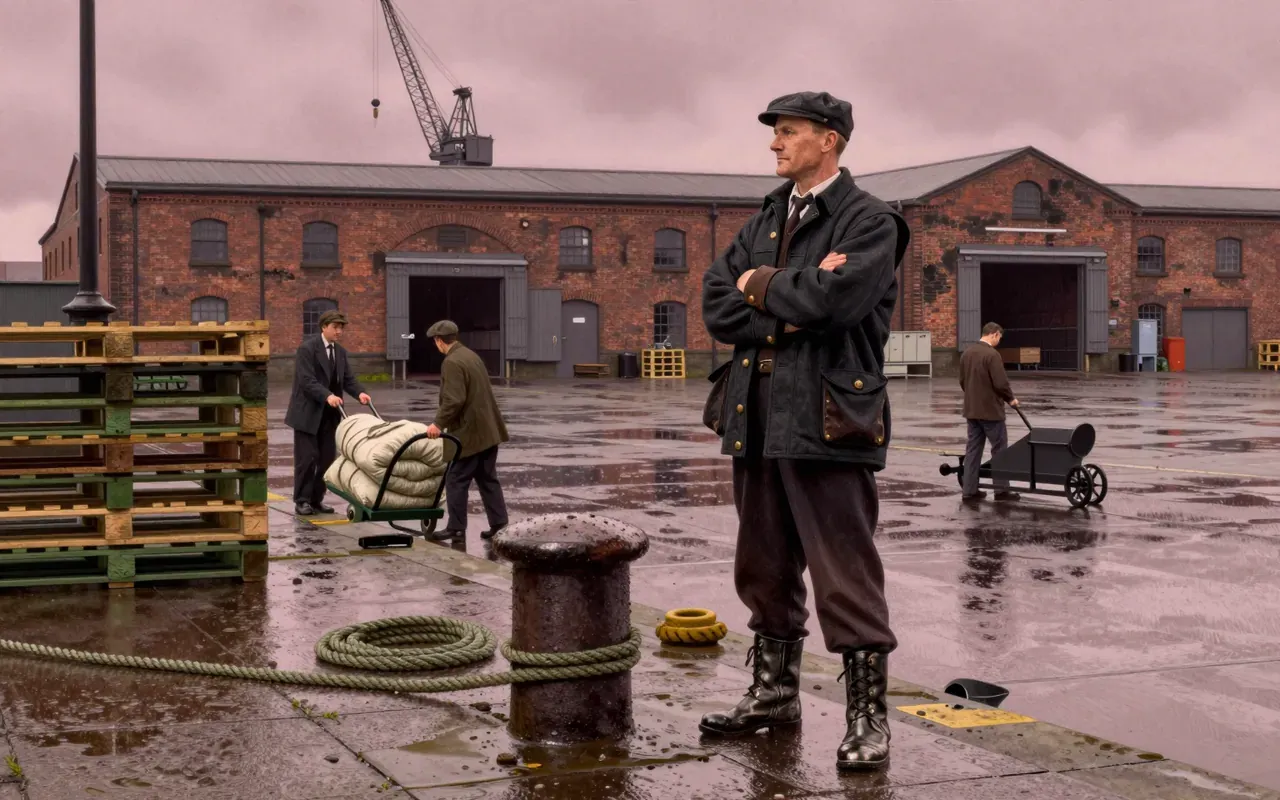
Flat caps and navvies
British workwear was legible class code long before it was fashion.
4:12
Mother-of-pearl rebellion
Pearly kings prove workwear could be copied, exaggerated, and turned into ritual—but not without roots in costermonger dress.
5:41
Three other origins
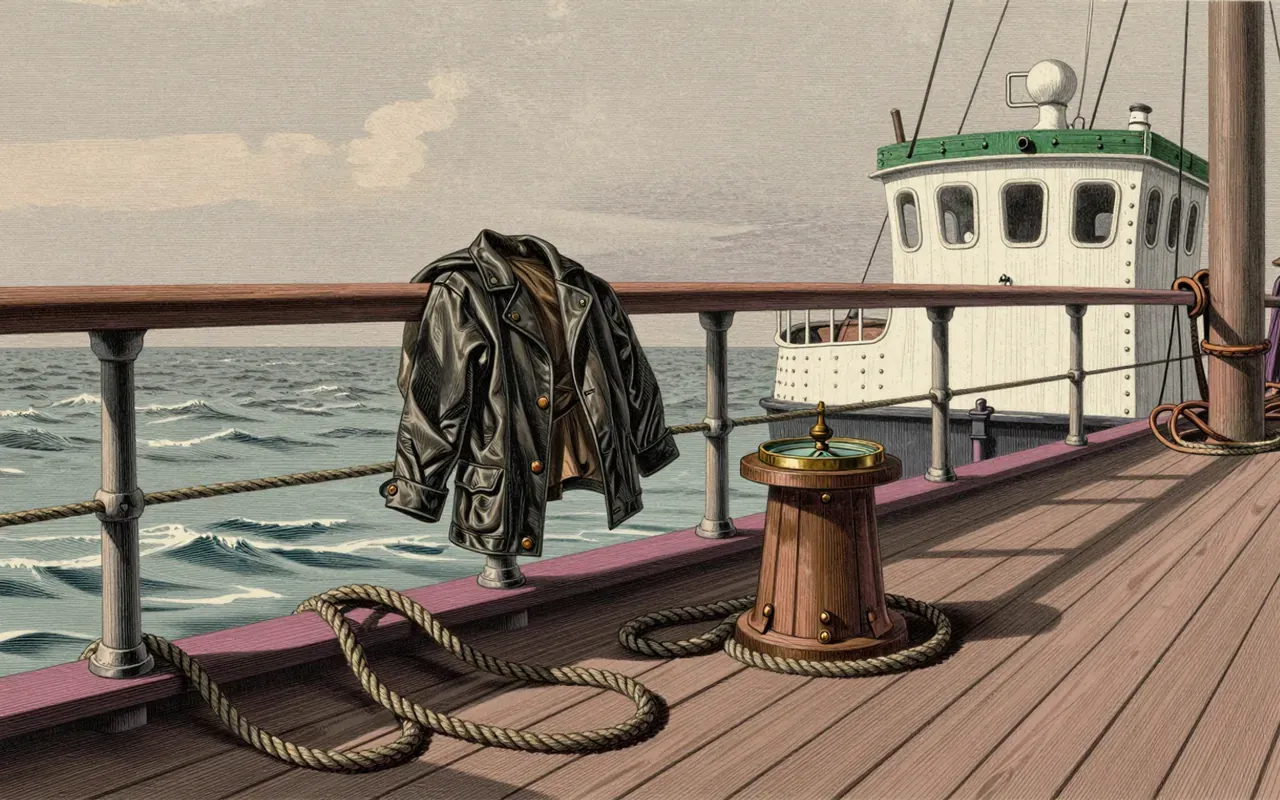
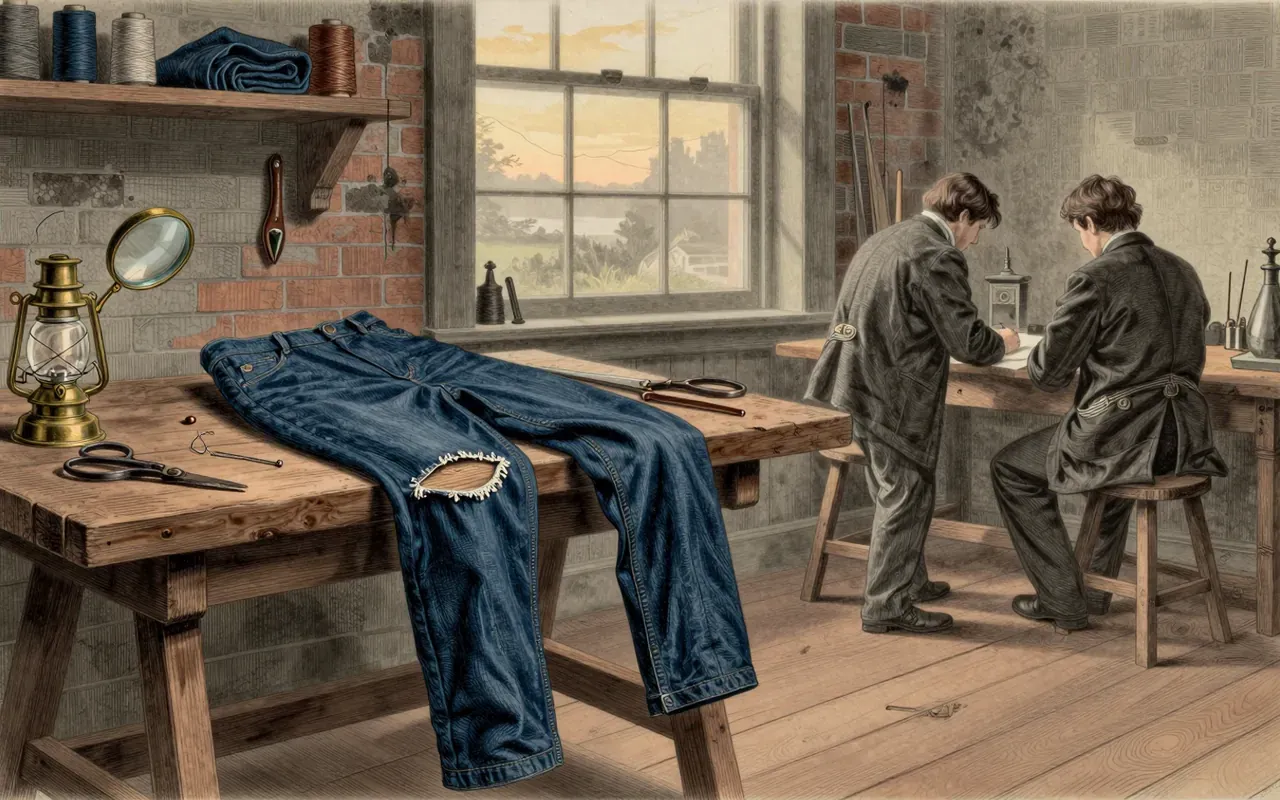
Japan, China and seafaring communities developed workwear independently—not as derivatives, but as parallel solutions.
Worth your time?
Yes. Wear the whole thing.
4.5/ 5
What works
as historical evidence
as a counterpoint to fast-fashion narratives
as a lens on occupational identity
What does not
romanticise
universalise
conflate
Wear it if
designers
historians of labour
students of material culture
Skip it if
those seeking trend reports
fans of vintage aesthetics without context
The written brief1 min read
What the thing is
Workwear is clothing worn for manual labour. It is built for durability and safety. It identifies occupation through visible, repeatable details.
Where it came from
It originated among British manual labourers from the mid-19th century to the 1970s. Distinct forms emerged separately in Japan (early 20th century), China (from the five-button Zhongshan suit), and maritime contexts (since the late 18th century).
What it gets right
It signals occupation clearly. It prioritises durability and safety. It adapts across borders while retaining functional logic.
What it gets wrong
It conflates all workwear into a single lineage. It treats Japanese, Chinese and maritime forms as footnotes to British origins.
Why it matters now
Because contemporary fashion repackages workwear as style while erasing its ties to unionised labour, industrial decline, and state-led standardisation—making its history a corrective to nostalgia.
Is it worth your time
Yes—if you want to understand how clothing encodes labour, class and national identity without romanticising either.