A bag designed for diapers became a lockbox for status — its function buried under its own exclusivity.
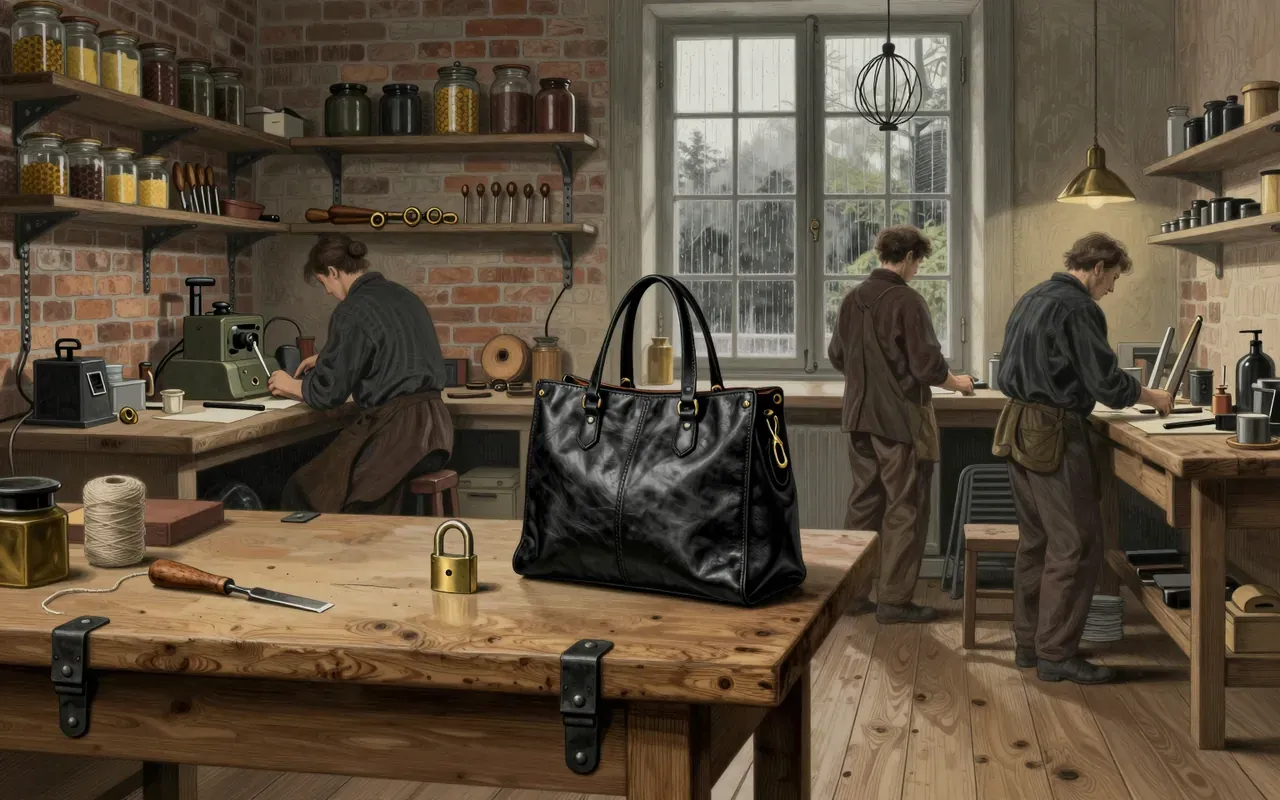
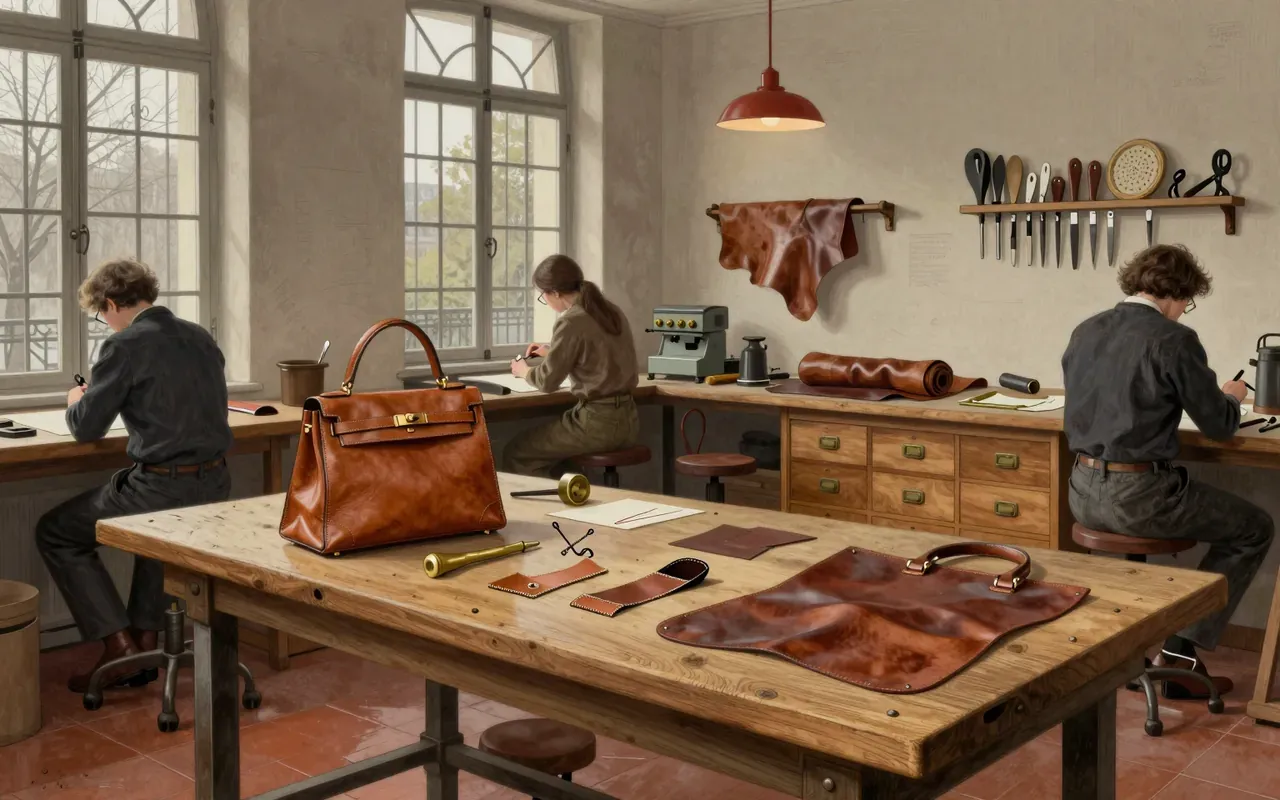
The Birkin bag is a handmade leather tote created by Hermès in 1984 after a chance meeting between CEO Jean-Louis Dumas and actress Jane Birkin. It was designed as a supple, roomy alternative to the formal Kelly bag. Each unit is made by a single craftsman in a French Hermès factory using saddle stitching and takes 15–20 hours. It bears the maker’s signature and is sold exclusively in Hermès stores. Its first iteration was a supple black leather bag. Jane Birkin requested it to hold scripts and diapers for her two-year-old daughter. Its exclusivity, high price, and long waiting lists have cemented its status as a symbol of wealth and a Veblen good.
Born from a conversation on a plane, not a boardroom.
2:06
Purpose first
It was built for scripts and diapers — not symbolism.
3:16
Craft as constraint
One craftsman. One signature. Fifteen hours minimum.
5:42
Controlled distribution
Black leather. Supple. Sold only in Hermès stores.
Worth your time?
Yes. Wear the whole thing.
3.5/ 5
What works
Supple roominess
Saddle-stitched construction
Single-craftsman signature
What does not
Simplify access
Lower price
Prioritise speed of delivery
Wear it if
People who treat ownership as curation
People who measure value in scarcity
Skip it if
People who need a bag now
People who measure value in daily use
The written brief1 min read
What the garment is and where it came from
The Birkin bag is a handmade leather tote created by Hermès in 1984. It emerged from a chance meeting between CEO Jean-Louis Dumas and actress Jane Birkin. It was sketched as a supple, roomy alternative to the formal Kelly bag.
How it works, in terms someone would actually use
It opens with a padlock-and-key clasp. It holds scripts and diapers. It hangs from two handles. It sits flat when empty, swells when full, and retains shape without structure.
What it gets right
It gets right the supple roominess Jane Birkin asked for. It gets right the saddle-stitched construction that holds weight without rigidity. It gets right the single-craftsman signature as proof of origin.
What it does not
It does not simplify access. It does not lower price. It does not prioritise speed of delivery over craft or exclusivity.
What it changed
It redefined luxury accessories as objects of controlled scarcity rather than functional evolution.
Who it is for, and who it is not
It is for people who treat ownership as curation and waiting as qualification. It is not for people who need a bag now, or who measure value in daily use.
Is it worth your time
It is worth your time only if you require a handmade leather tote whose value rises with scarcity, not utility.