fashionbriefs
9:11in productionCh. 1 · Function first/ 9:11 · ceiling 15 min
Accessories

Garter

A functional strap became a wedding prop, a male fashion staple, and a Shakespearean punchline—without ever changing shape.

Garter

Chapters & takeaways4
  1. 0:54
    Function first

    It was built for one job: stop stockings slipping at the narrowest point of the leg.

  2. 2:07
    Gendered, then archaic

    Men wore them for display in the Elizabethan era—and for socks in the 20th century—before both uses faded.

  3. 3:41
    Derision built in

    Shakespeare mocked cross-braced garters as absurd—a sign they were already overdetermined by fashion.

  4. 5:20
    Ritual after function

    Elastic made them obsolete—but weddings kept them alive as theatre, not utility.

Worth your time?

Yes. Wear the whole thing.

3.5/ 5
What works
  • culture/fashion
What does not
  • culture/literature
  • culture/society
Wear it if
  • designers
  • historians of dress
  • wedding planners
Skip it if
  • chivalry scholars
  • military historians
The written brief1 min read

What the thing is

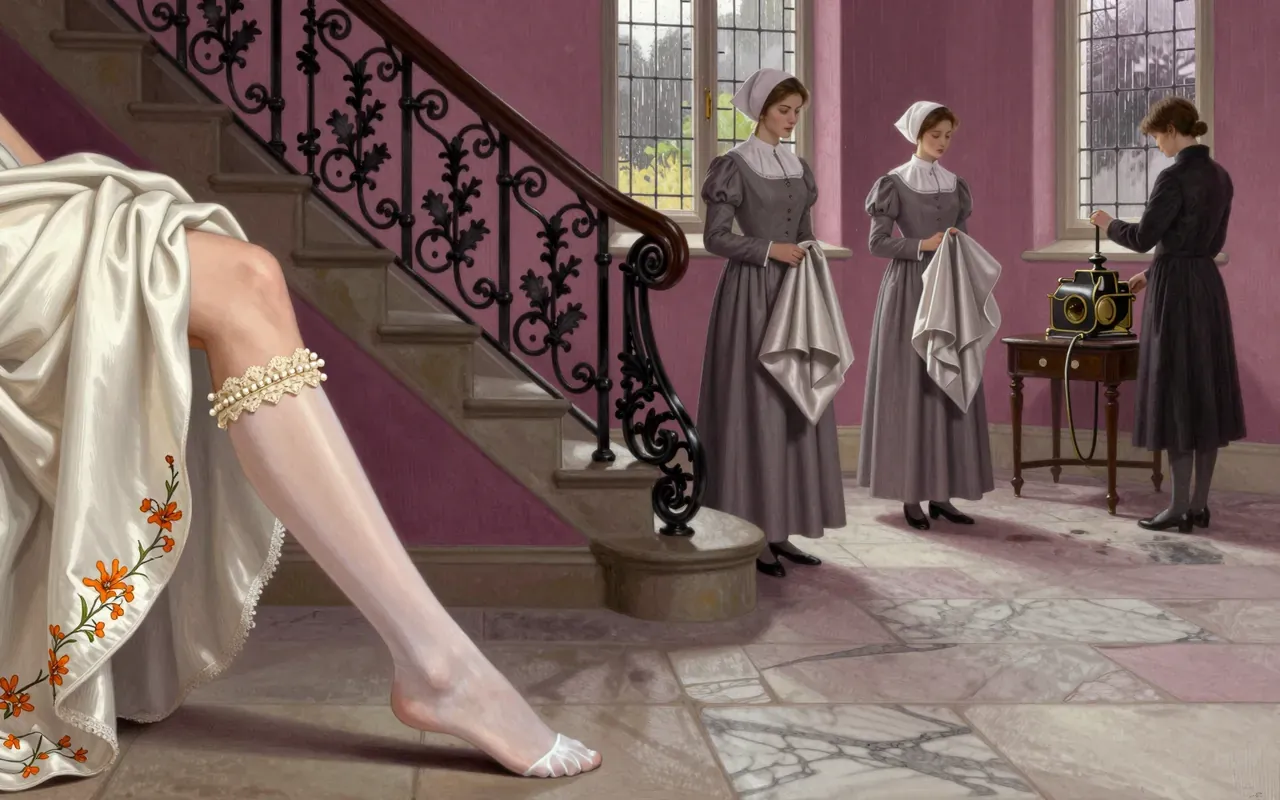
A garter is a narrow band of fabric fastened about the leg to keep up stockings.

Where it came from

It originated as functional legwear, tied just below the knee to prevent slippage—used by men in Elizabethan hose and by women across eras.

What it gets right

It solves a precise mechanical problem: holding up stockings where the leg is narrowest. It adapts to gendered dress codes without changing its core form.

What it gets wrong

It conflates two unrelated things: a legwear fastener and a chivalric order. The shared name is coincidental, not conceptual.

Why it matters now

It reveals how ritual (wedding garter removal) and obsolescence (elastic rendering it unnecessary) coexist in plain sight—without explanation or irony.

Is it worth your time

Yes—if you care about how functional objects accrue meaning across centuries without ever being redesigned for it.

Same rail · Accessories4 of 19
8:40
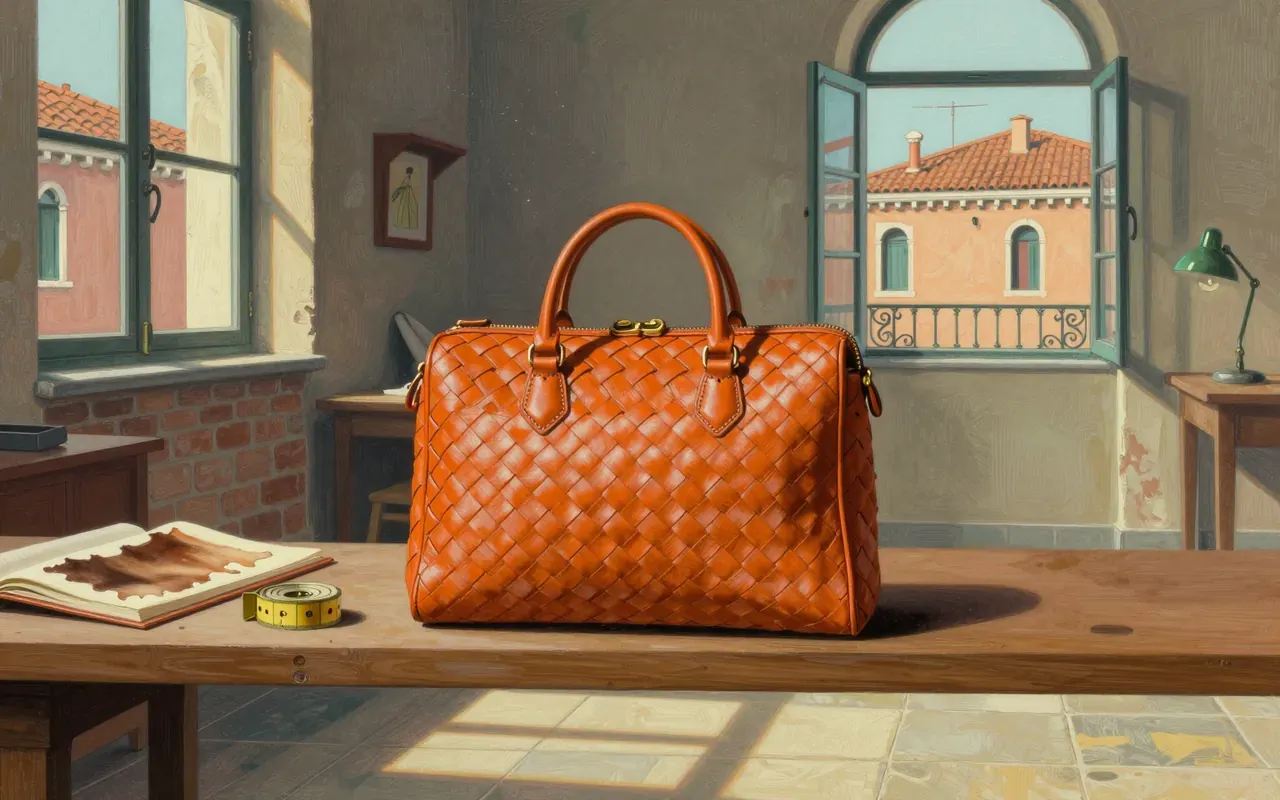
Bottega Veneta1966Bottega Veneta (1966) is defined by Intrecciato: a leather weaving technique that interlaces strips through slits. It is not clothing. It is structural. It trades seamlessness for resilience. It demands attention to making—not just wearing.
9:35
G-Shock1983The G-Shock is not fashion. It is infrastructure for the wrist.
11:16
Lady DiorThe Lady Dior is a handbag named commercially by Christian Dior to honor Diana, Princess of Wales. Designed by Gianfranco Ferré in 1994, it was first called Chouchou, then Princesse, before being renamed Lady Dior. Commissioned by Bernadette Chirac for Diana’s 1995 Paris visit, it was presented in black at the Cézanne exhibition inauguration at the Grand Palais. Diana carried it publicly in Birmingham, Argentina, and on several further occasions. Its cannage motif derives from Napoleon III chairs and a neo-Louis XVI medallion armchair in Dior’s Avenue Montaigne mansion. The bag comprises 144 pieces, is rectangular and rigid, and features D-I-O-R letter charms and the Dior logo on the handle. It is produced in numerous materials including leather, velvet, microfiber, satin, denim, python, crocodile, tweed, and jacquard. Two hundred thousand units were sold in two years, increasing Dior’s leather goods turnover tenfold.
11:05
Dior Saddle bagThe Dior Saddle bag is a 1999 John Galliano creation that fused equestrian form with Lauryn Hill’s 1998 music video styling. It debuted in October 1999 during Dior’s Spring/Summer 2000 show. Commentators described it as a radical departure — 'funky, streetwise and cool'. It uses hand-stitched piping and comes in denim and leather. Dior did not confirm speculation about Helmut Newton’s influence, though early campaigns leaned into sensuality.
Up next in Fashion

Hijab

· 8:06

Hijab isn’t in the Qur’an as clothing—it’s a curtain that got turned into a scarf.

8:06