fashionbriefs
9:56in productionCh. 1 · The Stack/ 9:56 · ceiling 15 min
Accessories

Louis Vuitton

1854

Louis Vuitton didn’t invent luggage—it killed the rounded top and made stacking non-negotiable.

Louis Vuitton’s 1854 trunk is a functional object defined by its flat top, poplar frame, Trianon canvas, and hand assembly. It enabled stacking, resisted moisture, and invited imitation. It is not fashion-as-decor. It is fashion-as-infrastructure.

Chapters & takeaways4
  1. 0:57
    The Stack

    Flat tops solved stacking. Rounded tops were obsolete the moment Vuitton’s grey canvas hit Paris.

  2. 2:16
    The Hand

    Each trunk takes up to 60 hours. Every nail, every lock, every key is placed by hand—not programmed, not stamped, not outsourced.

  3. 3:58
    The Frame

    Thirty-year-old poplar, dried four years minimum: wood as archive, not substrate.

  4. 5:14
    The Copy

    Imitation began before the first trademark—proof the design was legible, functional, and impossible to ignore.

Worth your time?

Yes. Wear the whole thing.

4.5/ 5
What works
  • stacking
  • airtight storage
  • decades-long durability
  • handmade traceability
What does not
  • fast-fashion
  • streetwear
  • ready-to-wear
Wear it if
  • long-haul travellers
  • collectors of functional objects
  • those who treat luggage as heirloom
Skip it if
  • urban commuters
  • backpackers
  • digital-first consumers
The written brief1 min read

What the garment is and where it came from

A handmade trunk. Born in Paris in 1854. Built from aged poplar and grey Trianon canvas. Not a bag. Not a suitcase. A stackable, airtight, flat-topped travel unit.

How it works, in terms someone would actually use

It stacks. Flat top meets flat base. No gaps. No wobble. Travellers pile them in carriages, on steamers, in hotel corridors. Rounded-top trunks predated Vuitton’s design and were unsuitable for stacking because of their shape.

What it gets right

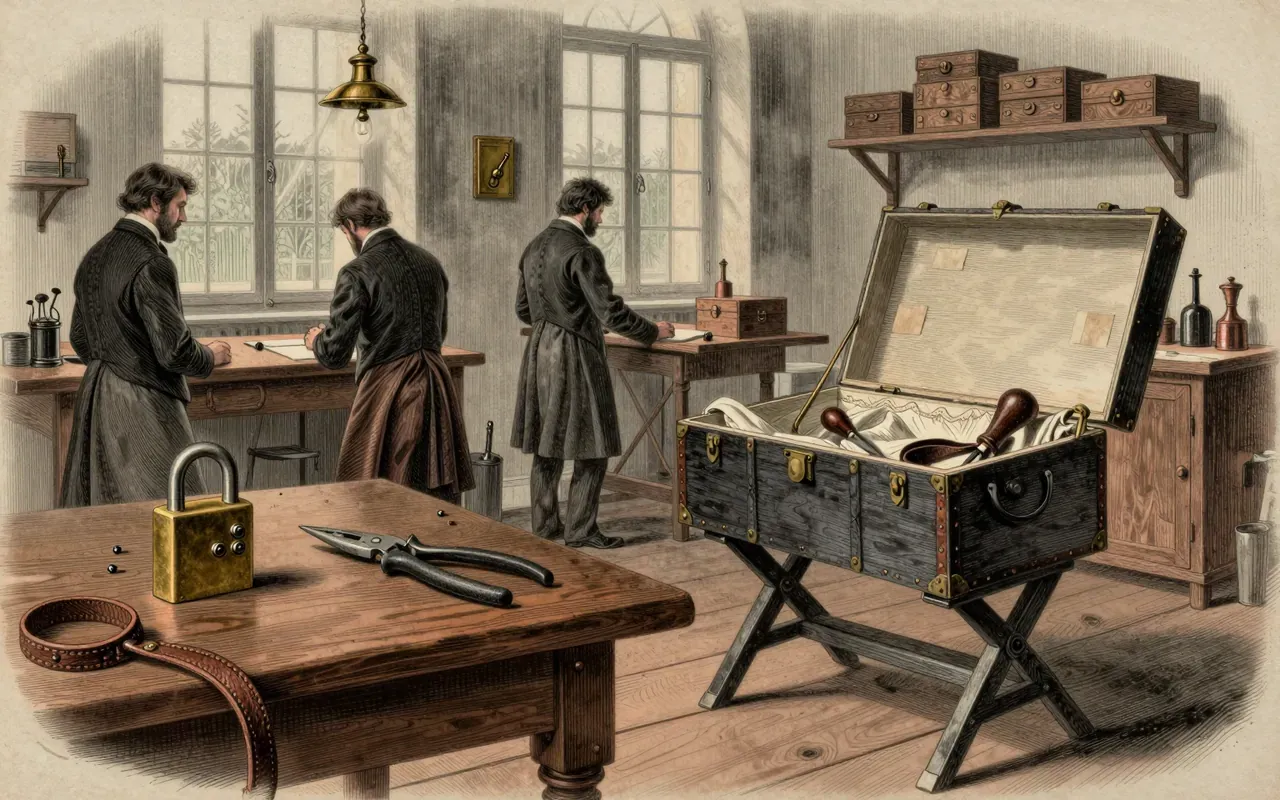
Poplar frames aged thirty years. Trianon canvas sealed against moisture. Brass locks keyed to one master. Hand-nailing precision. Serial-numbered traceability. The poplar is dried for at least four years before it becomes a frame. Each trunk takes up to 60 hours to produce, and a suitcase up to 15 hours.

What it does not

It is not a bag for daily use. It does not fold, compress or fit under seats. It does not prioritise speed of access over structural integrity.

What it changed

It replaced the rounded-top trunk. Stacking became possible. Airtightness became standard. Imitation became inevitable.

Who it is for, and who it is not

For travellers who carry possessions across continents—not commuters, not students, not digital nomads. Not for those who value lightness over longevity.

Is it worth your time

Yes—if you need luggage that endures decades of handling, not seasons of trends.

Same rail · Accessories4 of 27
9:12
Mulberry GroupRoger Saul · 1971Mulberry Group was founded in 1971 by Roger Saul and his mother Joan as a British leather goods company. It built its reputation on functional poacher bags—the binocular and dispatch bags—rooted in rural utility rather than urban display. Production began in Somerset in 1973 and remains anchored there for core designer leather goods, while men’s bags and small leather goods are made in Turkey and China respectively. An apprenticeship programme launched in 2006 trains local youths for Somerset factory roles, with job offers extended to graduates. Mulberry’s strength lies in its material honesty and regional continuity; its compromise is the fragmentation of its making across geographies and standards.
9:32
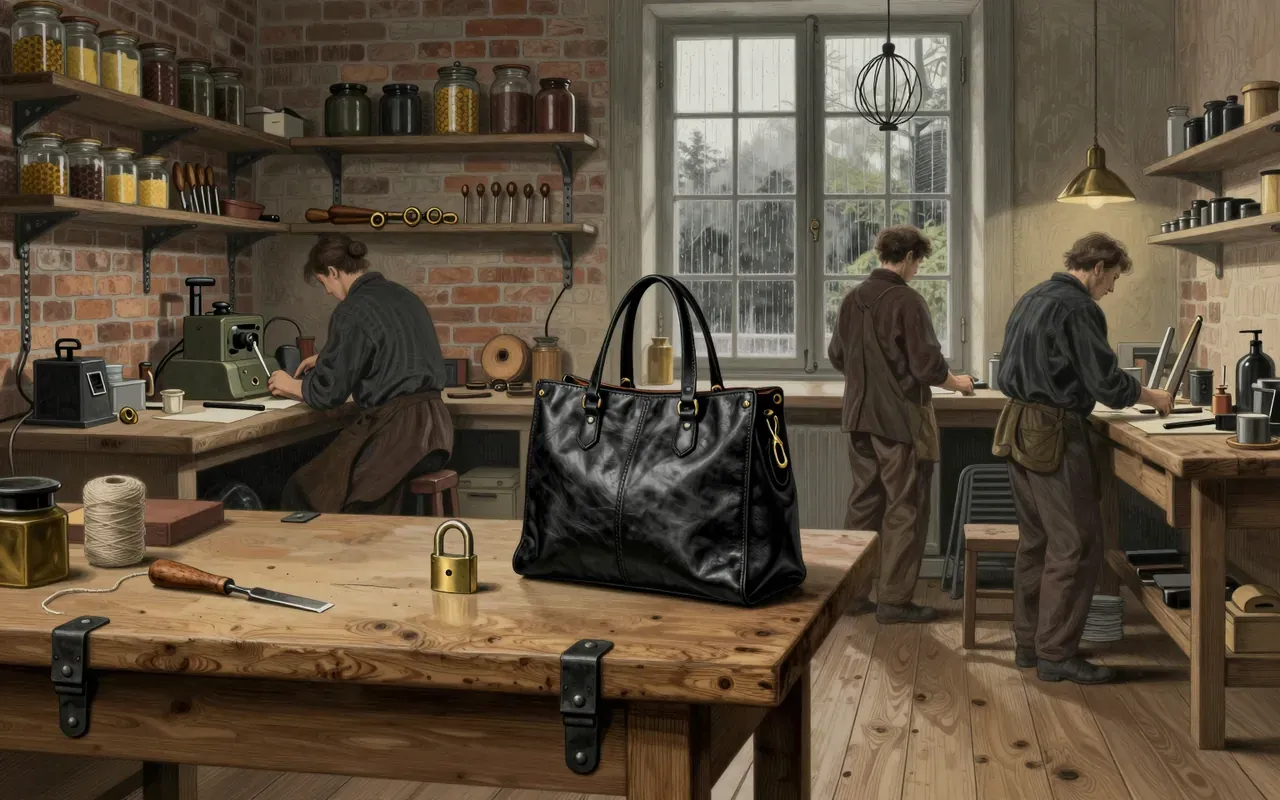
Birkin bagThe Birkin bag is a handmade leather tote created by Hermès in 1984 after a chance meeting between CEO Jean-Louis Dumas and actress Jane Birkin. It was designed as a supple, roomy alternative to the formal Kelly bag. Each unit is made by a single craftsman in a French Hermès factory using saddle stitching and takes 15–20 hours. It bears the maker’s signature and is sold exclusively in Hermès stores. Its first iteration was a supple black leather bag. Jane Birkin requested it to hold scripts and diapers for her two-year-old daughter. Its exclusivity, high price, and long waiting lists have cemented its status as a symbol of wealth and a Veblen good.
8:00
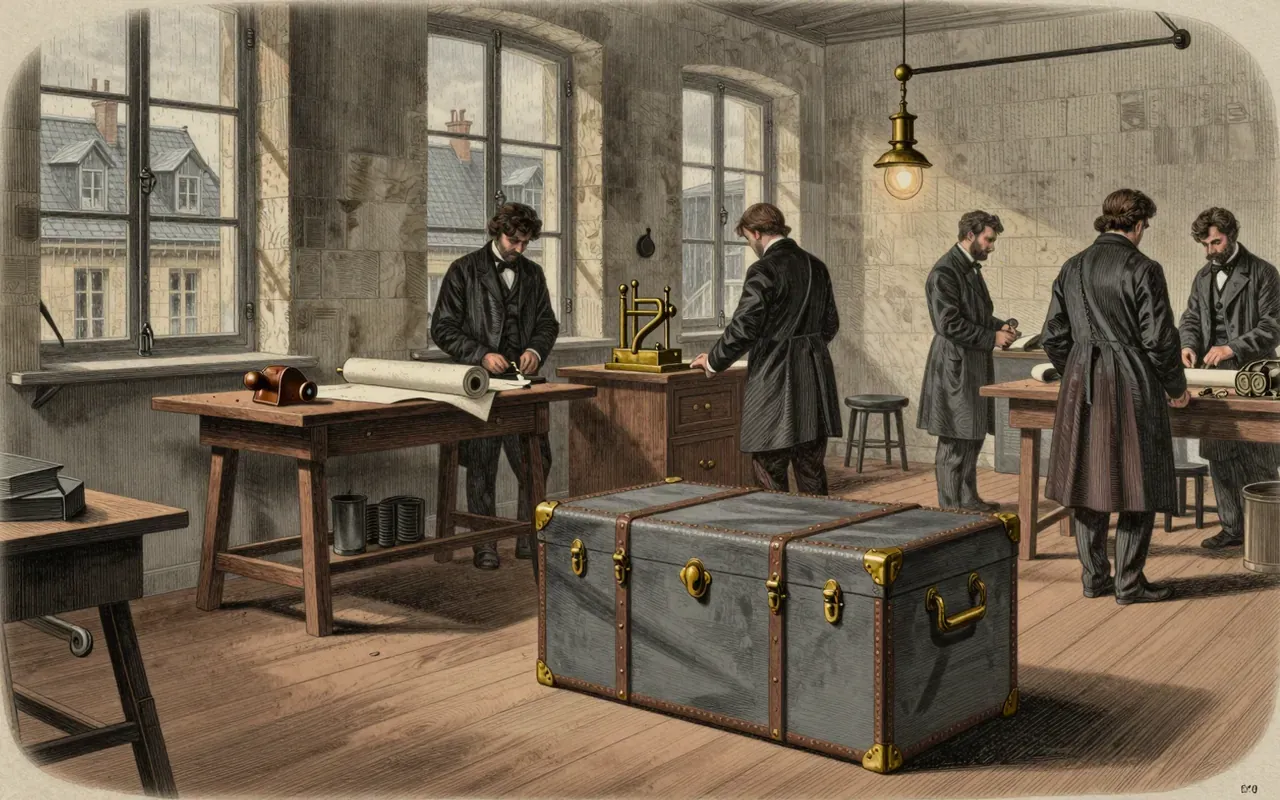
Louis Vuitton1854Louis Vuitton is not a handbag brand. It is a trunk-maker founded in 1854. Its core object is a rigid, stackable, waterproof container built from aged poplar, covered in monogrammed canvas, locked with brass, and keyed to a single handmade duplicate. It was made for rail and steamship travel. It remains unchanged in method: hand assembly, serial numbering, material specificity. Its monogram is forensic, not ornamental. Its value is structural, not symbolic.
8:40
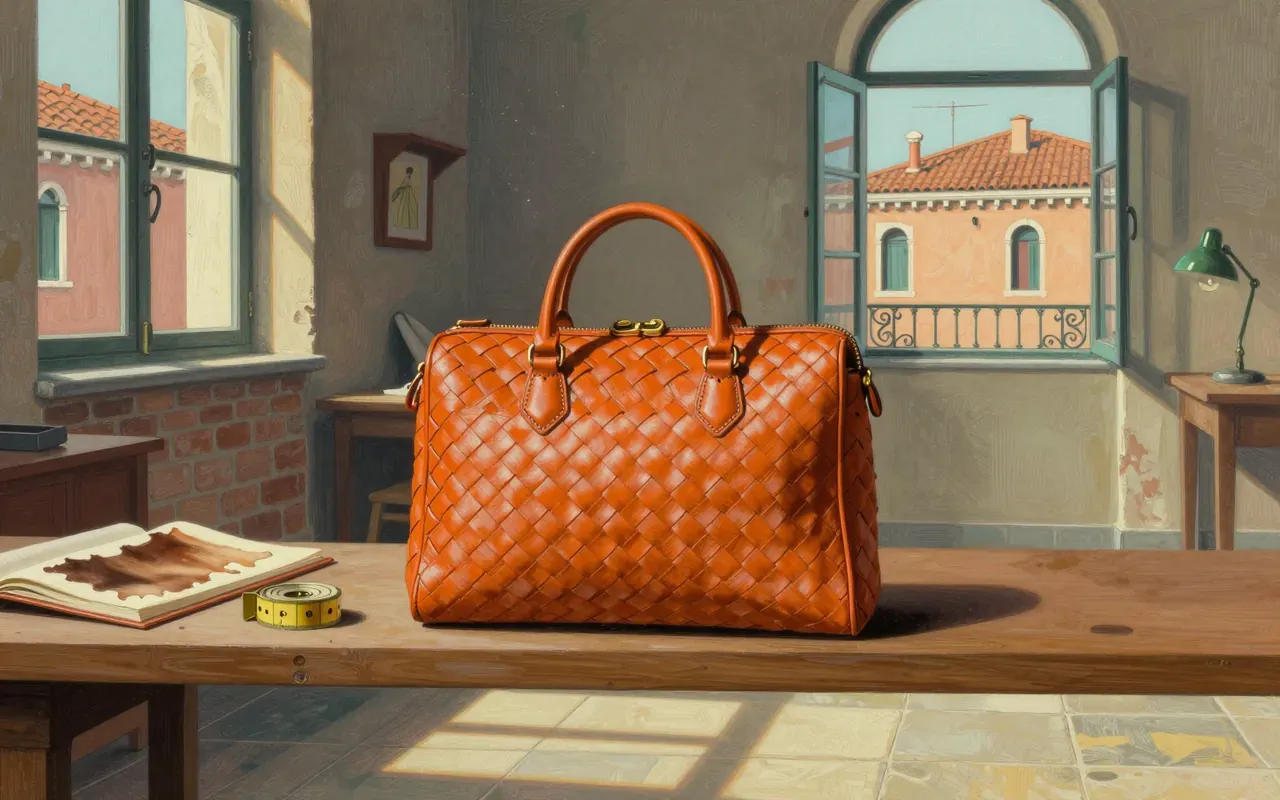
Bottega Veneta1966Bottega Veneta (1966) is defined by Intrecciato: a leather weaving technique that interlaces strips through slits. It is not clothing. It is structural. It trades seamlessness for resilience. It demands attention to making—not just wearing.
Up next in Fashion

Louis Vuitton

1854 · 8:00

A trunk is not a bag—it’s a sovereign unit of travel, and Louis Vuitton built the first one that refused to break.

8:00