What the garment is and where it came from
A Parisian haute couture garment, founded in 1932 by Maria ‘Nina’ Ricci and her son Robert, made to hold shape through draped construction rather than tailoring or ease.
How it works, in terms someone would actually use
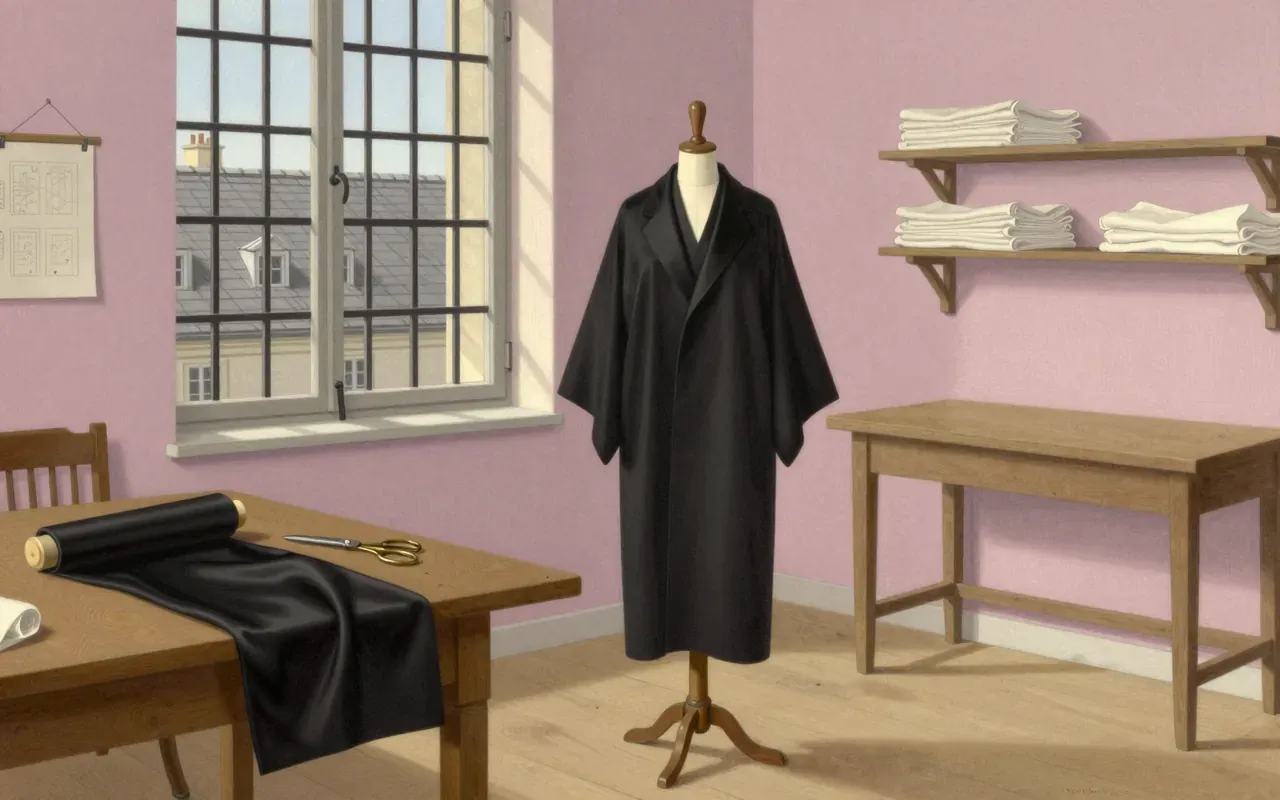
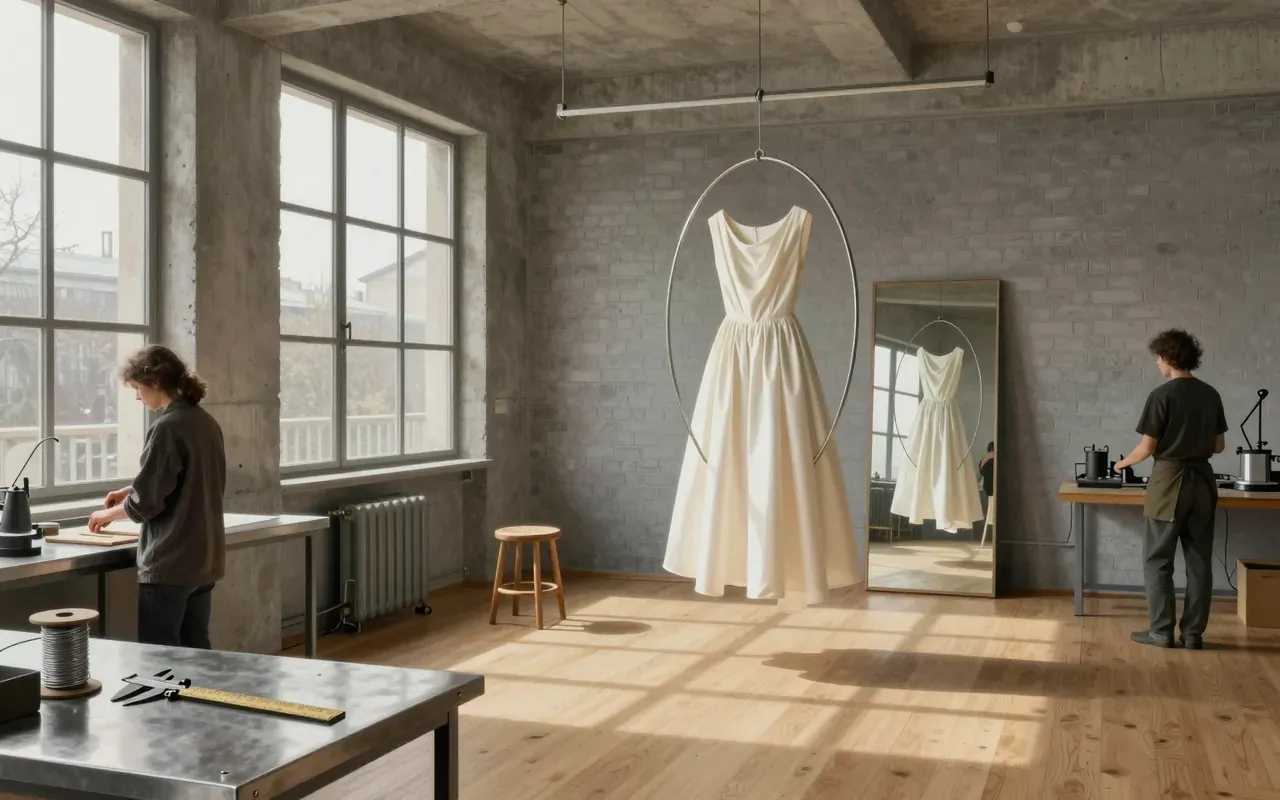
It works by draping fabric directly on the mannequin to sculpt shape — no flat pattern drafting, no pre-set silhouettes.
What it gets right
It gets right the continuity of feeling: refined, romantic, always feminine — achieved by direct manipulation of fabric on the body’s form.
What it does not
It does not accommodate broader or taller frames. Its petite, very fitted designs failed in early 1960s Australia because they could not be worn by many local women.
What it changed
It changed how fragrance and fashion licensing operated: perfume became an in-house function in 1941; design licensing began in 1960 with line-to-line pattern reproduction.
Who it is for, and who it is not
It is for those who seek garments that articulate romance as structure — not mood, not trend, but physical poise. It is not for those whose bodies fall outside its original petite, tightly fitted proportions.
Is it worth your time
Yes, if you need a reference point for how romantic femininity is built through cut and drape — not print, not embellishment, but three-dimensional form.