fashionbriefs
9:22in productionCh. 1 · What it is/ 9:22 · ceiling 15 min
Accessories

Top hat

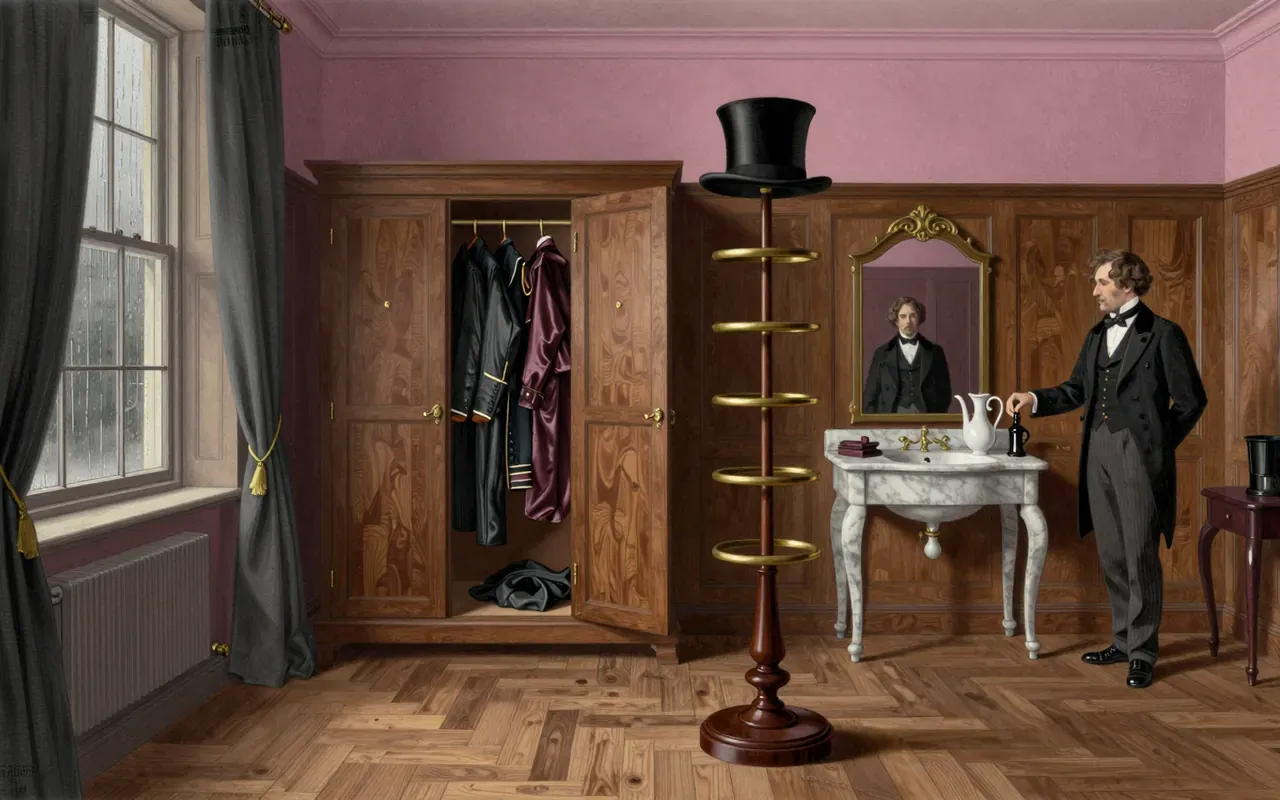
The top hat didn’t crown elegance—it enforced hierarchy with millimetres of silk.

The top hat is a tool of civic uniformity—not personal expression. It defined who belonged in the city, who could be seen as serious, and who got to wear ‘formal’ as a default. Its longevity proves how effectively clothing can enforce invisible borders.

Chapters & takeaways4
  1. 1:12
    What it is

    It was never just a hat—it was the first mass-produced signifier of formal male citizenship in the modern city.

  2. 2:47
    Where it came from

    It arrived not as innovation but as displacement—replacing tricorne and bicorne hats alongside the justaucorps’s fall.

  3. 3:54
    Who it dressed

    By 1800, it was standard city wear for upper and middle classes across the Western world—black silk, not beaver, became the norm.

  4. 5:45
    How long it lasted

    It outlived its original coat—worn with frock coats from the 1840s and white tie into the 20th century.

Worth your time?

Yes. Wear the whole thing.

3.5/ 5
What works
  • as a stable marker of formal male status
  • as an anchor for evolving dress codes
  • as evidence of how clothing standardises power
What does not
  • subvert
  • democratise
  • innovate materially
  • include women or working-class men
Wear it if
  • upper and middle-class urban men in the Western world
Skip it if
  • women
  • working-class men
  • non-Western contexts
The written brief1 min read

What the thing is

A tall, flat-crowned formal hat. Traditionally black silk or grey. Worn with white tie, morning dress or frock coat.

Where it came from

It emerged by the end of the 18th century. It followed the decline of tricorne and bicorne hats. It coincided with the rise of the dress coat and frock coat after the justaucorps was replaced around the 1780s.

What it gets right

It established a visual shorthand for urban respectability. It replaced outdated military headgear with a civilian symbol of status. It anchored formal dress codes across centuries.

What it gets wrong

It excluded women, working-class men and non-Western contexts entirely. It reinforced rigid hierarchy under the guise of neutrality.

Why it matters now

It reveals how sartorial standardisation served as quiet social infrastructure—still echoed in modern dress codes that presume universality while encoding exclusion.

Is it worth your time

Yes—if you care how formal dress codes codified class in the urban West. No—if you’re looking for subversion, innovation or democratic appeal.

Same rail · Accessories4 of 19
8:40
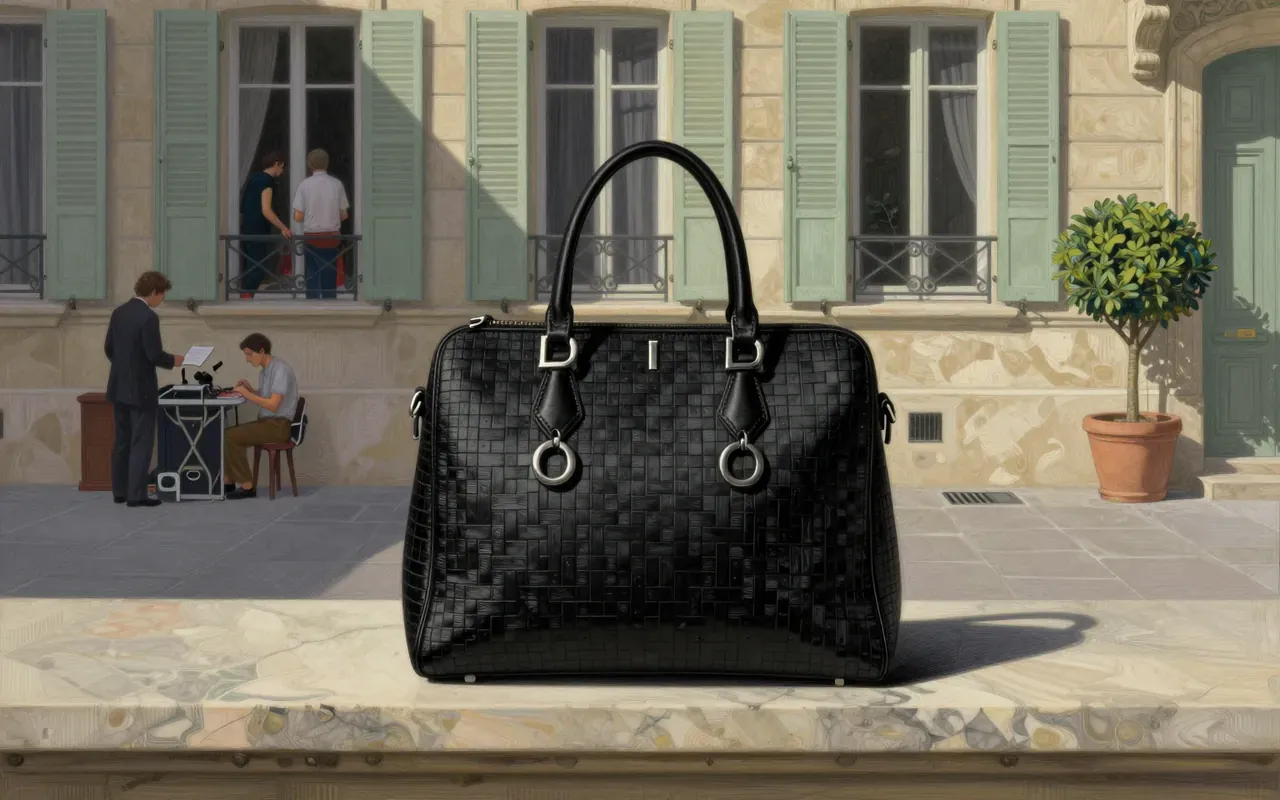
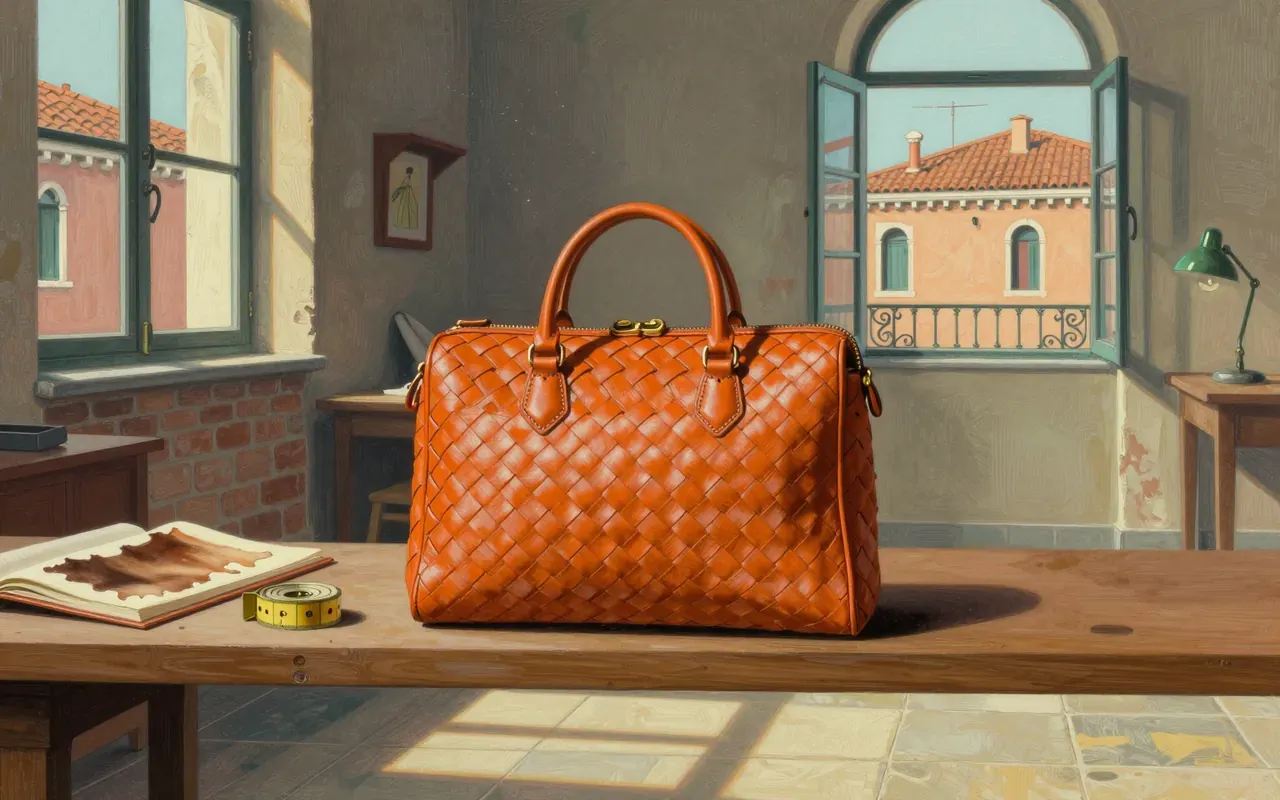
Bottega Veneta1966Bottega Veneta (1966) is defined by Intrecciato: a leather weaving technique that interlaces strips through slits. It is not clothing. It is structural. It trades seamlessness for resilience. It demands attention to making—not just wearing.
9:35
G-Shock1983The G-Shock is not fashion. It is infrastructure for the wrist.
11:16
Lady DiorThe Lady Dior is a handbag named commercially by Christian Dior to honor Diana, Princess of Wales. Designed by Gianfranco Ferré in 1994, it was first called Chouchou, then Princesse, before being renamed Lady Dior. Commissioned by Bernadette Chirac for Diana’s 1995 Paris visit, it was presented in black at the Cézanne exhibition inauguration at the Grand Palais. Diana carried it publicly in Birmingham, Argentina, and on several further occasions. Its cannage motif derives from Napoleon III chairs and a neo-Louis XVI medallion armchair in Dior’s Avenue Montaigne mansion. The bag comprises 144 pieces, is rectangular and rigid, and features D-I-O-R letter charms and the Dior logo on the handle. It is produced in numerous materials including leather, velvet, microfiber, satin, denim, python, crocodile, tweed, and jacquard. Two hundred thousand units were sold in two years, increasing Dior’s leather goods turnover tenfold.
11:05
Dior Saddle bagThe Dior Saddle bag is a 1999 John Galliano creation that fused equestrian form with Lauryn Hill’s 1998 music video styling. It debuted in October 1999 during Dior’s Spring/Summer 2000 show. Commentators described it as a radical departure — 'funky, streetwise and cool'. It uses hand-stitched piping and comes in denim and leather. Dior did not confirm speculation about Helmut Newton’s influence, though early campaigns leaned into sensuality.
Up next in Fashion

The Waistcoat

1882 · 8:10

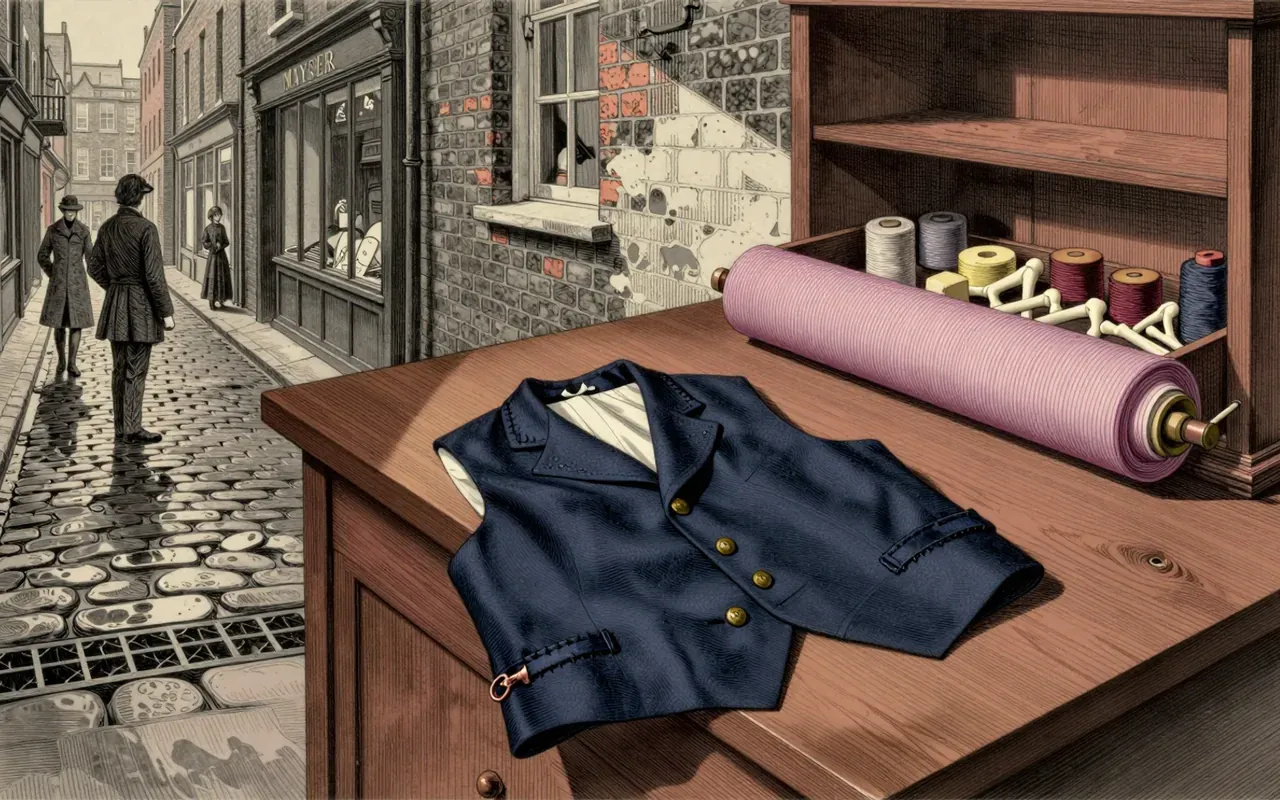
A waistcoat with two shortened bands proves love is often a lie told in stitches.

8:10