fashionbriefs
9:04in productionCh. 1 · What it is/ 9:04 · ceiling 15 min
Accessories

Fez (hat)

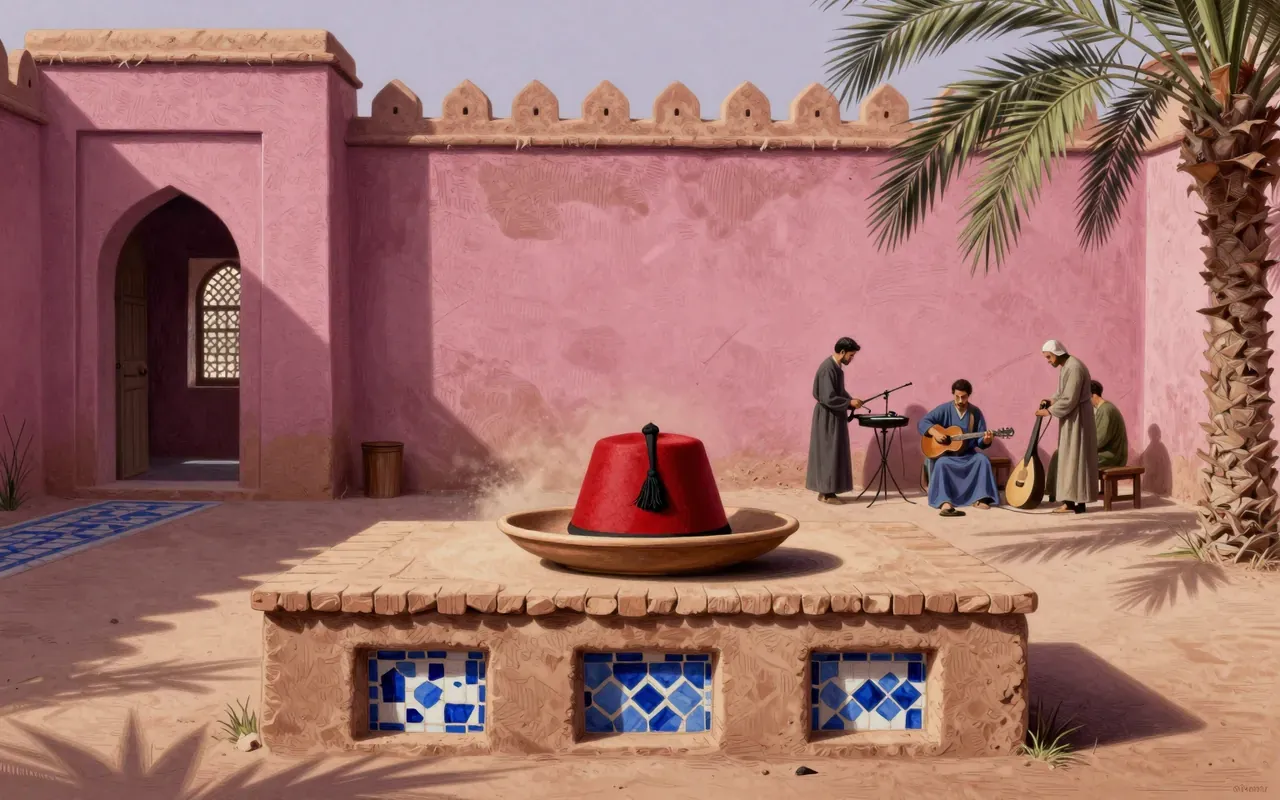
A red hat designed to erase identity became the ultimate symbol of what the state wanted to erase.

The fez was a state-imposed garment. It did one thing well: standardise appearance. It did one thing poorly: survive as a symbol once the state that made it mandatory changed its mind. Its lifespan—from 1827 mandate to 1925 ban—maps a century of top-down reform, not cultural adoption.

Chapters & takeaways5
  1. 1:01
    What it is

    It is a short, cylindrical, peakless felt hat—red, with a black tassel.

  2. 2:06
    Where it came from

    Its name may point to Fez, Morocco, where the red dye came from berries.

  3. 3:26
    How it was imposed

    Mahmud II mandated it in 1827 and 1829 to replace the turban and unify his subjects.

  4. 4:40
    How it was discarded

    In 1925, Atatürk outlawed it—ending its use in Turkish men's clothing forever.

  5. 5:46
    Where it marched

    It served as military headgear across armies and wars for centuries.

Worth your time?

Yes. Wear the whole thing.

4/ 5
What works
  • the fez itself
  • Mahmud II's 1827–1829 decrees
  • Atatürk's 1925 Hat Law
What does not
  • culture/arts
  • culture/literature
  • culture/photography
  • culture/subcultures
Wear it if
  • historians of dress
  • students of state formation
  • critics of secular modernisation
Skip it if
  • fashion designers seeking inspiration
  • collectors of vintage accessories
  • fans of ceremonial regalia
The written brief1 min read

What the thing is

A short, cylindrical, peakless felt hat, usually red, with a black tassel.

Where it came from

Its name may refer to Fez in Morocco, where crimson berries were used to dye it.

What it gets right

It replaced the turban to suppress visible markers of religious, regional and occupational identity.

What it gets wrong

It failed as a unifying symbol: it became a marker of Ottoman modernity that was later banned for being too Ottoman.

Why it matters now

It is a literal object lesson in how dress codes serve political centralisation—and how quickly such symbols flip from reformist tool to reactionary relic.

Is it worth your time

Yes—if you care about how clothing enforces unity, erases difference, and becomes a relic of state power.

Same rail · Accessories4 of 19
8:40
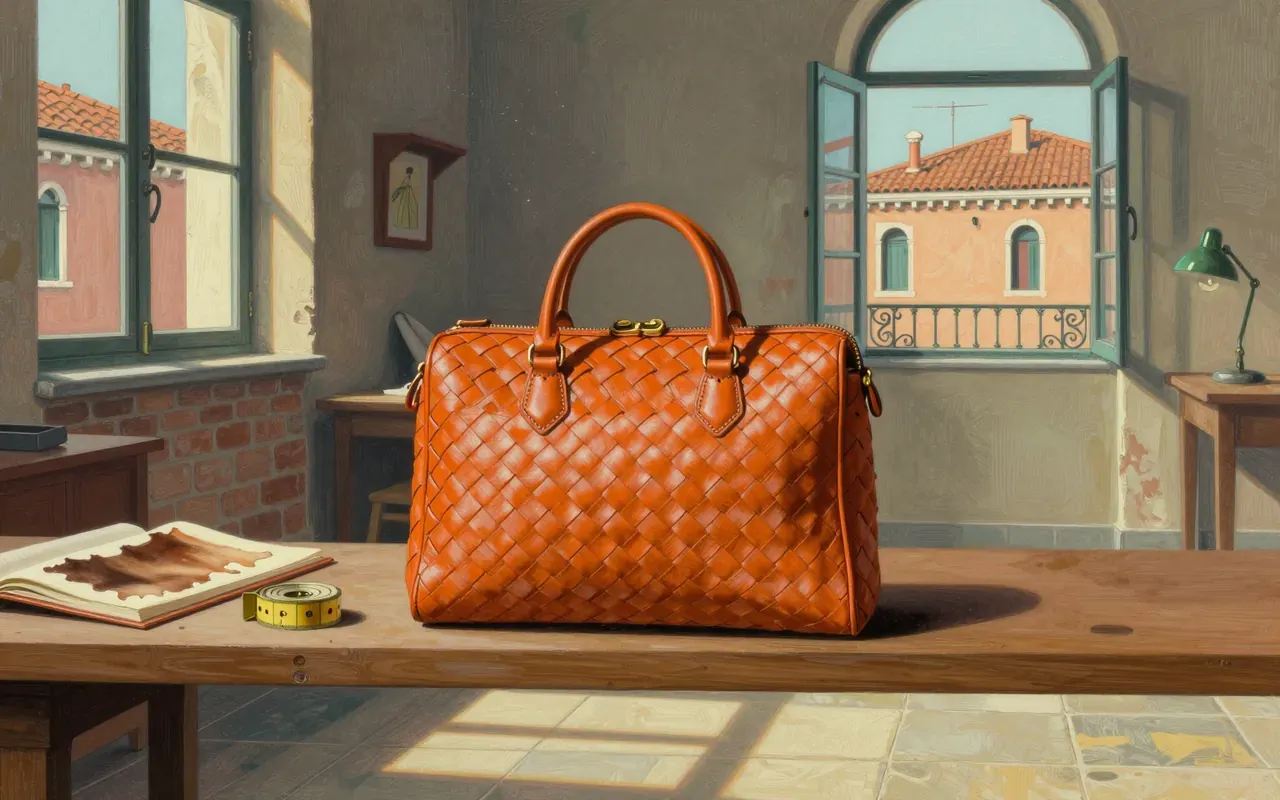
Bottega Veneta1966Bottega Veneta (1966) is defined by Intrecciato: a leather weaving technique that interlaces strips through slits. It is not clothing. It is structural. It trades seamlessness for resilience. It demands attention to making—not just wearing.
9:35
G-Shock1983The G-Shock is not fashion. It is infrastructure for the wrist.
11:16
Lady DiorThe Lady Dior is a handbag named commercially by Christian Dior to honor Diana, Princess of Wales. Designed by Gianfranco Ferré in 1994, it was first called Chouchou, then Princesse, before being renamed Lady Dior. Commissioned by Bernadette Chirac for Diana’s 1995 Paris visit, it was presented in black at the Cézanne exhibition inauguration at the Grand Palais. Diana carried it publicly in Birmingham, Argentina, and on several further occasions. Its cannage motif derives from Napoleon III chairs and a neo-Louis XVI medallion armchair in Dior’s Avenue Montaigne mansion. The bag comprises 144 pieces, is rectangular and rigid, and features D-I-O-R letter charms and the Dior logo on the handle. It is produced in numerous materials including leather, velvet, microfiber, satin, denim, python, crocodile, tweed, and jacquard. Two hundred thousand units were sold in two years, increasing Dior’s leather goods turnover tenfold.
11:05
Dior Saddle bagThe Dior Saddle bag is a 1999 John Galliano creation that fused equestrian form with Lauryn Hill’s 1998 music video styling. It debuted in October 1999 during Dior’s Spring/Summer 2000 show. Commentators described it as a radical departure — 'funky, streetwise and cool'. It uses hand-stitched piping and comes in denim and leather. Dior did not confirm speculation about Helmut Newton’s influence, though early campaigns leaned into sensuality.
Up next in Fashion

Garter

· 9:11

A functional strap became a wedding prop, a male fashion staple, and a Shakespearean punchline—without ever changing shape.

9:11