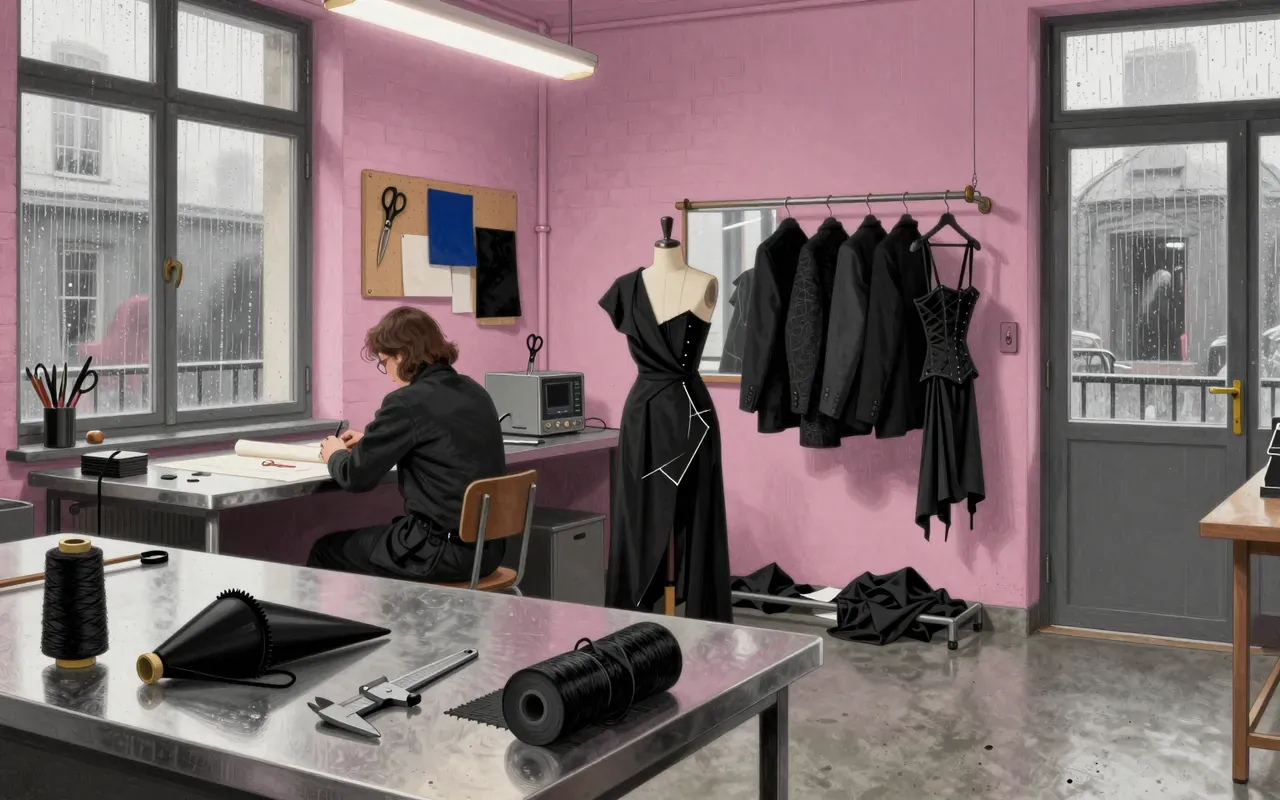
A 1924 workwear factory became a vehicle for Nazi uniform production — and waited 77 years to name the harm.
Hugo Boss in 1924 was a regional workwear factory — not a fashion institution, not a design innovator, not a global brand. Its significance lies entirely in what came after: Nazi Party membership in 1931, wartime exploitation of 140 forced labourers, and a delayed reckoning that arrived only in 2001. The 1924 origin is factual scaffolding — not cultural substance.
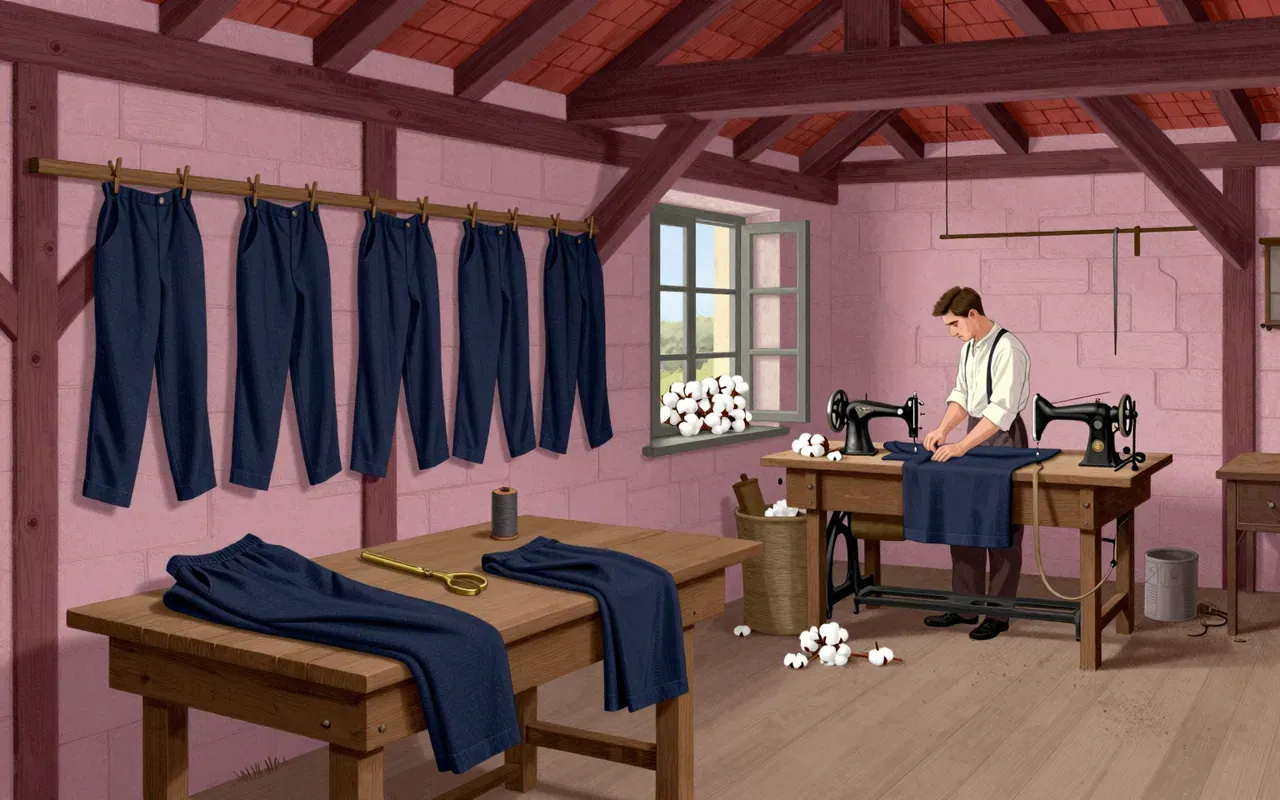
Hugo Boss began not as a fashion label but as a family-run clothing shop in Metzingen, upgraded to a workwear factory in 1924.
2:19
Three men, one factory
It was co-founded by Hugo Ferdinand Boss and two partners — Albert and Theodor Bräuchle — with no national or international reach.
3:58
From workwear to coercion
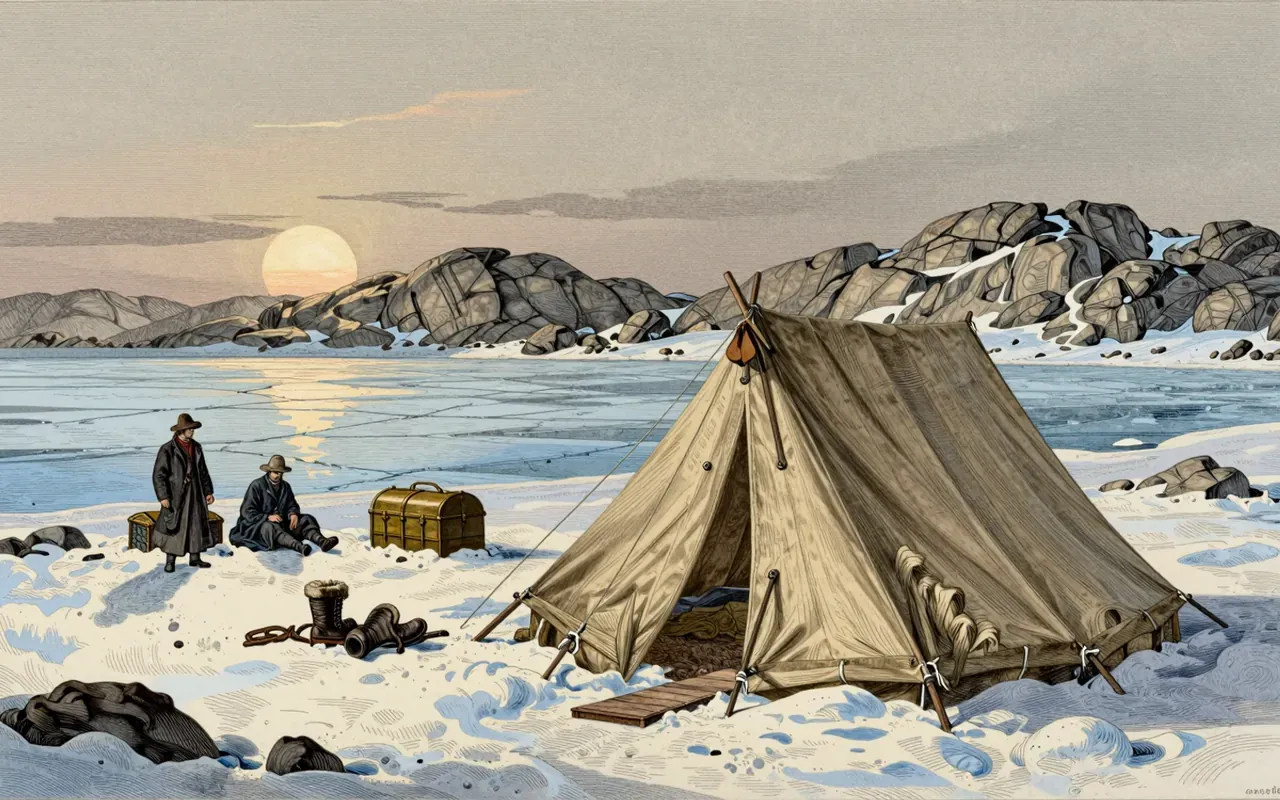
By 1931, Boss had joined the Nazi Party; by WWII, the factory relied on 140 forced labourers.
5:28
Seventy-seven years to say sorry
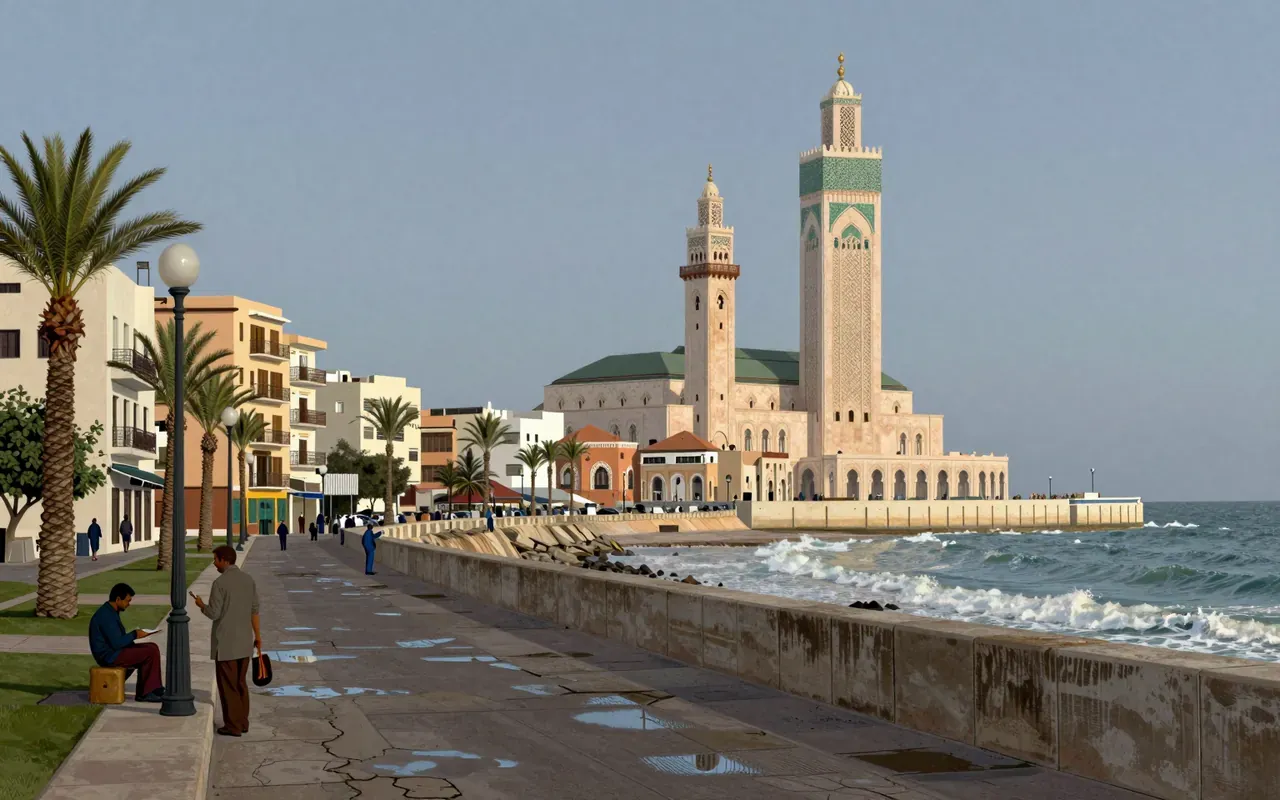
The company joined a forced labour compensation fund in 2000 and issued its first statement of regret in 2001 — 53 years after the war ended.
Worth your time?
No. The brief is enough.
2.5/ 5
What works
as historical evidence
as a case study in delayed institutional accountability
What does not
culture/art
culture/arts
culture/cities
culture/food
Wear it if
historians of German industry
students of corporate accountability
researchers of Nazi-era supply chains
Skip it if
fashion enthusiasts
design students
cultural trend watchers
The written brief1 min read
What the thing is
Hugo Boss in 1924 was a small-scale workwear factory in Metzingen, Germany.
Where it came from
It emerged from Hugo Ferdinand Boss’s takeover of his parents’ clothing retail business in Metzingen in 1922, then formalised as a manufacturing operation with Albert and Theodor Bräuchle in 1924.
What it gets right
It correctly identifies Hugo Boss as a German clothing manufacturer founded in Metzingen in 1924 with two partners, producing general-purpose workwear.
What it gets wrong
It misrepresents the 1924 entity as a fashion house or design-led enterprise. It was a provincial factory supplying durable garments to local tradespeople.
Why it matters now
It matters now because the company’s later complicity with National Socialism — joining the Nazi Party in 1931, employing 140 forced labourers during WWII, and issuing a statement of regret only in 2001 — forces scrutiny of how early industrial enterprises enabled authoritarian regimes.
Is it worth your time
No. It is not worth your time as a cultural object from 1924 — it was a small workwear factory, not a fashion brand, and had no public cultural presence at the time.