A luxury brand that launched without names, without interviews, and sold out—because the clothes refused to lie about what they were.
The Row is a fashion house built on subtraction: no names, no interviews, no deviation from material specificity. Its first collection—seven pieces, all purchased by Barneys New York—proved that luxury could be silent, rigorous and commercially viable without spectacle.
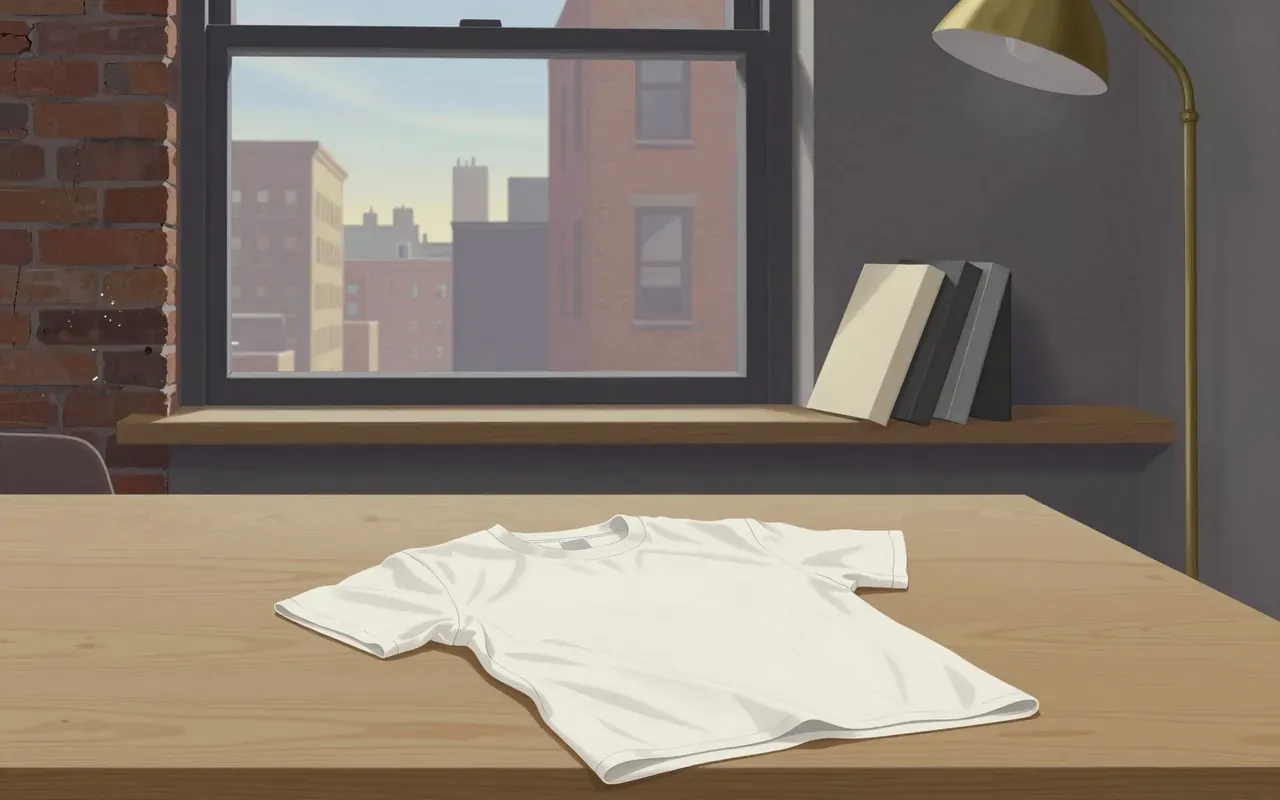
The Row began not as a brand, but as a single question: can one T-shirt fit every woman?
2:16
Seven pieces, no names
Its first collection had seven pieces—no more, no less—and every material was named before the designers were.
3:05
Sold out, unnamed
Barneys New York bought the entire debut collection—proof that anonymity did not dilute commercial conviction.
3:59
No words, then two years
Two years of research preceded menswear. Three years passed before a single interview.
5:31
Acting out, dressing in
The Olsens retired from acting in March 2012 to focus on fashion—yet kept their names off the label longer than they kept them on screen.
6:48
More things, fewer words
It expanded into resort, handbags, sunglasses and shoes—but never into explanation.
Worth your time?
Yes. Wear the whole thing.
4.5/ 5
What works
removes distraction
holds shape without compression
drapes without clinging
fits across ages and body types
What does not
explain itself
accommodate trend signalling
offer price accessibility
extend minimalism beyond form
Wear it if
people who treat clothing as infrastructure
those who reject garment-as-announcement
Skip it if
those who rely on clothing to declare allegiance
those who need garments to narrate identity
The written brief1 min read
What the garment is and where it came from
The Row is a 2006 New York–based luxury fashion label founded by Mary-Kate and Ashley Olsen. It began as Ashley Olsen’s 2005 personal project to design a perfect T-shirt—tested across diverse women—then expanded into a seven-piece debut collection including that T-shirt, cotton sateen leggings and a cashmere wool tank dress.
How it works, in terms someone would actually use
It works by removing distraction: no logos, no seasonal narrative, no visible construction seams. The cotton sateen leggings hold shape without compression. The cashmere wool tank dress drapes without clinging. A T-shirt fits across ages and body types because it was tested—not assumed.
What it gets right
It gets right the weight of silence in clothing. The cotton sateen leggings are cut to skim, not grip. The cashmere wool tank dress is cut to fall, not frame. The T-shirt is cut to sit, not settle.
What it does not
It does not explain itself. It does not accommodate the desire for storytelling in the garment. It does not offer variation in silhouette, volume or surface treatment. It does not extend its minimalism into price accessibility.
What it changed
It changed luxury fashion’s relationship to anonymity. It proved that a brand could launch without founder visibility, without interviews, without explanation—and still sell out at Barneys New York.
Who it is for, and who it is not
It is for people who treat clothing as infrastructure—not expression. It is not for those who rely on garment language to declare allegiance, era or subculture.
Is it worth your time
Yes—if you want clothes that refuse to announce themselves but do not recede. No—if you need garments to signal identity, trend alignment or craft provenance.