Saved
Topic

Gender

Roles, expectations and the fights over who assigns them.
10
in fashion
9:10
average
92 min
in total
63
across the network
Gender across the network →
All briefs10
7:55

Department store

The department store was built for women to walk alone—and it succeeded by making commerce legible, not luxurious.
8:41

JW Anderson

Unisex clothing is not a compromise — it’s a recalibration of where cloth meets body.
8:56

Power dressing

Power dressing wasn’t about looking powerful — it was about looking unassailable in a system that refused to see women as authoritative unless they dressed like men, then added pearls to prove they weren’t.
9:07

Bra

The bra didn’t liberate women—it outsourced control from whalebone to wire, and from corsetieres to corporations.
13:03

Corset

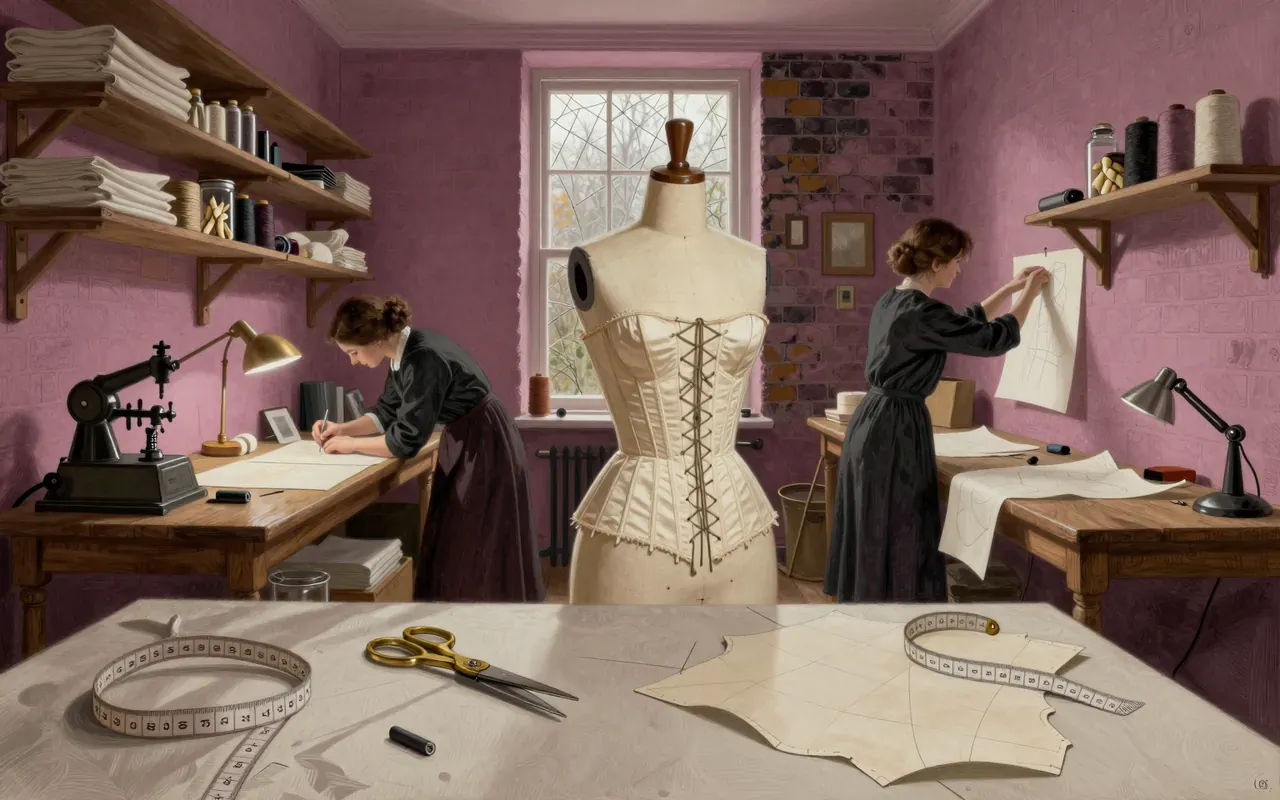
A garment that shaped bodies, then language, then medicine—and never stopped enforcing ideals under the guise of support.
9:11

Garter

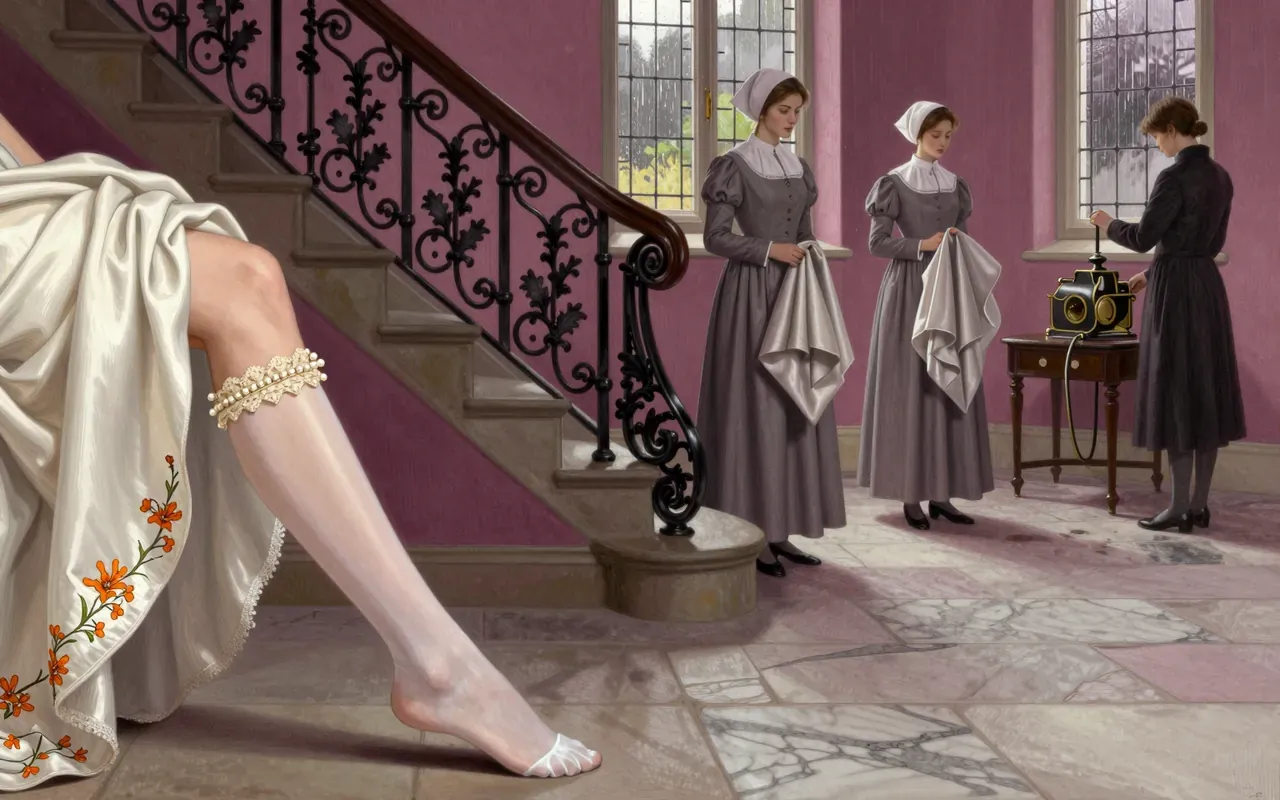
A functional strap became a wedding prop, a male fashion staple, and a Shakespearean punchline—without ever changing shape.
9:21

Petticoat

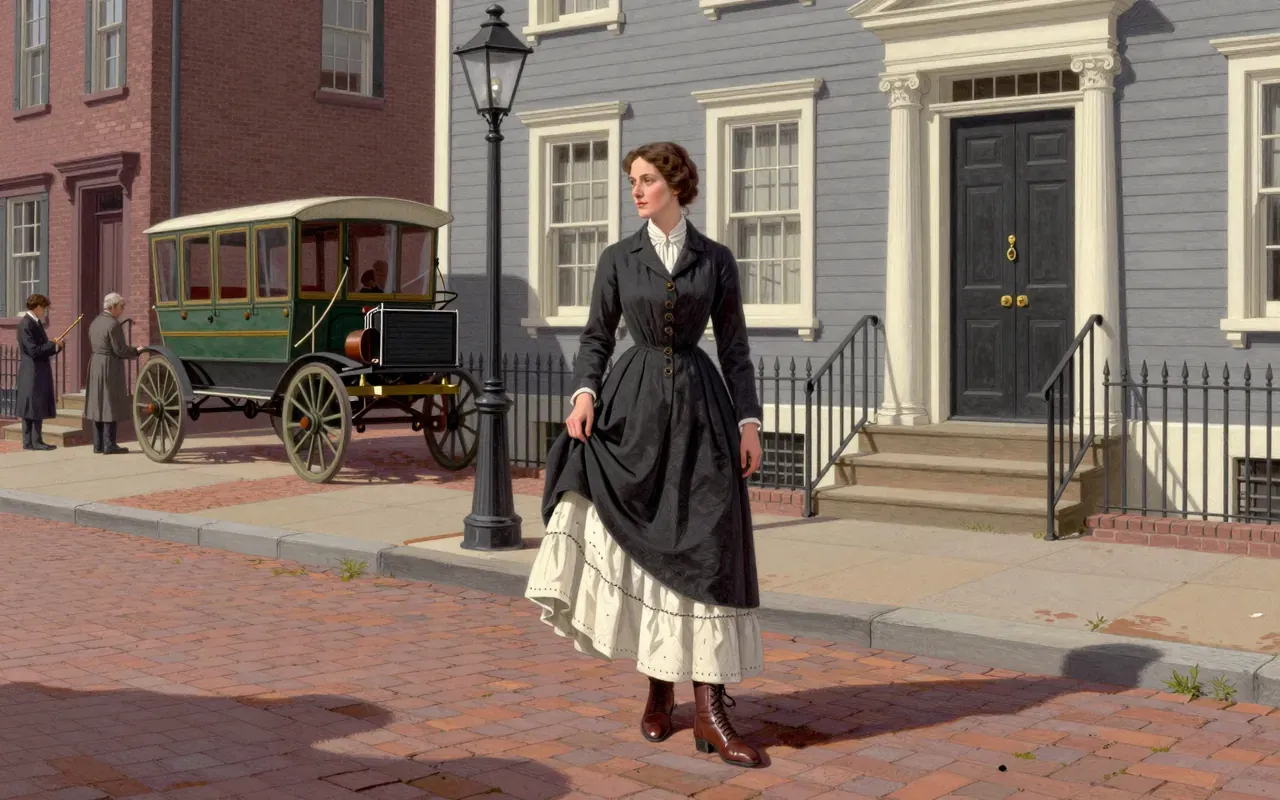
The petticoat isn’t one thing—it’s a linguistic smokescreen for centuries of shifting gender, class and cloth.
9:15

Jean Paul Gaultier

Jean Paul Gaultier

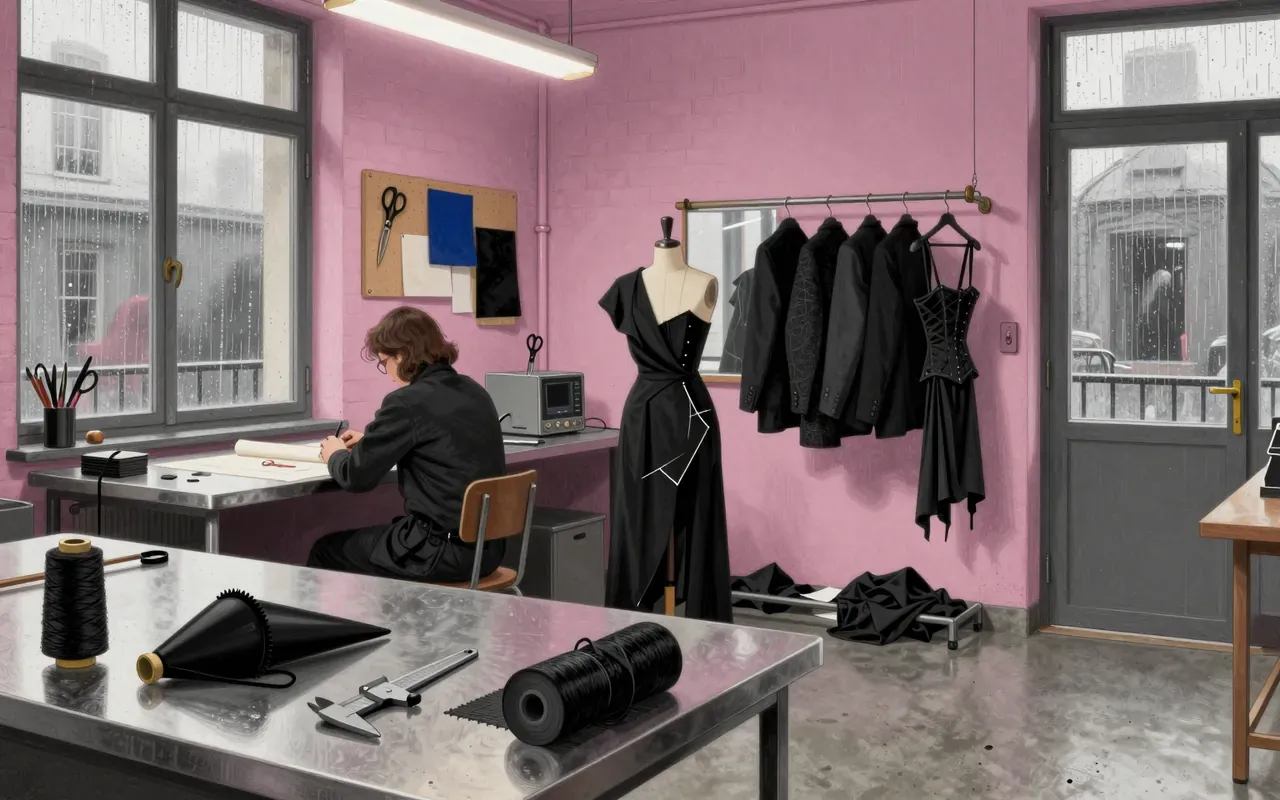
Jean Paul Gaultier is a French fashion designer who launched his first individual collection in 1976. His work uses unconventional motifs—corsets, marinières, tin cans—and materials like plastic rubbish bags. He relaunched the marinière for men in 1983, introduced men’s kilts in 1984, debuted the cone bra in 1984, and launched the 'granny grey' hair trend via his 2011 autumn/winter show. He cast older men, fat women, and tattooed models, and played with gender roles. His influence lies in material specificity and casting choices—not in founding movements or naming ideologies.