Saved
Filter

Worth your time

Our verdict was a straight yes.

361 briefs · 3390 min
8:27

Fendi

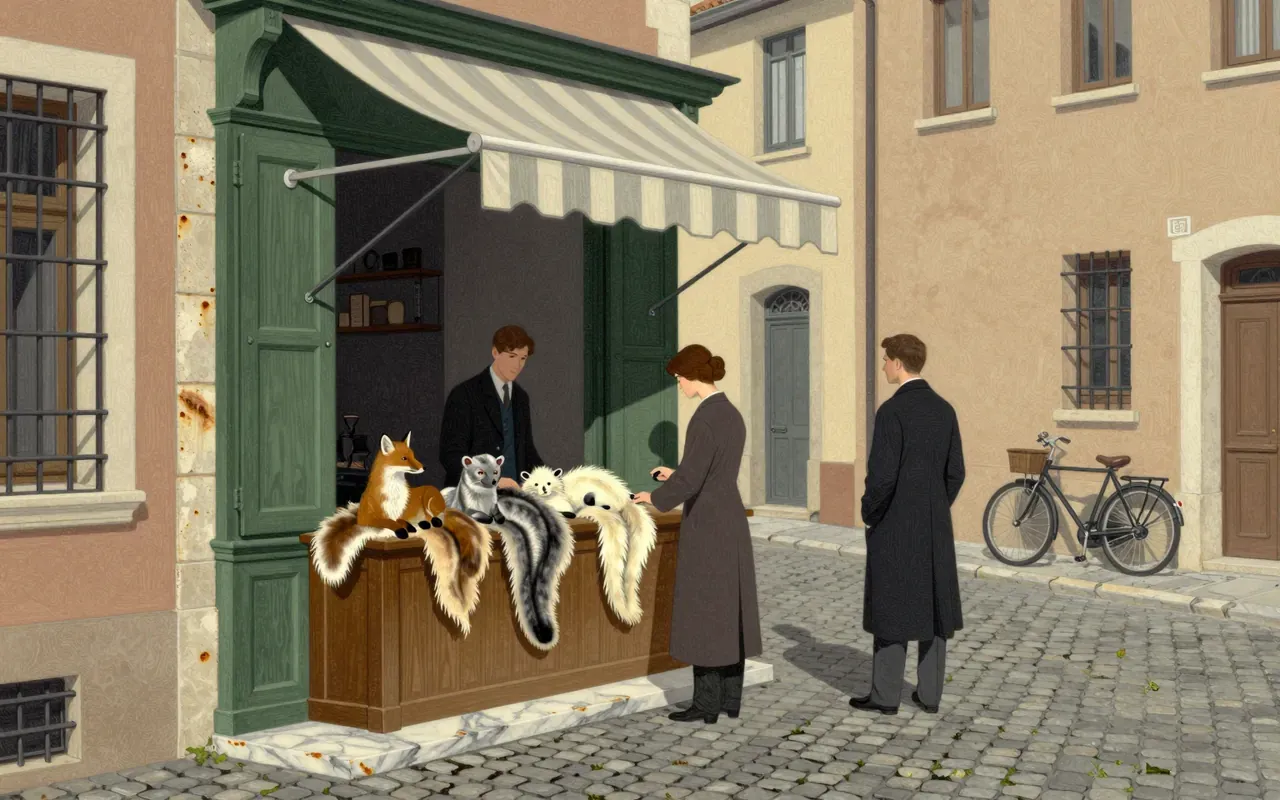
Fendi is an Italian luxury fashion house, founded in Rome in 1925 as a fur and leather shop.
8:00

Nylon

Wallace Carothers · 1935

Nylon is a family of synthetic thermoplastics characterised by amide linkages, melt-processed into fibres, films and moulded shapes. Wallace Carothers made the first one at DuPont in 1935, and women's stockings made it famous. Pure nylon's weaknesses in clothing led to blends with cotton, polyester and spandex, and pure nylon is now rarely used.

8:26

Patagonia

Patagonia, Inc. is an American outdoor clothing company founded by Yvon Chouinard in 1973 and based in Ventura, California.
9:15

Sportswear

Sportswear is a style of dress rooted in athletic clothing, built on relaxed, practical separates, and an American fashion tradition that grew into a global genre.
9:22

The bustle

The bustle is a padded undergarment or wire frame worn under the skirt at the back of a woman's dress in the mid-to-late 19th century.
10:13

Casablanca

Casablanca is a Paris fashion label, founded in 2018 by Charaf Tajer, known for après-sport clothing and hand-painted prints.
9:53

Jersey

Jersey is a knit fabric, first made of wool and now also of cotton and synthetic fibres, used for T-shirts, underwear, dresses and sportswear.
8:22

Mizuno

Mizuno is a Japanese sports equipment and sportswear company, founded in Osaka in 1906, that makes gear for sports from golf and baseball to running and rugby.
9:27

Undercover

Undercover is a Japanese fashion label founded in 1993 by Jun Takahashi as a high-end streetwear label for men, women and children.
8:29

Dirk Bikkembergs

Fashion didn’t enter the stadium—it was invited in by a designer who made players his pattern-cutters.
8:42

Engineered Garments

Engineered Garments treats American clothing like open-source code—and Daiki Suzuki is its most rigorous contributor.
11:06

Sacai

Sacai doesn’t mix casual and formal—it engineers friction between them.
10:06

Air Jordan

A shoe that broke league rules to become a retail weapon—and collapsed under its own chemistry.
9:42

Louis Vuitton

A trunk is not a bag—it is a portable vault built to survive empire-scale movement.
9:56

Louis Vuitton

Louis Vuitton didn’t invent luggage—it killed the rounded top and made stacking non-negotiable.
8:00

Louis Vuitton

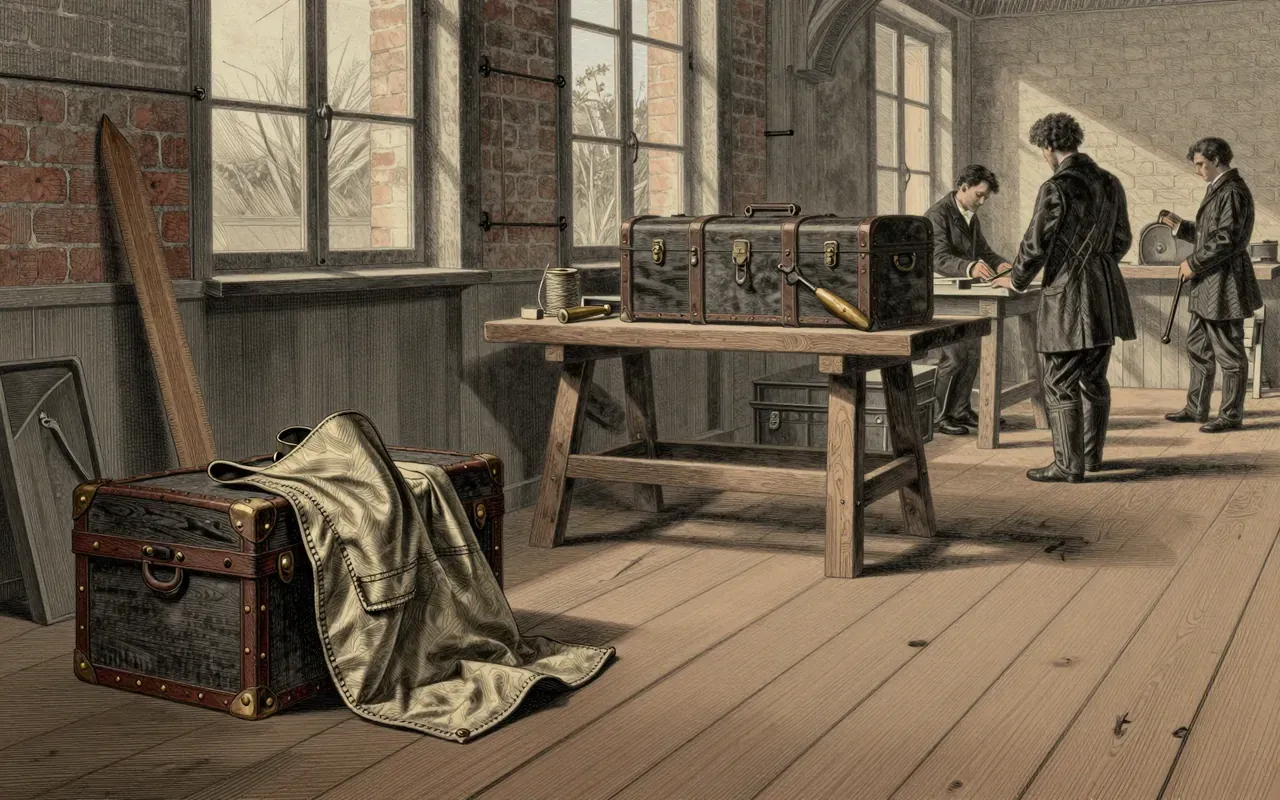
A trunk is not a bag—it’s a sovereign unit of travel, and Louis Vuitton built the first one that refused to break.
9:36

Street style

Street style is not fashion’s raw material—it is fashion’s first draft, written by the people it claims to serve.
8:57

A-2 jacket

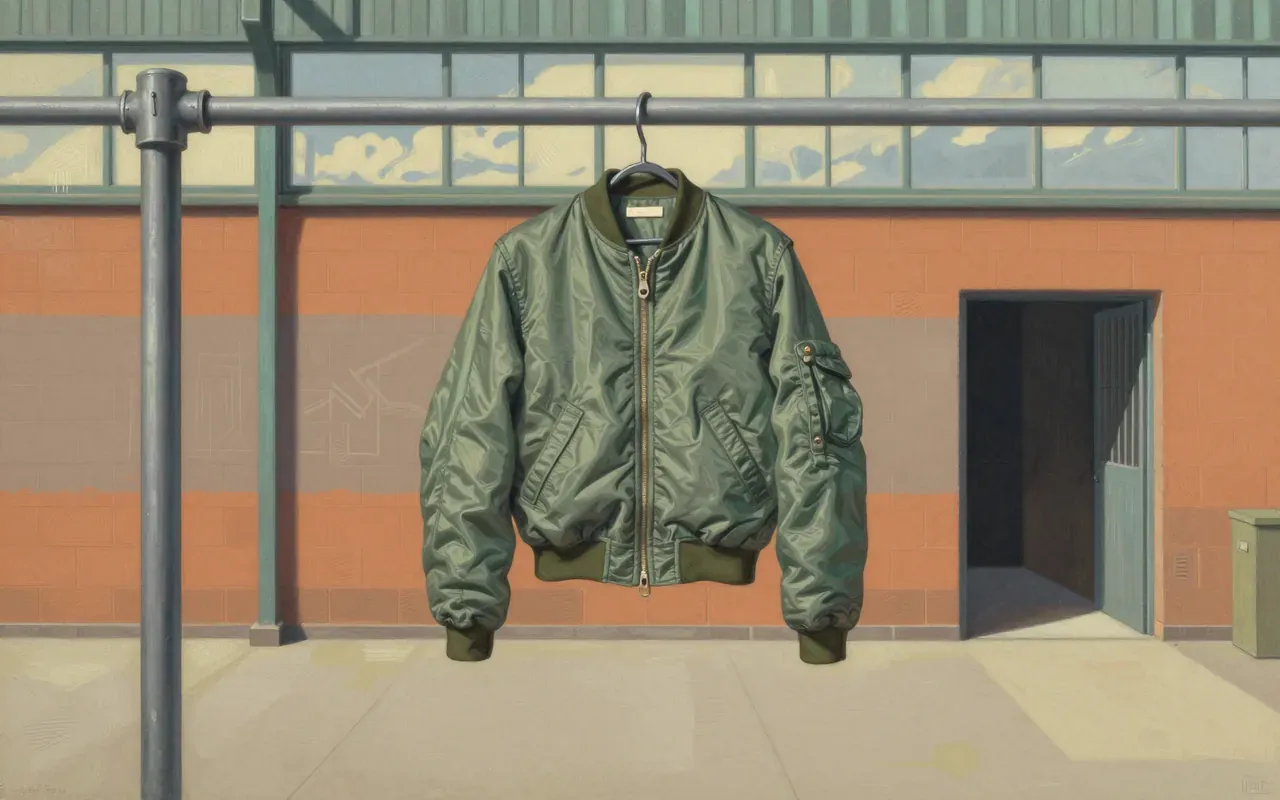
It didn’t replace the A-1—it outlived bureaucracy, supply chains, and its own cancellation.
8:02

Adidas Campus

A wider, quieter, plainer alternative to the Samba—designed for feet, not footnotes.
8:17

Adidas SL 72

A running shoe that traded structure for speed—and put the trefoil on feet for the first time.
8:50

Alpaca

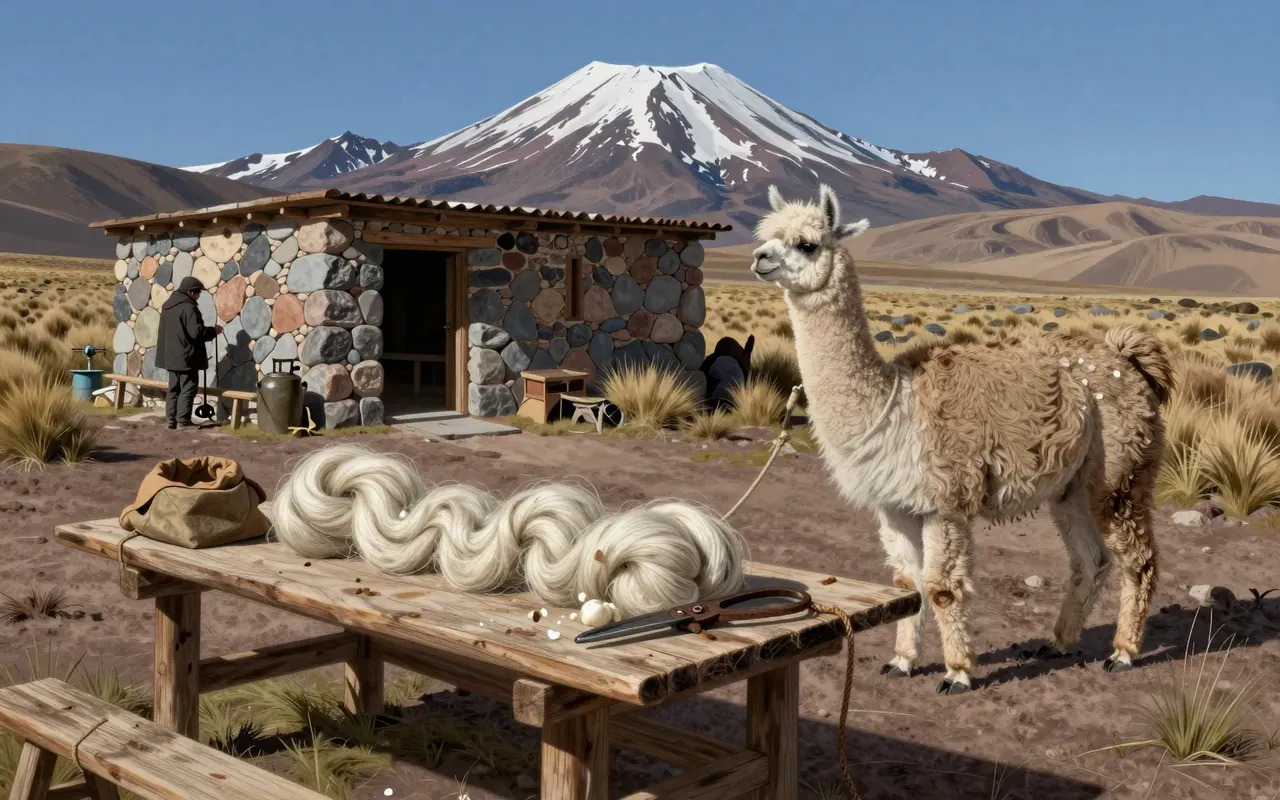
Alpaca isn’t a fabric — it’s a geography, a species, and two fibre types that refuse to behave like wool.
9:56

Amiri

Amiri didn’t reinvent luxury—it rerouted its pipeline from Paris to LA and back again.
9:24

Asics

A Latin motto made literal—not through slogans, but through gel, geometry, and Kobe-based biomechanics.
11:12

Balenciaga

Cristóbal Balenciaga · 1917

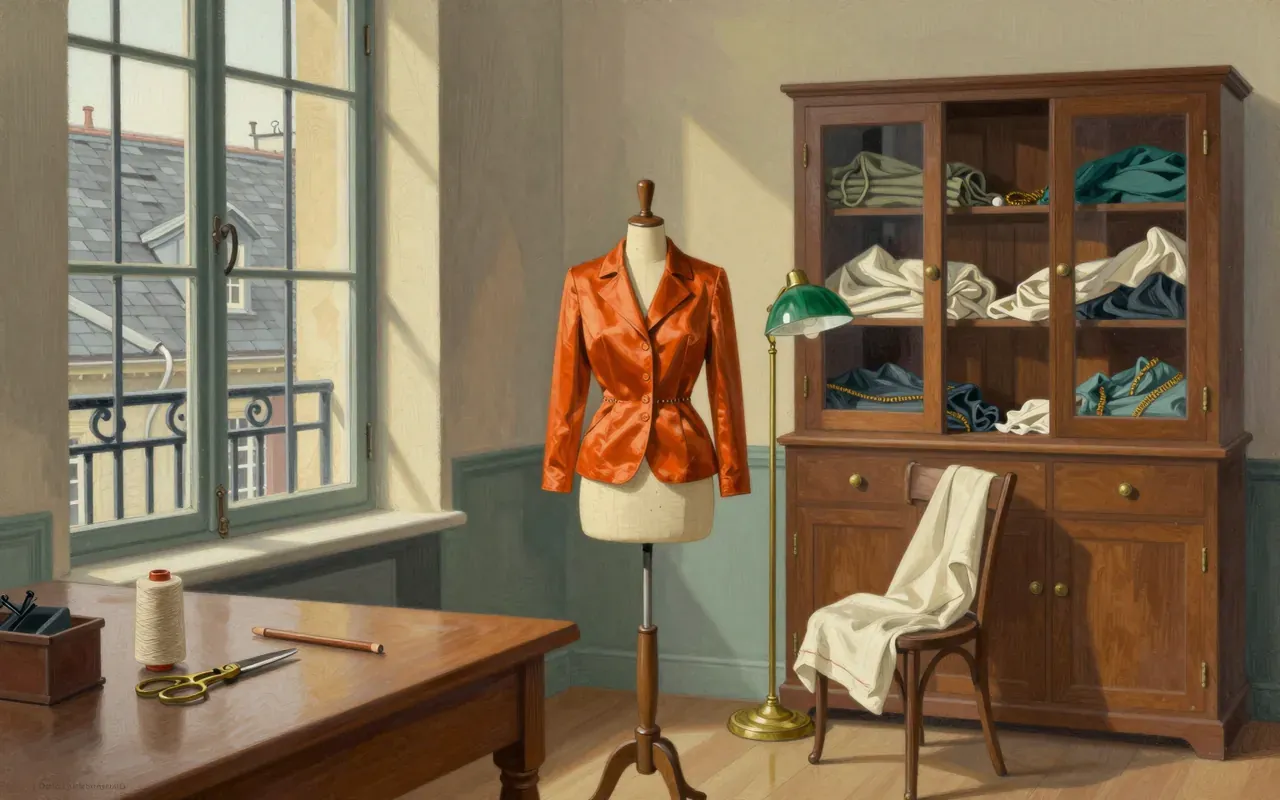
Balenciaga is a Spanish luxury fashion house founded in San Sebastián in 1919 and established in Paris in 1937. Its foundational innovation lay in radical silhouette transformation—broadening shoulders, removing waists, introducing tunic and chemise dresses, and culminating in the kimono-cut Empire line. This constituted its most important contribution: a new silhouette for women. To protect design integrity, Balenciaga shifted press showings to the day before retail delivery in 1957, defying industry norms and resisting both press expectations and the Chambre Syndicale de la Haute Couture Parisienne, of which he was never a member.

9:36

Boglioli

Tailoring without scaffolding: Boglioli’s jacket dyes its way out of tradition.
8:18

Marinière

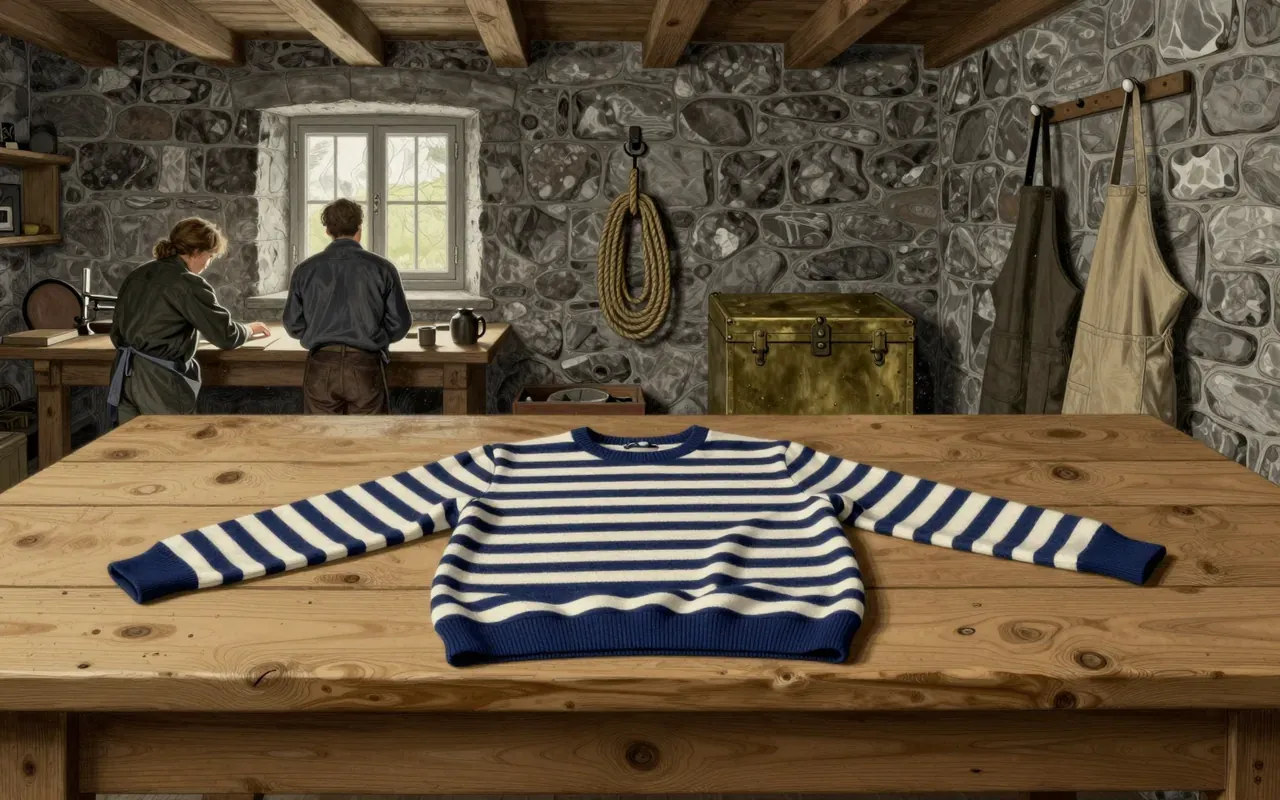
A naval visibility tool that became fashion’s most obedient rebel.
8:45

Brooks Brothers

Brooks Brothers didn’t invent American style—it built its wardrobe like a factory: precise, repeatable, and indifferent to the body.
10:39

Canali

Canali didn’t invent Italian tailoring — it industrialised its authority.
10:44

Cashmere wool

Cashmere regulates temperature and absorbs moisture — but it cannot regulate its own supply chain.
9:44

Celine (brand)

Celine began not with clothes, but with children’s shoes — and never stopped thinking like a bootmaker.
9:29

Christian Dior

Dior didn’t liberate women—he re-enchanted them with structure, season by season.
9:56

Cordura

DuPont's 1929 tyre-cord rayon, turned into the tough fabric of motorcycle trousers and military packs.
9:48

Corneliani

Corneliani is not Italian elegance—it is Italian engineering applied to the suit.
9:17

Dazed

Dazed is not a magazine—it’s a publishing posture: student-made, colour-switched, club-promoted, and never sold off.
9:26

Descente

Descente doesn’t make clothes — it builds wearable physics labs for bodies moving at speed in extreme cold.
9:10

Donegal tweed

Donegal tweed is not Irish wool — it’s a label borrowed from a place, then detached from it.
9:36

Armani

Armani is not a style—it’s a logistical doctrine dressed as tailoring.
9:06

Evisu

A denim label whose hand-painted seagull became a legal liability before it became a logo.
9:16

Fashion blog

Fashion blogs didn’t just report on trends—they rewired who gets to set them.
9:05

Fiorucci

Fiorucci didn’t sell clothes—it sold permission to import culture.
9:24

Polar fleece

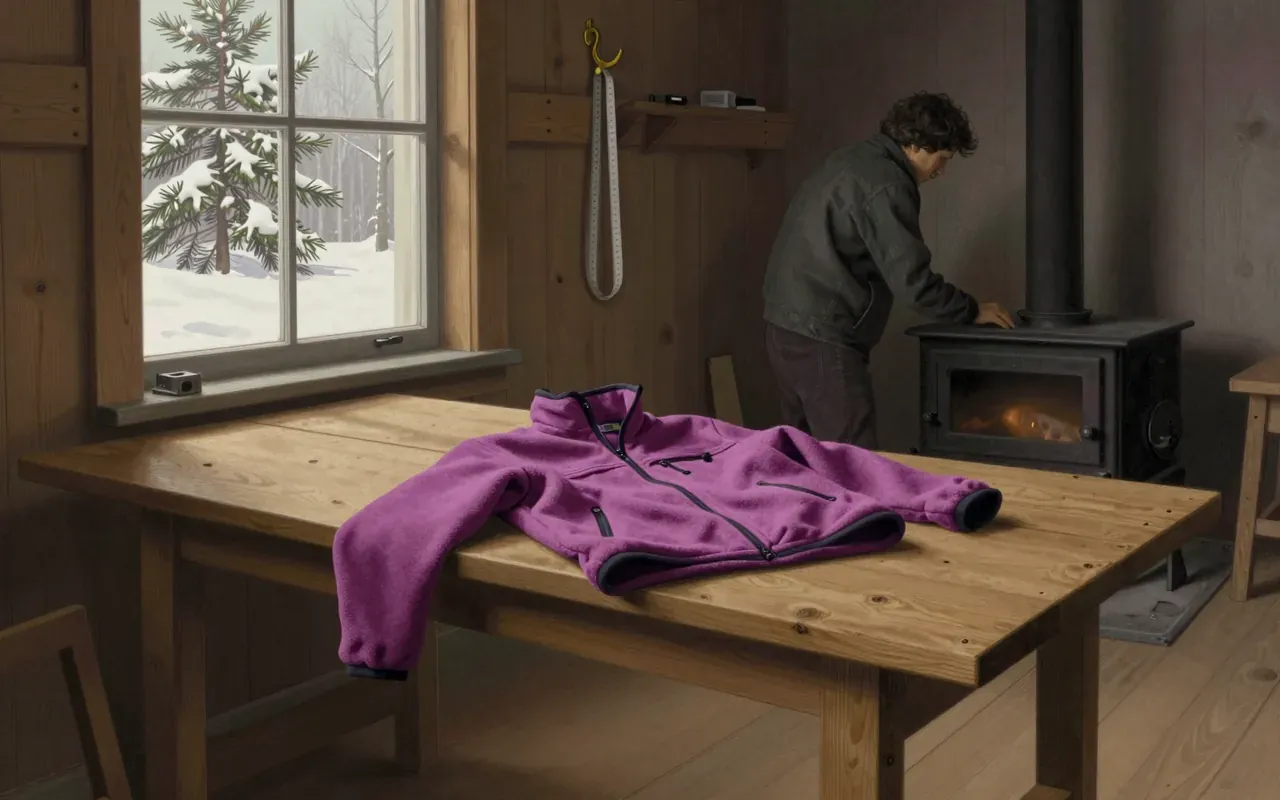
Fleece liberated warmth from wool—and trapped us in static, shedding, and wet-weather failure.
9:37

Ganni

Ganni is not a bridge between fast fashion and couture—it’s the first brand to name that gap as its address.
9:19

Goyard

A Paris trunk maker since 1853, and the house that made its own canvas, Goyardine, its signature.
9:36

Guy Laroche

Guy Laroche made couture you could wear to lunch—and still be remembered after dessert.
9:32

Birkin bag

A bag designed for diapers became a lockbox for status — its function buried under its own exclusivity.
8:58

Kelly bag

A bag that trades utility for authority—and makes you wait for both.
9:42

Isaia

Isaia tailoring doesn’t hide from the sun—it fights back with colour and coral.
9:18

Ivy League (clothes)

Ivy League clothing was not rebellion—it was recalibration: sportswear stripped of sport, tailoring stripped of tension, class stripped of ceremony.
10:06

Jeanne Paquin

Paquin was not a seamstress — she was the first woman to run French fashion like a sovereign.
10:40

Kate Moss

Kate Moss didn’t design clothes—she licensed a silhouette, a stitch, and a letter.
9:25

Kith (brand)

Kith isn’t a clothing brand—it’s a retail operating system disguised as streetwear.
8:53

Lee (brand)

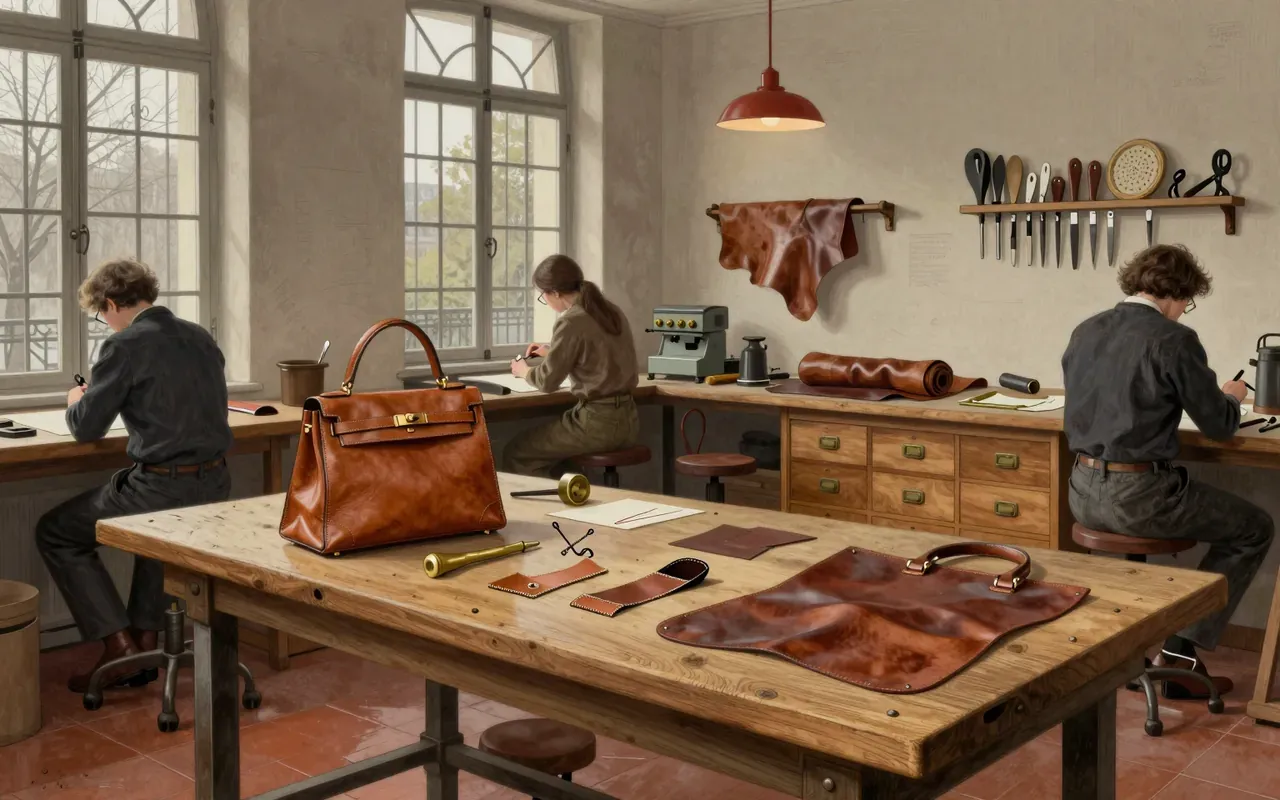
Lee built workwear like infrastructure—not to be seen, but to hold up the body’s labour.
9:59

Spandex

Spandex gives clothes their grip—but kills their afterlife.
9:43

Marni (brand)

Marni trades in intelligent discomfort — and has done so since its fur-trade origins demanded it.
8:17

Martin Margiela

Martin Margiela

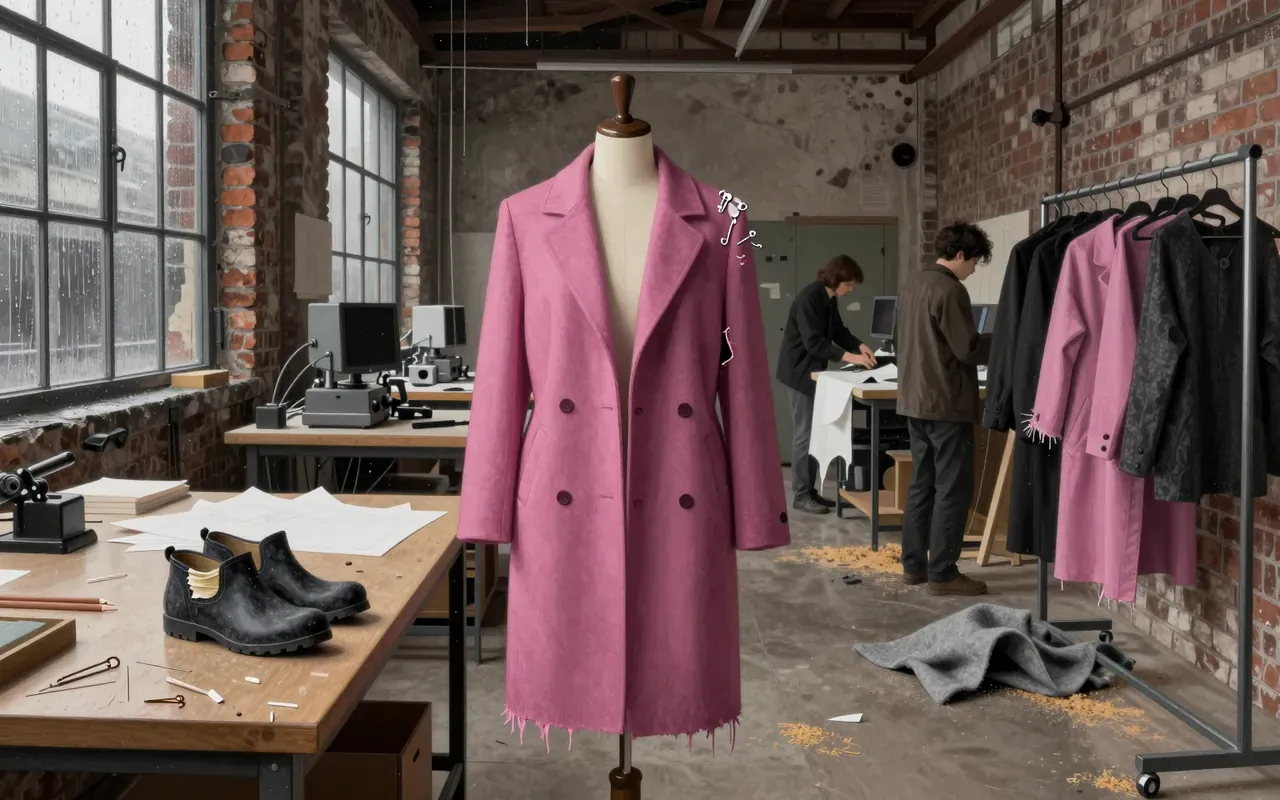
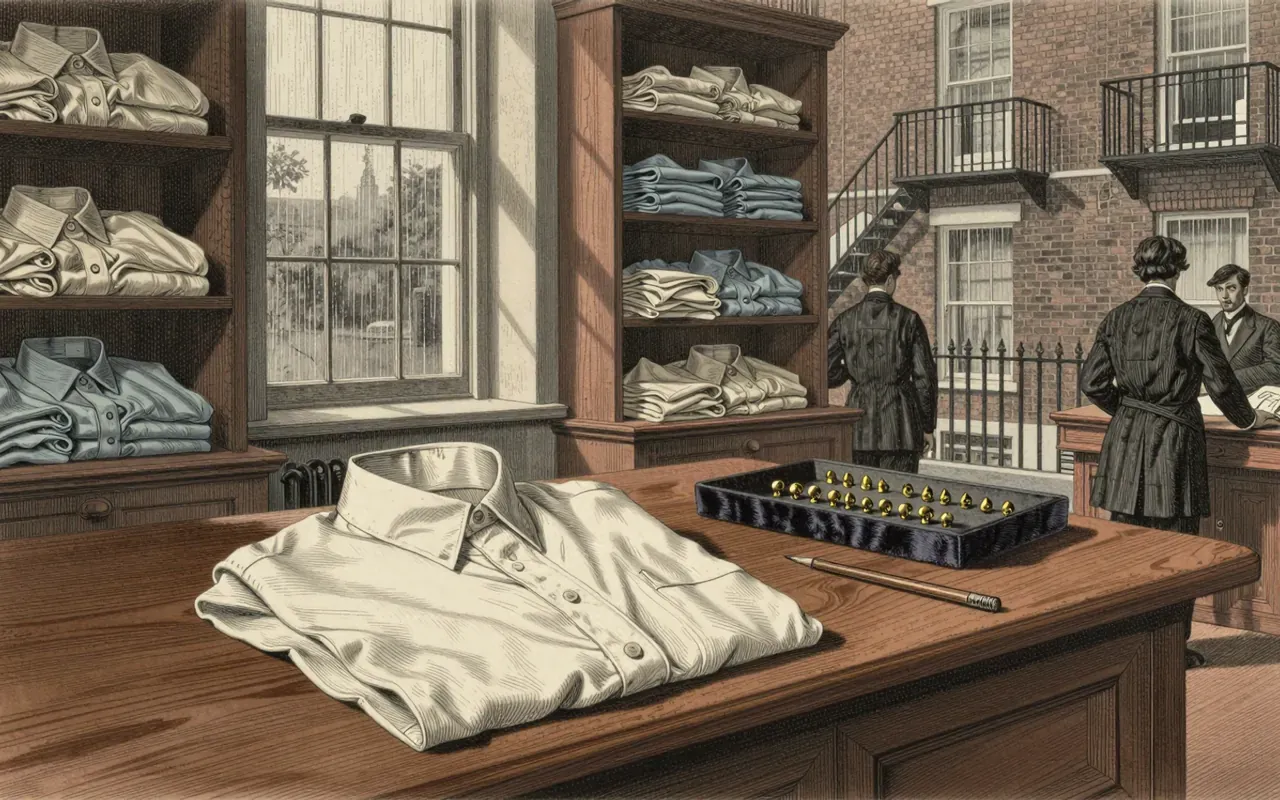
Maison Martin Margiela is a fashion house founded in 1988 in Paris through a collaborative venture with Jenny Meirens. Its debut show took place in fall 1989 at a derelict playground in a North African neighborhood on the outskirts of Paris. The show used an uneven runway and intentionally stumbling models to create a shocking public spectacle. The debut collection rejected contemporaneous extravagance in favour of ripped sleeves, frayed hems, and clumpy shoes. Local children hand-drew invitations in school art classes and sat in the front row to honour the community. The label’s trademark is a cloth badge numbered 0–23, attached with four small white tack stitches, exposed externally on unlined garments. Margiela consistently remained backstage and declined to take a bow after shows, distinguishing himself from peers. From 1988 onward, Margiela refused all formal interviews and photographic appearances.
9:16

Missoni

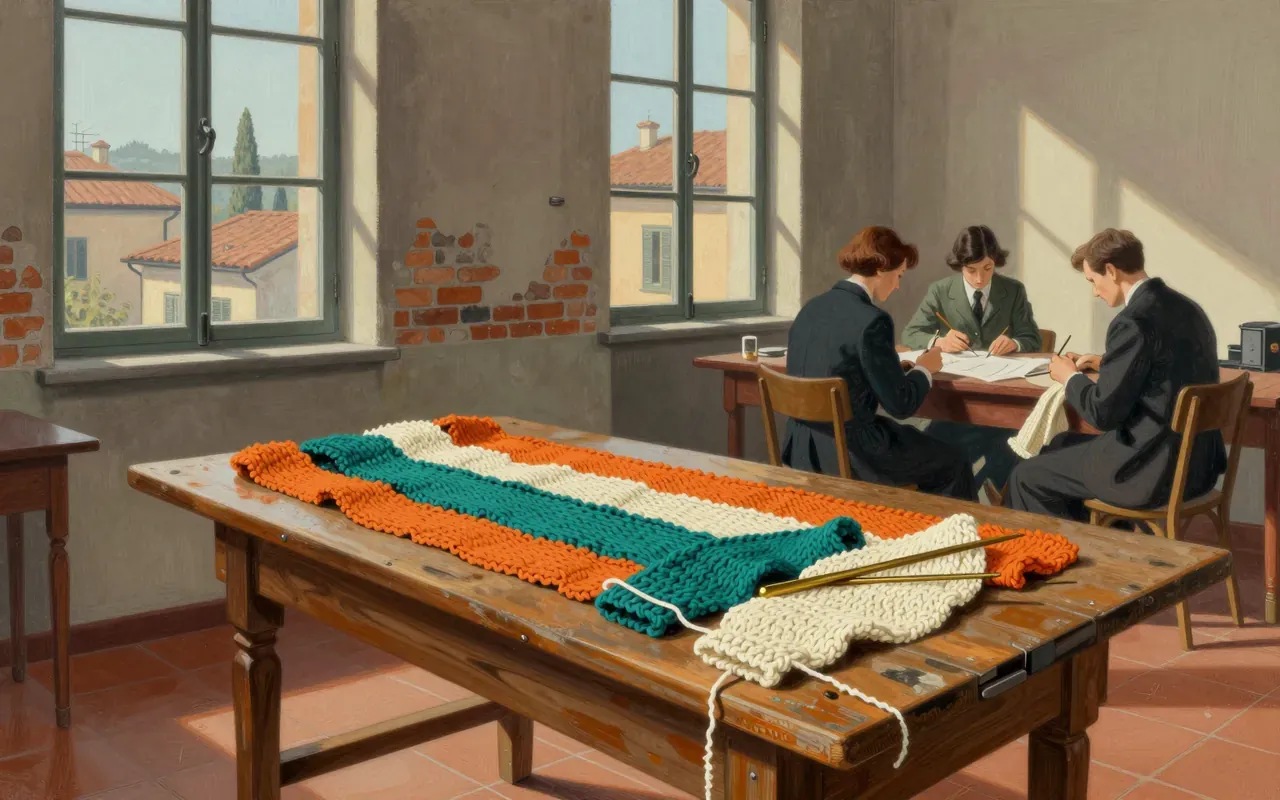
Missoni didn’t make sweaters—it weaponised knit structure.
9:12

Mulberry Group

Roger Saul · 1971

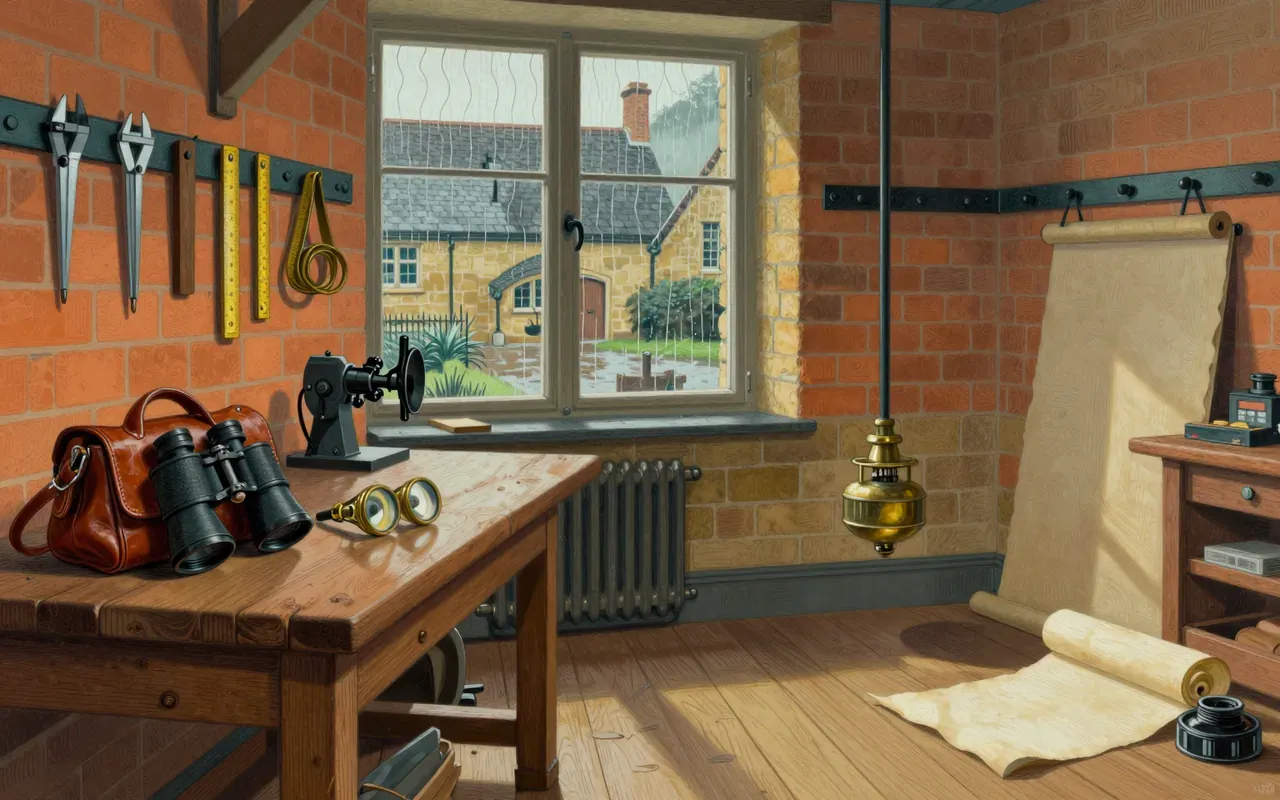
Mulberry Group was founded in 1971 by Roger Saul and his mother Joan as a British leather goods company. It built its reputation on functional poacher bags—the binocular and dispatch bags—rooted in rural utility rather than urban display. Production began in Somerset in 1973 and remains anchored there for core designer leather goods, while men’s bags and small leather goods are made in Turkey and China respectively. An apprenticeship programme launched in 2006 trains local youths for Somerset factory roles, with job offers extended to graduates. Mulberry’s strength lies in its material honesty and regional continuity; its compromise is the fragmentation of its making across geographies and standards.
9:20

Nike Dunk

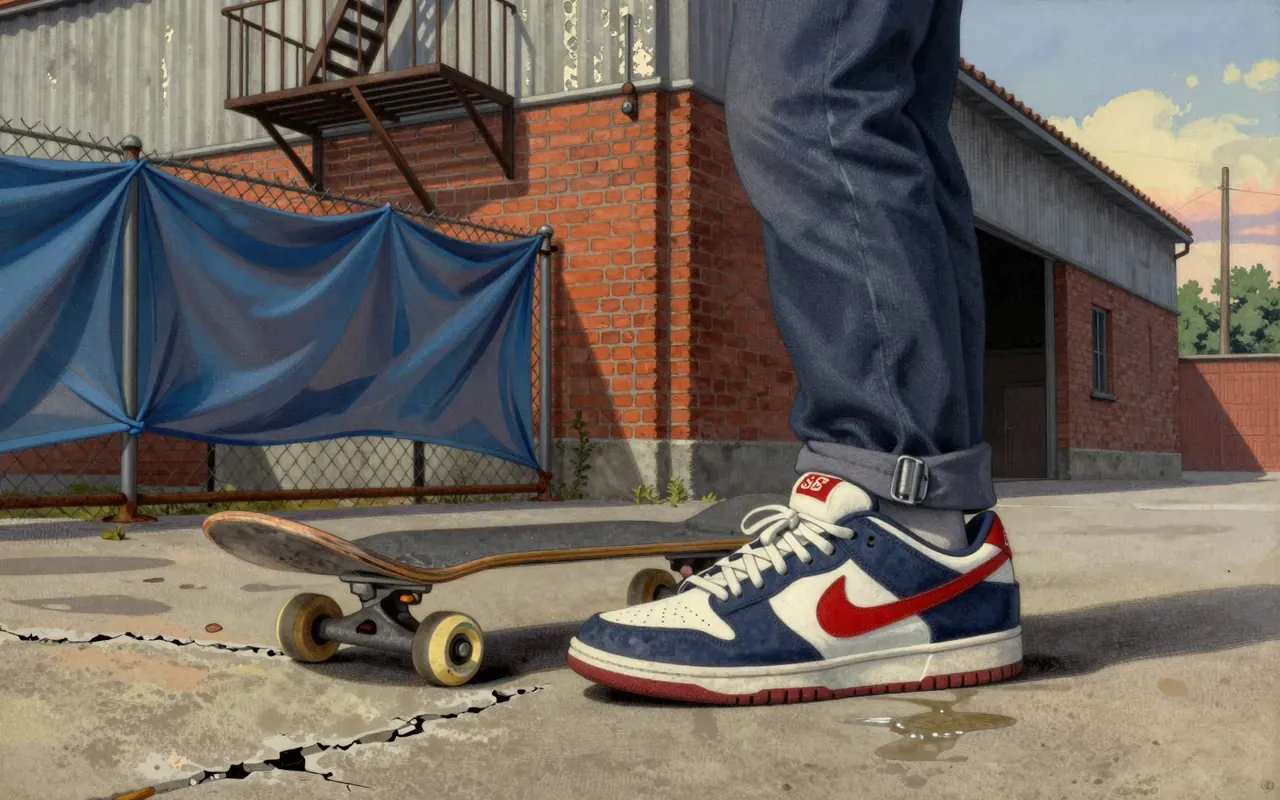
A basketball shoe that won a second life by wearing university colours like uniforms—and treating skaters like athletes.
9:12

Noah (brand)

Noah stitches Long Island breezes, New Wave static, and Thursday-morning discipline into menswear — no nostalgia, no excuses.
10:05

Pierre Cardin

Cardin didn’t dress bodies—he dressed ideas, and they still don’t fit comfortably.
9:51

Preppy

Preppy isn’t style — it’s a class passport stamped at boarding school.
9:17

Puma Suede

The first luxury-material sneaker wasn’t aspirational—it was tactical.
7:48

Rubinacci

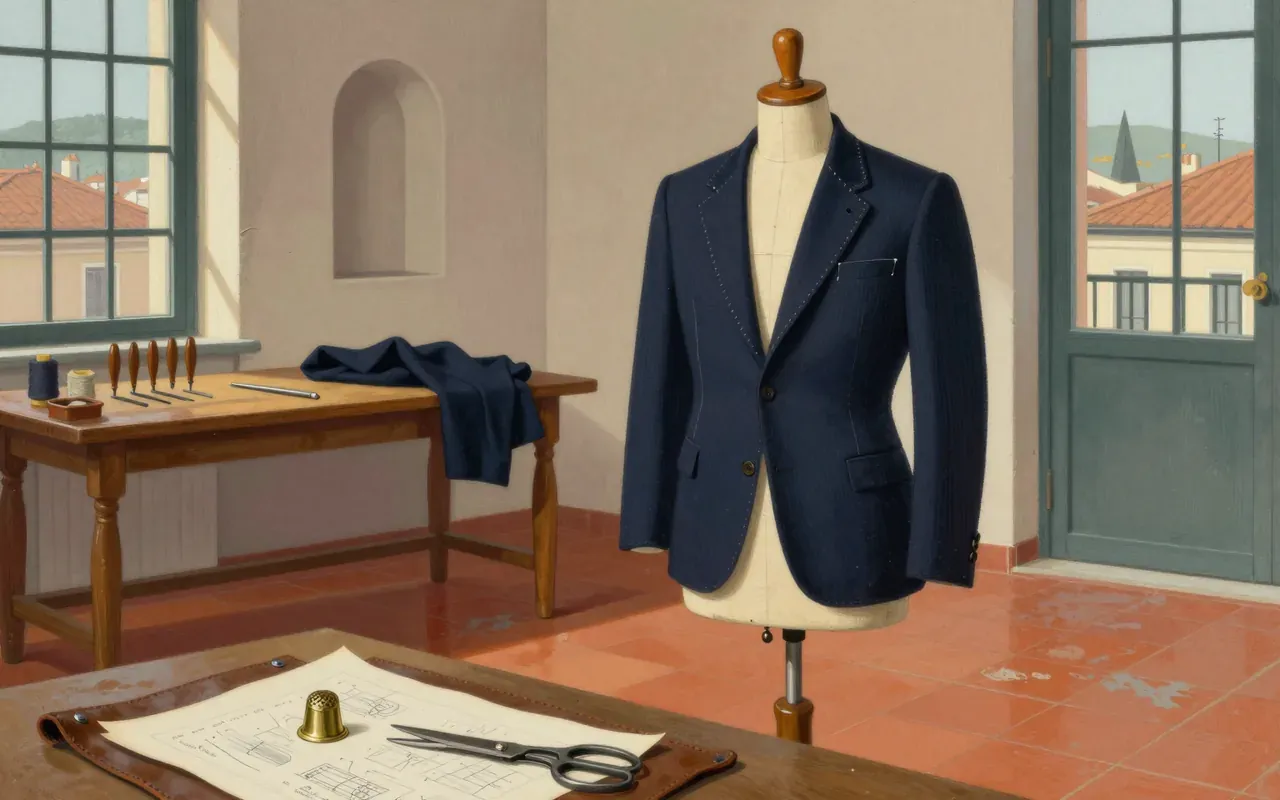
Rubinacci invented the unstructured jacket not as rebellion—but as precision for real life.
9:37

Slip dress

It is not lingerie pretending to be clothing—it is clothing that rewrites lingerie’s grammar.
10:15

Sloane Ranger

A journalistic label masquerading as a wardrobe — and it never had a single stitch.
8:51

Supreme (brand)

James Jebbia · 1994

Supreme is a retail system disguised as a clothing brand. Its power lies in timing, placement, and repetition—not fabric innovation or silhouette evolution. It answers to skate culture’s immediacy, not fashion’s longevity. It belongs in wardrobes that speak in slogans, not stories.
9:32

The Attico

A dressing gown label that learned how to walk before it learned how to run — and still hasn’t learned how to stand still.
10:05

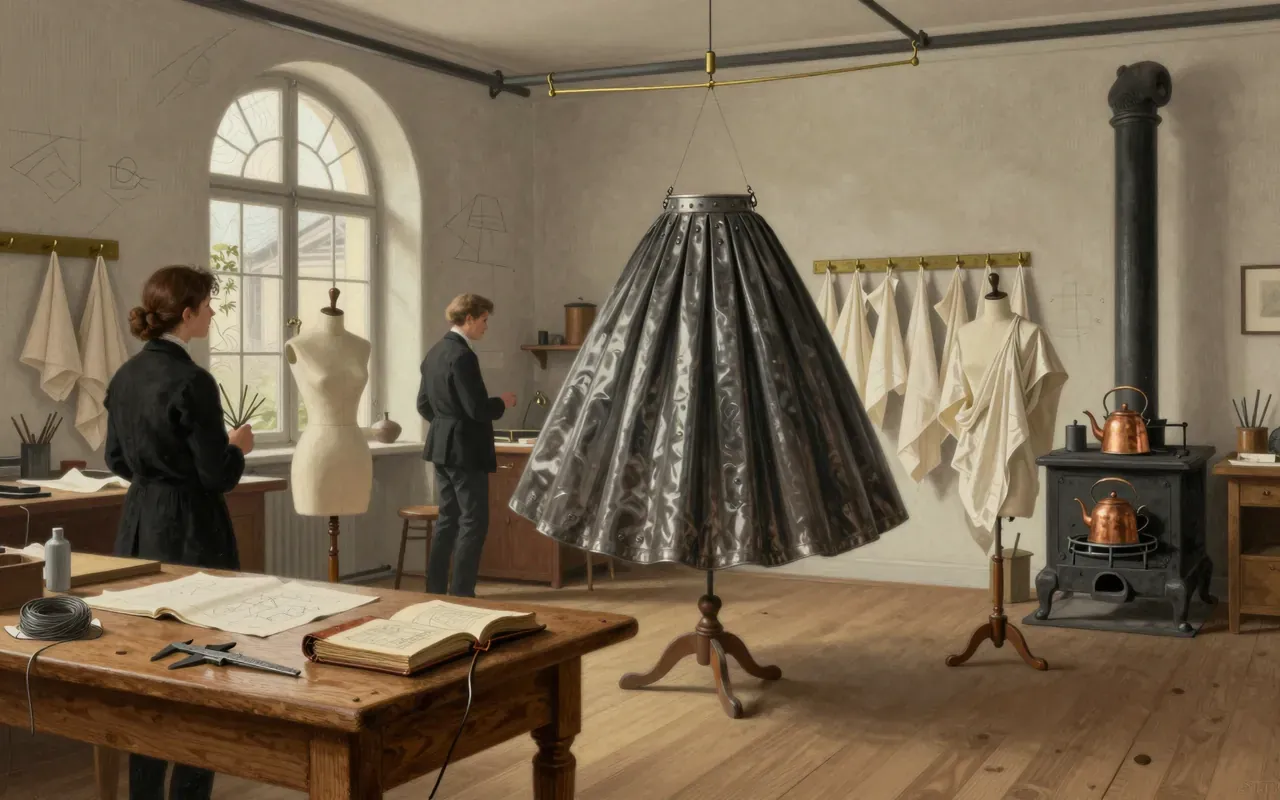
Hoop skirt

The first mass-class undergarment that traded comfort for silhouette — and won.
9:27

Pea coat

A pea coat isn’t versatile—it’s a 300-year-old solution to one problem: staying upright on a pitching deck in gale-force wind.
10:32

The Row (fashion label)

Mary-Kate and Ashley Olsen · 2006

The Row is a fashion house built on subtraction: no names, no interviews, no deviation from material specificity. Its first collection—seven pieces, all purchased by Barneys New York—proved that luxury could be silent, rigorous and commercially viable without spectacle.

10:00

Thawb

A formal robe built for heat, hierarchy and holiness—not comfort, change or universality.
9:20

Tsumori Chisato

Tsumori Chisato

Tsumori Chisato is a ready-to-wear fashion house defined by hand-painted print as primary structure, launched in 1990 after formative work in Issey Miyake’s sports line, relocated to Paris in 2003 with menswear introduced concurrently, and sustained by a transnational dialogue between Tokyo-rooted references and Paris presentation.

8:06

A Bathing Ape

A brand named after lazy opulence that built scarcity into its DNA — and made it profitable.
8:21

AMI Paris

AMI Paris is not about revolution — it’s about making Marc Jacobs–level cashmere sweaters affordable to the person who designed them.
9:46

Chloé

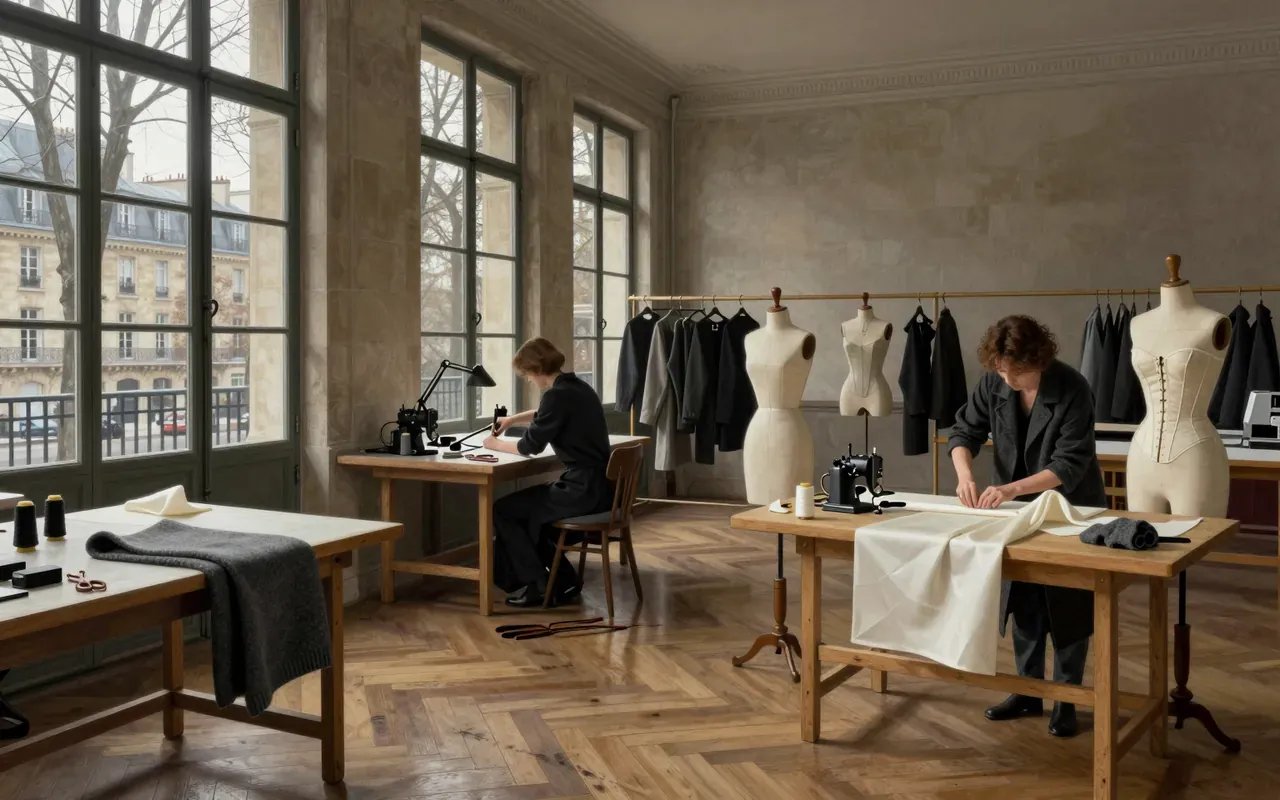
Chloé didn’t make clothes first—it made a new kind of fashion company.
9:05

Cotton

Cotton is not clothing—it’s the first textile that let humans wear climate, not armour.
8:14

Ellesse

Ellesse didn’t invent sportswear fashion—but it put the logo where everyone could see it, and got the pants into the Pompidou.
8:38

Fashion week

Fashion week is logistics disguised as spectacle — and it still answers to no one but itself.
8:40

Giambattista Valli

A non-French couture house in Paris that earned its place by showing up — not by rewriting the rules.
9:11

Gieves & Hawkes

Savile Row’s oldest uniform-maker doesn’t sell style—it sells sanctioned authority.
9:42

Gore-Tex

A 1969 accident with heated PTFE gave us waterproof breathability—and a lifetime of environmental debt.
9:42

Harper's Bazaar

The longest-running women’s fashion magazine isn’t a relic—it’s a live wire of editorial reinvention, wired straight from 1867.
10:40

Helly Hansen

This wasn’t fashion—it was seam-sealed survival, stitched by hand for men who’d drown if it failed.
10:05

Hysteric Glamour

A Tokyo label that weaponised Western counterculture—and never let the clothes catch up to the graphics.
9:35

I-D

A wink is not charm—it’s a contract. i-D made it the only rule that never changed.
9:21

J.Crew

J.Crew is a typography-driven sales system dressed as a clothing brand.
11:25

Jerry Lorenzo

Fear of God is not streetwear dressed up — it is belief, baseball, and grunge made wearable as quiet doctrine.
8:46

Kevlar

Kevlar isn’t clothing — it’s calibrated refusal: a fibre that says no to bullets, no to steel, and no to comfort.
8:58

Lacoste

Lacoste didn’t invent sportswear—it weaponised the logo.
9:51

Lanvin

Romance is not decoration — it is discipline, and Lanvin built it stitch by stitch.
9:41

Levi Strauss & Co.

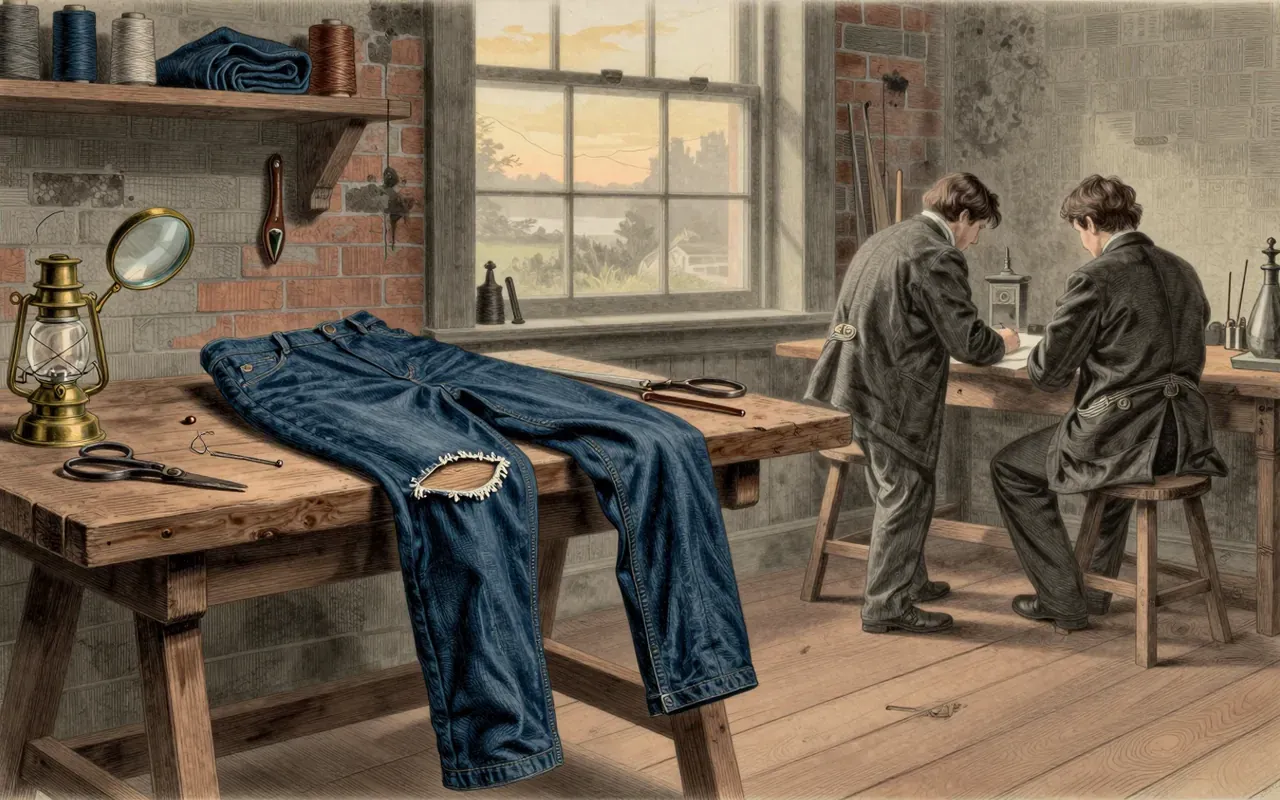
Denim’s first functional patent wasn’t about style—it was about stopping seams from splitting on a gold miner’s thigh.
8:48

Miniskirt

A garment that replaced suspenders with tights—and respectability with legroom.
10:24

Moschino

Moschino doesn’t dress bodies—it weaponises them as billboards for camp, copyright lawsuits, and ecological yearning.
9:13

Nautica

Nautica didn’t sell the sea—it sold the idea of the sea as a clean, calm, controllable aesthetic.
9:44

Oscar de la Renta

Elegance is not inherited — it’s engineered, and de la Renta built it for Kennedy’s shoulders, not history’s.
9:45

Ripstop

Ripstop doesn’t drape — it defends. And it does so with a grid you can feel but never ignore.
9:54

Satin

Satin trades durability for dazzle — and refuses to apologise.
10:16

Sergio Tacchini

Tacchini didn’t invent sportswear fashion—he weaponised it against tennis tradition, then lost control of the brand he built.
8:07

Silk

Silk is not luxury—it’s a protein filament engineered by moths, refined by boiling, and weakened by sweat.
10:24

Stüssy

A surfboard signature, copied from an uncle’s hand, became a fashion house — not by design, but by distribution from a car.
9:08

Antwerp Six

They were never a movement—just six designers, one van, and a press corps that couldn’t say their names.
7:55

Department store

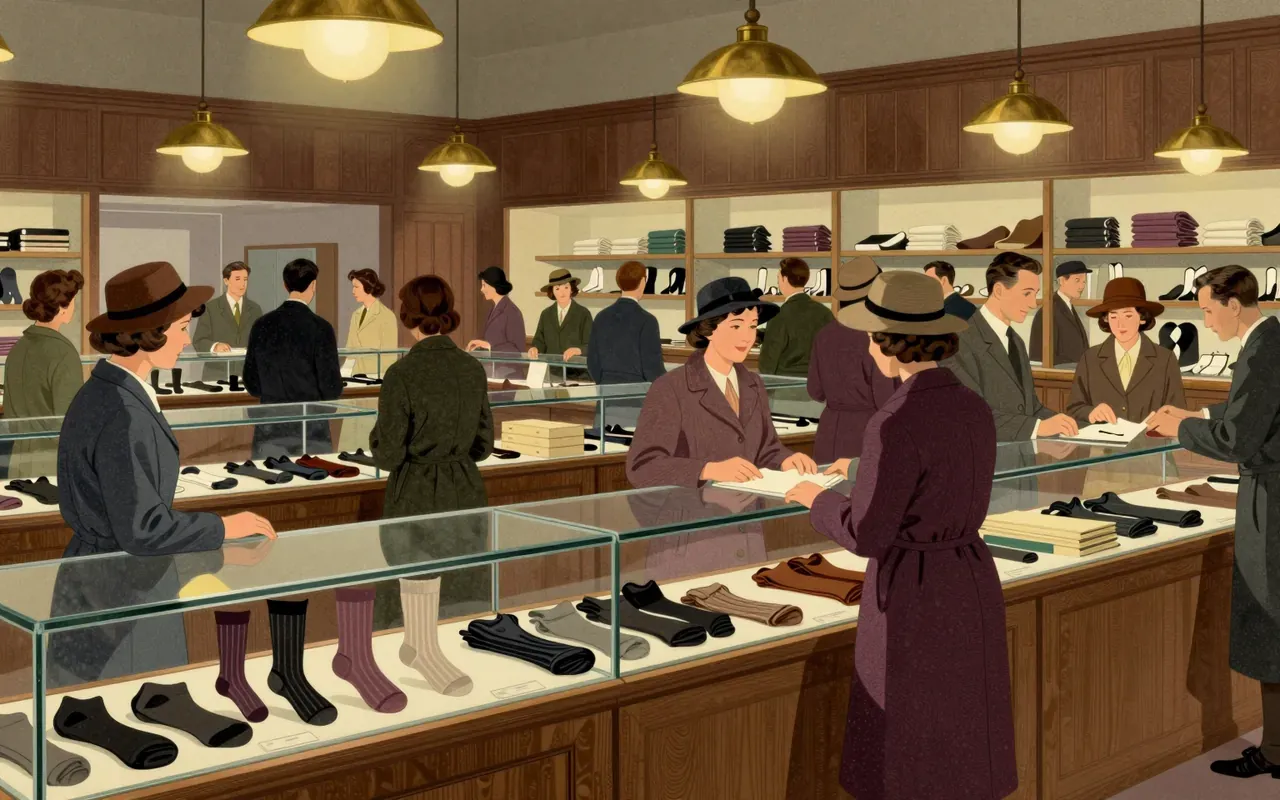
The department store was built for women to walk alone—and it succeeded by making commerce legible, not luxurious.
9:26

Versace

Versace didn’t make clothes for bodies—it made them for entrances.
8:00

Wool

Wool doesn’t drape—it defends. And it does so with keratin, crimp, and a third-of-its-weight thirst for water.
9:16

Zegna

Zegna didn’t make suits — it built wool-based operating systems for the human frame.
8:50

Adidas Gazelle

Suede was never meant to be pretty—it was meant to grip, bend, and breathe. The Gazelle proved it.
8:15

Adidas Samba

A winter trainer that never warmed up to comfort—and became sharper for it.
9:32

Aimé Leon Dore

Post-streetwear isn’t a trend—it’s a recalibration of where heritage ends and the block begins.
9:58

Athleisure

Athleisure is not relaxation—it’s rearmament for daily life in technical fabric.
9:03

Belstaff

Wax cotton wasn’t invented for fashion—it was bolted onto jackets to keep riders dry while leaning into corners.
11:10

Bill Blass

Bill Blass didn’t dress women for the red carpet—he dressed them for the rest of their lives.
9:49

Burberry

A war coat that refused demobilisation—and made utility legible as authority.
8:44

Chrome Hearts

A leather jacket built to declare, not disguise — Hollywood-made, silver-studded, and uncompromisingly loud.
9:29

Church's

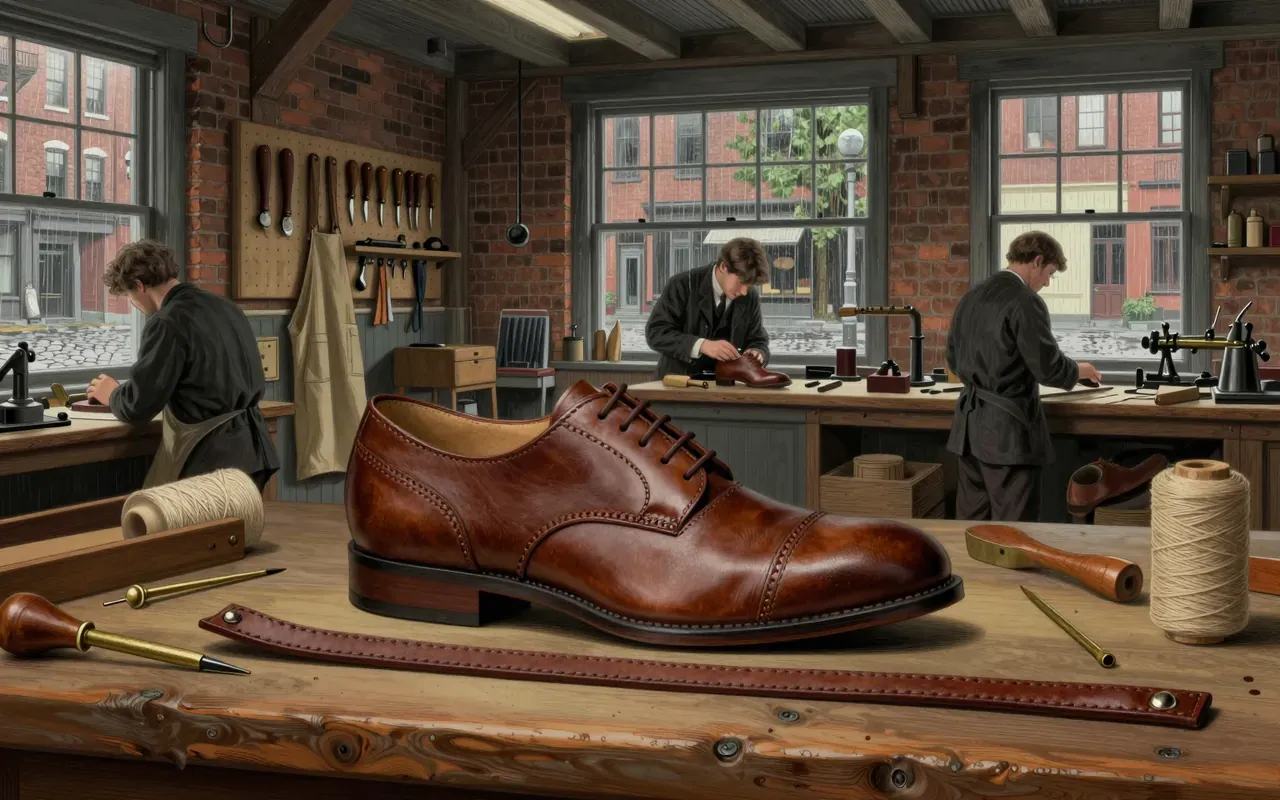
Church's shoes are heavy by design — and that weight is their only unbroken promise.
9:34

Coco Chanel

Chanel didn’t liberate women’s bodies—she outsourced their discipline to jersey.
9:58

Corduroy

Corduroy isn’t soft — it’s engineered resistance disguised as warmth.
9:27

Dickies

Dickies didn’t invent workwear—it weaponised repetition.
11:16

Lady Dior

A rigid black box that turned furniture caning into a global status signal—and made Dior a leather goods house overnight.
8:26

Dolce & Gabbana

A slip built like a corset, shot like a neorealist film—this dress refuses to be background.
8:32

Donna Karan

Donna Karan didn’t design clothes — she designed a wearable operating system.
9:33

Etro

Paisley is not a print—it’s Etro’s operating system.
8:58

Flannel

Flannel is softness engineered—not into luxury, but into utility.
7:33

Fred Perry

A sweatband stretched over the torso—and stamped with Wimbledon’s laurel—became fashion’s first licensed sportswear Trojan horse.
8:18

Geoffrey Beene

Dressy doesn’t require discomfort—and Beene proved it with sweatshirt fabric and couture lines.
9:34

Gorpcore

Gorpcore isn’t about the mountains—it’s about wearing the map without ever leaving the flat.
8:59

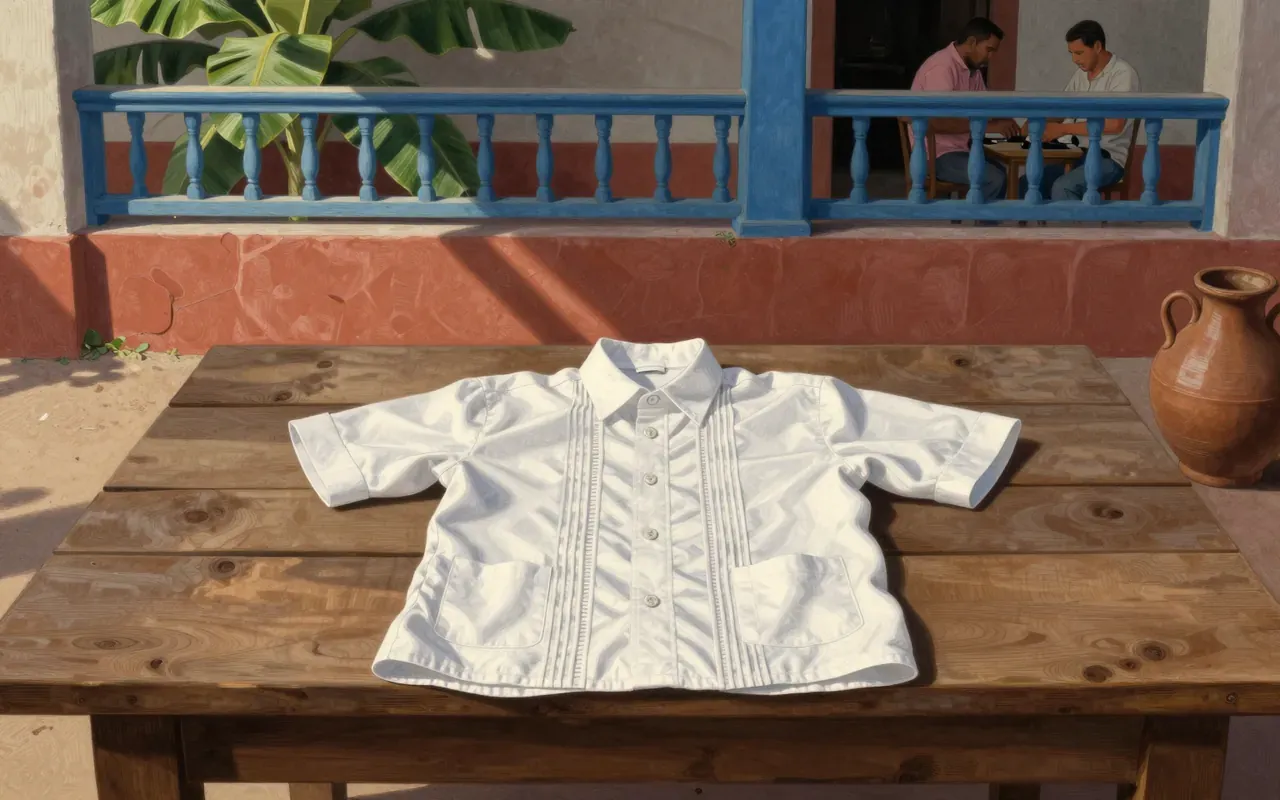
Guayabera

A shirt that refuses to be tucked is a political act disguised as a tailoring rule.
8:23

Halston

Halston didn’t simplify fashion—he stripped it of lies.
9:54

Harris tweed

Harris tweed is law written in wool—not heritage, not craft, but statute enforced by weekly mill inspections and iron-on Orb Marks.
8:36

Aloha shirt

It is not tropical kitsch—it is the first American shirt designed to hang free and mean something while doing it.
9:54

Hubert de Givenchy

Glamour was never about fabric. Givenchy proved it with cotton, geometry, and five Black American women.
8:52

Indie sleaze

A fashion style with no name in its prime got one online — and turned its own obscurity into its main feature.
9:19

Isabel Marant

Marant doesn’t sell outfits. It sells infrastructure for a body that moves between moods, not moments.
7:09

Jean Patou

Jean Patou didn’t liberate women’s bodies — he equipped them for sport.
9:20

Junya Watanabe

Monozukuri is not philosophy — it’s seam allowance, stitch placement, and the deliberate weight of cotton against synthetics.
8:41

JW Anderson

Unisex clothing is not a compromise — it’s a recalibration of where cloth meets body.
9:00

Kiton

Kiton isn’t about craft as theatre — it’s about craft as infrastructure.
8:06

L.L.Bean

A boot built to fail—then fixed, guaranteed, and worn into legend.
8:28

Linen

Linen doesn’t flatter—it cools, it creases, and it refuses to pretend.
9:05

M-1965 field jacket

Velcro on cuffs, Nyco sateen, monsoon-tested: this is workwear that earned its place—not by being cool, but by staying dry.
8:28

Madeleine Vionnet

Bias cutting isn’t a trick — it’s the first garment to treat the body as a sequence of curves, not a set of angles.
8:09

Martine Rose

Martine Rose doesn’t design clothes for men—it designs menswear that refuses to stay put.
11:40

Max Mara

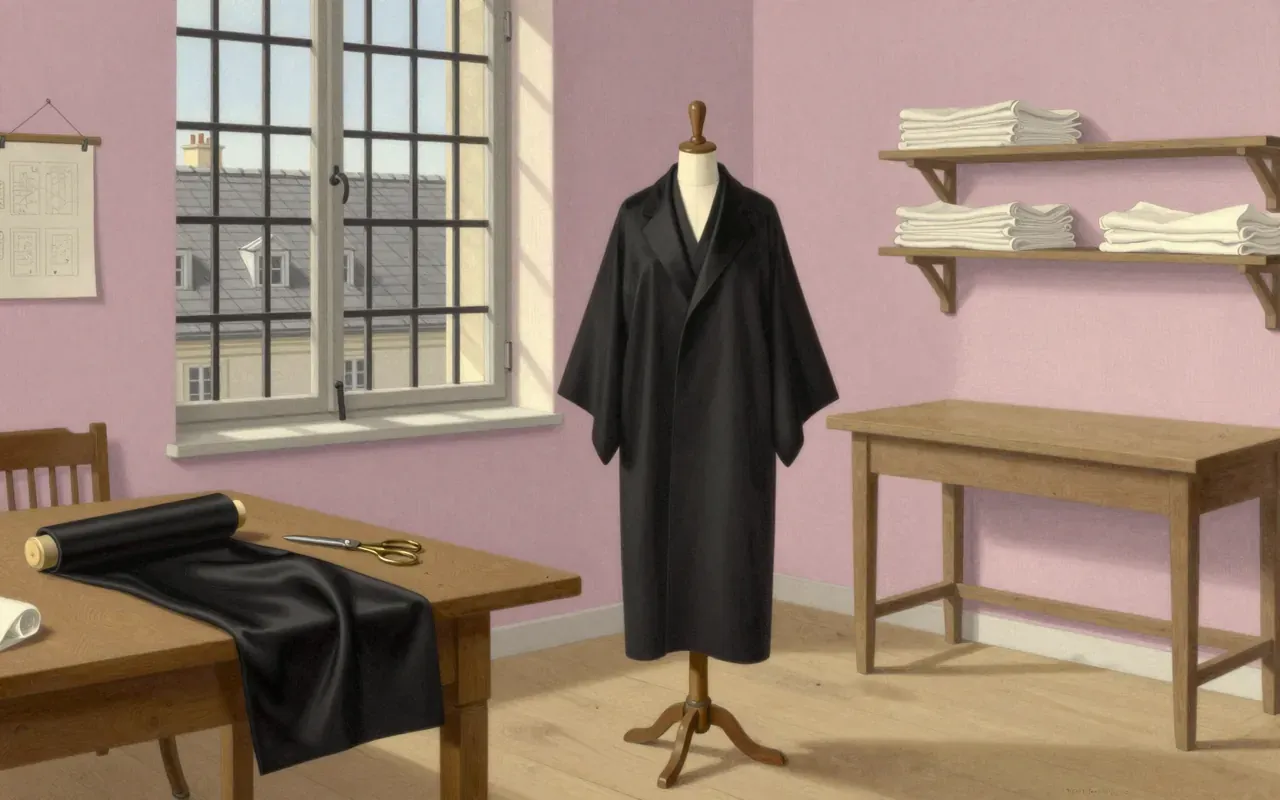
Max Mara didn’t make coats for weather—it made them for posture, presence, and permanence.
7:10

Mohair

Mohair doesn’t drape—it declares. And it won’t apologise for its shine.
9:58

Moncler

Moncler didn’t invent the down jacket—it weaponised it for altitude, then outsourced its meaning to Milanese teenagers.
10:27

Parka

The parka isn’t versatile—it’s a specialist: built for Arctic stillness, not city motion.
10:07

Nike Blazer

A sneaker that named itself after a team—and never apologised for staying literal.
9:42

Nike Cortez

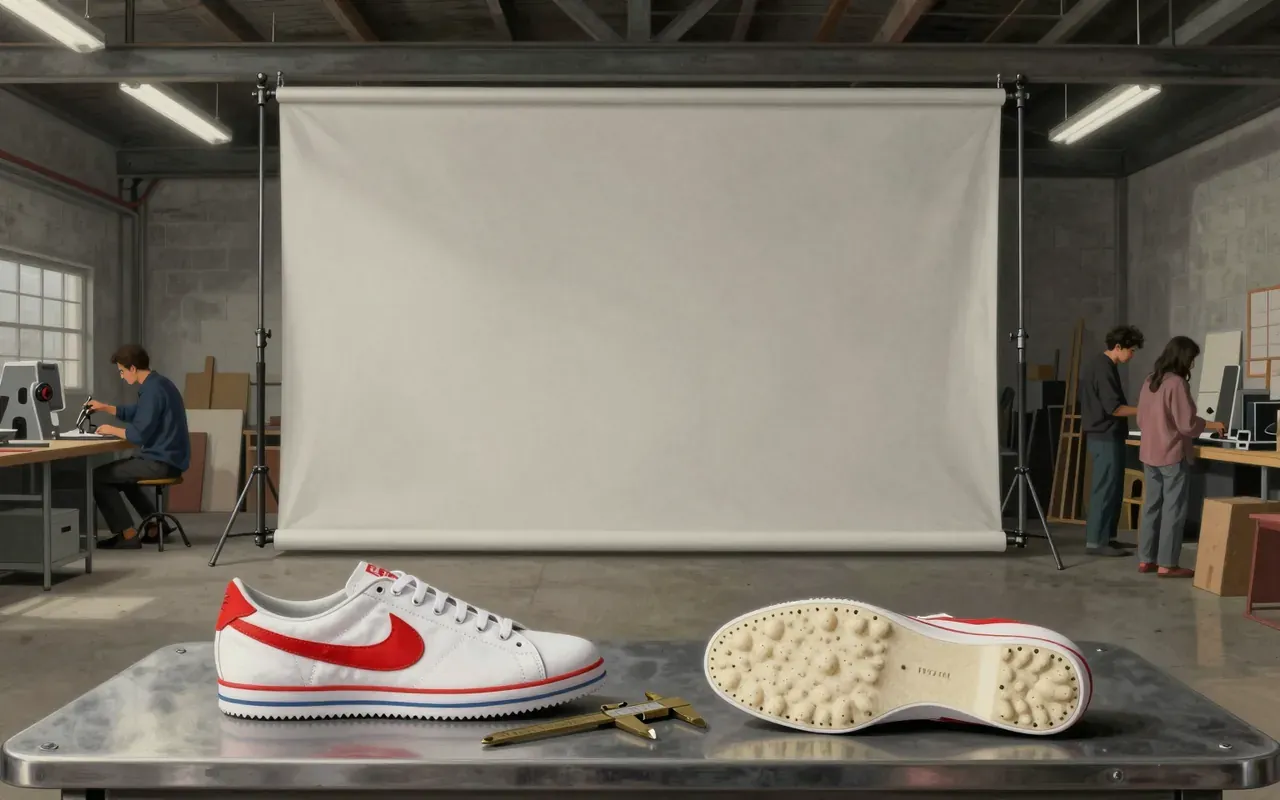
The Cortez didn’t invent running shoes—it weaponised comfort into a sales explosion.
10:14

Nino Cerruti

Cerruti didn’t make suits for men. He made suits for men who had to hold a room—and a camera’s attention—without saying a word.
8:39

Normcore

Normcore isn’t anti-fashion. It’s fashion outsourcing its meaning to everything but the clothes.
8:55

Omega Speedmaster

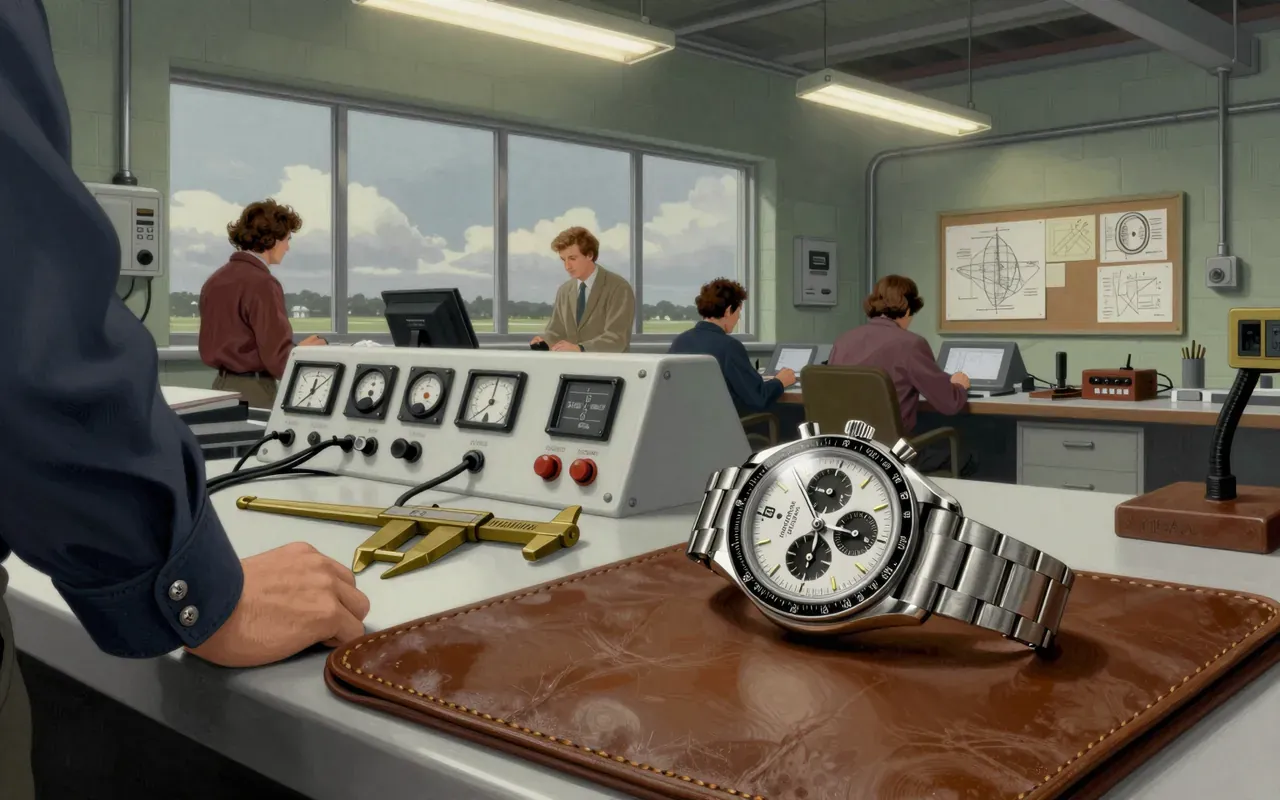
A racing chronograph that accidentally became the only watch ever certified for spacewalks—and never changed its mind about what it was built for.
9:18

Onitsuka Tiger

A 2002 reissue pretending to be a 1966 shoe—yet its real authority comes from what it leaves out.
8:56

Paco Rabanne

Fashion stopped pretending to clothe the body — and started interrogating the idea of clothing itself.
7:49

Paninaro

Paninaro wasn’t fashion — it was branding dressed as dress code.
8:01

Polyester

Polyester doesn’t drape—it defends. And it won’t decompose when you do.
8:56

Power dressing

Power dressing wasn’t about looking powerful — it was about looking unassailable in a system that refused to see women as authoritative unless they dressed like men, then added pearls to prove they weren’t.
9:06

PrimaLoft

PrimaLoft isn’t clothing—it’s the first synthetic insulation that refuses to quit when soaked.
7:12

Puma Speedcat

A racing shoe that abandoned fireproof lining for suede—and made thin soles fashionable.
7:48

Rochas

Rochas didn’t make clothes — it edited the body’s margins.
10:01

Safari jacket

A colonial field garment repurposed as leisurewear — useful, loaded, and never neutral.
9:41

Schott NYC

The first zippered jacket wasn’t fashion—it was friction, fitted, and forged on the Lower East Side.
7:59

Sonia Rykiel

Black was not chosen for elegance—it was chosen for insistence, and this sweater made that clear.
8:30

Stone Island

Stone Island isn’t fashion — it’s textile engineering dressed as outerwear.
9:24

The North Face

A climbing jacket that became a target — first for altitude, then for robbery, then for bullying.
8:05

Tracksuit

A warm-up garment that never warmed up to being taken seriously — until it didn’t need to.
9:17

Turnbull & Asser

A collar and a cuff — not a brand, not a suit, but two fixed points of British menswear discipline.
9:30

Polo neck

A neck-covering weapon of quiet dissent—and practical durability—forged in chainmail and worn by sailors, Marxists, and everyone who refuses to knot a tie.
9:36

Tweed

Tweed is not heritage—it is hydrophobic wool with geography baked into its yarn.
10:10

Ventile

Cotton that swells shut in rain—no coating, no compromise, no lightness when wet.
10:46

Visvim

Visvim doesn’t make clothes — it makes slow, uneven, repairable arguments in cloth.
12:10

Dhoti

The dhoti isn’t draped—it’s looped. And that loop defines its purpose, its place, and why most people wearing 'dhotis' today aren’t wearing one at all.
9:29

Hanbok

Hanbok is not ancient tradition—it’s a 19th-century label applied to a much older structure.
10:23

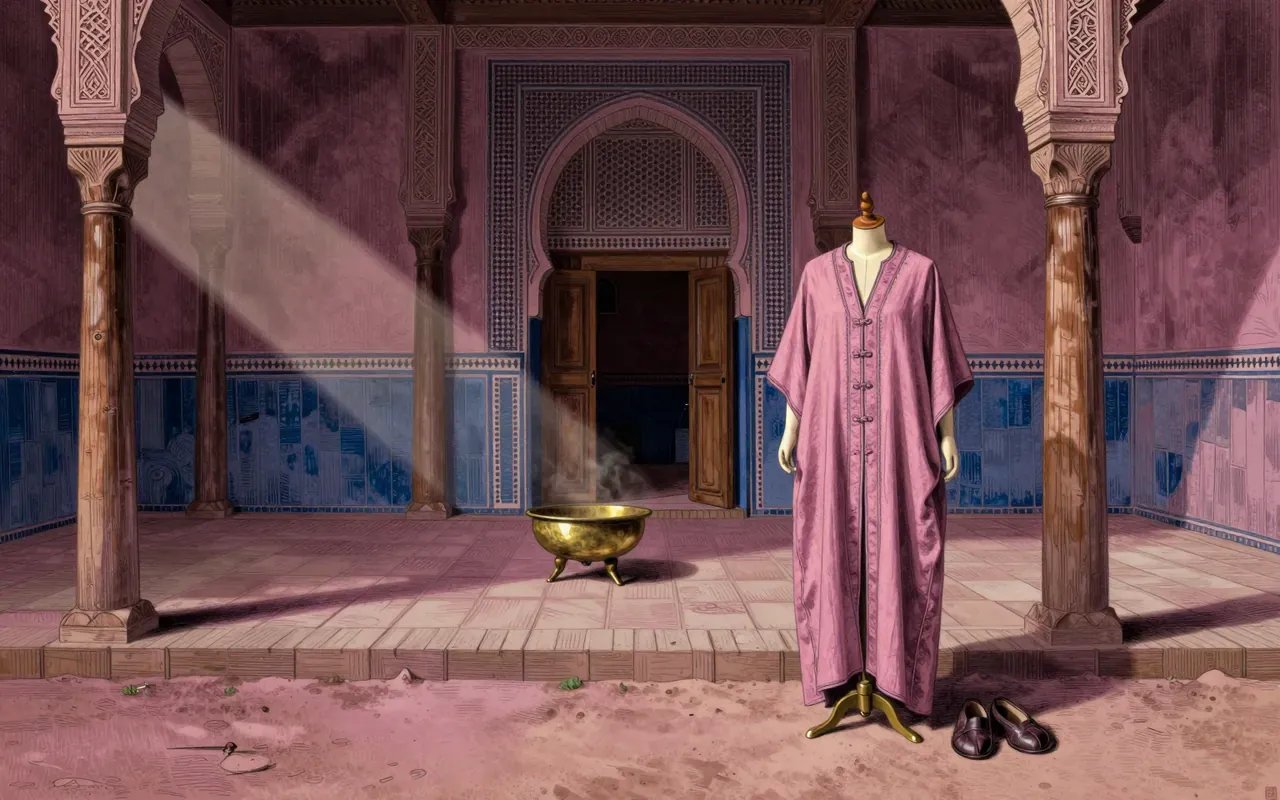
Kaftan

The kaftan isn’t one garment—it’s a linguistic smokescreen for dozens of distinct robes.
9:10

Kimono

The kimono isn’t timeless—it’s a bureaucratic consolidation of borrowed cloth.
9:16

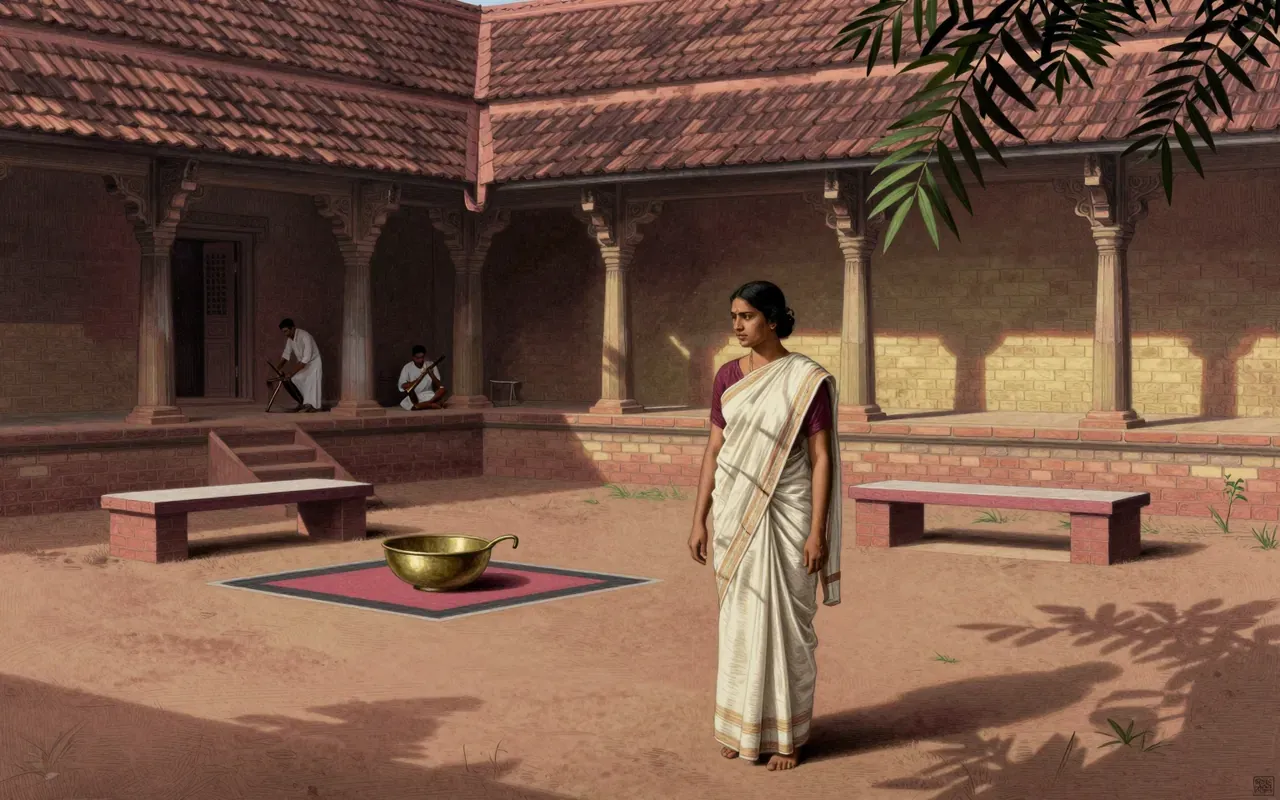
Sari

The sari isn’t tradition—it’s deep-time infrastructure for the body.
9:50

Aquascutum

John Emary · 1851

Aquascutum was a London tailoring house founded in 1851 by John Emary. It patented waterproof wool in 1853 and supplied coats to British military officers from the Crimean War onward. Its garments supported suffragettes in 1900 and Edmund Hillary on Everest in 1953. It staged its first London Fashion Week runway in 2005. It entered bankruptcy administration in 2012 and again in 2020, following multiple ownership changes.

8:38

Betty Jackson

Betty Jackson

Betty Jackson is a British fashion designer whose practice sits outside fashion’s usual metrics: no signature logo, no seasonal spectacle, no celebrity client list. She worked inside institutions—designing for judges, advising on model health, equipping unemployed women—not to make statements, but to solve problems with cloth, cut and context. Her influence is procedural, not aesthetic.

10:29

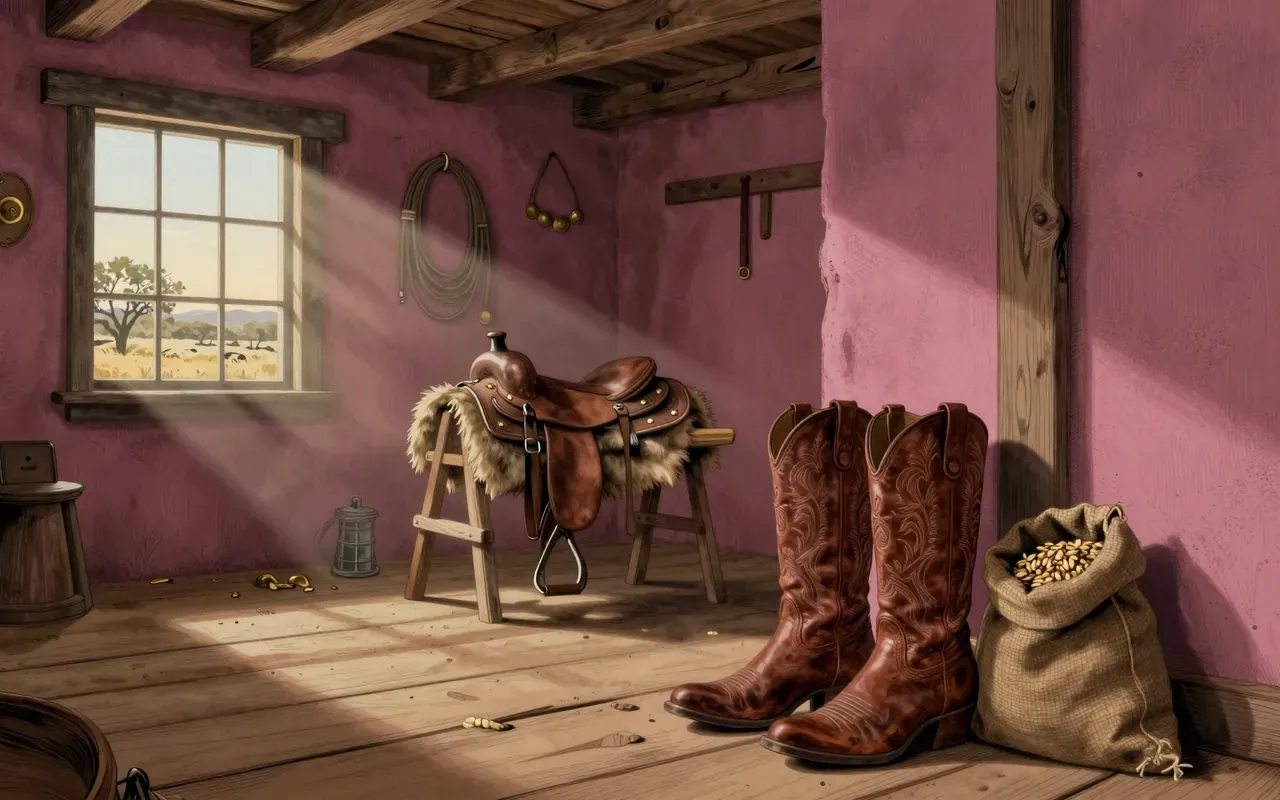
Cowboy boot

A boot built to stop cowboys from being dragged became a uniform for people who’ve never mounted a horse.
11:07

Hanae Mori

Hanae Mori

Hanae Mori’s fashion house operated from 1951 to its closure (date unspecified), grew to $500 million by the 1990s, and achieved rare institutional recognition: official haute couture accreditation in Paris, runway presence in New York and Paris, and commissions for national representation including JAL, the Olympics, and the Japanese Crown. Her work was functional, ceremonial, and geopolitically legible — not merely aesthetic.

8:46

Kenzō

Kenzo Takada

Kenzō Takada’s Kenzō label began in 1970 as a resource-constrained experiment in Paris—using flea-market space, Saint Pierre market fabrics, and Rousseau-inspired interiors. It re-energised ready-to-wear with colour and volume, launching the 'Big Look' in 1973–74. Its methods were specific, local, and materially grounded—not symbolic or national. It reached New York and Tokyo by 1971, but never claimed to represent Japan. Its legacy is procedural: how to build influence without infrastructure.

10:27

Laura Ashley

Laura Ashley

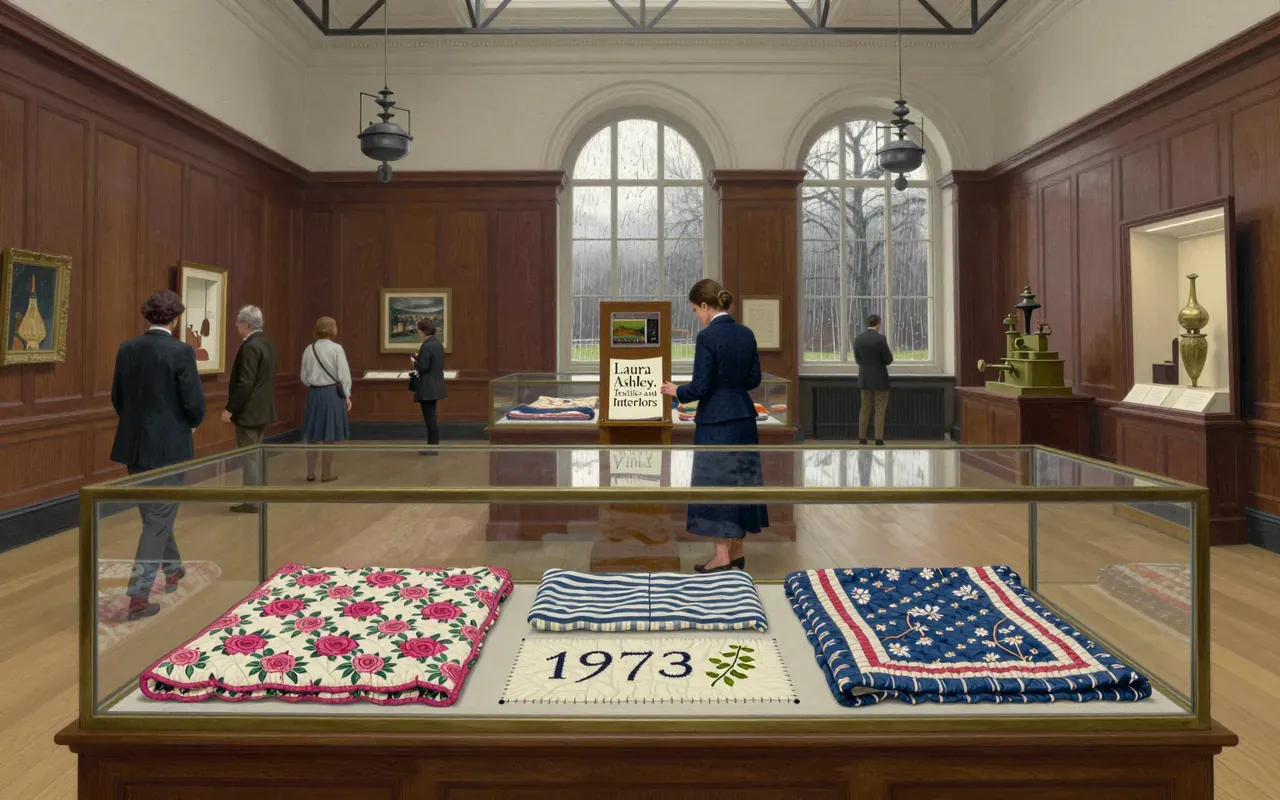
Laura Ashley built a fashion empire not from runway ambition, but from noticing a missing patch. Her method was craft-based, low-capital, and rooted in specific institutions—the Women’s Institute, the V&A—and a precise historical reference: the 19th-century rural. She sold Romanticism as reliability. She reached middle-class British women who wanted gentility without grandeur. She did not invent nostalgia—but she standardised it, scaled it, and shipped it via mail order before it had a name.

9:33

Marimekko

Armi Ratia · 1951

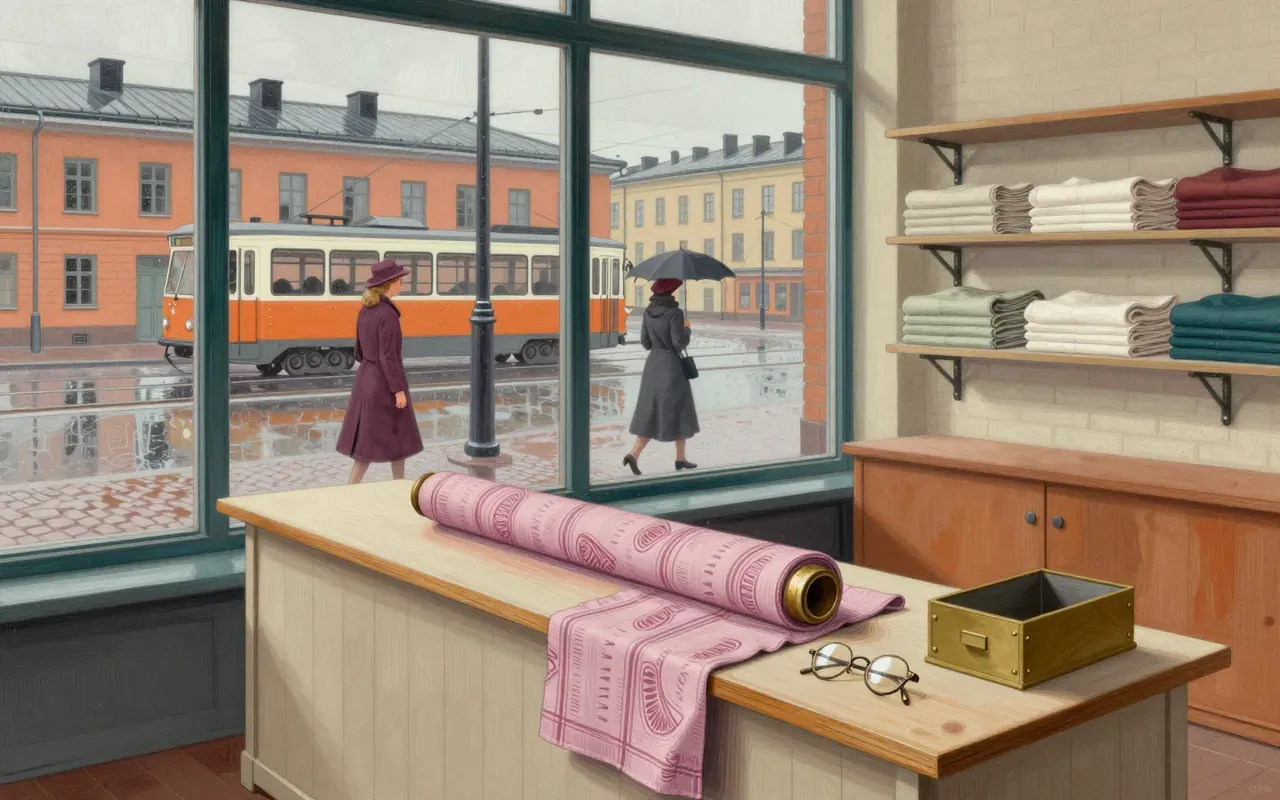
Marimekko is a Finnish textile and apparel company founded in Helsinki in 1951 by Viljo and Armi Ratia. It commissions artists to design bold graphic prints, then uses those prints in simple garments and home furnishings. Its early recognition at the 1957 Milan Triennale affirmed fashion as industrial art. Key outputs include the 1956 Jokapoika shirt and the 1964 Unikko pattern. It made important contributions to 1960s fashion through brightly coloured, simply styled products.

10:56

Polo Ralph Lauren vs U.S. Polo Association

Ralph Lauren

A protracted trademark dispute between Polo Ralph Lauren and the U.S. Polo Association, beginning in 1984, tested whether a commercial brand could claim exclusive rights to symbols and terms rooted in sport and history.

8:57

Beret

The beret is not a symbol that got weaponised. It is a tool that got uniformed—and then mythologised.
9:36

Bikini

A swimsuit named after a nuclear test—and worn without irony by the mid-1960s.
8:20

Blazer

A jacket named after a naval gig crew became the world’s most portable badge of belonging—and exclusion.
9:36

Boubou (clothing)

The boubou is not heritage—it’s a garment forged in desert trade, weaponised by empire, and repurposed by colonisers.
8:49

Bowler hat

A hat built to survive branches became a symbol of class—then a tool of colonial displacement.
9:07

Bra

The bra didn’t liberate women—it outsourced control from whalebone to wire, and from corsetieres to corporations.
10:22

Burqa

A garment that proves modesty has never been exclusively Muslim—and never required the face to disappear.
13:03

Corset

A garment that shaped bodies, then language, then medicine—and never stopped enforcing ideals under the guise of support.
13:02

Dashiki

The dashiki is not African-American heritage—it’s a Dutch-printed garment that became a symbol because it looked like one.
8:22

Evening gown

The evening gown was never about beauty. It was a uniform for proximity to power.
9:10

Fedora

A hat named after a woman’s role in a French play—and then made to forget her.
9:04

Fez (hat)

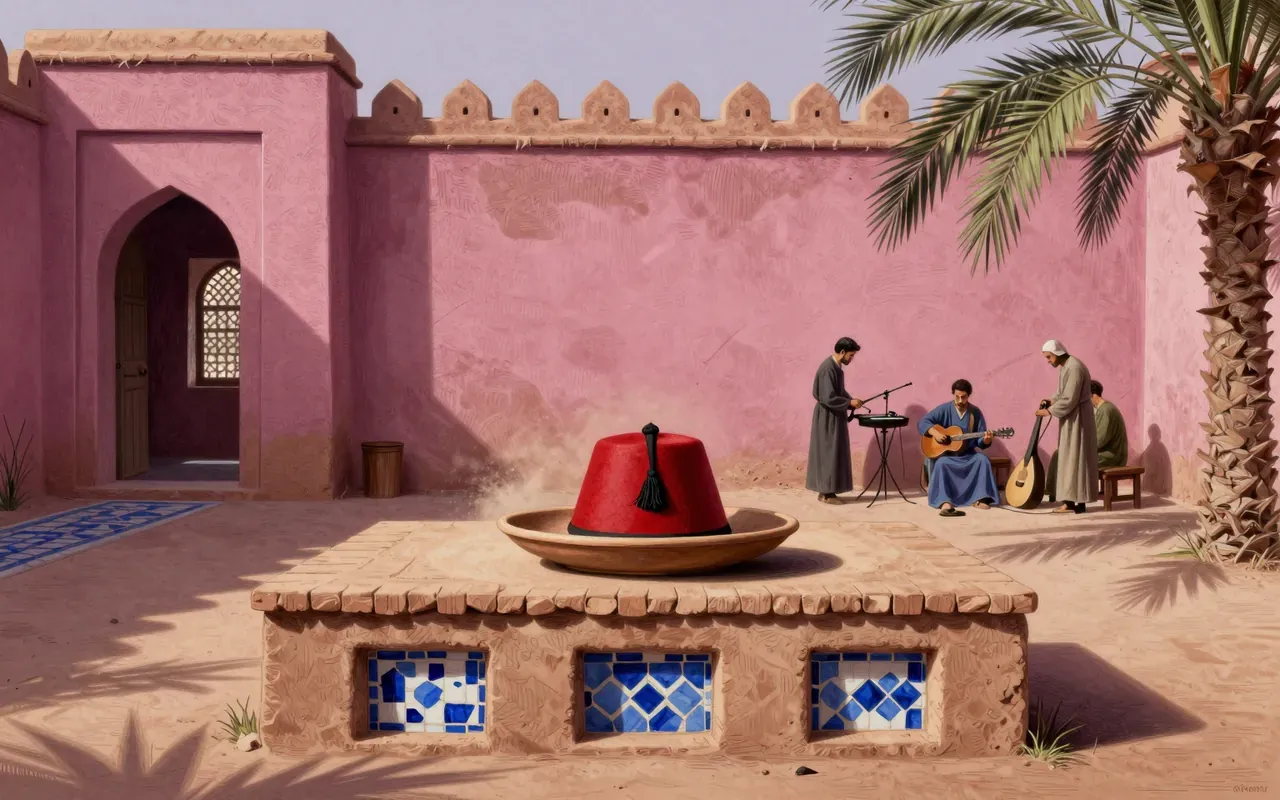
A red hat designed to erase identity became the ultimate symbol of what the state wanted to erase.
9:11

Garter

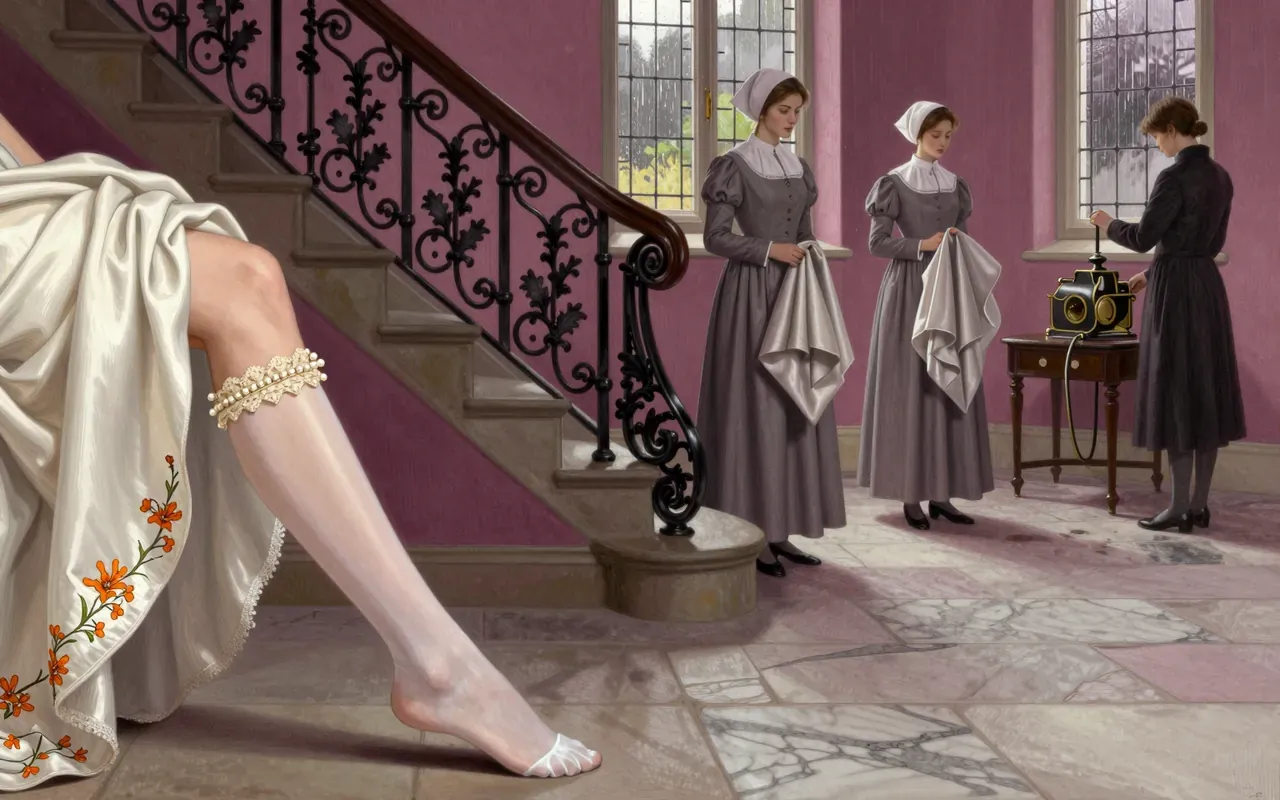
A functional strap became a wedding prop, a male fashion staple, and a Shakespearean punchline—without ever changing shape.
8:06

Hijab

Hijab isn’t in the Qur’an as clothing—it’s a curtain that got turned into a scarf.
13:47

Hoodie

A garment built for warmth became a screen for society’s anxieties about who belongs — and who must be watched.
8:46

Keffiyeh

A sun shield turned political weapon by decree—not culture.
10:36

Kilt

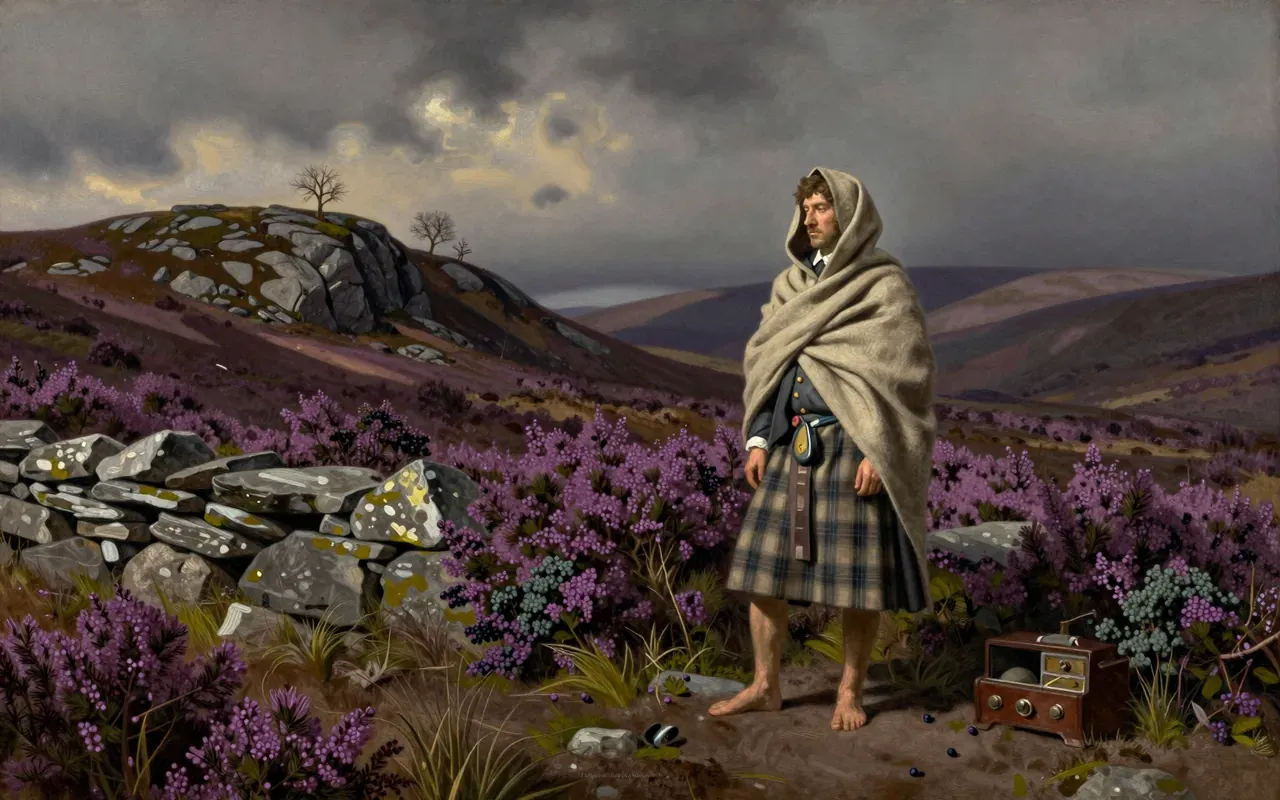
The kilt wasn’t born in Gaelic tradition—it was invented by an English Quaker to speed up Highland timber workers.
9:24

Lederhosen

Lederhosen aren’t Bavarian tradition—they’re alpine workwear that got colonised by national myth.
9:21

Petticoat

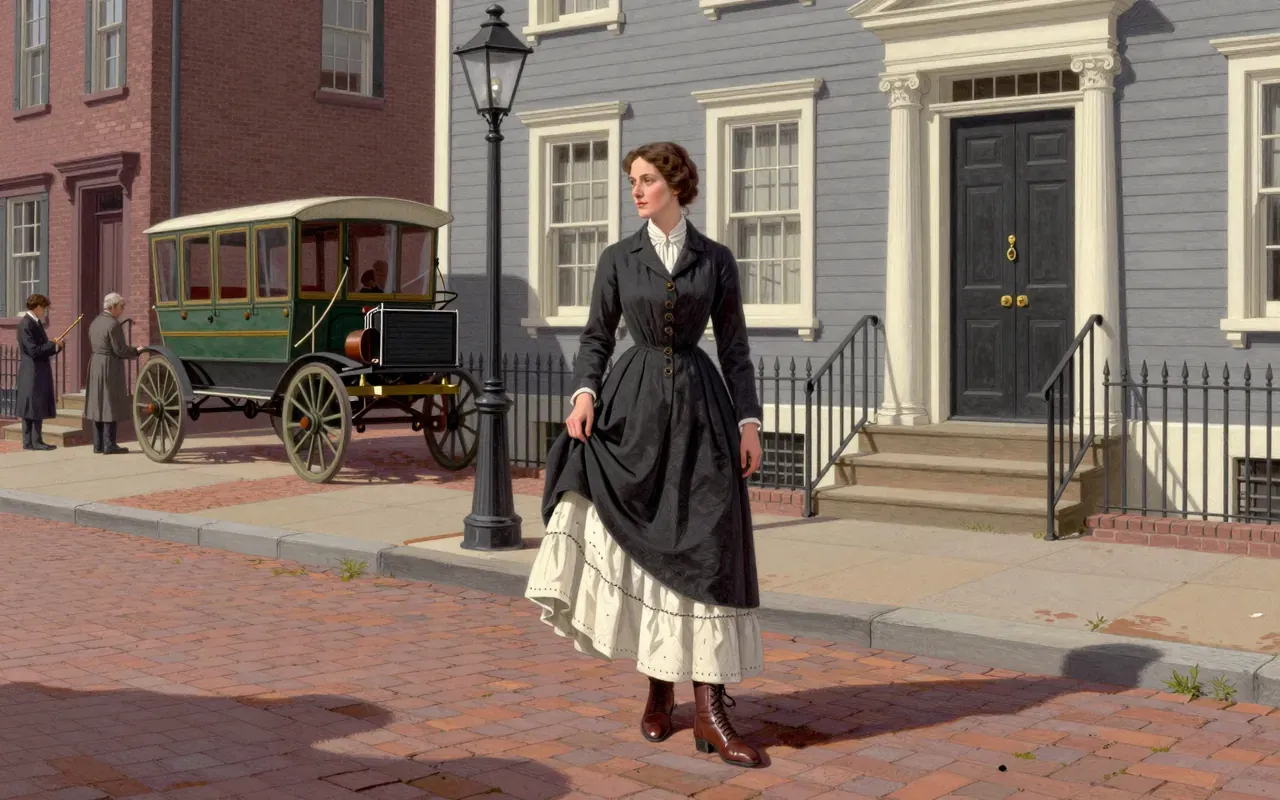
The petticoat isn’t one thing—it’s a linguistic smokescreen for centuries of shifting gender, class and cloth.
10:40

Polo shirt

The 'polo shirt' is a tennis garment dressed as a polo one—and that lie built an empire.
8:31

Poncho

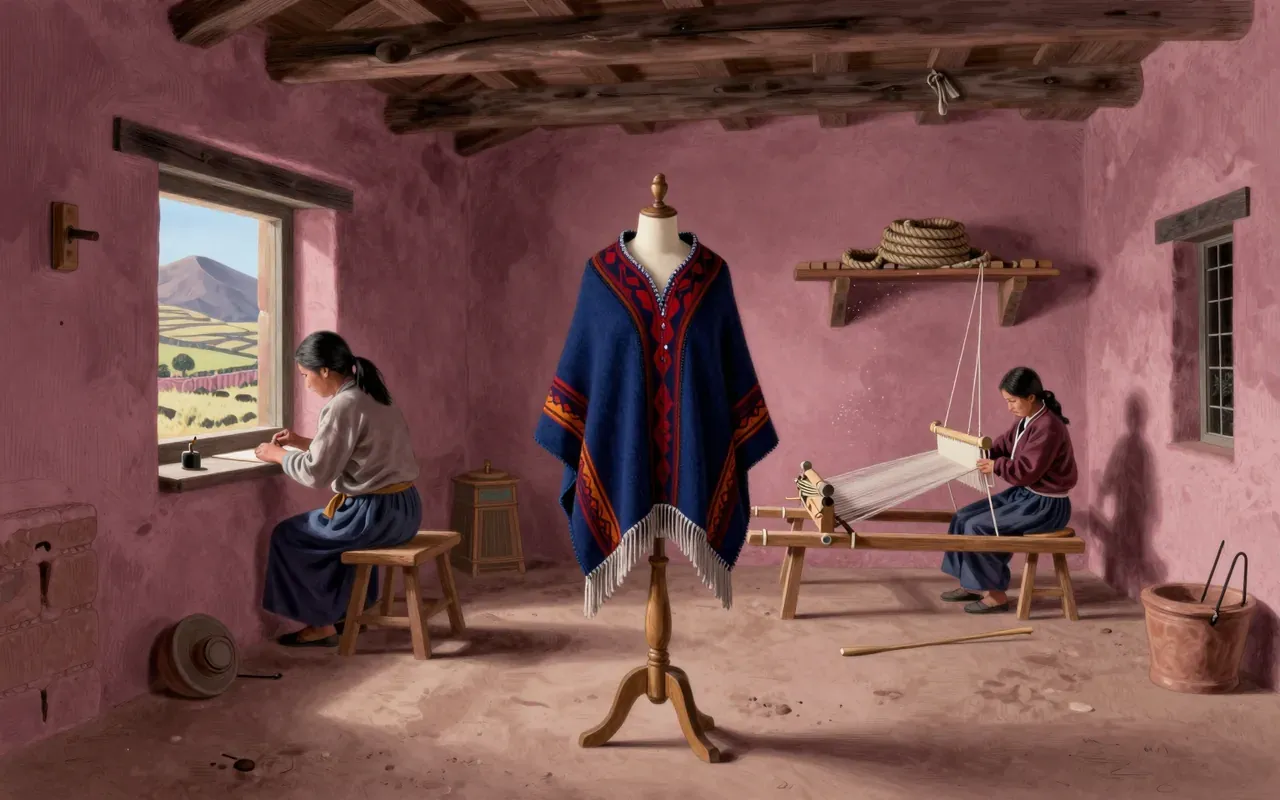
A garment built for survival became a costume for conquest—and still wears its Indigenous name like borrowed clothing.
9:56

Serape

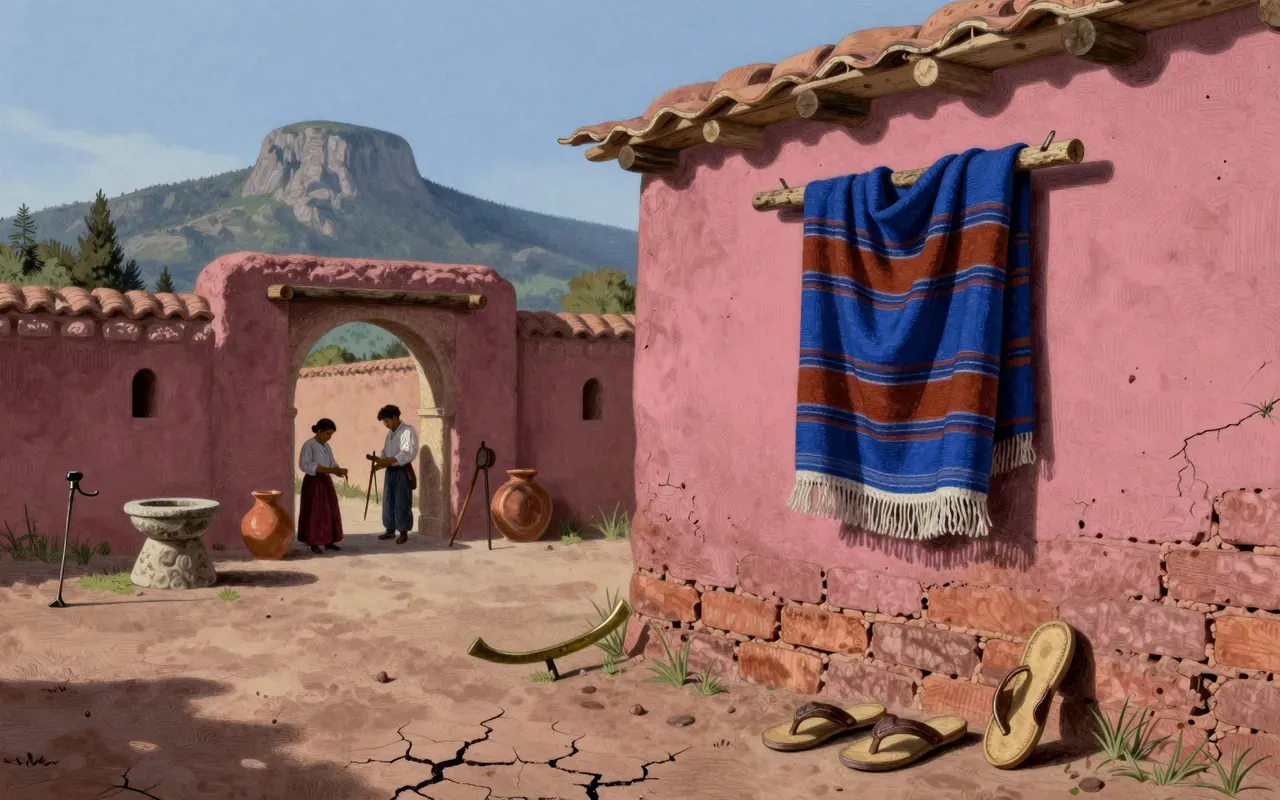
The serape is not folklore—it’s a contested textile archive written in wool, law, and colonial record.
7:54

T-shirt

The T-shirt is not clothing—it’s infrastructure disguised as apparel.
9:22

Top hat

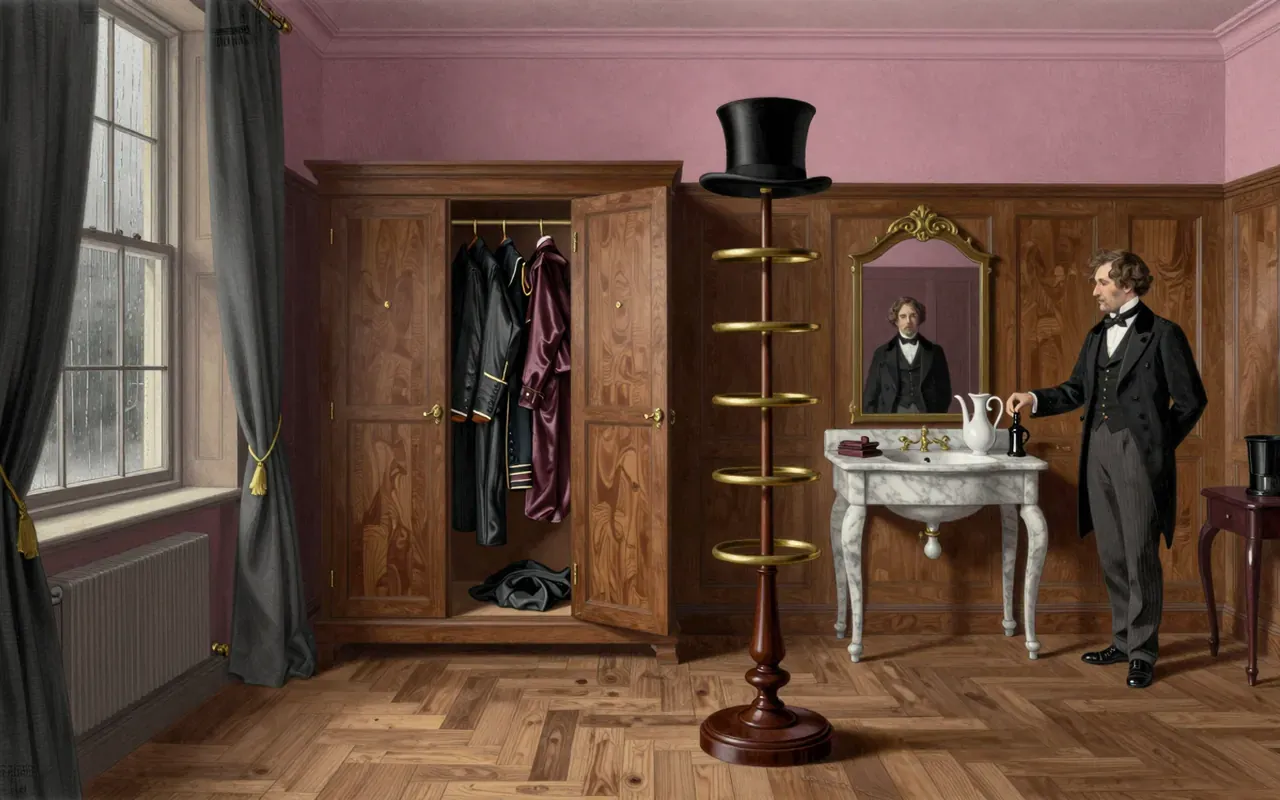
The top hat didn’t crown elegance—it enforced hierarchy with millimetres of silk.
8:10

The Waistcoat

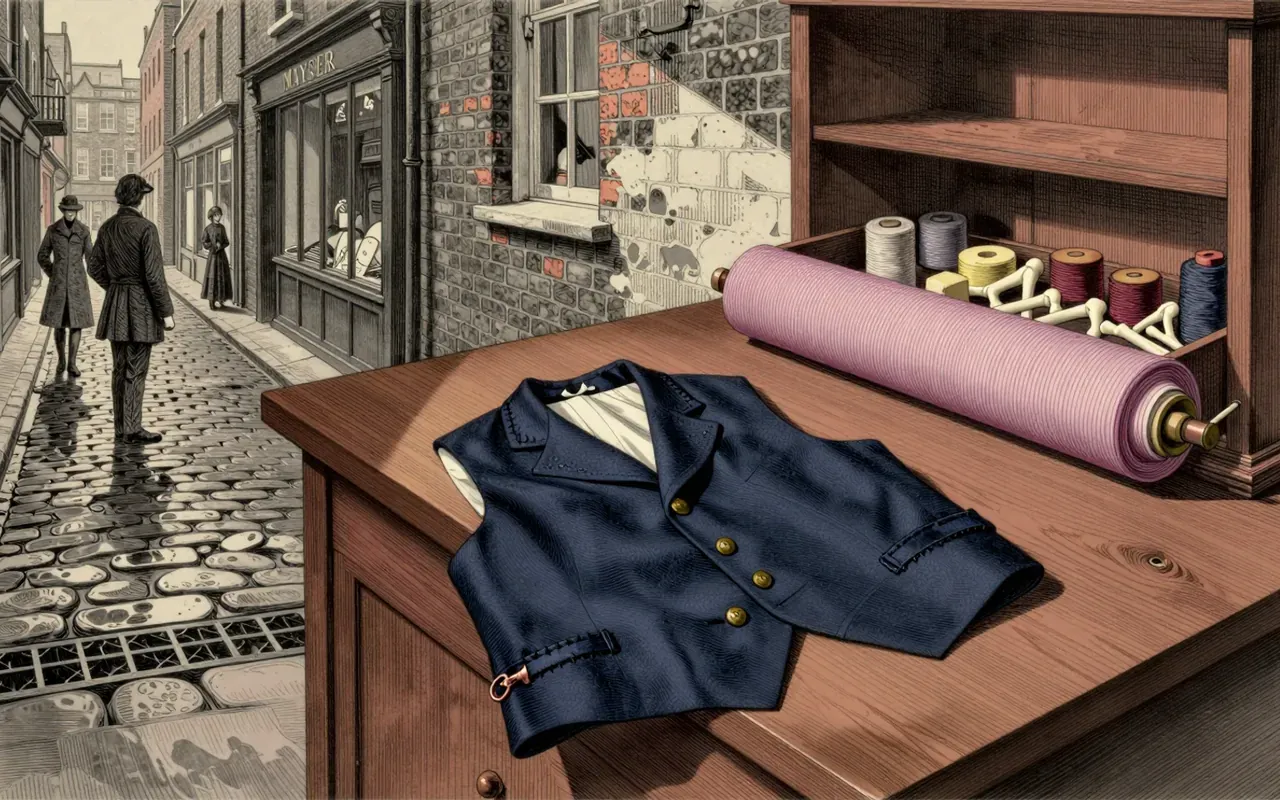
A waistcoat with two shortened bands proves love is often a lie told in stitches.
8:15

Adidas Superstar

A basketball shoe that won the NBA by 1973—and then vanished from the court, only to reappear on every street that mattered.
9:50

Calvin Klein

Calvin Klein

Calvin Klein is a fashion designer who founded his eponymous company in 1968 after apprenticeship and design work in New York City. His early success followed his first major New York Fashion Week showing, where he was hailed as the new Yves Saint Laurent and noted for clean lines. His 1974 tight-fitting signature jeans achieved $200,000 in first-week sales. He was born in the Bronx, New York City, to a Jewish family of immigrants from Galicia and Bukovina, Austria-Hungary.

9:56

Cartier Tank

Louis Cartier · 1917

The Cartier Tank is a line of watches made by Cartier. It was created by Louis Cartier in 1917, and inspired by the new Renault tanks which Cartier saw in use on the Western Front. The prototype watch was presented by Cartier to General John J. Pershing of the American Expeditionary Force. The Tank was introduced in 1918, and entered full production in 1919, when six pieces were built. Its lines and proportions are similar to those of tanks used on First World War battlefields. Its strap is integrated into vertical sidebars called brancards. The defining features of a Tank watch include its bold Roman numeral dial with a chemin de fer chapter ring, sword-shaped blued steel hands, and a sapphire cabochon-surmounted crown.

8:33

Chanel

Gabrielle Chanel · 2010

Chanel is an Anglo-French luxury fashion house founded in 1910 by Coco Chanel in Paris. It began in 1909 as a millinery shop. It popularised sporty, casual chic in the post–World War I era using jersey and prêt-à-porter sports clothes. It closed in 1939. Chanel collaborated directly with the Nazi Sicherheitsdienst during the occupation. She was not charged due to Winston Churchill’s intervention. She revived the house in 1954.
9:28

Christian Dior

Christian Dior

Christian Dior’s work from 1947–1957 redefined fashion as seasonal, named, and nationally symbolic — not personal style, but statecraft in cloth.

10:56

Comme des Garçons

Rei Kawakubo · 1969

Comme des Garçons is a Japanese fashion label founded by Rei Kawakubo in Tokyo in 1969. It is anti-fashion, austere, sometimes deconstructed—and deliberately rejects consensus notions of beauty, history, and fit.

8:41

Converse (brand)

Marquis Mills Converse · 1910

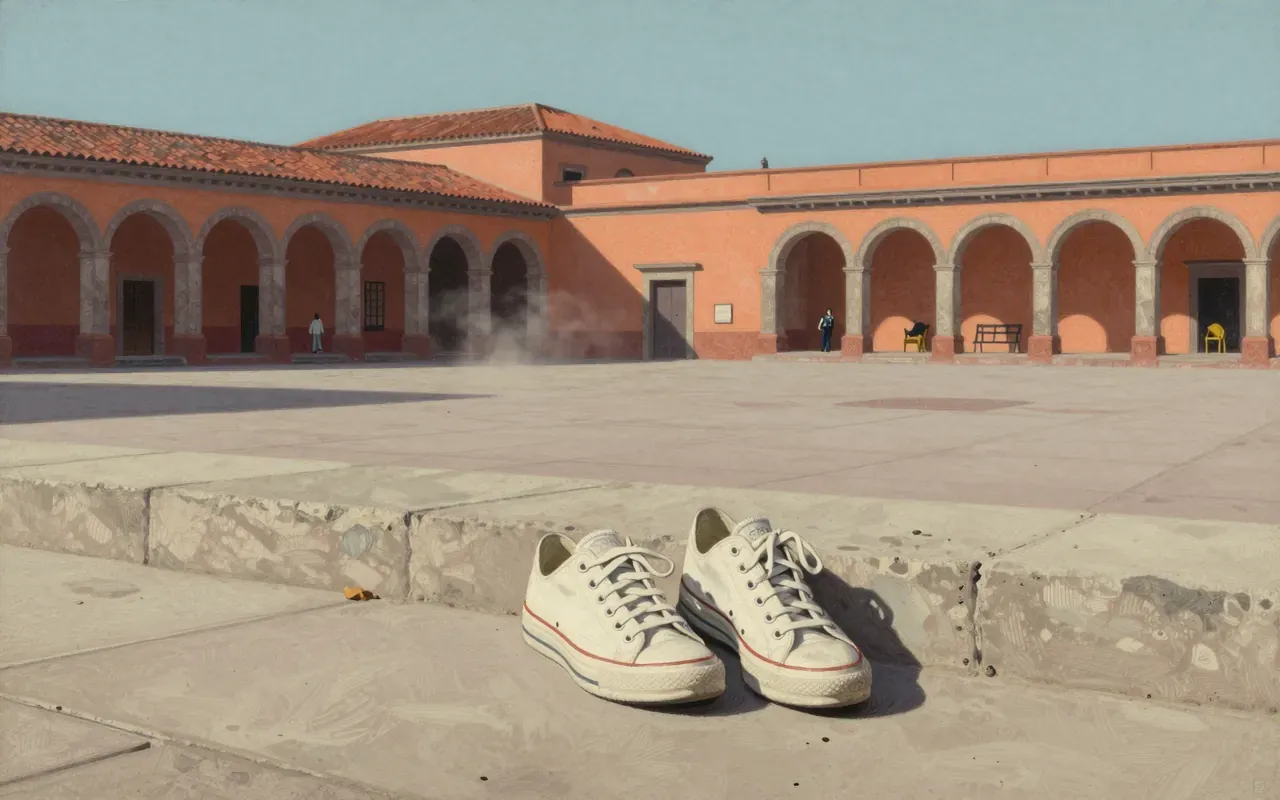
Converse is a manufacturing company that made functional footwear for specific markets—basketball players, the Rens, the US military. Its cultural weight came later, from reuse, not design intent.

8:30

Denim

Denim isn’t rebellious—it’s bureaucratic. It was issued by railways and air forces long before it was adopted by teenagers.
9:02

Dr. Martens

Klaus Märtens · 1951

Dr. Martens is a functional footwear innovation repurposed as cultural symbol — its origins in rehabilitation and post-war scarcity are routinely overwritten by its later adoption elsewhere.

8:22

Gianni Versace

Gianni Versace

Versace founded an international luxury-fashion house producing diverse consumer goods; designed costumes for theatre and film; linked fashion to the music world; used vivid colours, bold prints and sexy cuts as a deliberate contrast to dominant minimalist aesthetics; combined luxurious classicism with overt sexuality, drawing both criticism and praise; rejected conventional notions of good taste and defied fashion rules; drew design inspiration from historical periods including Classicism, Byzantium, the 18th century, and the 1920s–1930s; reimagined historical elements like Ravenna's mosaics and Roman drapery for contemporary fashion; and was born and raised in Reggio di Calabria, with his career spanning 1946–1997.

8:47

Giorgio Armani

Giorgio Armani

Armani’s work established a new syntax for elegance: one based on removal, not addition. It reached executives, actors, and diplomats—not youth movements or subcultures. It displaced the stiff formality of Savile Row and the flamboyance of Italian couture alike. It did not invent minimalism—but it proved minimalism could sell, scale, and signify.

10:26

Givenchy

Hubert de Givenchy · 1952

Givenchy’s 1952 launch was a system—not a style. It used raw cotton to make separates scalable, named garments after real women, and built ready-to-wear infrastructure before the term existed. Its later fame with Hepburn is real, but retrospective. The founding act was quieter: pragmatic, precise, and materially inventive.

9:07

Gucci

Guccio Gucci · 1921

Gucci began as a Florentine leather shop in 1921, shaped by embargo, war and equestrian utility—not aspiration or artistry.

9:15

Jean Paul Gaultier

Jean Paul Gaultier

Jean Paul Gaultier is a French fashion designer who launched his first individual collection in 1976. His work uses unconventional motifs—corsets, marinières, tin cans—and materials like plastic rubbish bags. He relaunched the marinière for men in 1983, introduced men’s kilts in 1984, debuted the cone bra in 1984, and launched the 'granny grey' hair trend via his 2011 autumn/winter show. He cast older men, fat women, and tattooed models, and played with gender roles. His influence lies in material specificity and casting choices—not in founding movements or naming ideologies.

8:49

New Balance

William J. Riley · 1906

New Balance is a footwear company whose origin lies in biomechanical correction—not sport. Its founding premise was specific, functional, and local. Its later expansion into performance and lifestyle markets introduced contradictions it failed to reconcile—most visibly in its 2012 toning-shoe settlement. It matters now because it shows how medical authority gets repackaged as consumer identity—and how easily that packaging outlives its justification.
10:45

Off-White (company)

Virgil Abloh · 2012

Off-White is a case study in how conceptual framing, visual consistency, and asset sequencing can outpace traditional luxury development cycles.

8:47

Prada

Mario Prada · 1913

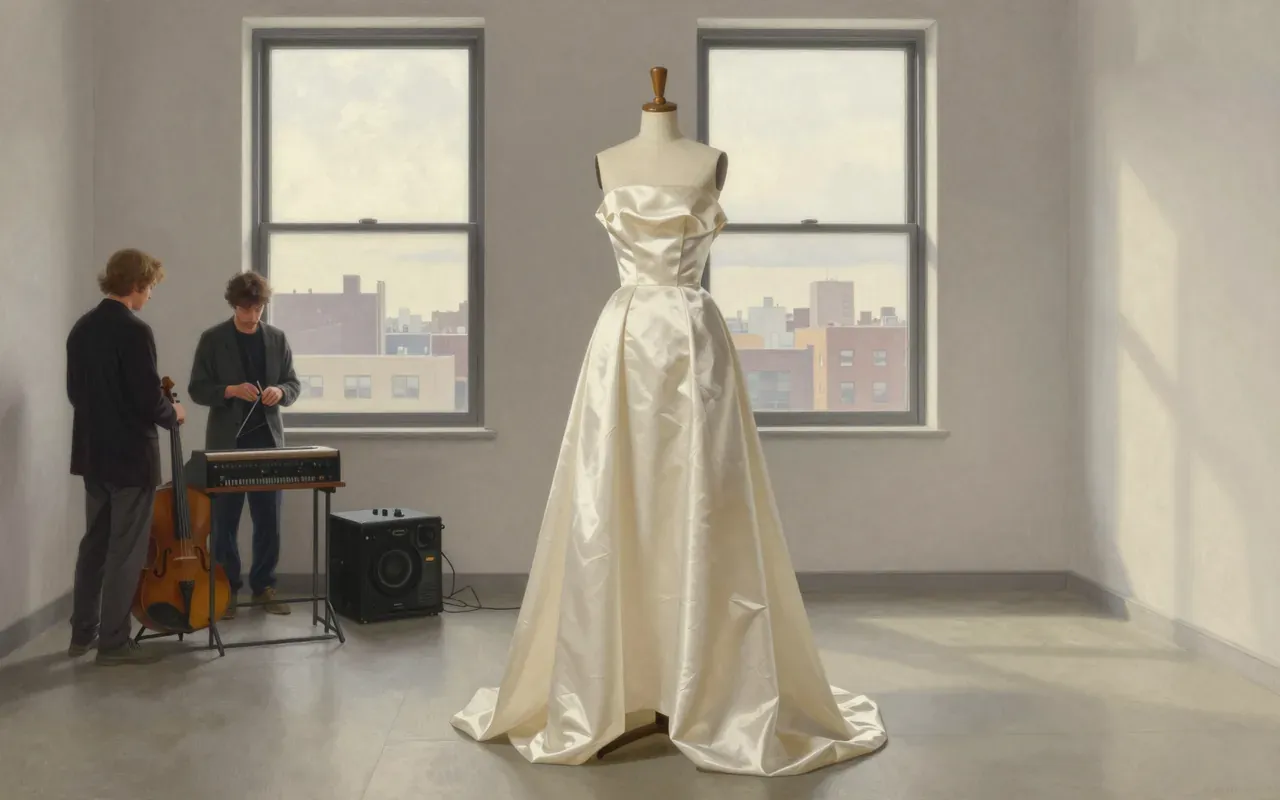
Prada (1913) is the founding moment of a luxury institution built on imported English goods, patriarchal control, and architectural prestige—not design innovation.
11:12

Punk fashion

Vivienne Westwood

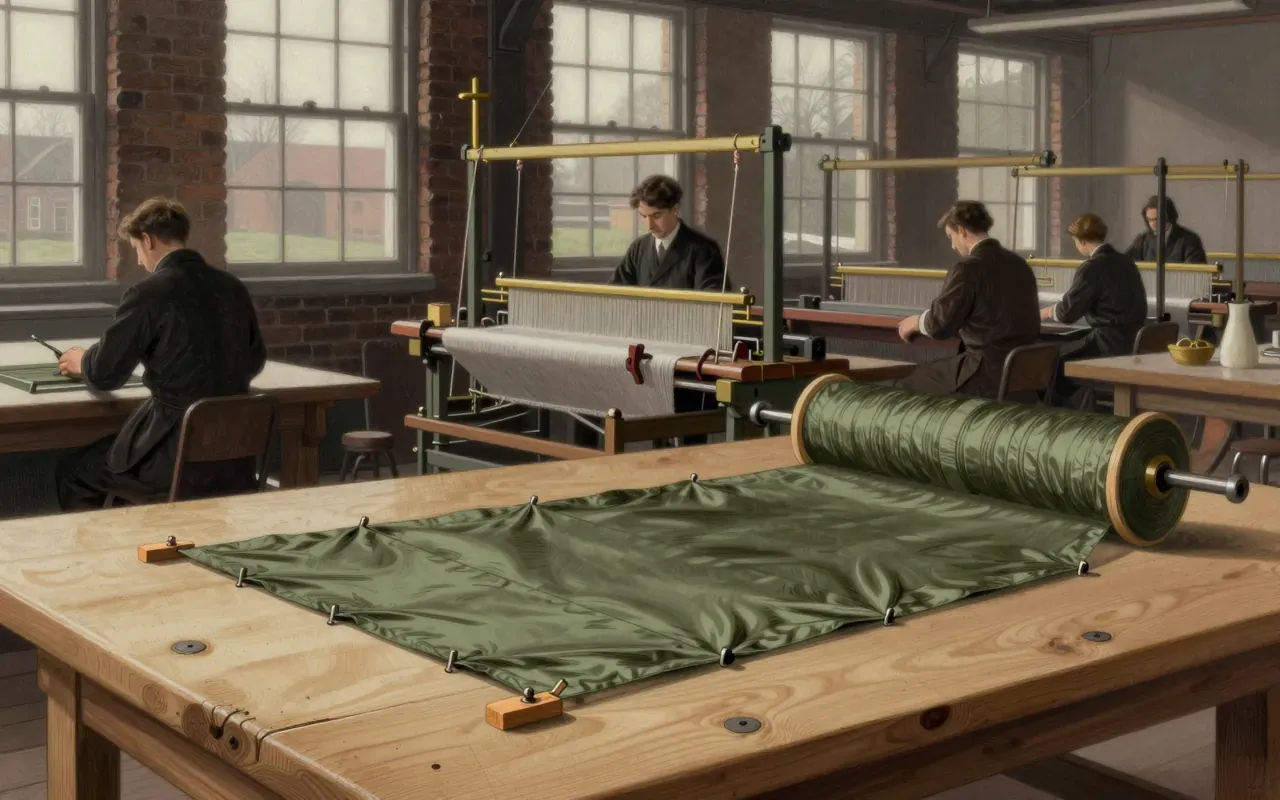
Vivienne Westwood’s punk fashion was a targeted assault on British cultural authority — materially crude, politically charged, and commercially savvy. It succeeded in making dissent wearable. It failed when its symbols were stripped of context and sold back as style.
9:08

Raf Simons

Raf Simons

Raf Simons is a Belgian menswear label launched in 1995 by a furniture-trained designer who rejected runway conventions, used video and street casting, fused divergent youth cultures into coherent silhouettes, and paused the label in 2000 after Confusion—before shifting focus from subcultural code to pure form.

9:26

Ralph Lauren

Ralph Lauren

Ralph Lauren is a fashion brand founded in 1967 that built a global multibillion-dollar enterprise around Anglophile heritage aesthetics, beginning with men's ties and expanding through the Polo line, the Polo player emblem (first seen on a women's shirt cuff in 1971), and the first freestanding store for an American designer on Rodeo Drive in 1971.

8:15

Rick Owens

Rick Owens

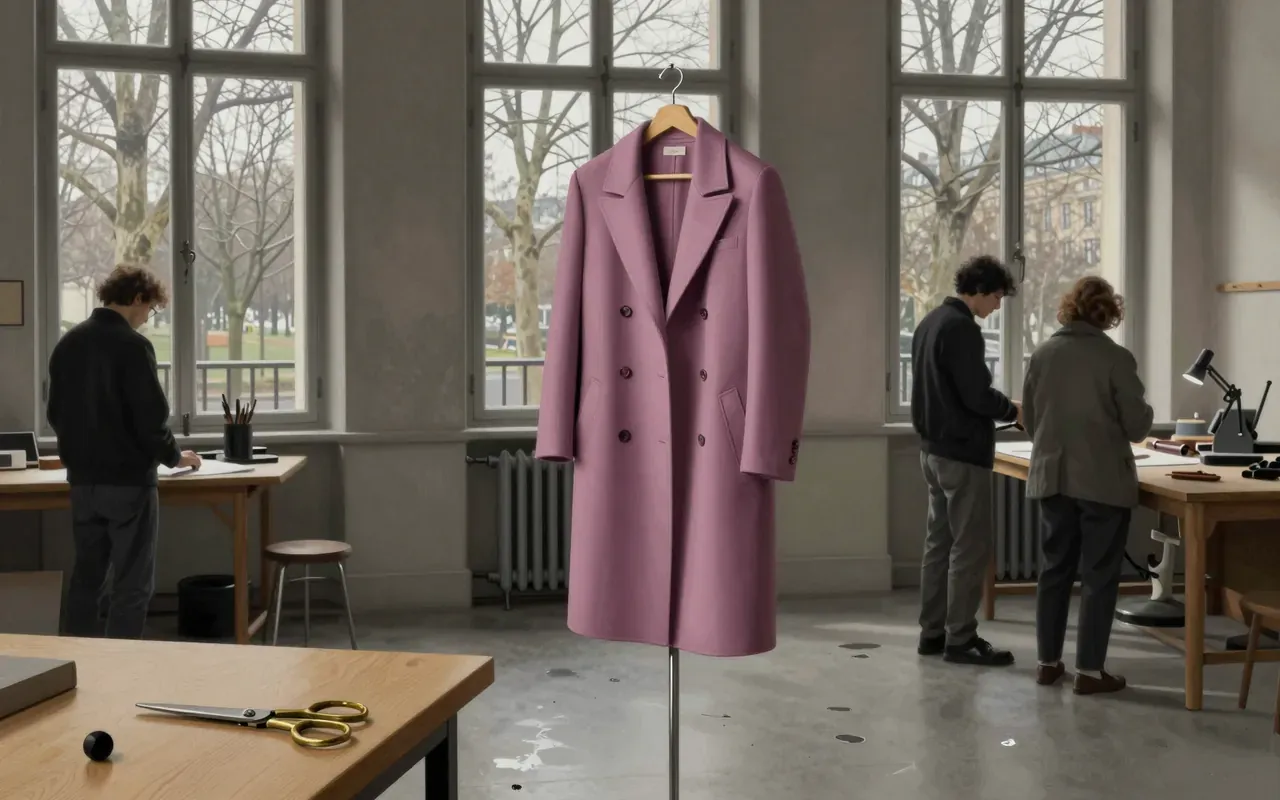
Rick Owens is a controlled system: Californian origin, 1994 launch, monochrome palette, bias-drape construction, anatomically precise model selection. It rejects noise. It also rejects variance. Its rigour is its value—and its limit.
8:24

Rolex Submariner

The Submariner stopped being a diver’s tool in the 1960s—and became the world’s most successful status symbol disguised as one.
10:26

Savile Row

Savile Row didn’t invent bespoke—it weaponised it, then lost the war over its meaning.
9:22

Sneakers

Sneakers were never about style—they were about silence, grip, and getting away with it.
10:17

Supermodel

The supermodel wasn’t born on a runway—it was minted in a boardroom and ratified by magazine covers.
8:21

Swatch

Swatch didn’t save Swiss watchmaking—it outsourced its soul to plastic and price.
10:00

Chanel 2.55

Coco Chanel

The Chanel 2.55 is a functional object turned cultural cipher — its innovations real, its symbolism rooted, its legacy inflated.

8:34

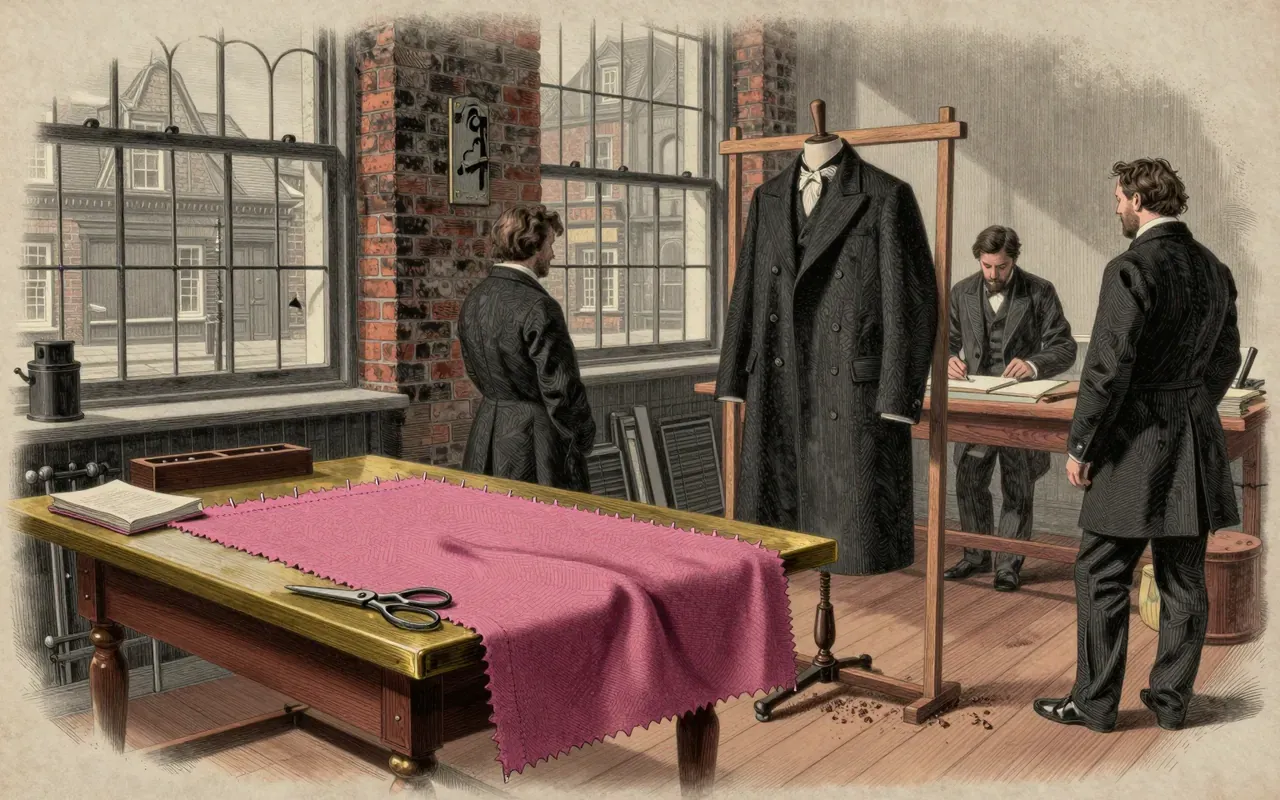
Suit

The suit isn’t formal wear—it’s the uniform of unspoken control.
10:28

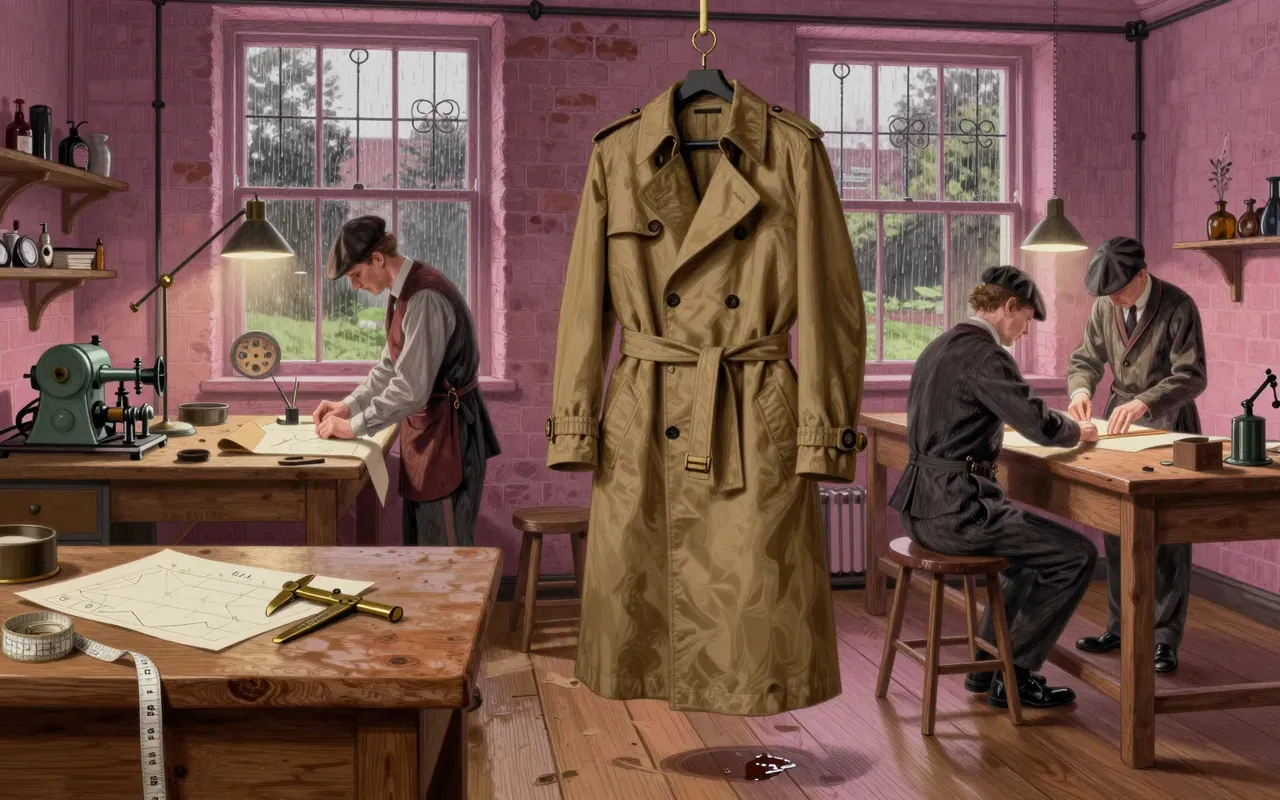
Trench coat

Thomas Burberry

The trench coat is a functional garment that solved a narrow military problem. Its civilian life is a story of displacement—not evolution.

8:28

Tommy Hilfiger

Tommy Hilfiger

Tommy Hilfiger is not a story of creative rupture. It is a case study in post-failure repositioning: a bankrupt retailer turned branded sportswear system, funded by Murjani, then Chou, staffed by Ralph Lauren veterans, and sold via spectacle before substance.