Saved
Highest rated

All briefs

372 briefs · 3501 min · 1–96 on page 1 of 4
8:42

Engineered Garments

Engineered Garments treats American clothing like open-source code—and Daiki Suzuki is its most rigorous contributor.
11:06

Sacai

Sacai doesn’t mix casual and formal—it engineers friction between them.
9:42

Louis Vuitton

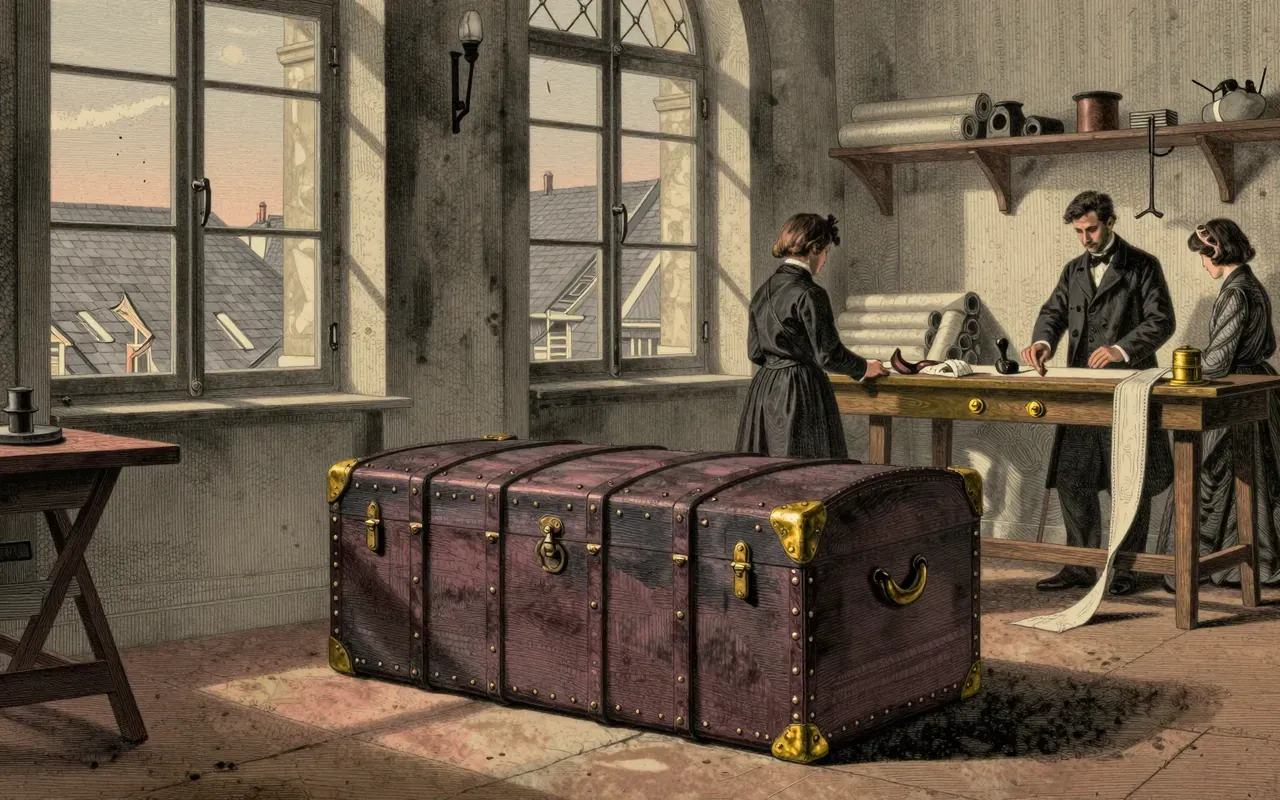
A trunk is not a bag—it is a portable vault built to survive empire-scale movement.
9:56

Louis Vuitton

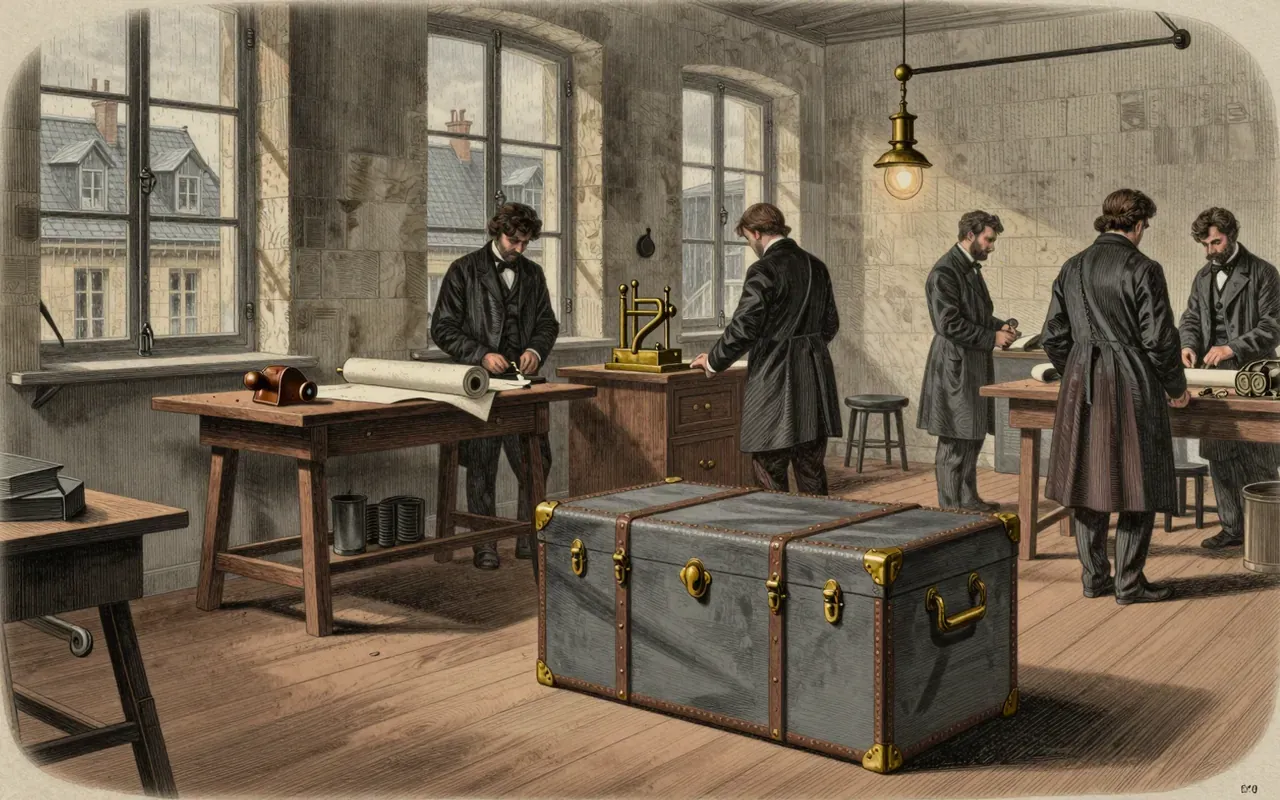
Louis Vuitton didn’t invent luggage—it killed the rounded top and made stacking non-negotiable.
8:00

Louis Vuitton

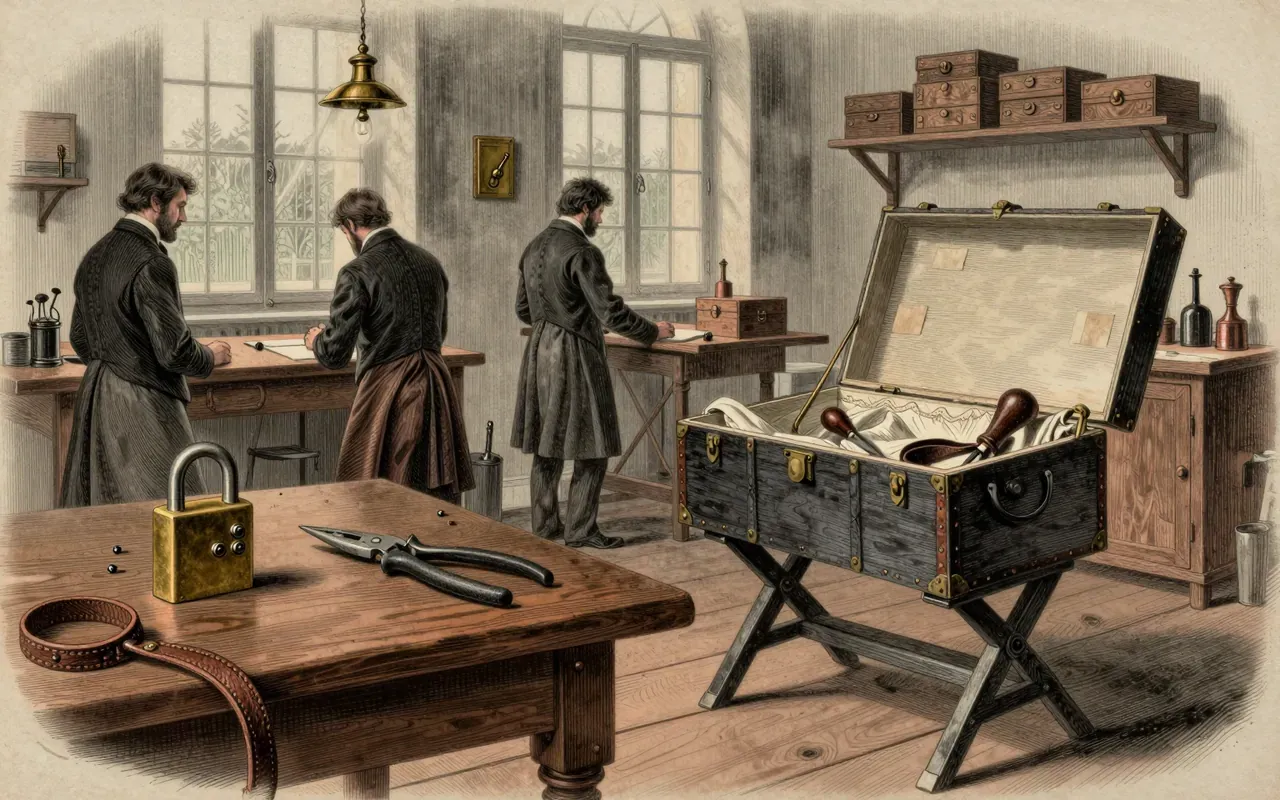
A trunk is not a bag—it’s a sovereign unit of travel, and Louis Vuitton built the first one that refused to break.
9:36

Street style

Street style is not fashion’s raw material—it is fashion’s first draft, written by the people it claims to serve.
8:57

A-2 jacket

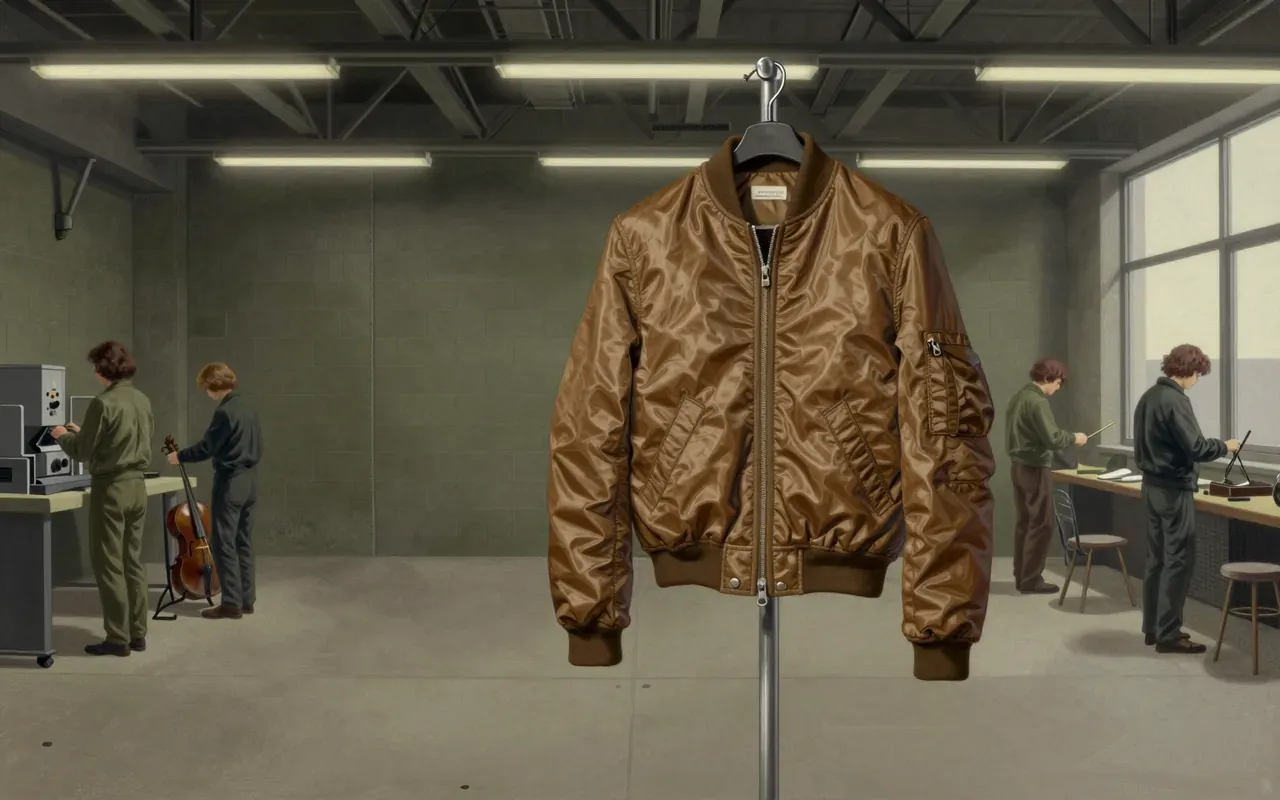
It didn’t replace the A-1—it outlived bureaucracy, supply chains, and its own cancellation.
9:24

Asics

A Latin motto made literal—not through slogans, but through gel, geometry, and Kobe-based biomechanics.
11:12

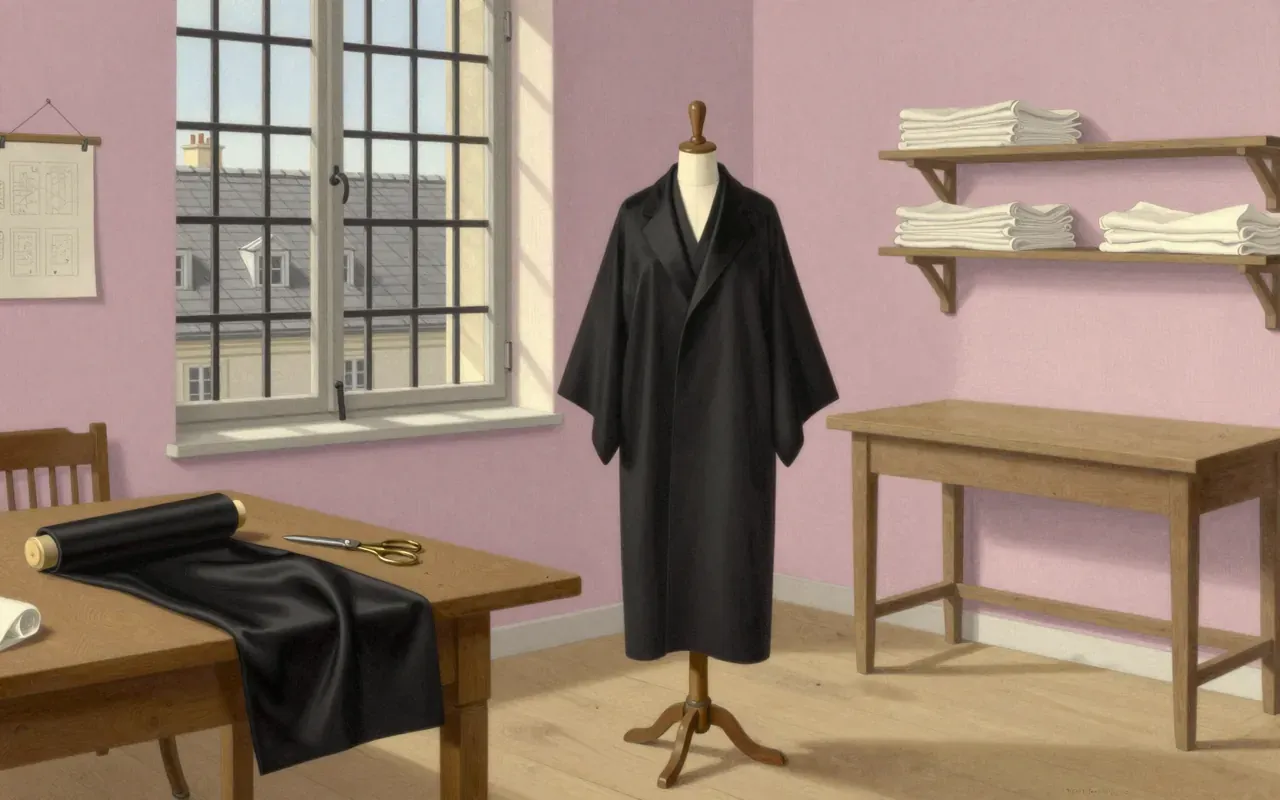
Balenciaga

Cristóbal Balenciaga · 1917

Balenciaga is a Spanish luxury fashion house founded in San Sebastián in 1919 and established in Paris in 1937. Its foundational innovation lay in radical silhouette transformation—broadening shoulders, removing waists, introducing tunic and chemise dresses, and culminating in the kimono-cut Empire line. This constituted its most important contribution: a new silhouette for women. To protect design integrity, Balenciaga shifted press showings to the day before retail delivery in 1957, defying industry norms and resisting both press expectations and the Chambre Syndicale de la Haute Couture Parisienne, of which he was never a member.
8:18

Marinière

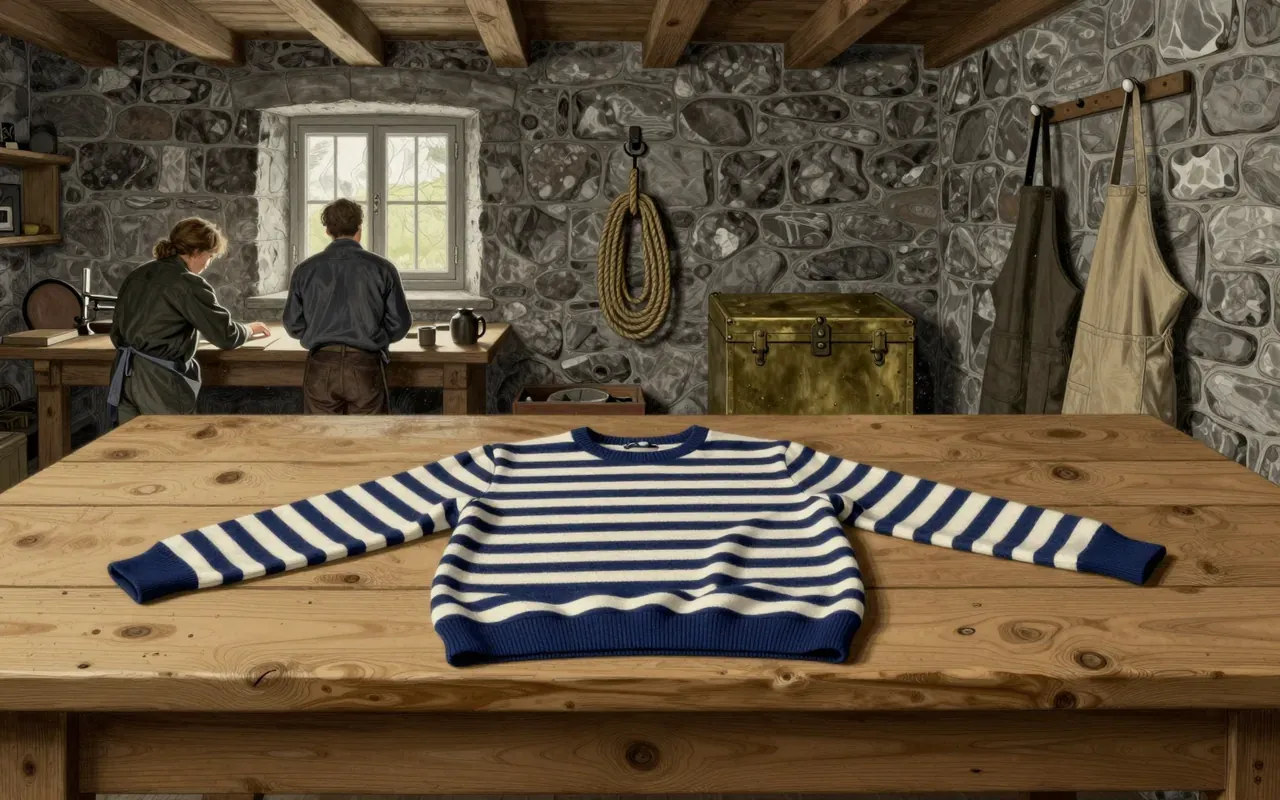
A naval visibility tool that became fashion’s most obedient rebel.
8:45

Brooks Brothers

Brooks Brothers didn’t invent American style—it built its wardrobe like a factory: precise, repeatable, and indifferent to the body.
9:29

Christian Dior

Dior didn’t liberate women—he re-enchanted them with structure, season by season.
11:29

Colette (boutique)

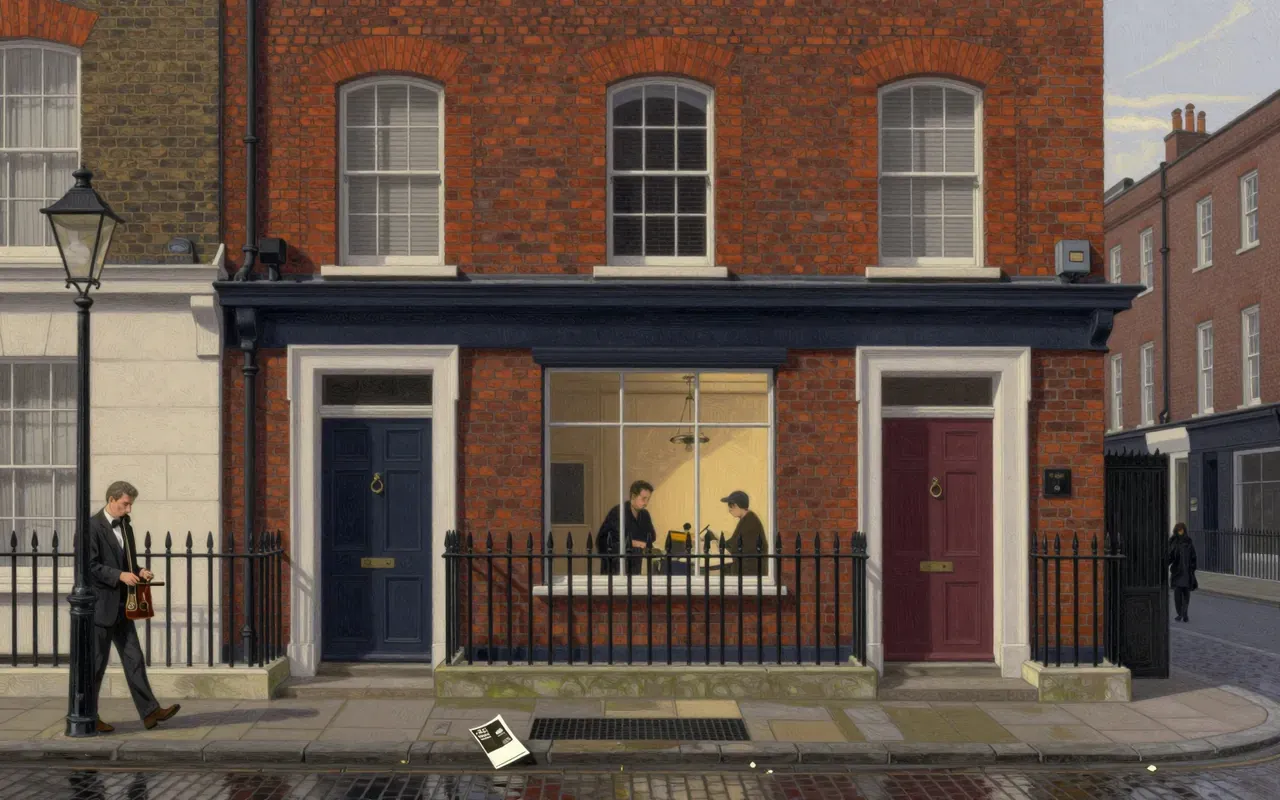
The Paris concept store that sold fashion, books and a hundred bottled waters for twenty years, and gave Raf Simons and Sacai early racks.
9:17

Dazed

Dazed is not a magazine—it’s a publishing posture: student-made, colour-switched, club-promoted, and never sold off.
9:26

Descente

Descente doesn’t make clothes — it builds wearable physics labs for bodies moving at speed in extreme cold.
9:36

Guy Laroche

Guy Laroche made couture you could wear to lunch—and still be remembered after dessert.
8:58

Kelly bag

A bag that trades utility for authority—and makes you wait for both.
9:18

Ivy League (clothes)

Ivy League clothing was not rebellion—it was recalibration: sportswear stripped of sport, tailoring stripped of tension, class stripped of ceremony.
10:06

Jeanne Paquin

Paquin was not a seamstress — she was the first woman to run French fashion like a sovereign.
8:17

Martin Margiela

Martin Margiela

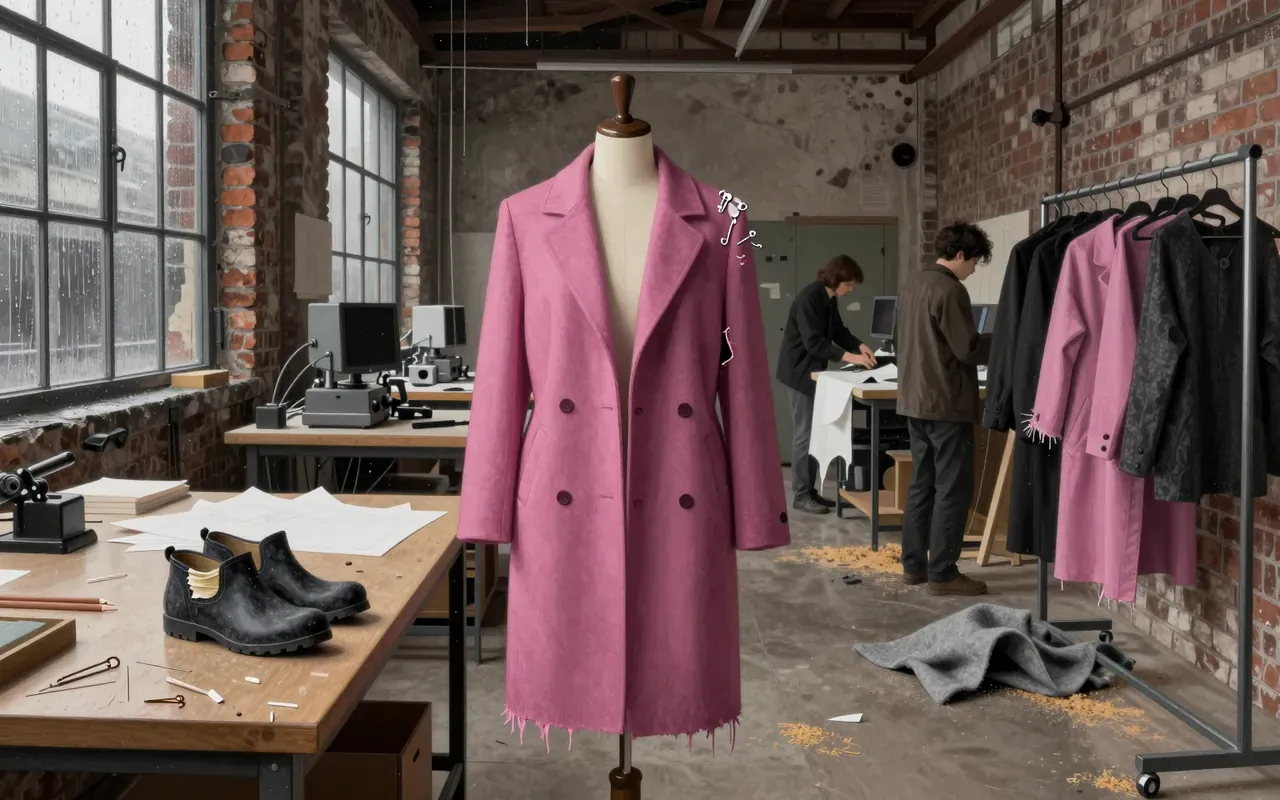
Maison Martin Margiela is a fashion house founded in 1988 in Paris through a collaborative venture with Jenny Meirens. Its debut show took place in fall 1989 at a derelict playground in a North African neighborhood on the outskirts of Paris. The show used an uneven runway and intentionally stumbling models to create a shocking public spectacle. The debut collection rejected contemporaneous extravagance in favour of ripped sleeves, frayed hems, and clumpy shoes. Local children hand-drew invitations in school art classes and sat in the front row to honour the community. The label’s trademark is a cloth badge numbered 0–23, attached with four small white tack stitches, exposed externally on unlined garments. Margiela consistently remained backstage and declined to take a bow after shows, distinguishing himself from peers. From 1988 onward, Margiela refused all formal interviews and photographic appearances.
9:16

Missoni

Missoni didn’t make sweaters—it weaponised knit structure.
9:20

Nike Dunk

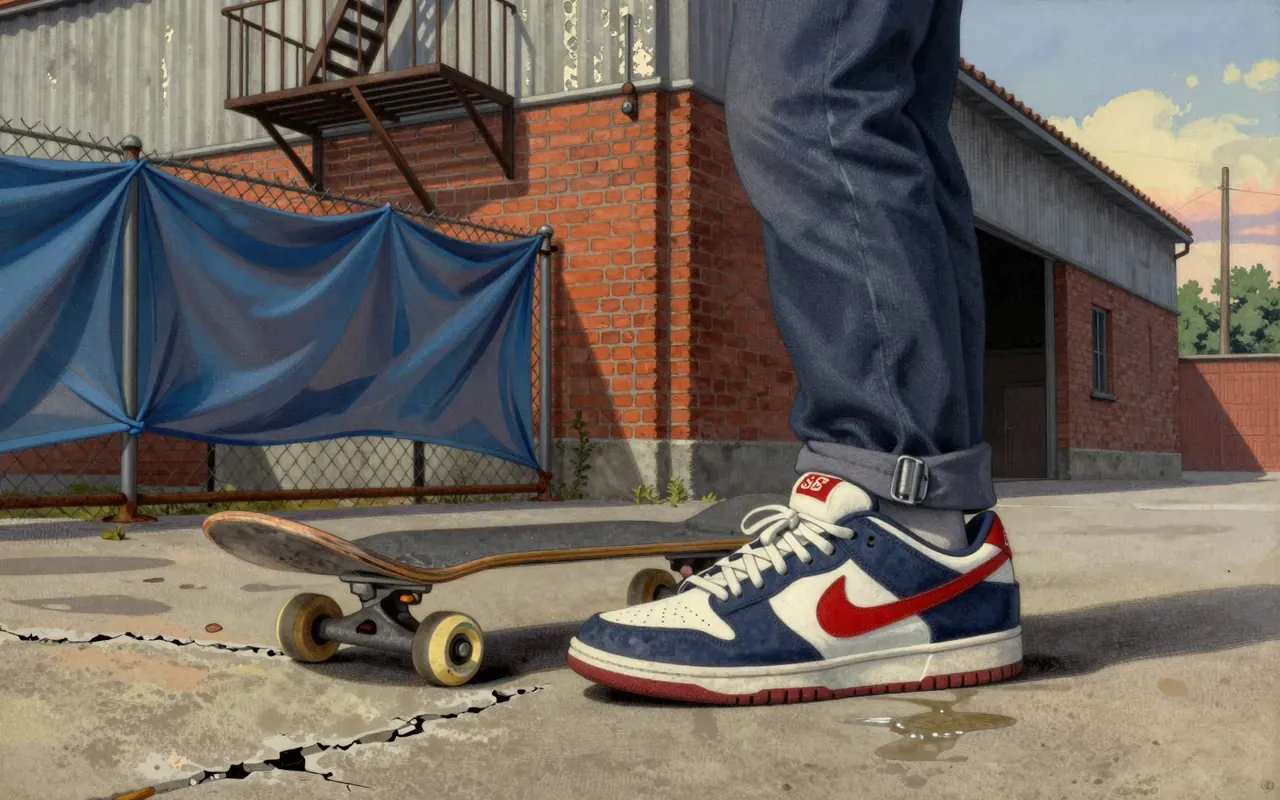
A basketball shoe that won a second life by wearing university colours like uniforms—and treating skaters like athletes.
10:05

Pierre Cardin

Cardin didn’t dress bodies—he dressed ideas, and they still don’t fit comfortably.
9:17

Puma Suede

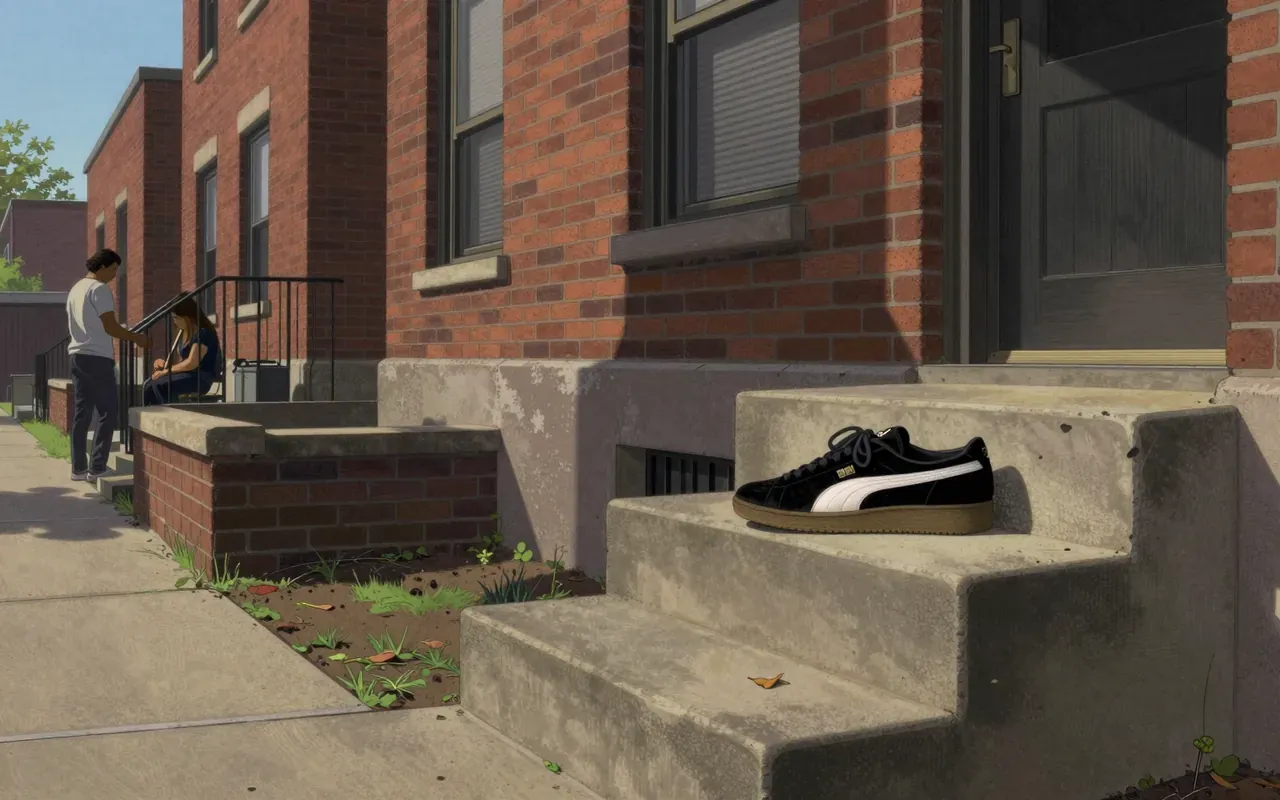
The first luxury-material sneaker wasn’t aspirational—it was tactical.
7:48

Rubinacci

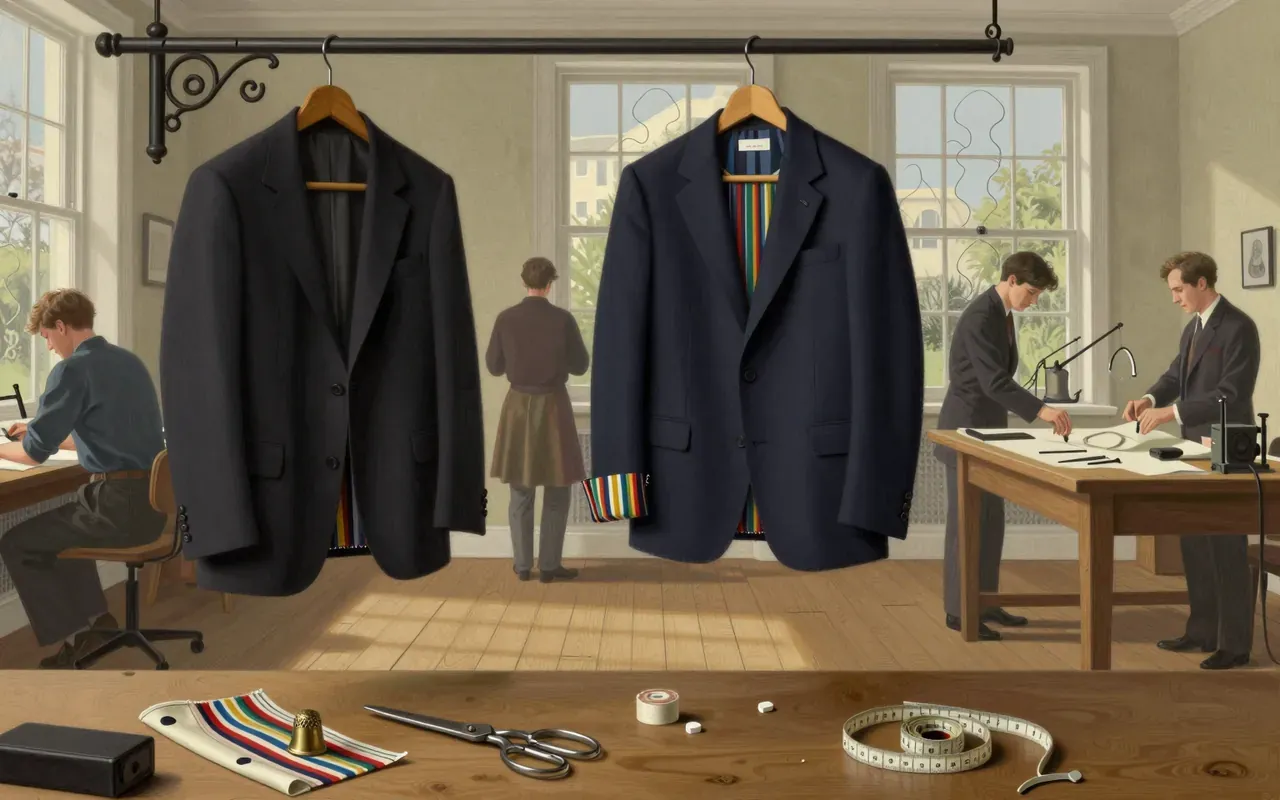
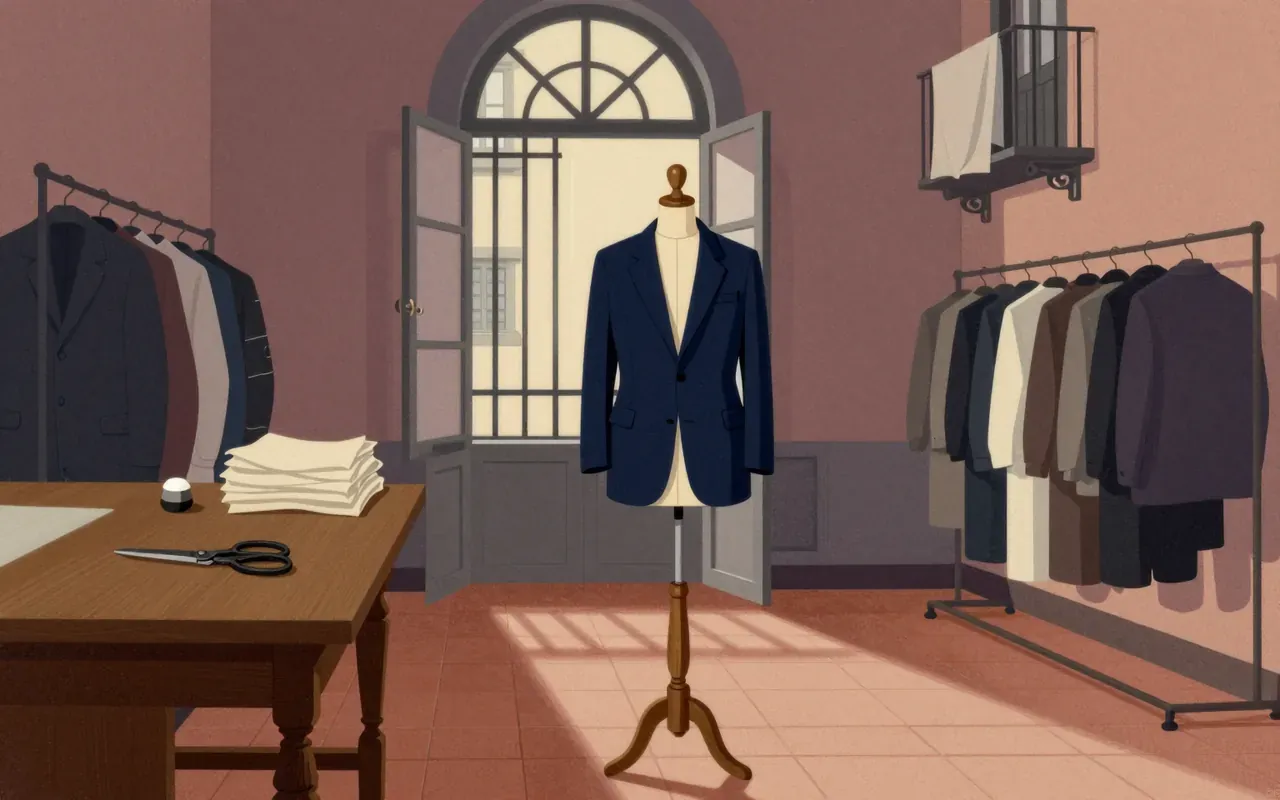
Rubinacci invented the unstructured jacket not as rebellion—but as precision for real life.
10:32

The Row (fashion label)

Mary-Kate and Ashley Olsen · 2006

The Row is a fashion house built on subtraction: no names, no interviews, no deviation from material specificity. Its first collection—seven pieces, all purchased by Barneys New York—proved that luxury could be silent, rigorous and commercially viable without spectacle.

9:46

Chloé

Chloé didn’t make clothes first—it made a new kind of fashion company.
9:05

Cotton

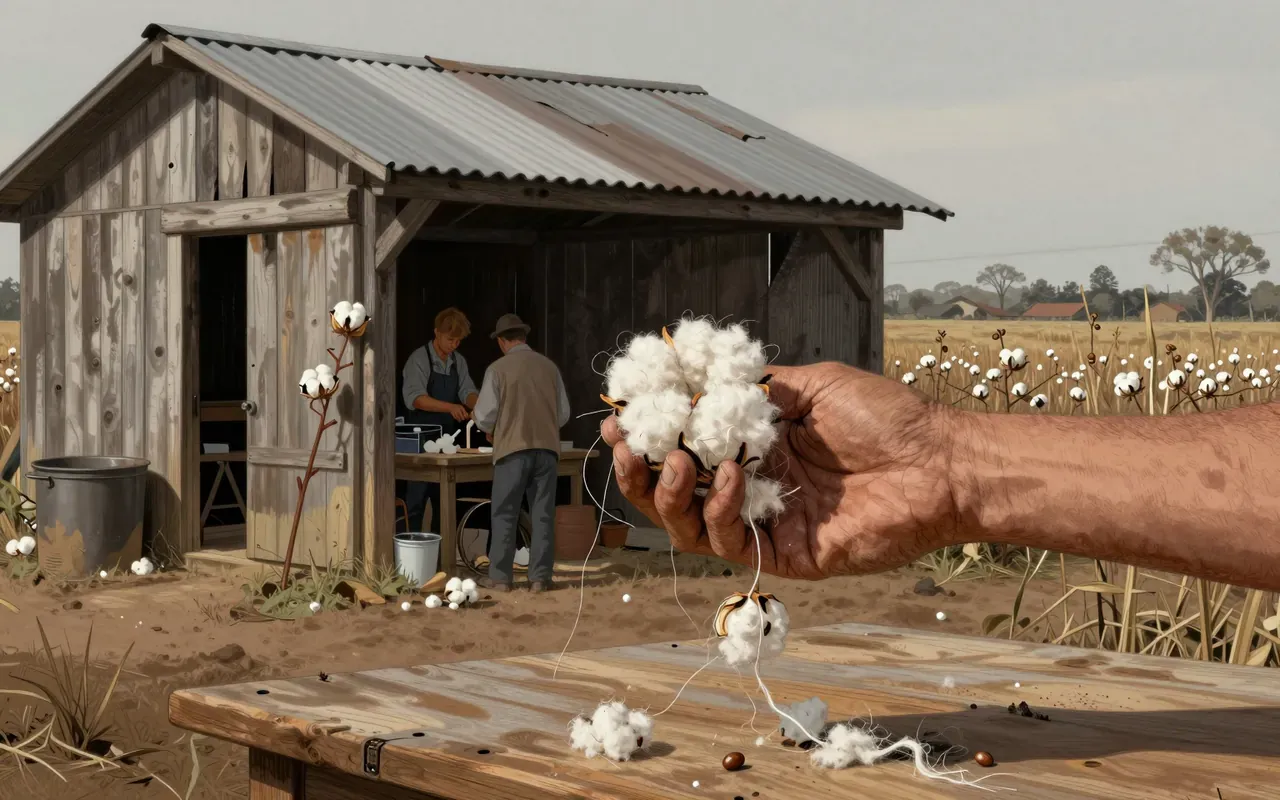
Cotton is not clothing—it’s the first textile that let humans wear climate, not armour.
9:42

Harper's Bazaar

The longest-running women’s fashion magazine isn’t a relic—it’s a live wire of editorial reinvention, wired straight from 1867.
9:35

I-D

A wink is not charm—it’s a contract. i-D made it the only rule that never changed.
8:46

Kevlar

Kevlar isn’t clothing — it’s calibrated refusal: a fibre that says no to bullets, no to steel, and no to comfort.
9:51

Lanvin

Romance is not decoration — it is discipline, and Lanvin built it stitch by stitch.
9:41

Levi Strauss & Co.

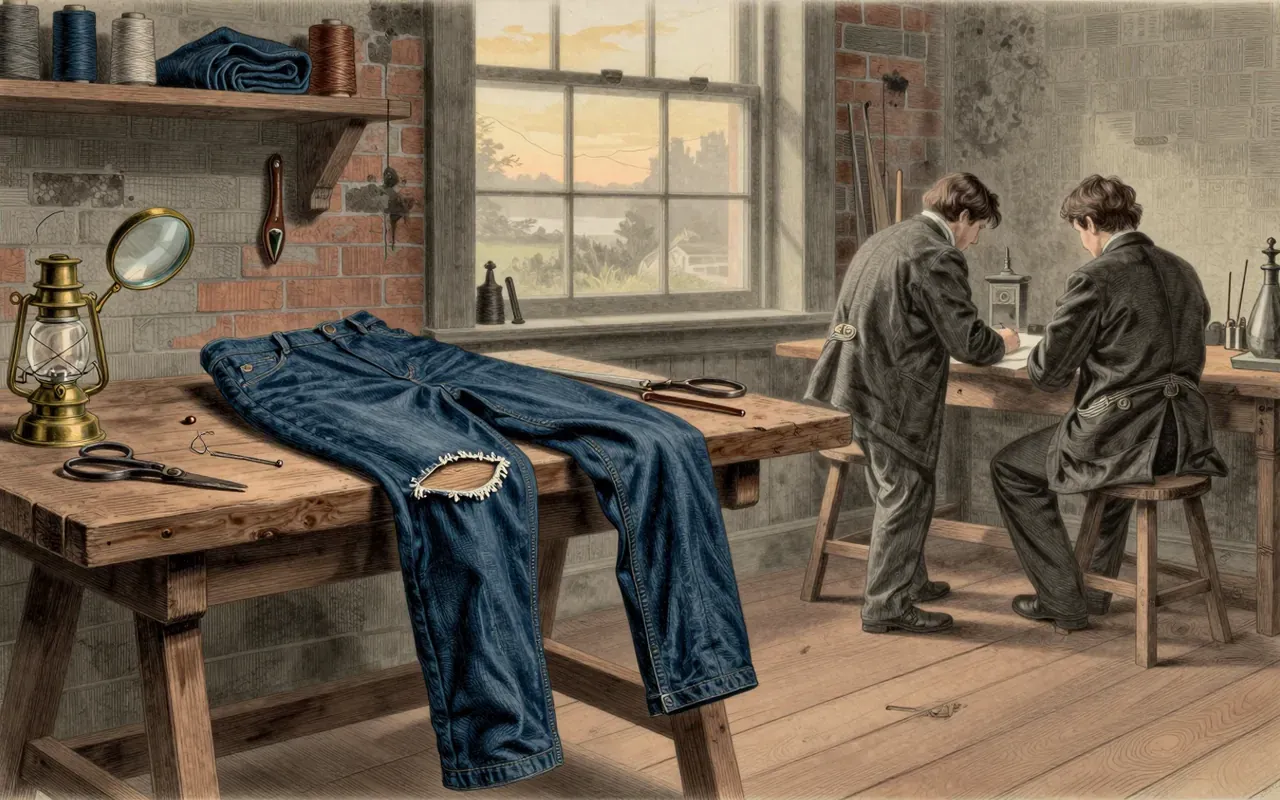
Denim’s first functional patent wasn’t about style—it was about stopping seams from splitting on a gold miner’s thigh.
8:48

Miniskirt

A garment that replaced suspenders with tights—and respectability with legroom.
10:24

Moschino

Moschino doesn’t dress bodies—it weaponises them as billboards for camp, copyright lawsuits, and ecological yearning.
9:44

Oscar de la Renta

Elegance is not inherited — it’s engineered, and de la Renta built it for Kennedy’s shoulders, not history’s.
10:24

Stüssy

A surfboard signature, copied from an uncle’s hand, became a fashion house — not by design, but by distribution from a car.
9:26

Versace

Versace didn’t make clothes for bodies—it made them for entrances.
8:00

Wool

Wool doesn’t drape—it defends. And it does so with keratin, crimp, and a third-of-its-weight thirst for water.
9:16

Zegna

Zegna didn’t make suits — it built wool-based operating systems for the human frame.
9:32

Aimé Leon Dore

Post-streetwear isn’t a trend—it’s a recalibration of where heritage ends and the block begins.
9:03

Belstaff

Wax cotton wasn’t invented for fashion—it was bolted onto jackets to keep riders dry while leaning into corners.
11:10

Bill Blass

Bill Blass didn’t dress women for the red carpet—he dressed them for the rest of their lives.
9:49

Burberry

A war coat that refused demobilisation—and made utility legible as authority.
9:34

Coco Chanel

Chanel didn’t liberate women’s bodies—she outsourced their discipline to jersey.