fashionbriefs
Newest

All briefs

372 briefs · 3501 min · 1–96 on page 1 of 4
8:27

Fendi

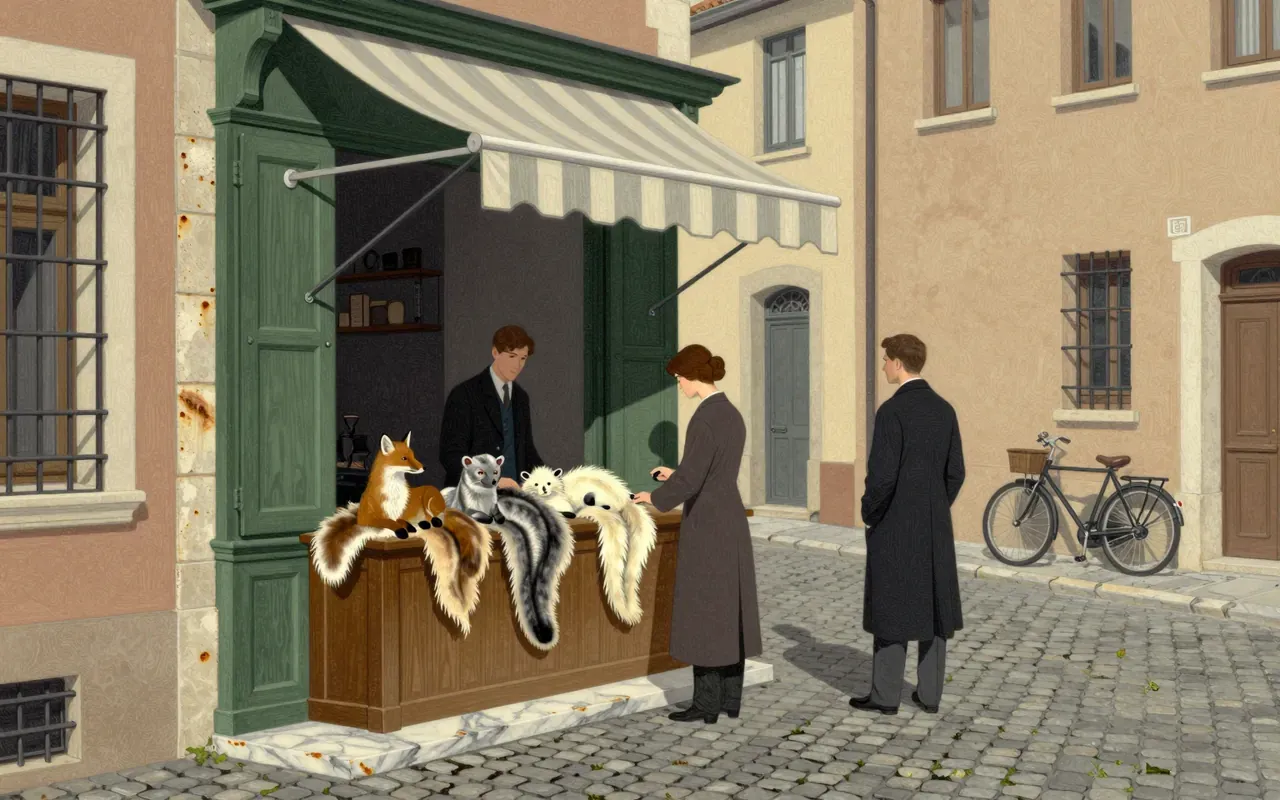
Fendi is an Italian luxury fashion house, founded in Rome in 1925 as a fur and leather shop.
8:00

Nylon

Wallace Carothers · 1935

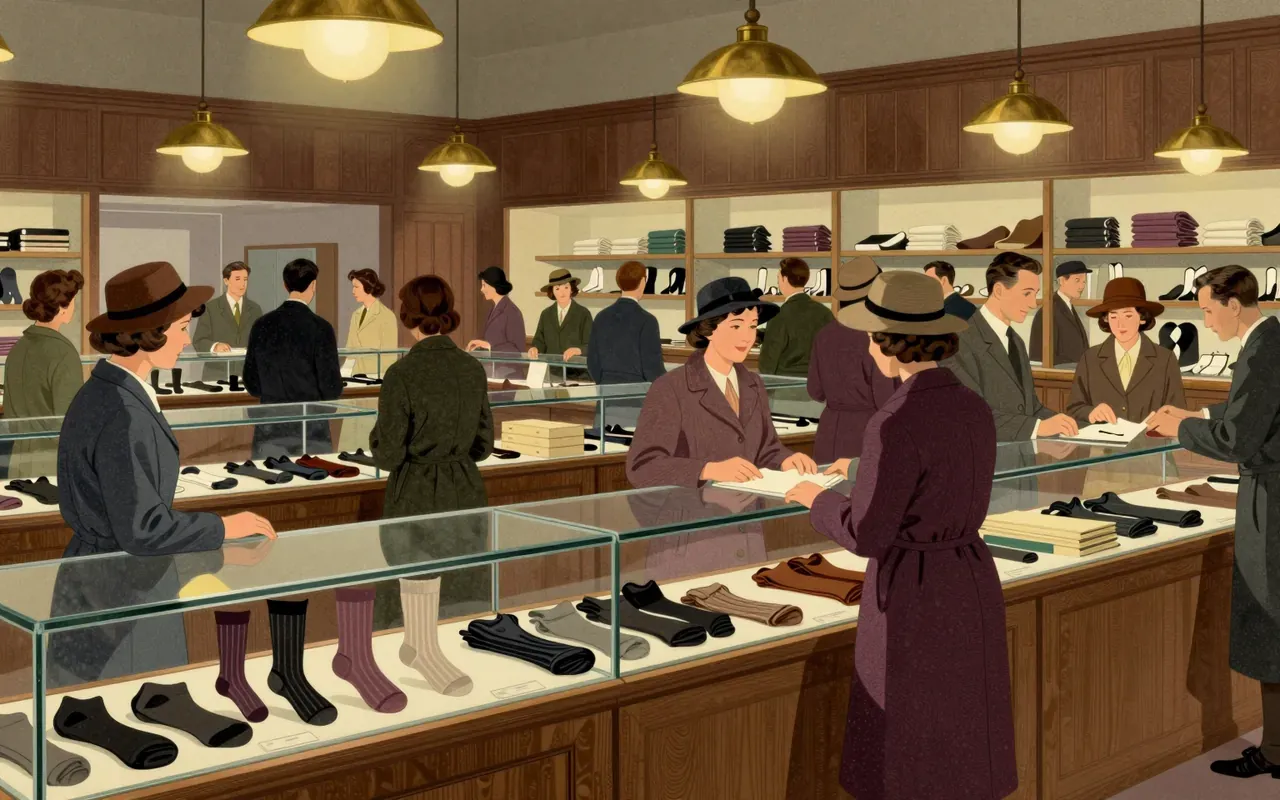
Nylon is a family of synthetic thermoplastics characterised by amide linkages, melt-processed into fibres, films and moulded shapes. Wallace Carothers made the first one at DuPont in 1935, and women's stockings made it famous. Pure nylon's weaknesses in clothing led to blends with cotton, polyester and spandex, and pure nylon is now rarely used.

8:26

Patagonia

Patagonia, Inc. is an American outdoor clothing company founded by Yvon Chouinard in 1973 and based in Ventura, California.
9:15

Sportswear

Sportswear is a style of dress rooted in athletic clothing, built on relaxed, practical separates, and an American fashion tradition that grew into a global genre.
9:22

The bustle

The bustle is a padded undergarment or wire frame worn under the skirt at the back of a woman's dress in the mid-to-late 19th century.
10:13

Casablanca

Casablanca is a Paris fashion label, founded in 2018 by Charaf Tajer, known for après-sport clothing and hand-painted prints.
9:53

Jersey

Jersey is a knit fabric, first made of wool and now also of cotton and synthetic fibres, used for T-shirts, underwear, dresses and sportswear.
8:22

Mizuno

Mizuno is a Japanese sports equipment and sportswear company, founded in Osaka in 1906, that makes gear for sports from golf and baseball to running and rugby.
9:27

Undercover

Undercover is a Japanese fashion label founded in 1993 by Jun Takahashi as a high-end streetwear label for men, women and children.
8:29

Dirk Bikkembergs

Fashion didn’t enter the stadium—it was invited in by a designer who made players his pattern-cutters.
8:42

Engineered Garments

Engineered Garments treats American clothing like open-source code—and Daiki Suzuki is its most rigorous contributor.
11:06

Sacai

Sacai doesn’t mix casual and formal—it engineers friction between them.
10:06

Air Jordan

A shoe that broke league rules to become a retail weapon—and collapsed under its own chemistry.
9:42

Louis Vuitton

A trunk is not a bag—it is a portable vault built to survive empire-scale movement.
9:56

Louis Vuitton

Louis Vuitton didn’t invent luggage—it killed the rounded top and made stacking non-negotiable.
8:00

Louis Vuitton

A trunk is not a bag—it’s a sovereign unit of travel, and Louis Vuitton built the first one that refused to break.
9:36

Street style

Street style is not fashion’s raw material—it is fashion’s first draft, written by the people it claims to serve.
8:57

A-2 jacket

It didn’t replace the A-1—it outlived bureaucracy, supply chains, and its own cancellation.
8:02

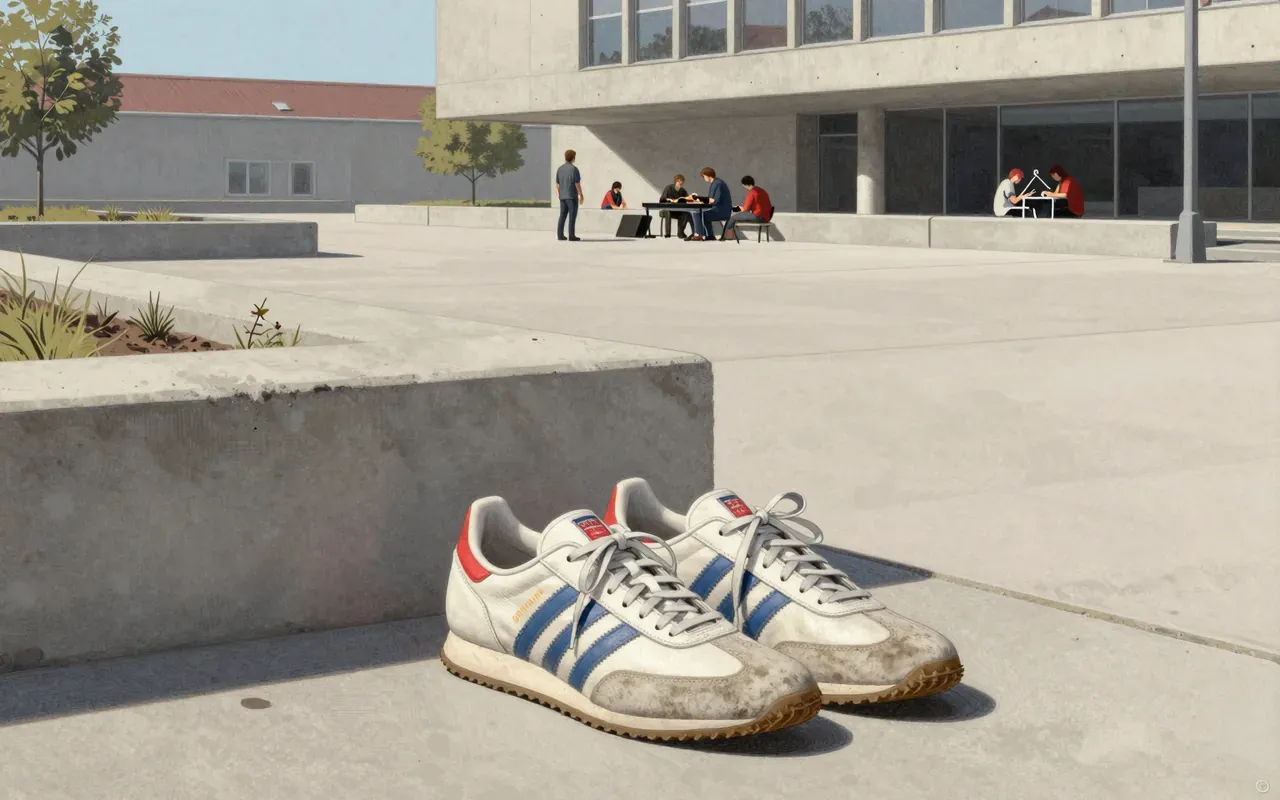
Adidas Campus

A wider, quieter, plainer alternative to the Samba—designed for feet, not footnotes.
8:17

Adidas SL 72

A running shoe that traded structure for speed—and put the trefoil on feet for the first time.
8:50

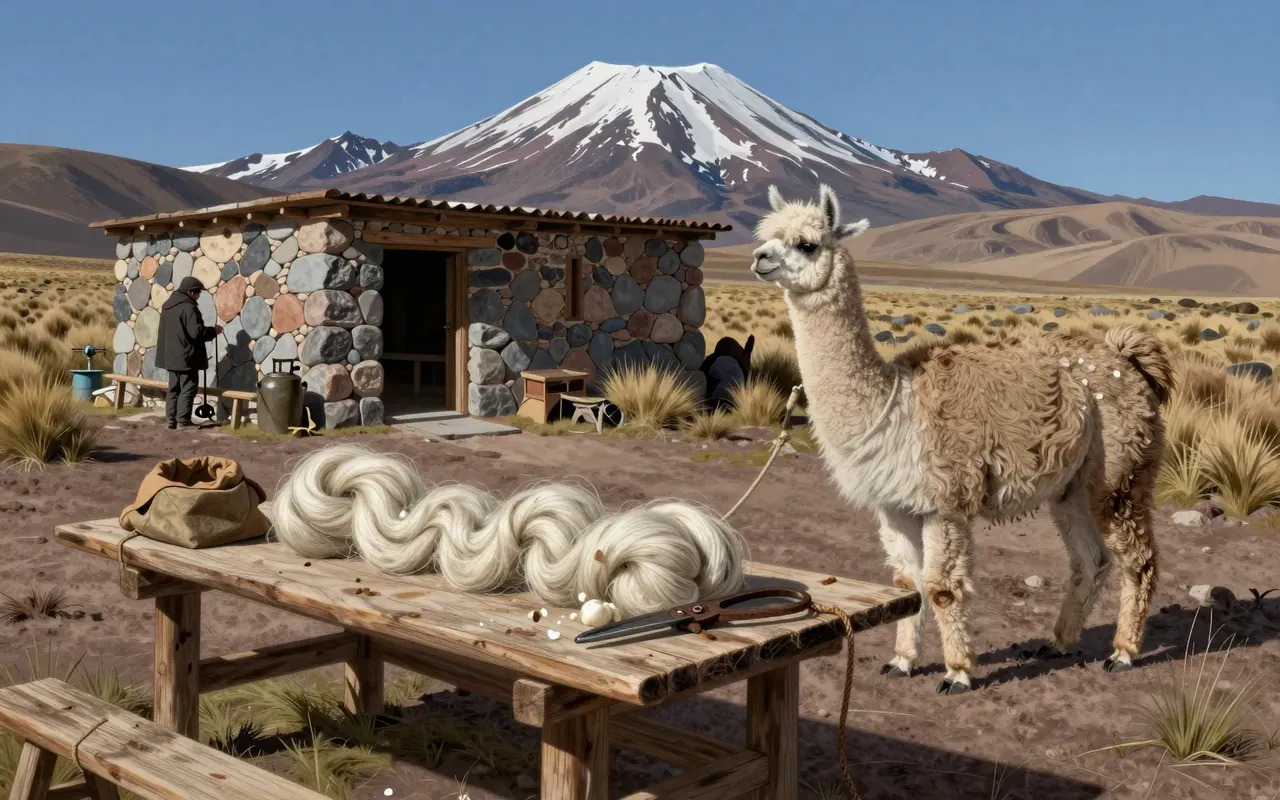
Alpaca

Alpaca isn’t a fabric — it’s a geography, a species, and two fibre types that refuse to behave like wool.
9:56

Amiri

Amiri didn’t reinvent luxury—it rerouted its pipeline from Paris to LA and back again.
9:24

Asics

A Latin motto made literal—not through slogans, but through gel, geometry, and Kobe-based biomechanics.
11:12

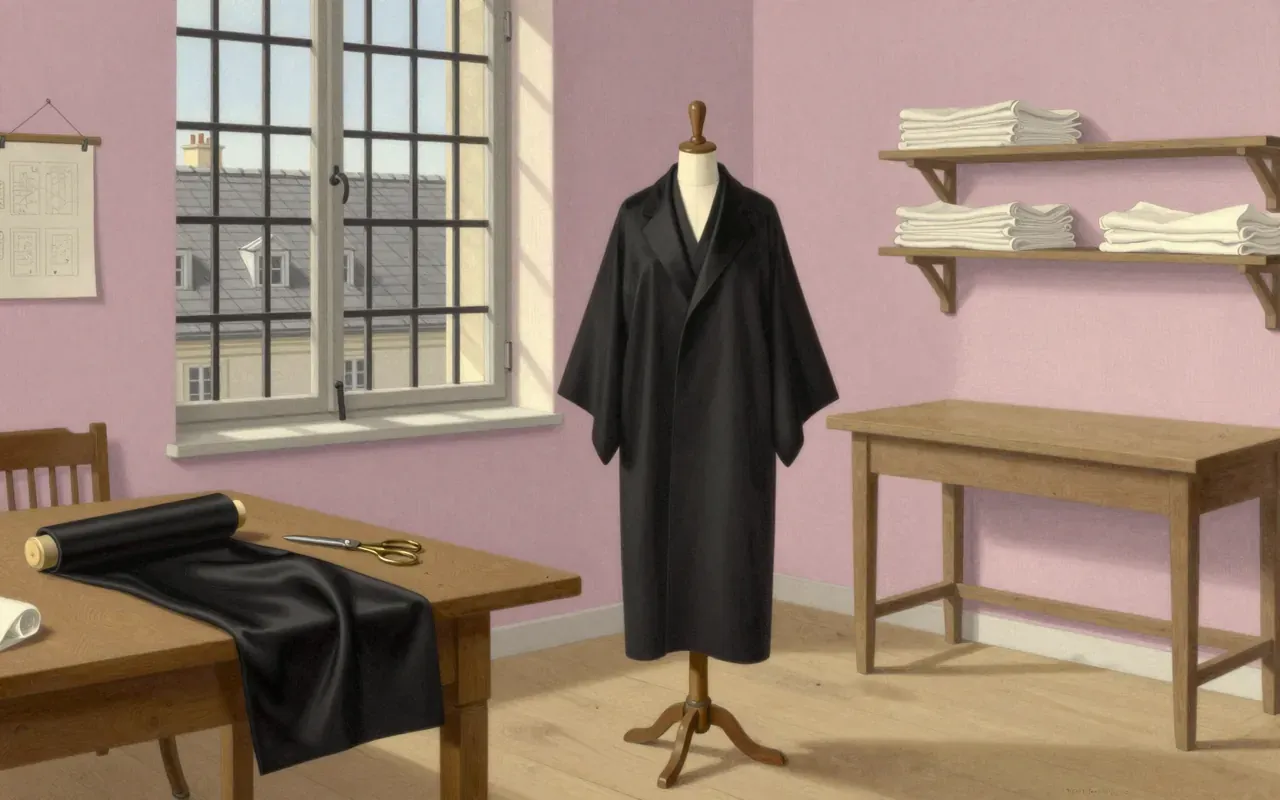
Balenciaga

Cristóbal Balenciaga · 1917

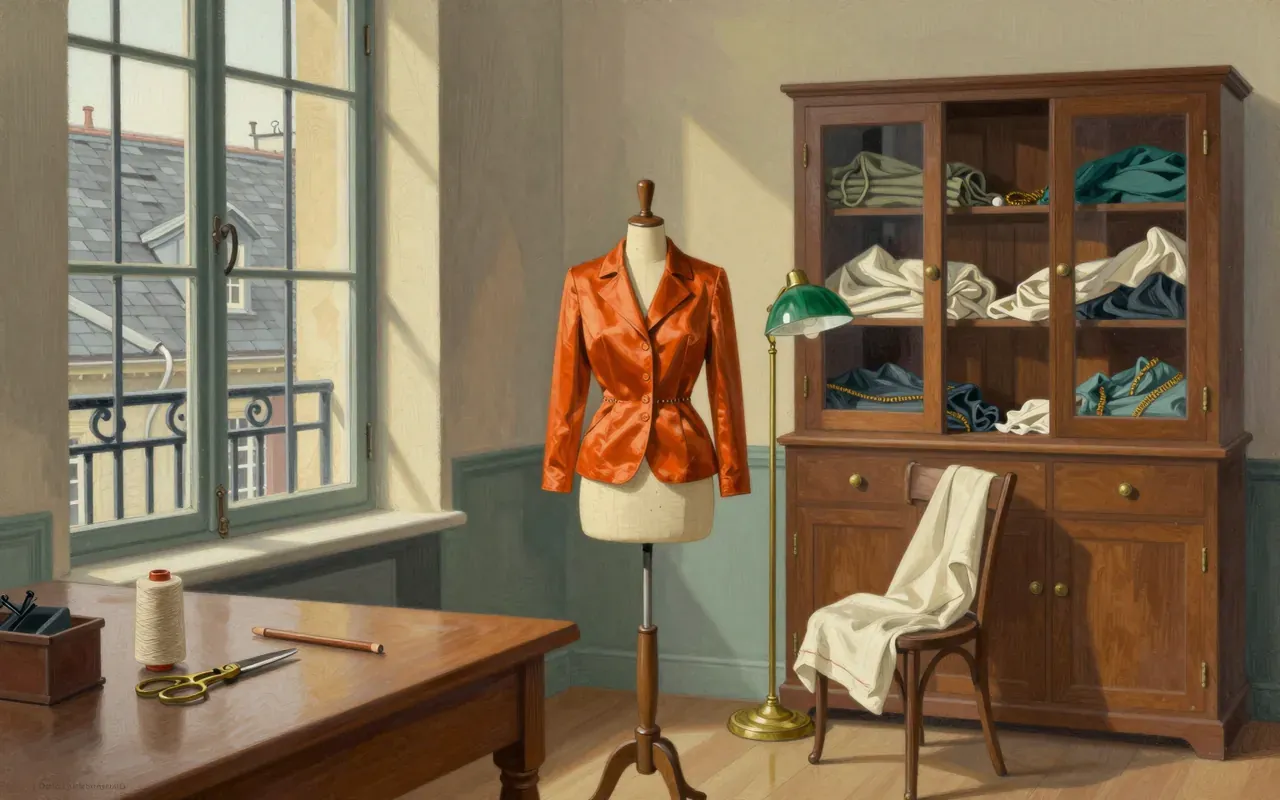
Balenciaga is a Spanish luxury fashion house founded in San Sebastián in 1919 and established in Paris in 1937. Its foundational innovation lay in radical silhouette transformation—broadening shoulders, removing waists, introducing tunic and chemise dresses, and culminating in the kimono-cut Empire line. This constituted its most important contribution: a new silhouette for women. To protect design integrity, Balenciaga shifted press showings to the day before retail delivery in 1957, defying industry norms and resisting both press expectations and the Chambre Syndicale de la Haute Couture Parisienne, of which he was never a member.
14:14

I-beam

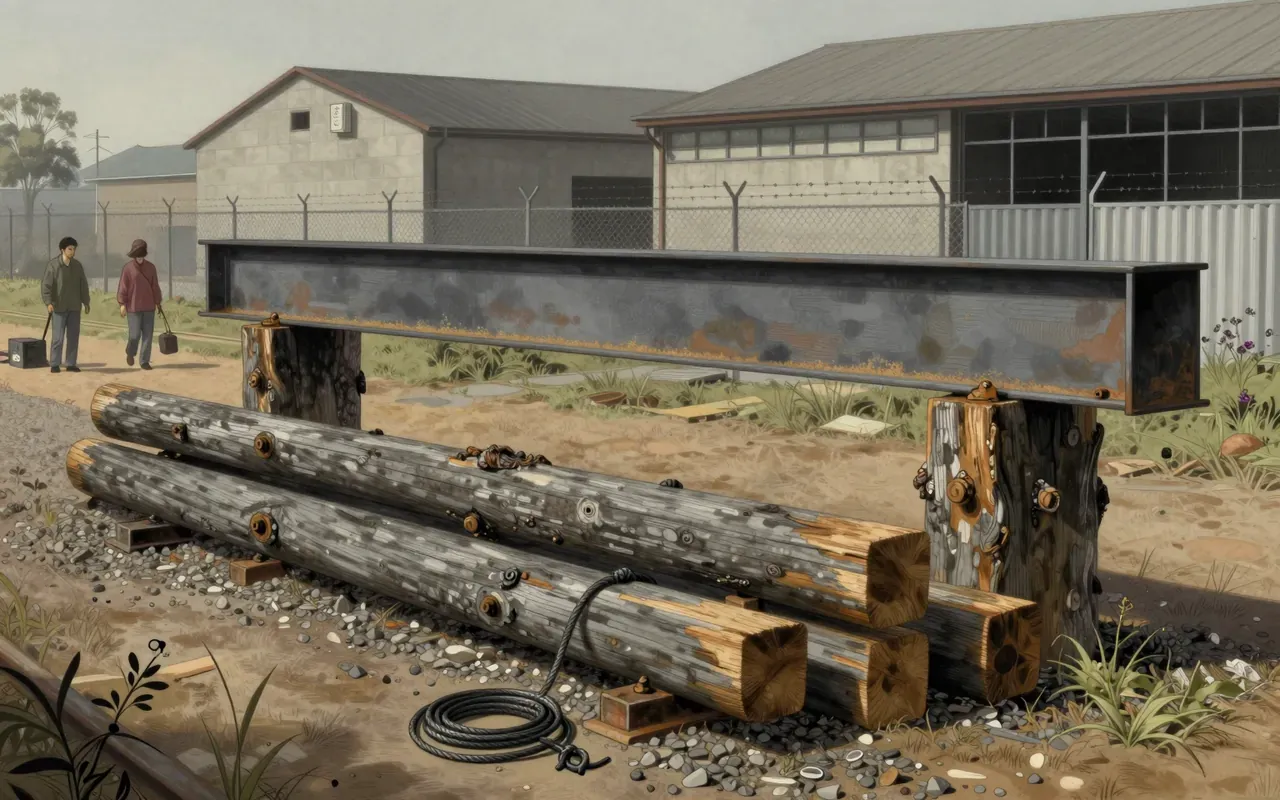
An I-beam is not fashion—it is physics made visible, and wearing one would be structural suicide.
9:07

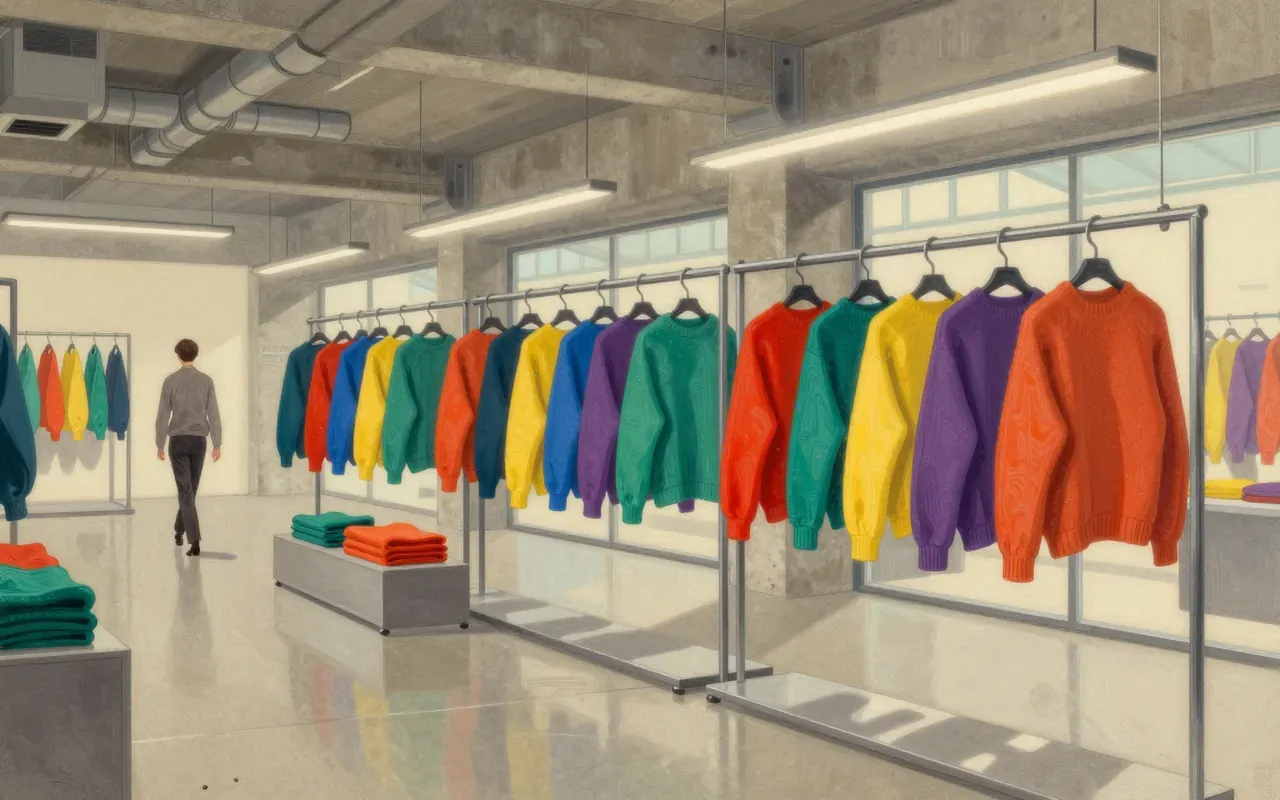
Benetton Group

Benetton didn’t sell sweaters — it sold advertising dressed as clothing.
9:36

Boglioli

Tailoring without scaffolding: Boglioli’s jacket dyes its way out of tradition.
8:18

Marinière

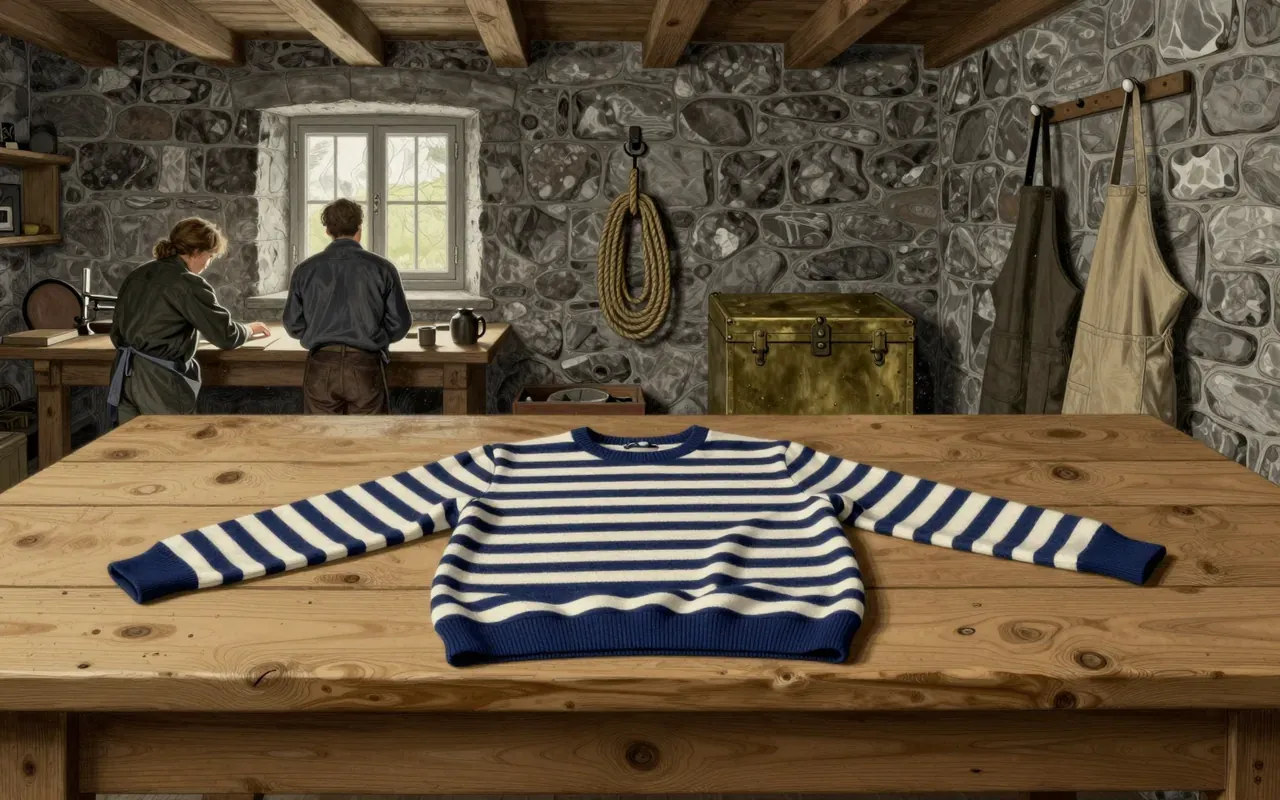
A naval visibility tool that became fashion’s most obedient rebel.
8:45

Brooks Brothers

Brooks Brothers didn’t invent American style—it built its wardrobe like a factory: precise, repeatable, and indifferent to the body.
10:39

Canali

Canali didn’t invent Italian tailoring — it industrialised its authority.
10:44

Cashmere wool

Cashmere regulates temperature and absorbs moisture — but it cannot regulate its own supply chain.
9:44

Celine (brand)

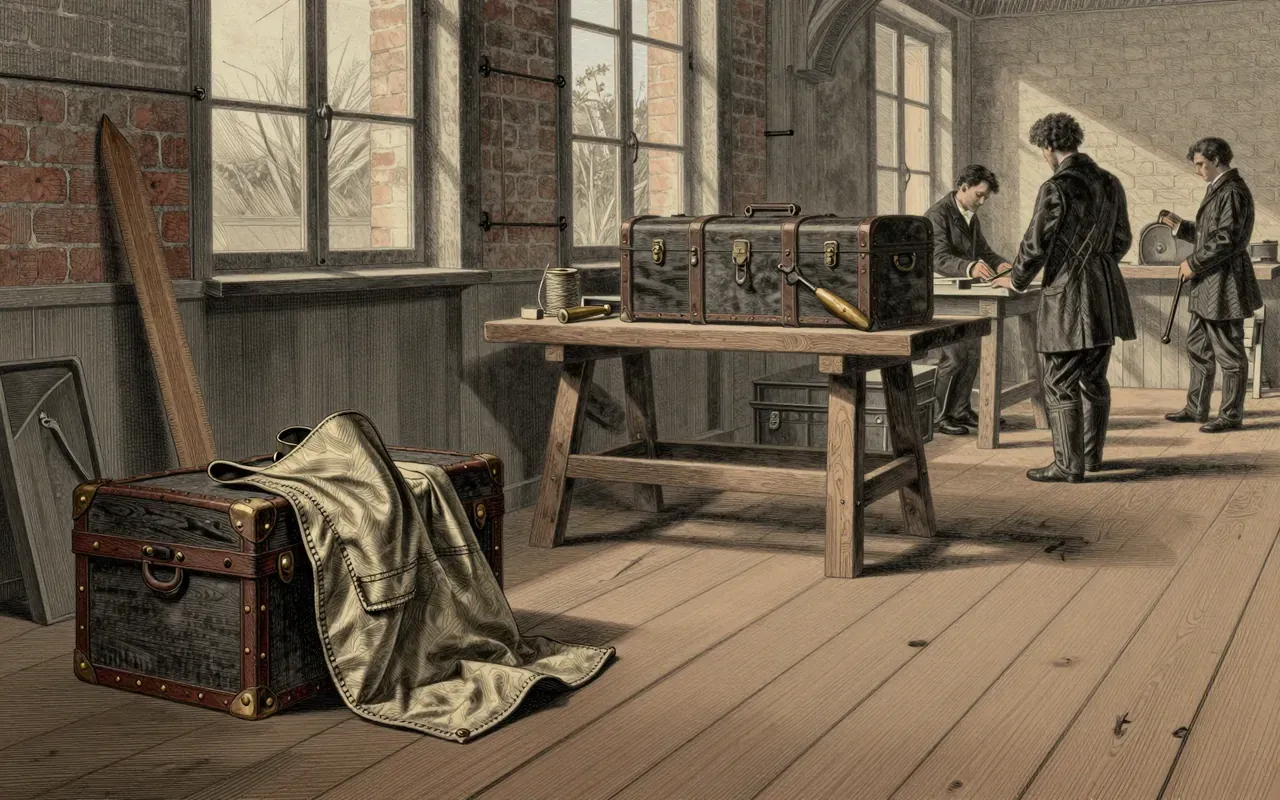
Celine began not with clothes, but with children’s shoes — and never stopped thinking like a bootmaker.
9:29

Christian Dior

Dior didn’t liberate women—he re-enchanted them with structure, season by season.
11:29

Colette (boutique)

The Paris concept store that sold fashion, books and a hundred bottled waters for twenty years, and gave Raf Simons and Sacai early racks.
9:56

Cordura

DuPont's 1929 tyre-cord rayon, turned into the tough fabric of motorcycle trousers and military packs.
9:48

Corneliani

Corneliani is not Italian elegance—it is Italian engineering applied to the suit.
9:17

Dazed

Dazed is not a magazine—it’s a publishing posture: student-made, colour-switched, club-promoted, and never sold off.
9:26

Descente

Descente doesn’t make clothes — it builds wearable physics labs for bodies moving at speed in extreme cold.
9:10

Donegal tweed

Donegal tweed is not Irish wool — it’s a label borrowed from a place, then detached from it.
8:30

April 1960

A boot built to last—not to flatter, not to fade, not to follow.
9:36

Armani

Armani is not a style—it’s a logistical doctrine dressed as tailoring.
9:06

Evisu

A denim label whose hand-painted seagull became a legal liability before it became a logo.
9:16

Fashion blog

Fashion blogs didn’t just report on trends—they rewired who gets to set them.
9:05

Fiorucci

Fiorucci didn’t sell clothes—it sold permission to import culture.
9:24

Polar fleece

Fleece liberated warmth from wool—and trapped us in static, shedding, and wet-weather failure.
9:37

Ganni

Ganni is not a bridge between fast fashion and couture—it’s the first brand to name that gap as its address.
9:19

Goyard

A Paris trunk maker since 1853, and the house that made its own canvas, Goyardine, its signature.
9:36

Guy Laroche

Guy Laroche made couture you could wear to lunch—and still be remembered after dessert.
9:22

Helmut Lang (fashion brand)

Minimalism was never about less—it was about removing everything until only the cut, the line, and the fabric’s behaviour remained.
9:32

Birkin bag

A bag designed for diapers became a lockbox for status — its function buried under its own exclusivity.
8:58

Kelly bag

A bag that trades utility for authority—and makes you wait for both.
9:42

Isaia

Isaia tailoring doesn’t hide from the sun—it fights back with colour and coral.
9:18

Ivy League (clothes)

Ivy League clothing was not rebellion—it was recalibration: sportswear stripped of sport, tailoring stripped of tension, class stripped of ceremony.
10:06

Jeanne Paquin

Paquin was not a seamstress — she was the first woman to run French fashion like a sovereign.
10:40

Kate Moss

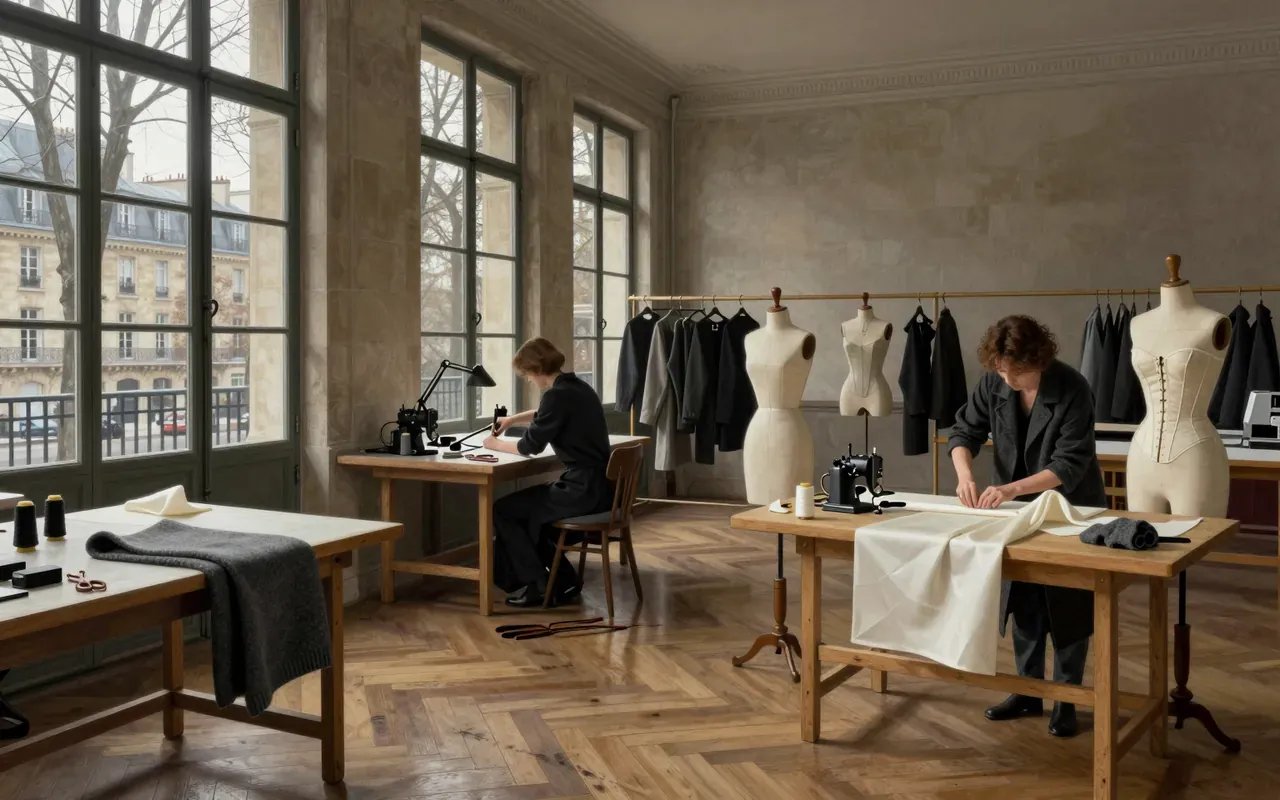
Kate Moss didn’t design clothes—she licensed a silhouette, a stitch, and a letter.
9:25

Kith (brand)

Kith isn’t a clothing brand—it’s a retail operating system disguised as streetwear.
8:53

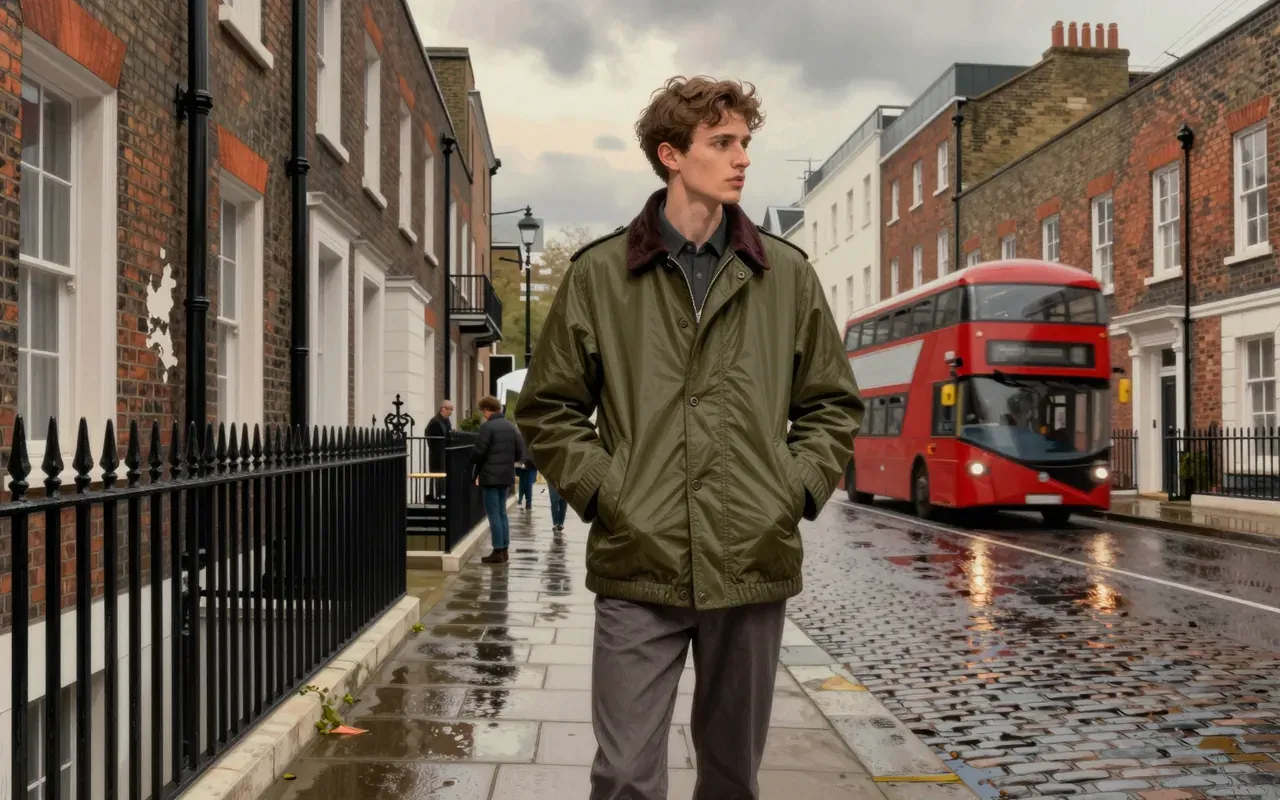
Lee (brand)

Lee built workwear like infrastructure—not to be seen, but to hold up the body’s labour.
9:59

Spandex

Spandex gives clothes their grip—but kills their afterlife.
11:22

Marc Jacobs

Marc Jacobs doesn’t make clothes—he makes conditions for contradiction.
9:43

Marni (brand)

Marni trades in intelligent discomfort — and has done so since its fur-trade origins demanded it.
8:17

Martin Margiela

Martin Margiela

Maison Martin Margiela is a fashion house founded in 1988 in Paris through a collaborative venture with Jenny Meirens. Its debut show took place in fall 1989 at a derelict playground in a North African neighborhood on the outskirts of Paris. The show used an uneven runway and intentionally stumbling models to create a shocking public spectacle. The debut collection rejected contemporaneous extravagance in favour of ripped sleeves, frayed hems, and clumpy shoes. Local children hand-drew invitations in school art classes and sat in the front row to honour the community. The label’s trademark is a cloth badge numbered 0–23, attached with four small white tack stitches, exposed externally on unlined garments. Margiela consistently remained backstage and declined to take a bow after shows, distinguishing himself from peers. From 1988 onward, Margiela refused all formal interviews and photographic appearances.
9:16

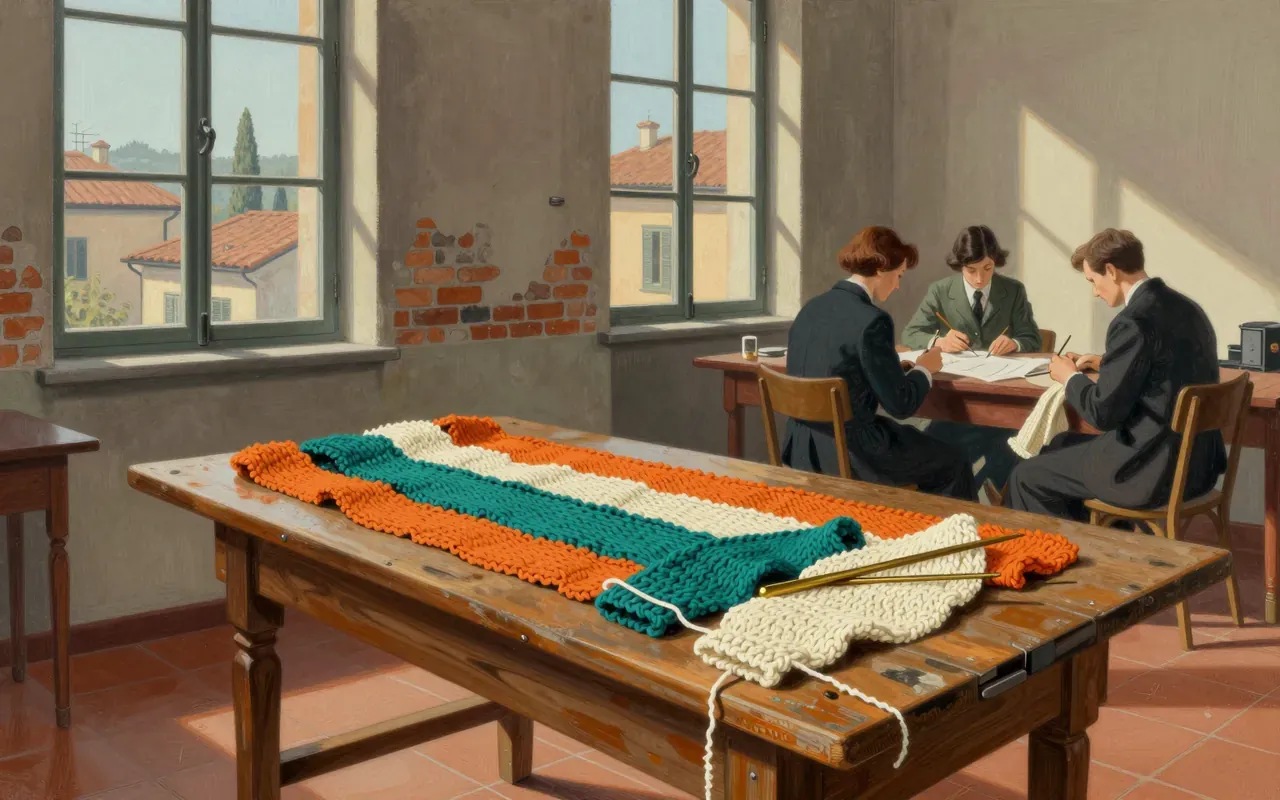
Missoni

Missoni didn’t make sweaters—it weaponised knit structure.
9:27

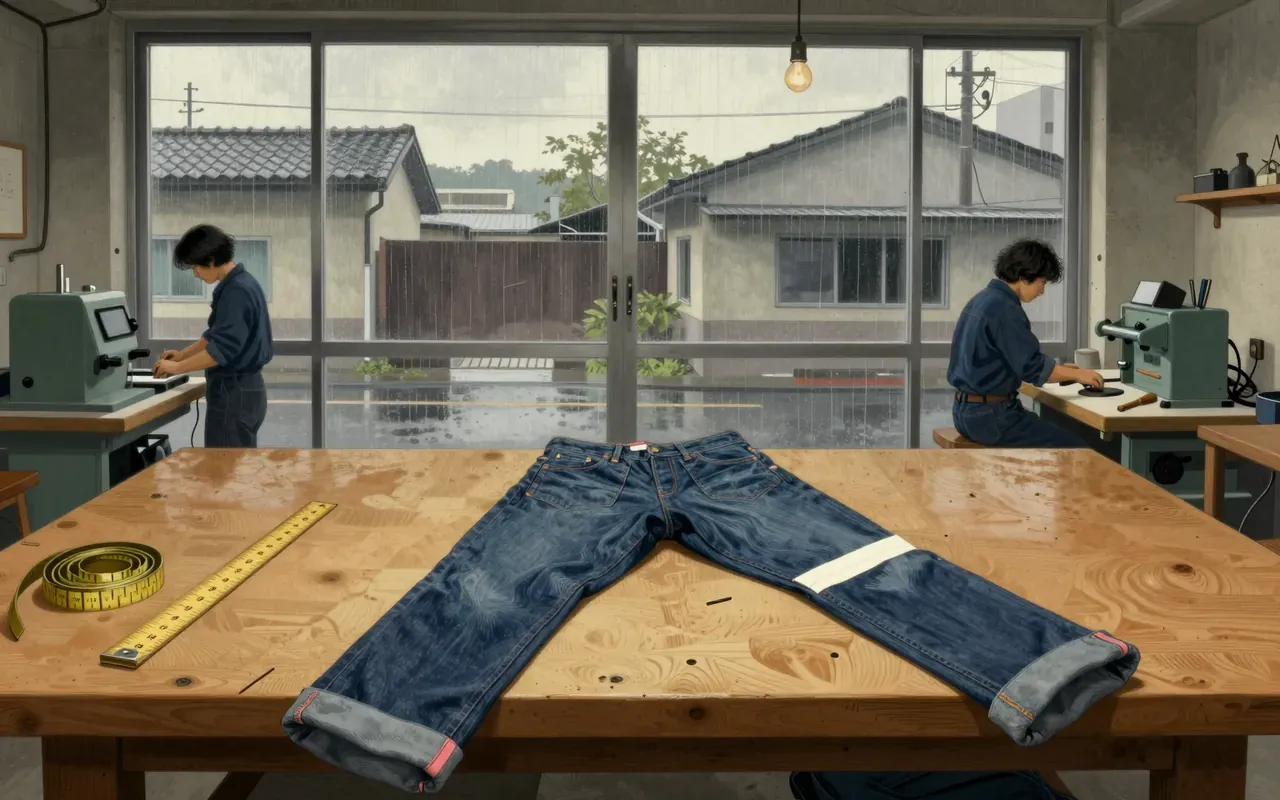
Momotaro Jeans

Denim that refuses to forget where it came from—or how hard it was made.
9:12

Mulberry Group

Roger Saul · 1971

Mulberry Group was founded in 1971 by Roger Saul and his mother Joan as a British leather goods company. It built its reputation on functional poacher bags—the binocular and dispatch bags—rooted in rural utility rather than urban display. Production began in Somerset in 1973 and remains anchored there for core designer leather goods, while men’s bags and small leather goods are made in Turkey and China respectively. An apprenticeship programme launched in 2006 trains local youths for Somerset factory roles, with job offers extended to graduates. Mulberry’s strength lies in its material honesty and regional continuity; its compromise is the fragmentation of its making across geographies and standards.
9:20

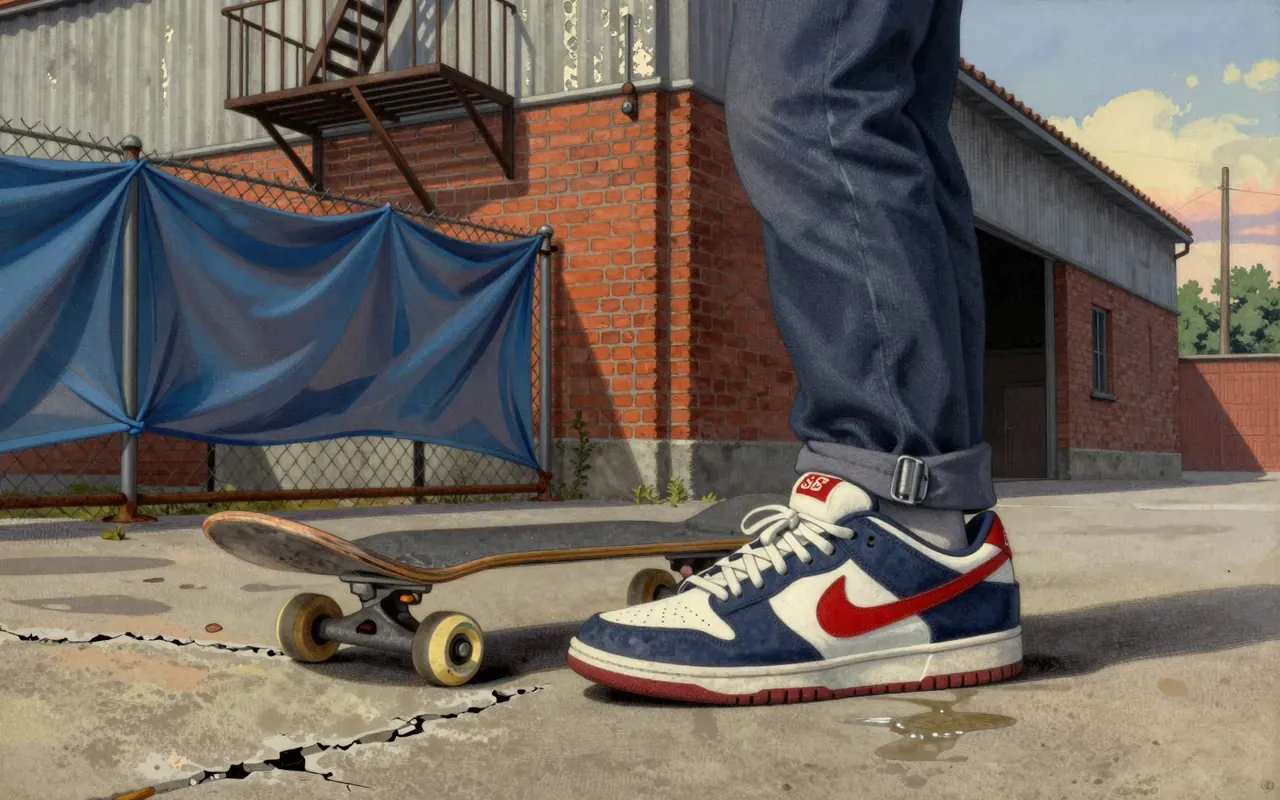
Nike Dunk

A basketball shoe that won a second life by wearing university colours like uniforms—and treating skaters like athletes.
9:12

Noah (brand)

Noah stitches Long Island breezes, New Wave static, and Thursday-morning discipline into menswear — no nostalgia, no excuses.
10:05

Pierre Cardin

Cardin didn’t dress bodies—he dressed ideas, and they still don’t fit comfortably.
9:51

Preppy

Preppy isn’t style — it’s a class passport stamped at boarding school.
10:43

Proenza Schouler

Proenza Schouler is a case study in calendar-driven brand architecture—not a design movement.