fashionbriefs
Highest rated

All briefs

372 briefs · 3501 min · 97–192 on page 2 of 4
8:26

Dolce & Gabbana

A slip built like a corset, shot like a neorealist film—this dress refuses to be background.

9:33

Etro

Paisley is not a print—it’s Etro’s operating system.
8:18

Geoffrey Beene

Dressy doesn’t require discomfort—and Beene proved it with sweatshirt fabric and couture lines.
8:23

Halston

Halston didn’t simplify fashion—he stripped it of lies.
9:54

Harris tweed

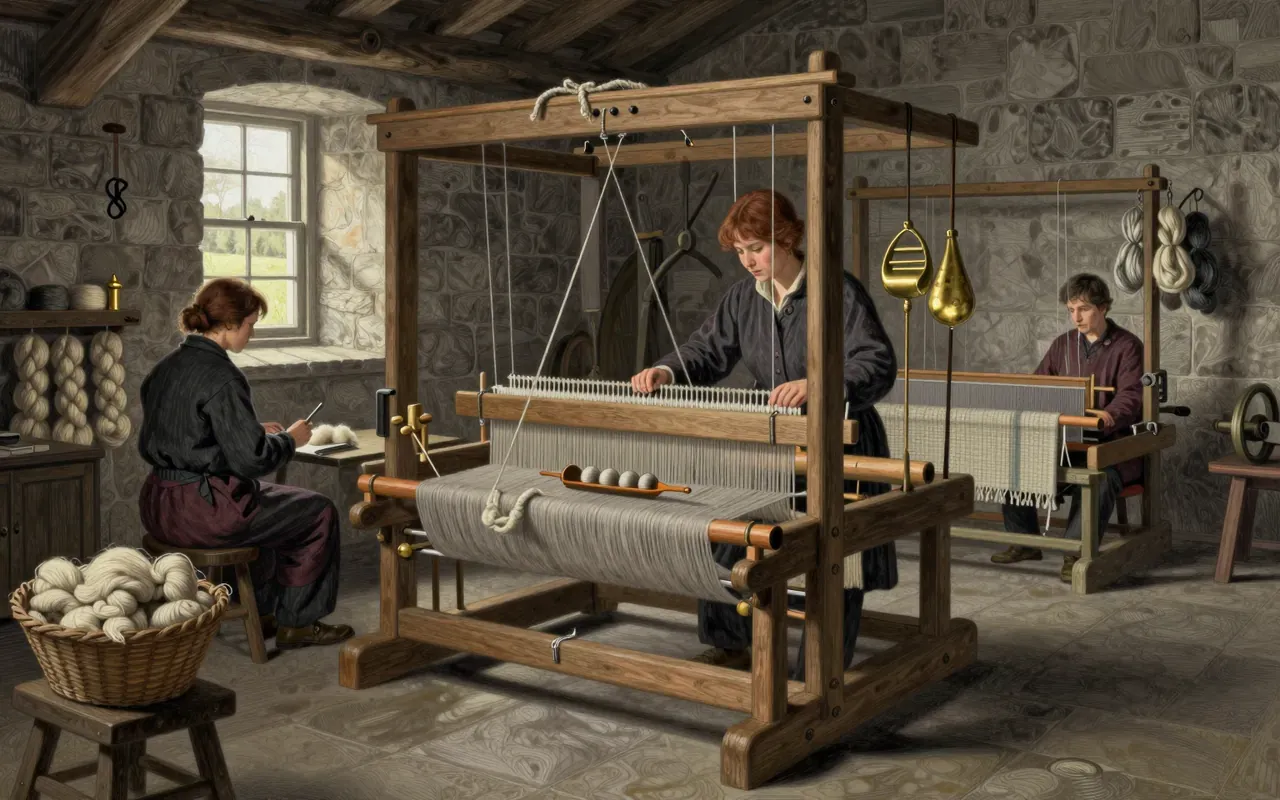
Harris tweed is law written in wool—not heritage, not craft, but statute enforced by weekly mill inspections and iron-on Orb Marks.
9:54

Hubert de Givenchy

Glamour was never about fabric. Givenchy proved it with cotton, geometry, and five Black American women.
7:09

Jean Patou

Jean Patou didn’t liberate women’s bodies — he equipped them for sport.
9:20

Junya Watanabe

Monozukuri is not philosophy — it’s seam allowance, stitch placement, and the deliberate weight of cotton against synthetics.
8:06

L.L.Bean

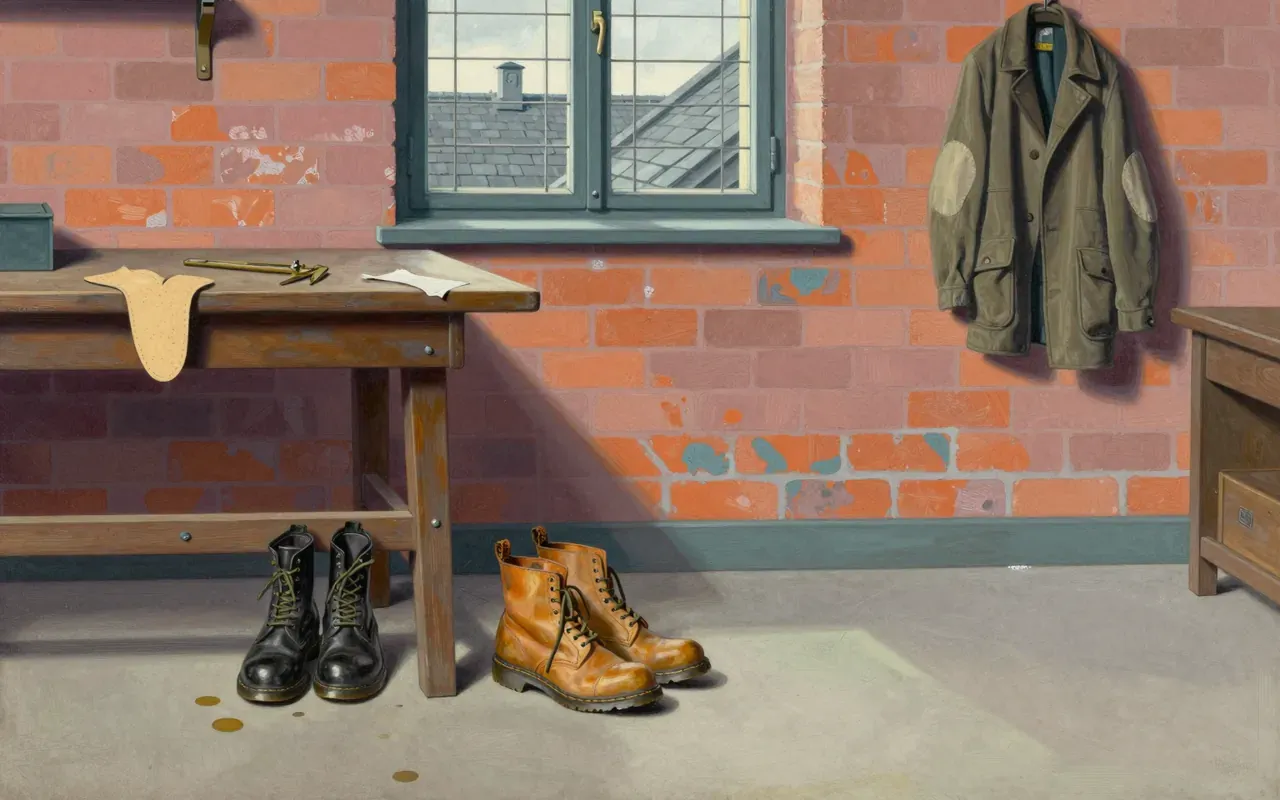
A boot built to fail—then fixed, guaranteed, and worn into legend.
8:28

Madeleine Vionnet

Bias cutting isn’t a trick — it’s the first garment to treat the body as a sequence of curves, not a set of angles.
8:09

Martine Rose

Martine Rose doesn’t design clothes for men—it designs menswear that refuses to stay put.
11:40

Max Mara

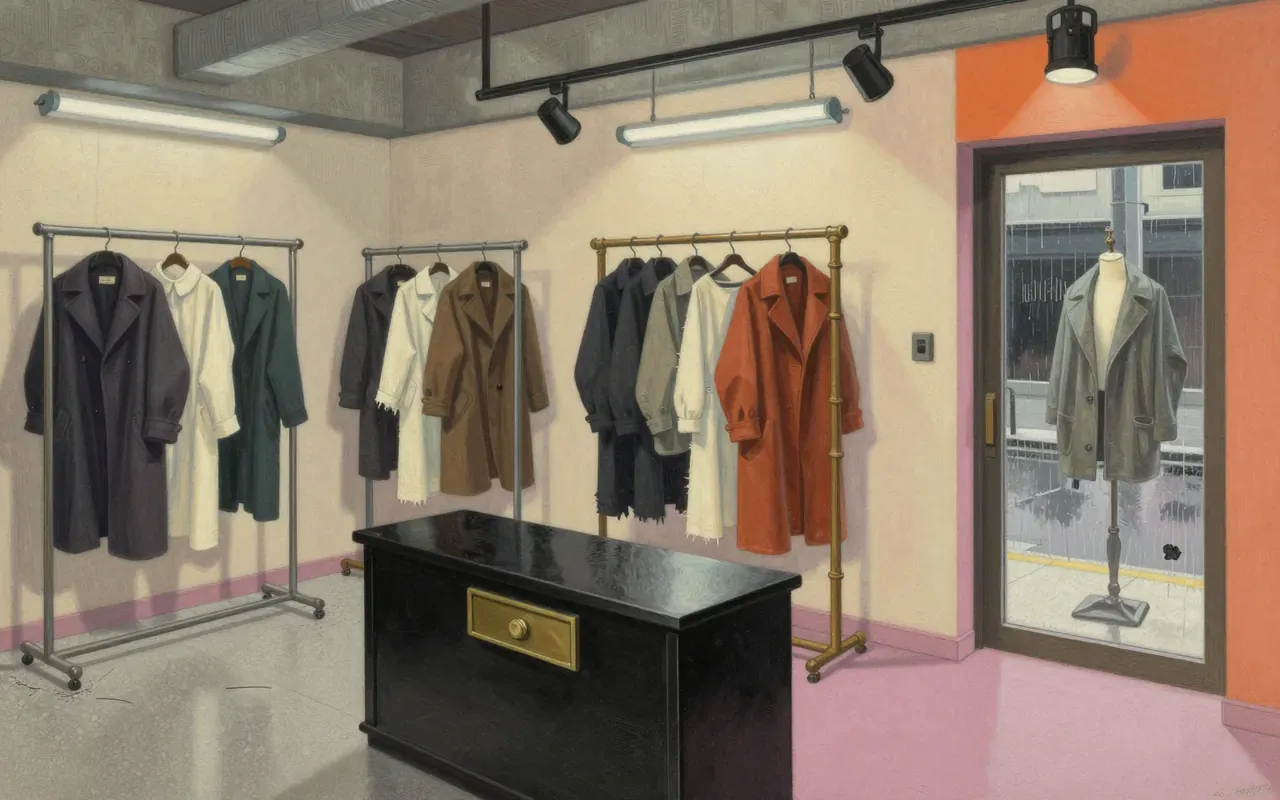
Max Mara didn’t make coats for weather—it made them for posture, presence, and permanence.
10:27

Parka

The parka isn’t versatile—it’s a specialist: built for Arctic stillness, not city motion.
10:14

Nino Cerruti

Cerruti didn’t make suits for men. He made suits for men who had to hold a room—and a camera’s attention—without saying a word.
8:55

Omega Speedmaster

A racing chronograph that accidentally became the only watch ever certified for spacewalks—and never changed its mind about what it was built for.
8:56

Paco Rabanne

Fashion stopped pretending to clothe the body — and started interrogating the idea of clothing itself.
9:38

Pierre Balmain

Balmain didn’t liberate the female form—he re-engineered its authority.
7:48

Rochas

Rochas didn’t make clothes — it edited the body’s margins.
9:41

Schott NYC

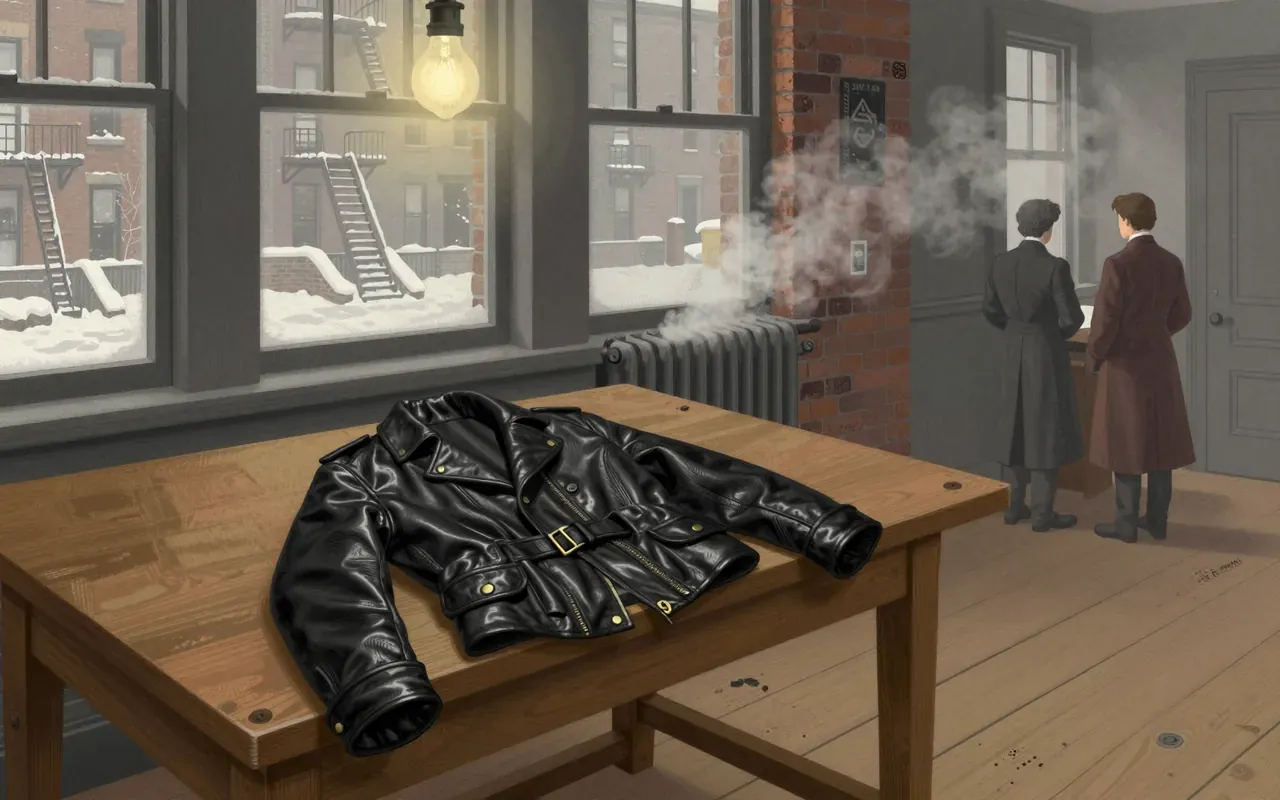
The first zippered jacket wasn’t fashion—it was friction, fitted, and forged on the Lower East Side.
9:16

Seersucker

A fabric that refuses to be pressed—and wins by staying puckered.
7:59

Sonia Rykiel

Black was not chosen for elegance—it was chosen for insistence, and this sweater made that clear.
8:30

Stone Island

Stone Island isn’t fashion — it’s textile engineering dressed as outerwear.
8:20

Thom Browne

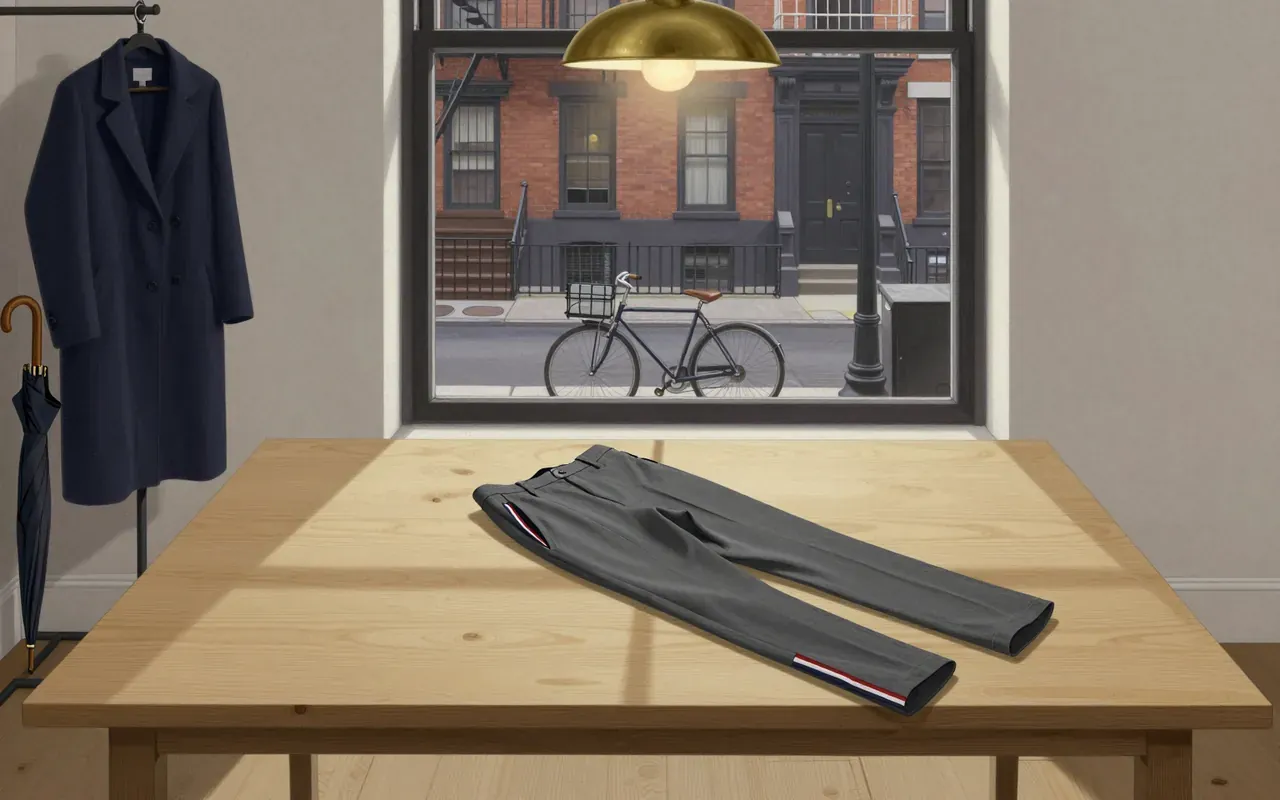
Tailoring as subtraction: every inch is surrendered, not added.
9:36

Tweed

Tweed is not heritage—it is hydrophobic wool with geography baked into its yarn.
10:46

Visvim

Visvim doesn’t make clothes — it makes slow, uneven, repairable arguments in cloth.
9:16

Sari

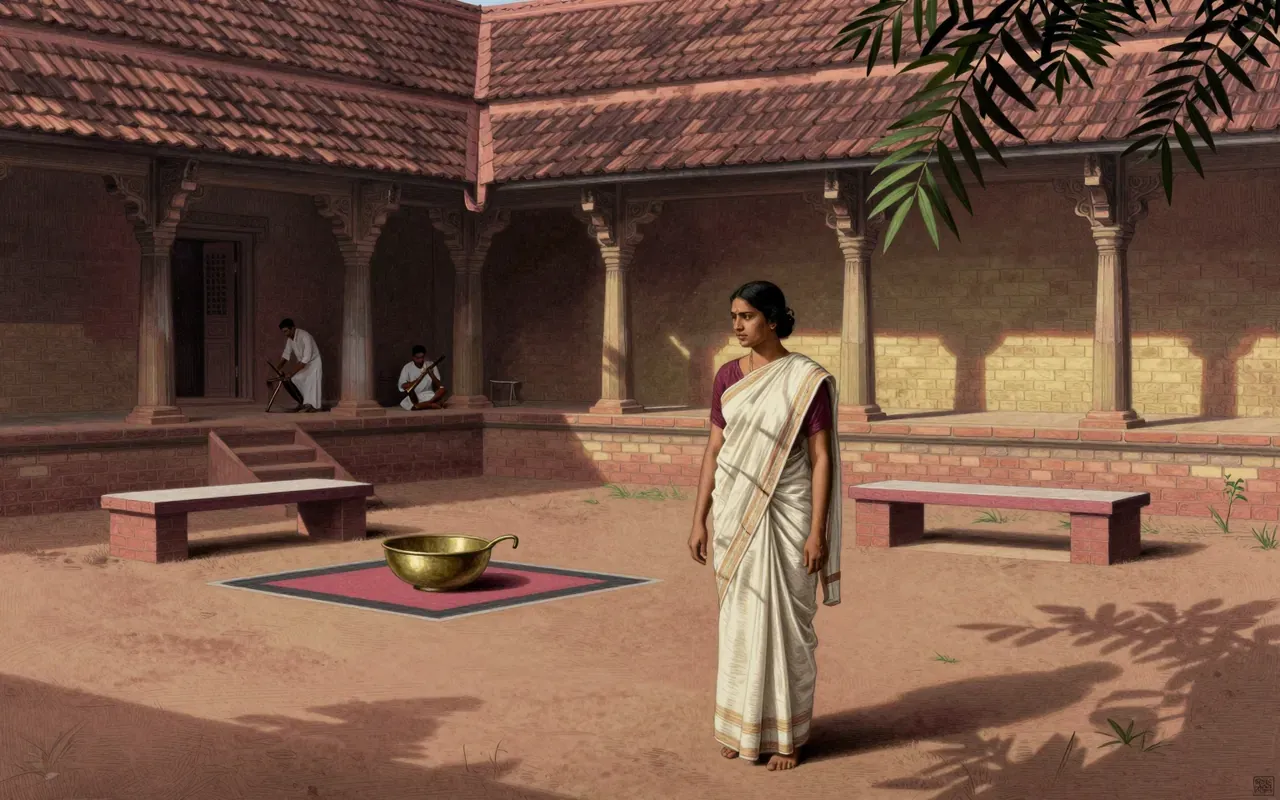
The sari isn’t tradition—it’s deep-time infrastructure for the body.
8:46

Kenzō

Kenzo Takada

Kenzō Takada’s Kenzō label began in 1970 as a resource-constrained experiment in Paris—using flea-market space, Saint Pierre market fabrics, and Rousseau-inspired interiors. It re-energised ready-to-wear with colour and volume, launching the 'Big Look' in 1973–74. Its methods were specific, local, and materially grounded—not symbolic or national. It reached New York and Tokyo by 1971, but never claimed to represent Japan. Its legacy is procedural: how to build influence without infrastructure.

8:20

Blazer

A jacket named after a naval gig crew became the world’s most portable badge of belonging—and exclusion.
9:36

Boubou (clothing)

The boubou is not heritage—it’s a garment forged in desert trade, weaponised by empire, and repurposed by colonisers.
8:06

Hijab

Hijab isn’t in the Qur’an as clothing—it’s a curtain that got turned into a scarf.
8:46

Keffiyeh

A sun shield turned political weapon by decree—not culture.
8:31

Poncho

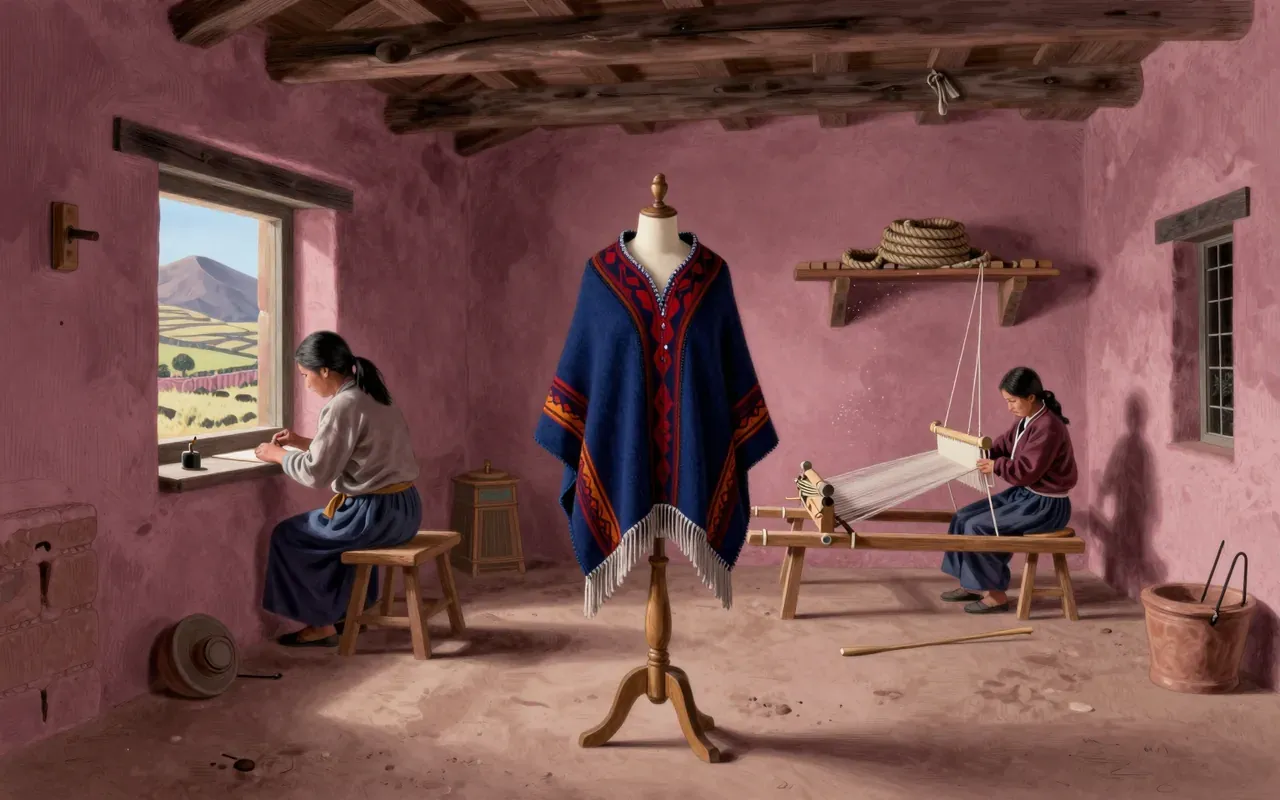
A garment built for survival became a costume for conquest—and still wears its Indigenous name like borrowed clothing.
7:54

T-shirt

The T-shirt is not clothing—it’s infrastructure disguised as apparel.
9:28

Christian Dior

Christian Dior

Christian Dior’s work from 1947–1957 redefined fashion as seasonal, named, and nationally symbolic — not personal style, but statecraft in cloth.
10:56

Comme des Garçons

Rei Kawakubo · 1969

Comme des Garçons is a Japanese fashion label founded by Rei Kawakubo in Tokyo in 1969. It is anti-fashion, austere, sometimes deconstructed—and deliberately rejects consensus notions of beauty, history, and fit.
9:02

Dr. Martens

Klaus Märtens · 1951

Dr. Martens is a functional footwear innovation repurposed as cultural symbol — its origins in rehabilitation and post-war scarcity are routinely overwritten by its later adoption elsewhere.
8:22

Gianni Versace

Gianni Versace

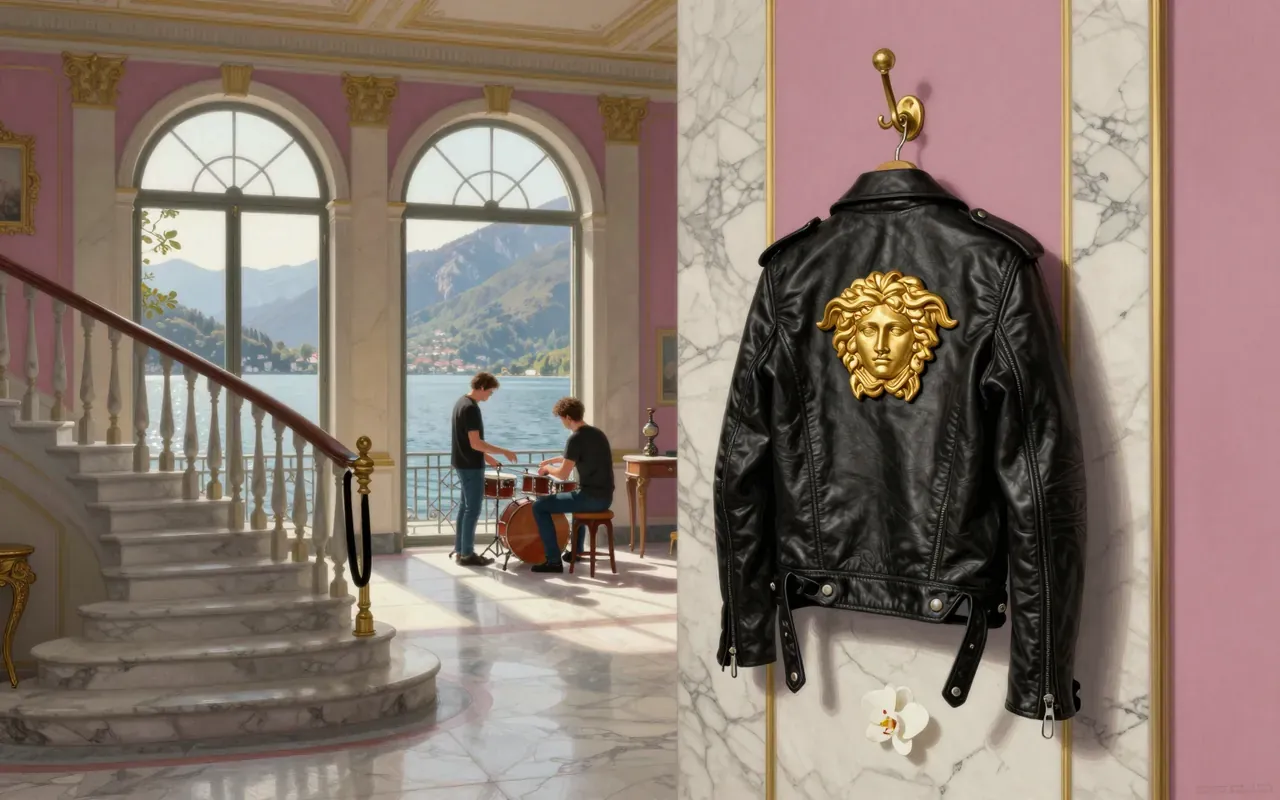
Versace founded an international luxury-fashion house producing diverse consumer goods; designed costumes for theatre and film; linked fashion to the music world; used vivid colours, bold prints and sexy cuts as a deliberate contrast to dominant minimalist aesthetics; combined luxurious classicism with overt sexuality, drawing both criticism and praise; rejected conventional notions of good taste and defied fashion rules; drew design inspiration from historical periods including Classicism, Byzantium, the 18th century, and the 1920s–1930s; reimagined historical elements like Ravenna's mosaics and Roman drapery for contemporary fashion; and was born and raised in Reggio di Calabria, with his career spanning 1946–1997.

8:47

Giorgio Armani

Giorgio Armani

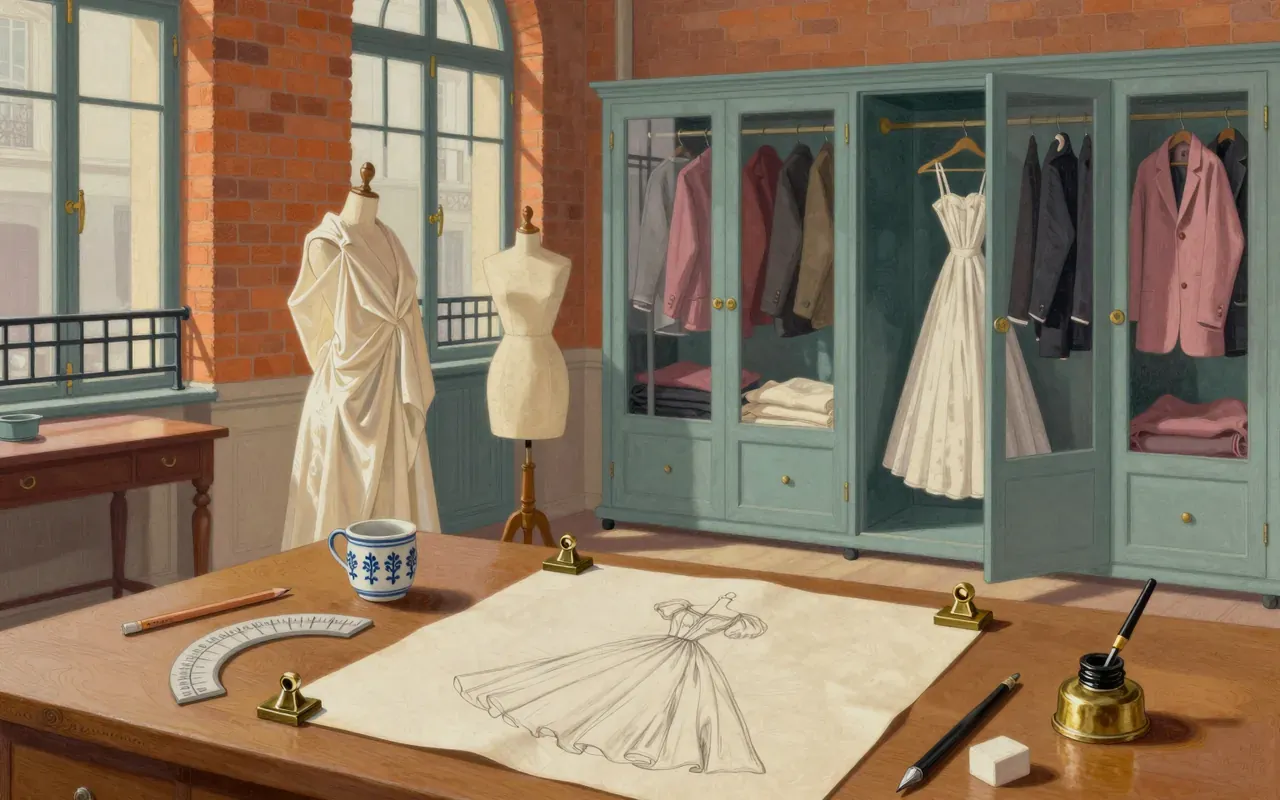
Armani’s work established a new syntax for elegance: one based on removal, not addition. It reached executives, actors, and diplomats—not youth movements or subcultures. It displaced the stiff formality of Savile Row and the flamboyance of Italian couture alike. It did not invent minimalism—but it proved minimalism could sell, scale, and signify.
10:26

Givenchy

Hubert de Givenchy · 1952

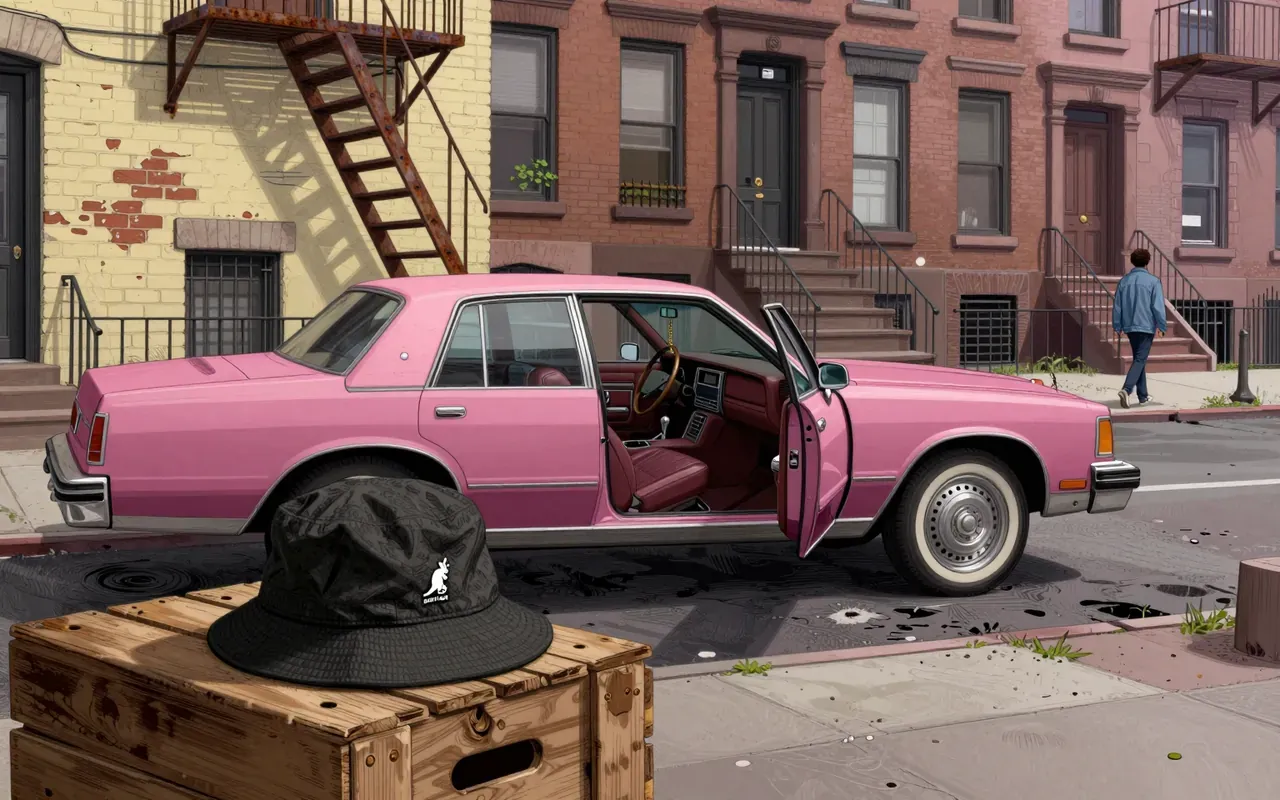
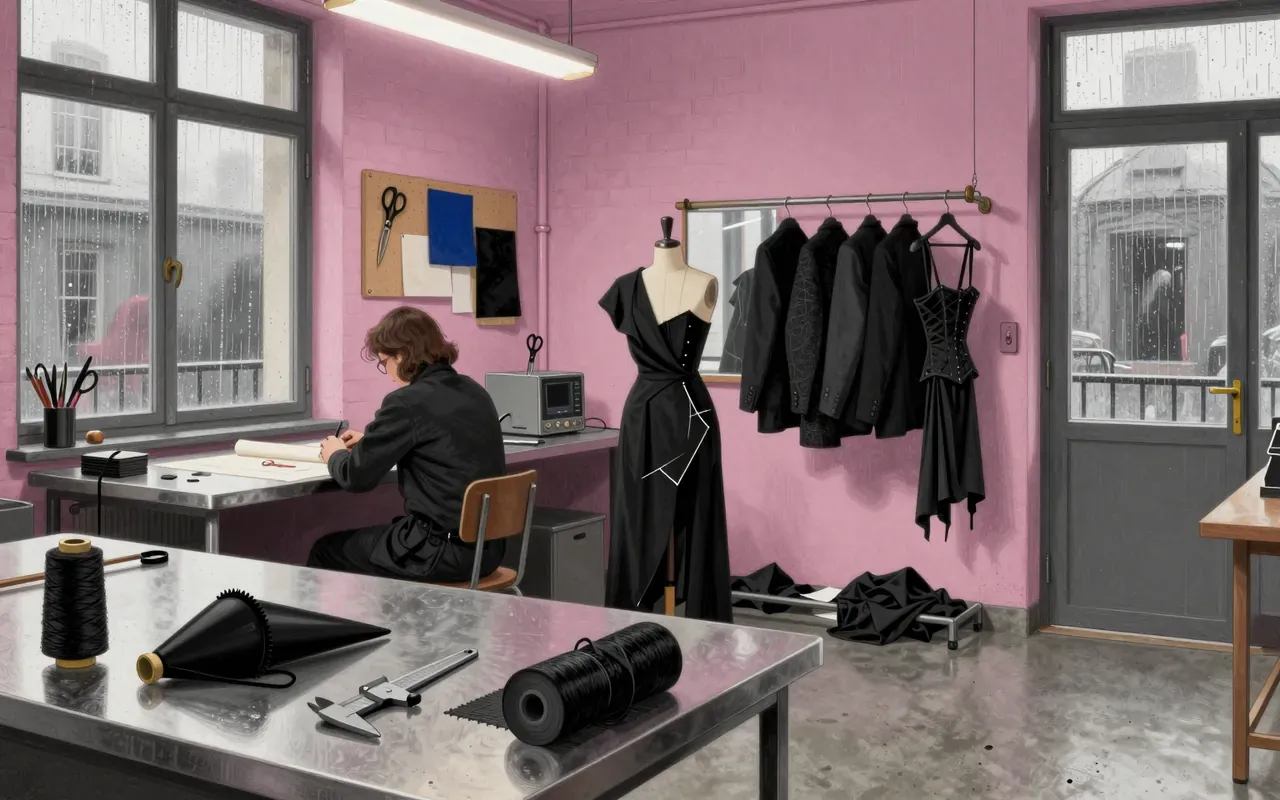
Givenchy’s 1952 launch was a system—not a style. It used raw cotton to make separates scalable, named garments after real women, and built ready-to-wear infrastructure before the term existed. Its later fame with Hepburn is real, but retrospective. The founding act was quieter: pragmatic, precise, and materially inventive.
9:15

Jean Paul Gaultier

Jean Paul Gaultier

Jean Paul Gaultier is a French fashion designer who launched his first individual collection in 1976. His work uses unconventional motifs—corsets, marinières, tin cans—and materials like plastic rubbish bags. He relaunched the marinière for men in 1983, introduced men’s kilts in 1984, debuted the cone bra in 1984, and launched the 'granny grey' hair trend via his 2011 autumn/winter show. He cast older men, fat women, and tattooed models, and played with gender roles. His influence lies in material specificity and casting choices—not in founding movements or naming ideologies.
11:12

Punk fashion

Vivienne Westwood

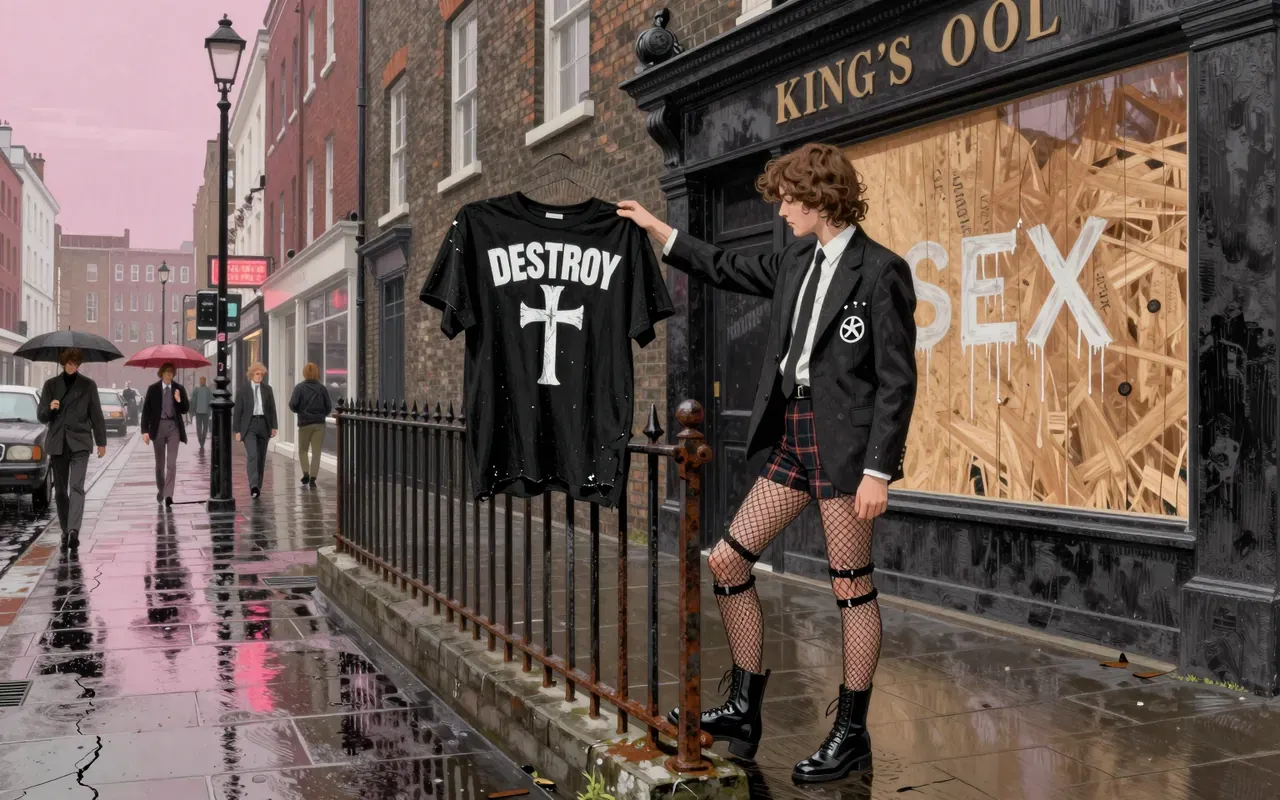
Vivienne Westwood’s punk fashion was a targeted assault on British cultural authority — materially crude, politically charged, and commercially savvy. It succeeded in making dissent wearable. It failed when its symbols were stripped of context and sold back as style.
9:08

Raf Simons

Raf Simons

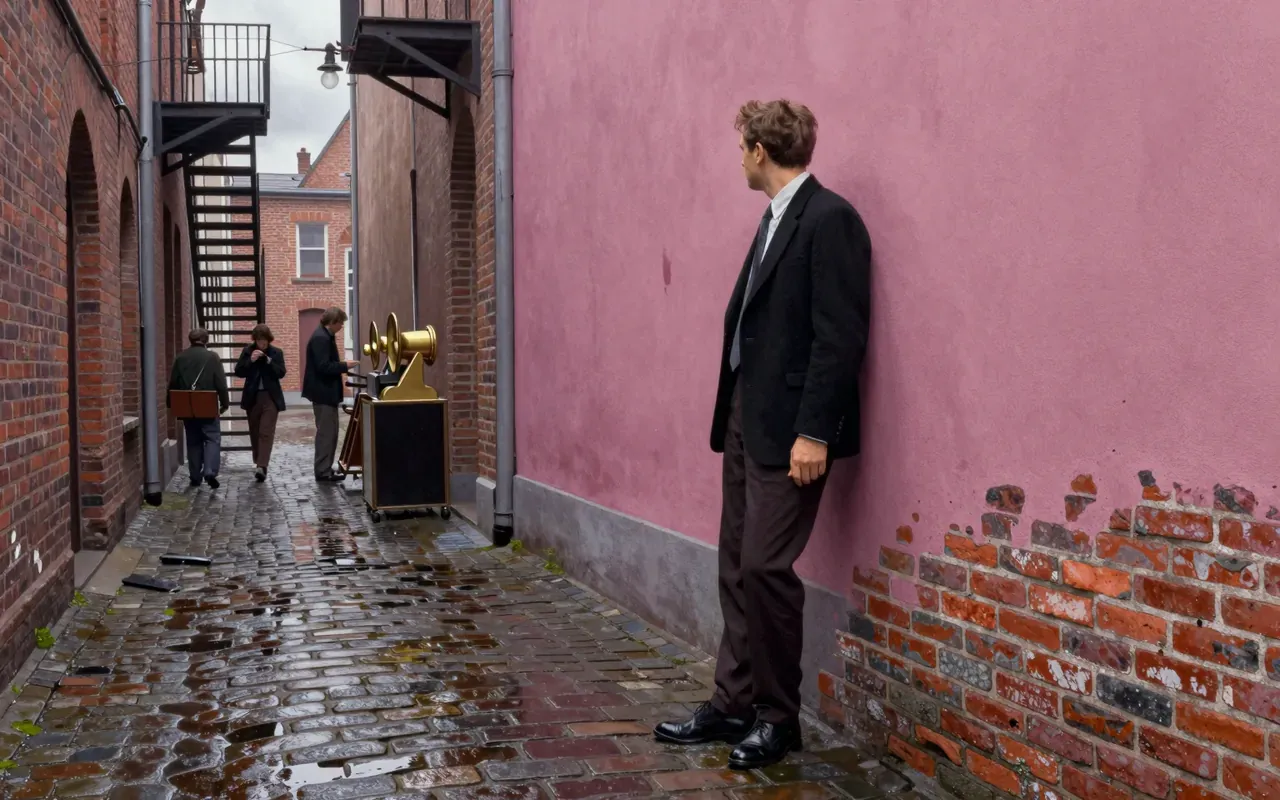
Raf Simons is a Belgian menswear label launched in 1995 by a furniture-trained designer who rejected runway conventions, used video and street casting, fused divergent youth cultures into coherent silhouettes, and paused the label in 2000 after Confusion—before shifting focus from subcultural code to pure form.
10:28

Trench coat

Thomas Burberry

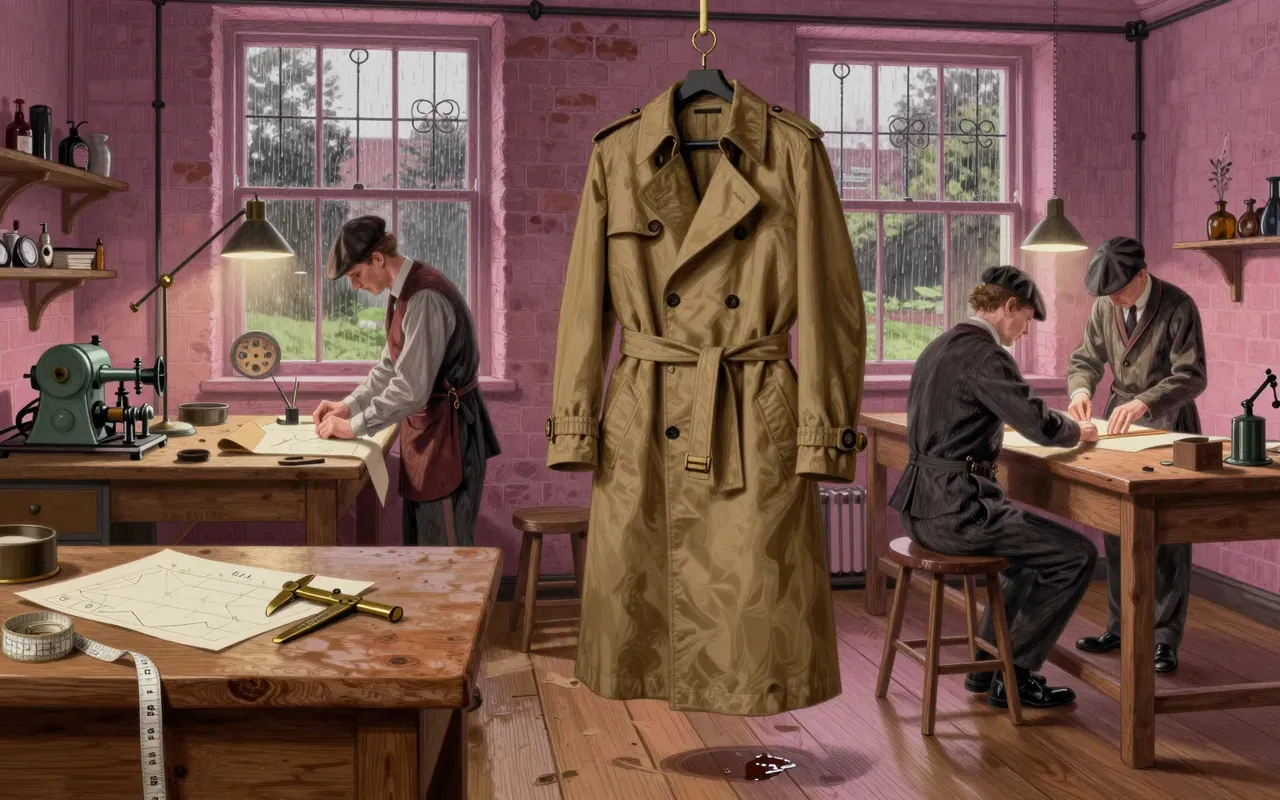
The trench coat is a functional garment that solved a narrow military problem. Its civilian life is a story of displacement—not evolution.
9:46

Workwear

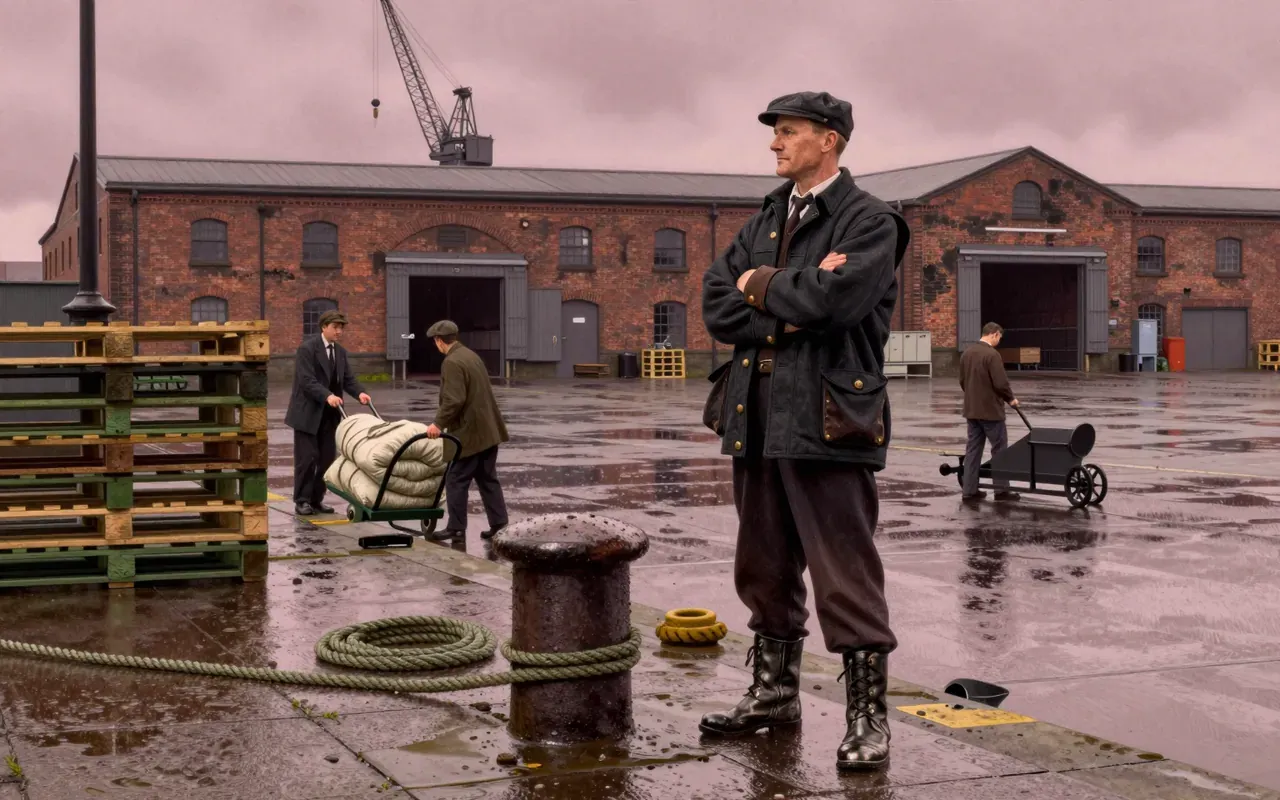
Workwear isn’t heritage—it’s hazard pay made visible.
8:27

Fendi

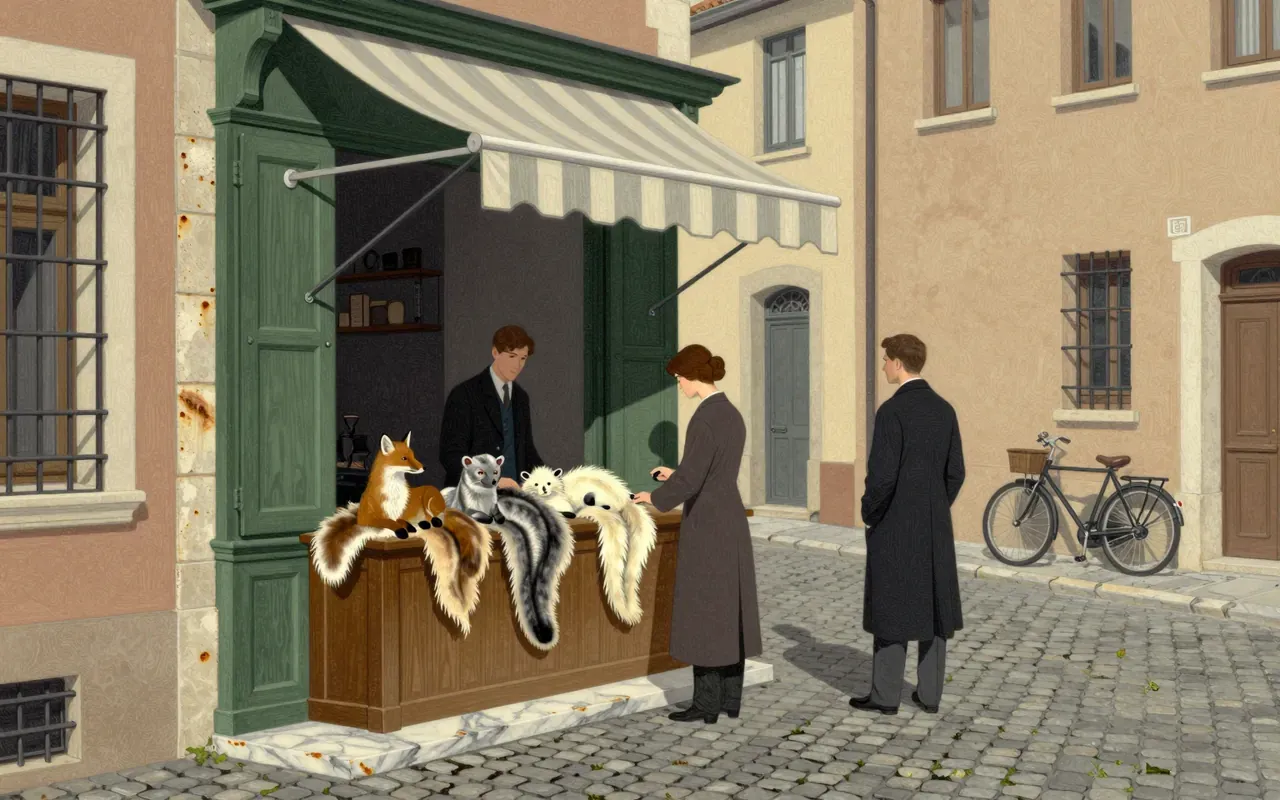
Fendi is an Italian luxury fashion house, founded in Rome in 1925 as a fur and leather shop.
9:15

Sportswear

Sportswear is a style of dress rooted in athletic clothing, built on relaxed, practical separates, and an American fashion tradition that grew into a global genre.
10:13

Casablanca

Casablanca is a Paris fashion label, founded in 2018 by Charaf Tajer, known for après-sport clothing and hand-painted prints.
9:53

Jersey

Jersey is a knit fabric, first made of wool and now also of cotton and synthetic fibres, used for T-shirts, underwear, dresses and sportswear.
8:29

Dirk Bikkembergs

Fashion didn’t enter the stadium—it was invited in by a designer who made players his pattern-cutters.
8:02

Adidas Campus

A wider, quieter, plainer alternative to the Samba—designed for feet, not footnotes.
9:36

Boglioli

Tailoring without scaffolding: Boglioli’s jacket dyes its way out of tradition.
9:56

Cordura

DuPont's 1929 tyre-cord rayon, turned into the tough fabric of motorcycle trousers and military packs.
9:36

Armani

Armani is not a style—it’s a logistical doctrine dressed as tailoring.
9:16

Fashion blog

Fashion blogs didn’t just report on trends—they rewired who gets to set them.
9:19

Goyard

A Paris trunk maker since 1853, and the house that made its own canvas, Goyardine, its signature.
9:42

Isaia

Isaia tailoring doesn’t hide from the sun—it fights back with colour and coral.
8:53

Lee (brand)

Lee built workwear like infrastructure—not to be seen, but to hold up the body’s labour.
9:12

Mulberry Group

Roger Saul · 1971

Mulberry Group was founded in 1971 by Roger Saul and his mother Joan as a British leather goods company. It built its reputation on functional poacher bags—the binocular and dispatch bags—rooted in rural utility rather than urban display. Production began in Somerset in 1973 and remains anchored there for core designer leather goods, while men’s bags and small leather goods are made in Turkey and China respectively. An apprenticeship programme launched in 2006 trains local youths for Somerset factory roles, with job offers extended to graduates. Mulberry’s strength lies in its material honesty and regional continuity; its compromise is the fragmentation of its making across geographies and standards.

9:12

Noah (brand)

Noah stitches Long Island breezes, New Wave static, and Thursday-morning discipline into menswear — no nostalgia, no excuses.
9:37

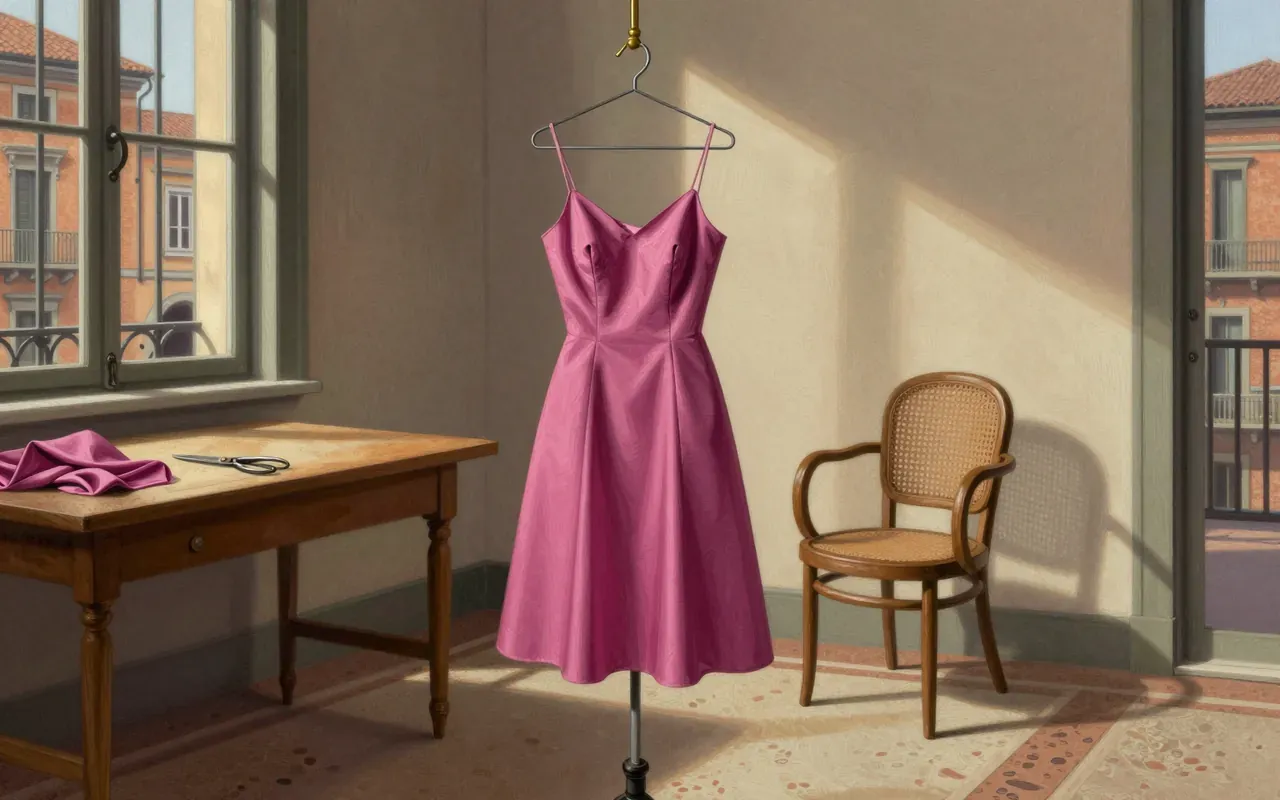
Slip dress

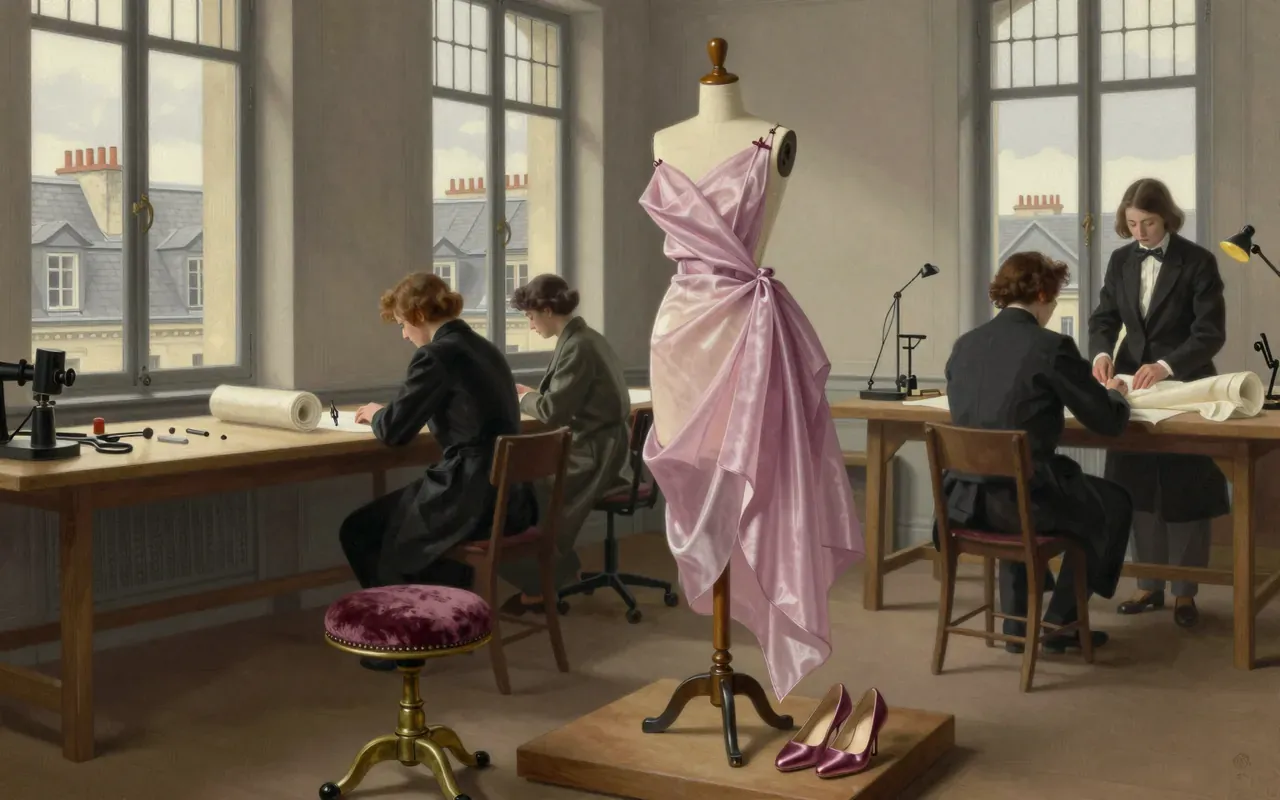
It is not lingerie pretending to be clothing—it is clothing that rewrites lingerie’s grammar.
8:51

Supreme (brand)

James Jebbia · 1994

Supreme is a retail system disguised as a clothing brand. Its power lies in timing, placement, and repetition—not fabric innovation or silhouette evolution. It answers to skate culture’s immediacy, not fashion’s longevity. It belongs in wardrobes that speak in slogans, not stories.


9:27

Pea coat

A pea coat isn’t versatile—it’s a 300-year-old solution to one problem: staying upright on a pitching deck in gale-force wind.
9:20

Tsumori Chisato

Tsumori Chisato

Tsumori Chisato is a ready-to-wear fashion house defined by hand-painted print as primary structure, launched in 1990 after formative work in Issey Miyake’s sports line, relocated to Paris in 2003 with menswear introduced concurrently, and sustained by a transnational dialogue between Tokyo-rooted references and Paris presentation.


8:21

AMI Paris

AMI Paris is not about revolution — it’s about making Marc Jacobs–level cashmere sweaters affordable to the person who designed them.
9:11

Gieves & Hawkes

Savile Row’s oldest uniform-maker doesn’t sell style—it sells sanctioned authority.
9:42

Gore-Tex

A 1969 accident with heated PTFE gave us waterproof breathability—and a lifetime of environmental debt.
11:25

Jerry Lorenzo

Fear of God is not streetwear dressed up — it is belief, baseball, and grunge made wearable as quiet doctrine.
10:48

Olivier Rousteing

Rousteing didn’t revive Balmain — he weaponised its silhouette for the age of the feed.
9:45

Ripstop

Ripstop doesn’t drape — it defends. And it does so with a grid you can feel but never ignore.
9:08

Antwerp Six

They were never a movement—just six designers, one van, and a press corps that couldn’t say their names.
7:55

Department store

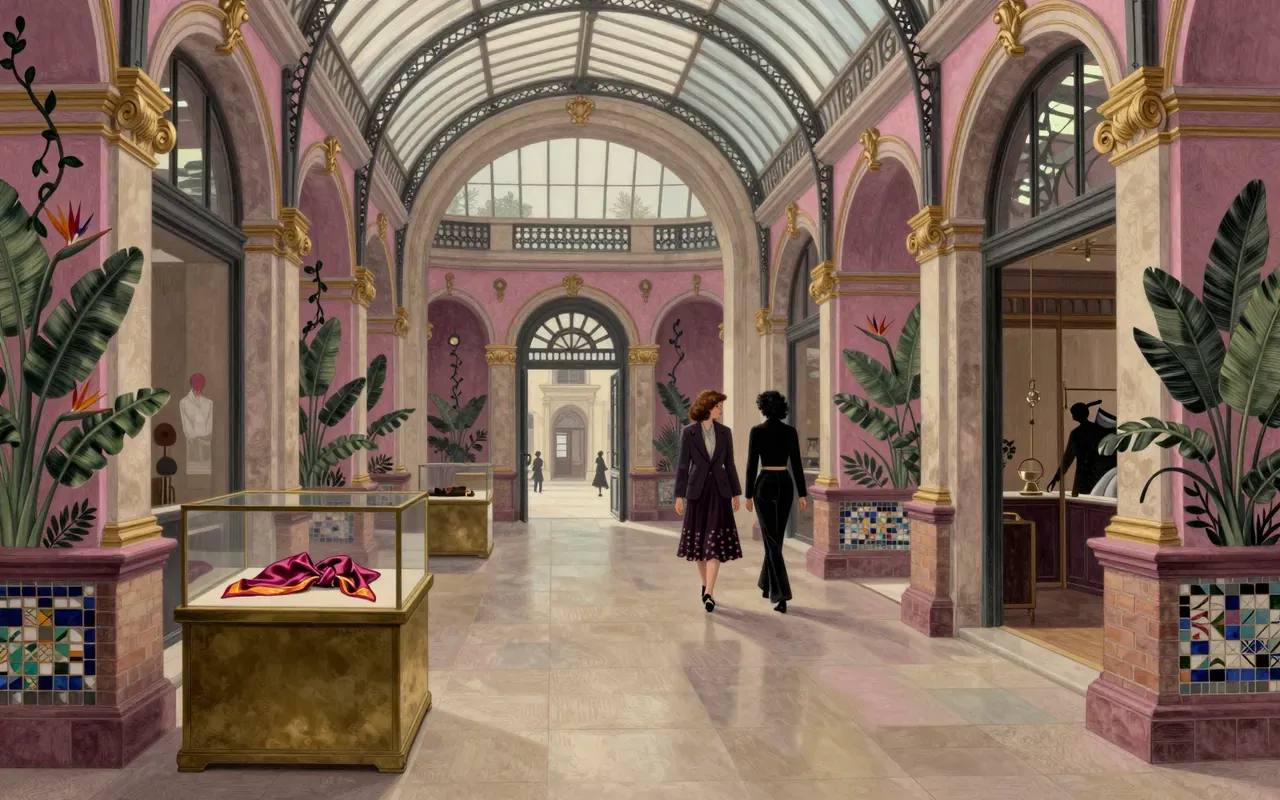
The department store was built for women to walk alone—and it succeeded by making commerce legible, not luxurious.