Saved
Shortest first

All briefs

372 briefs · 3501 min · 289–372 on page 4 of 4
10:01

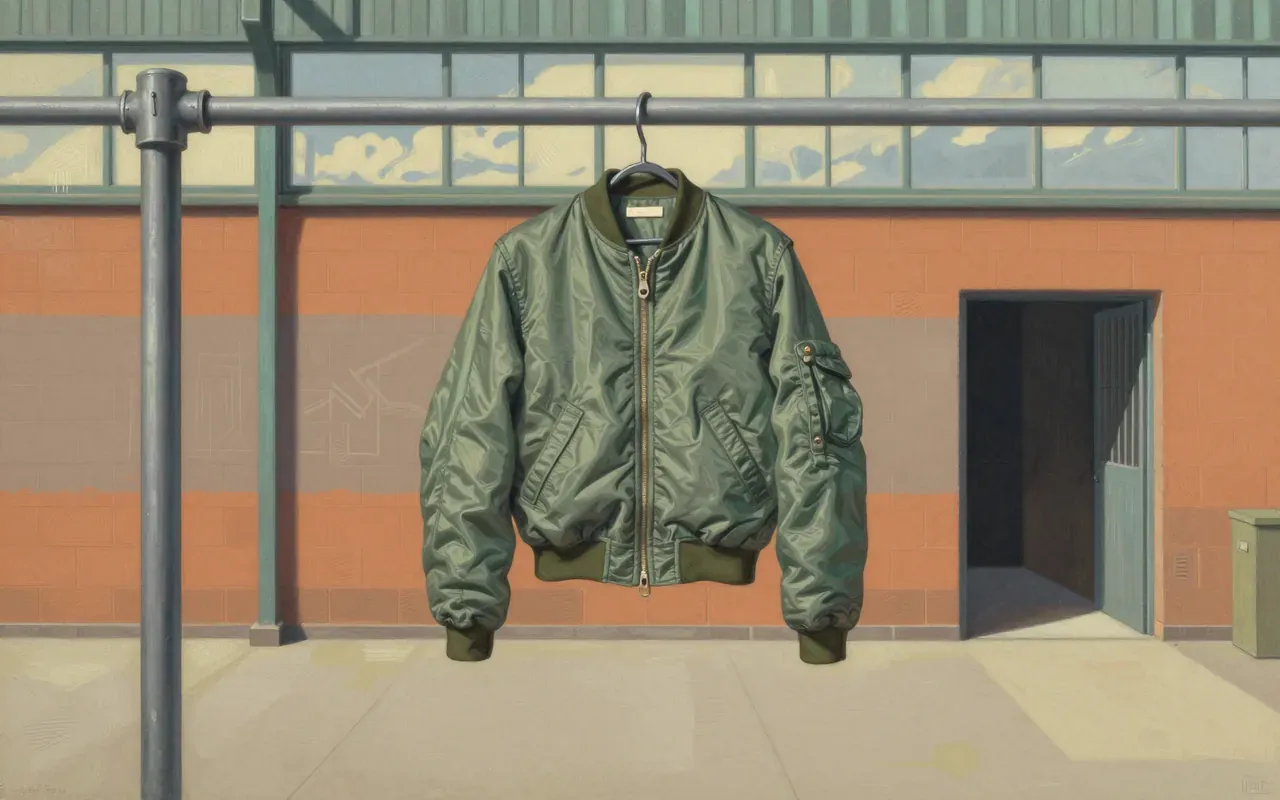
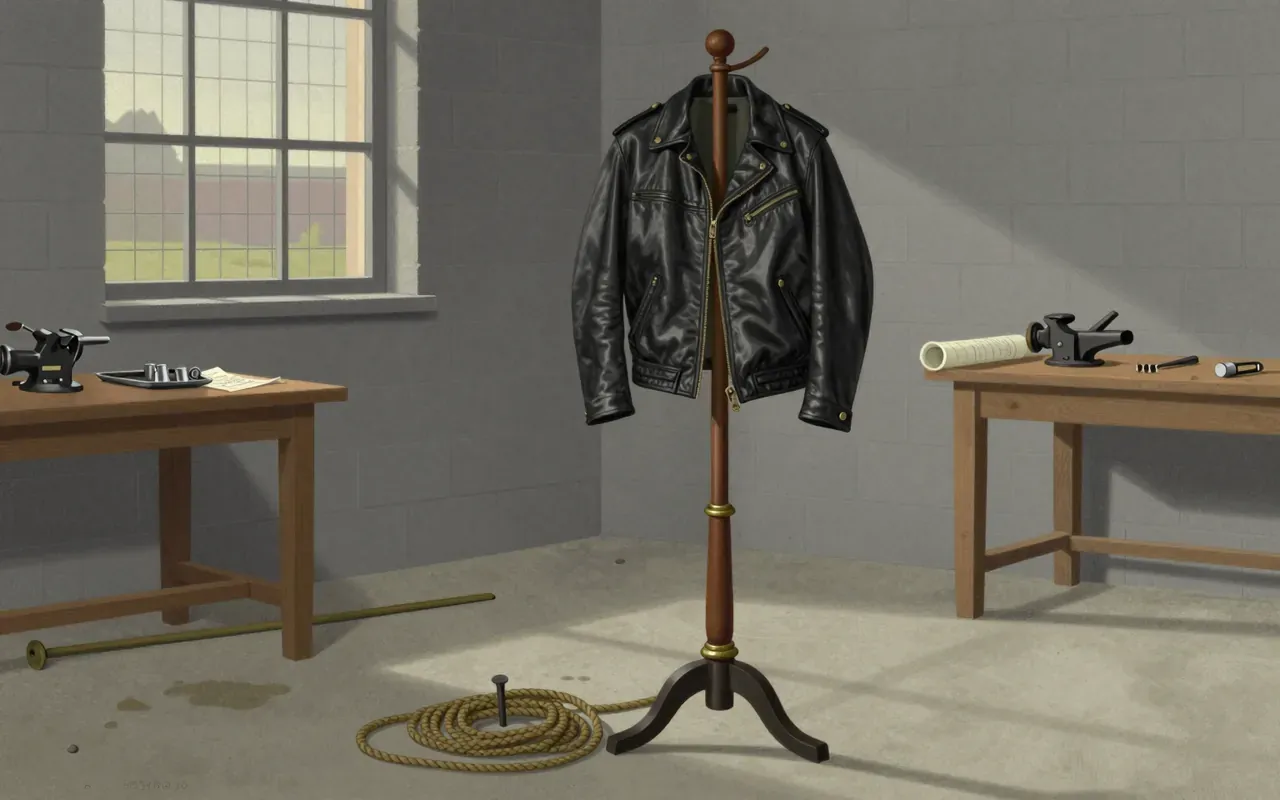
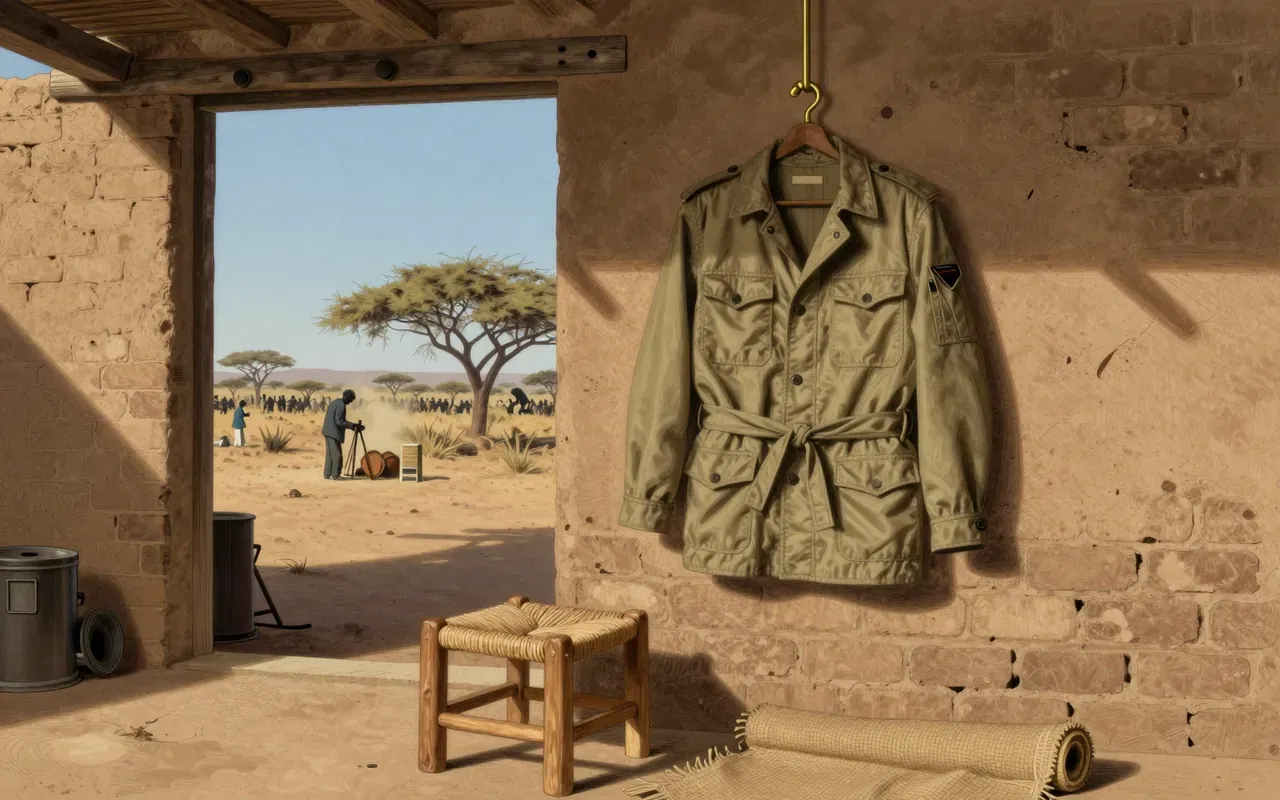
Safari jacket

A colonial field garment repurposed as leisurewear — useful, loaded, and never neutral.
10:05

Pierre Cardin

Cardin didn’t dress bodies—he dressed ideas, and they still don’t fit comfortably.
10:05

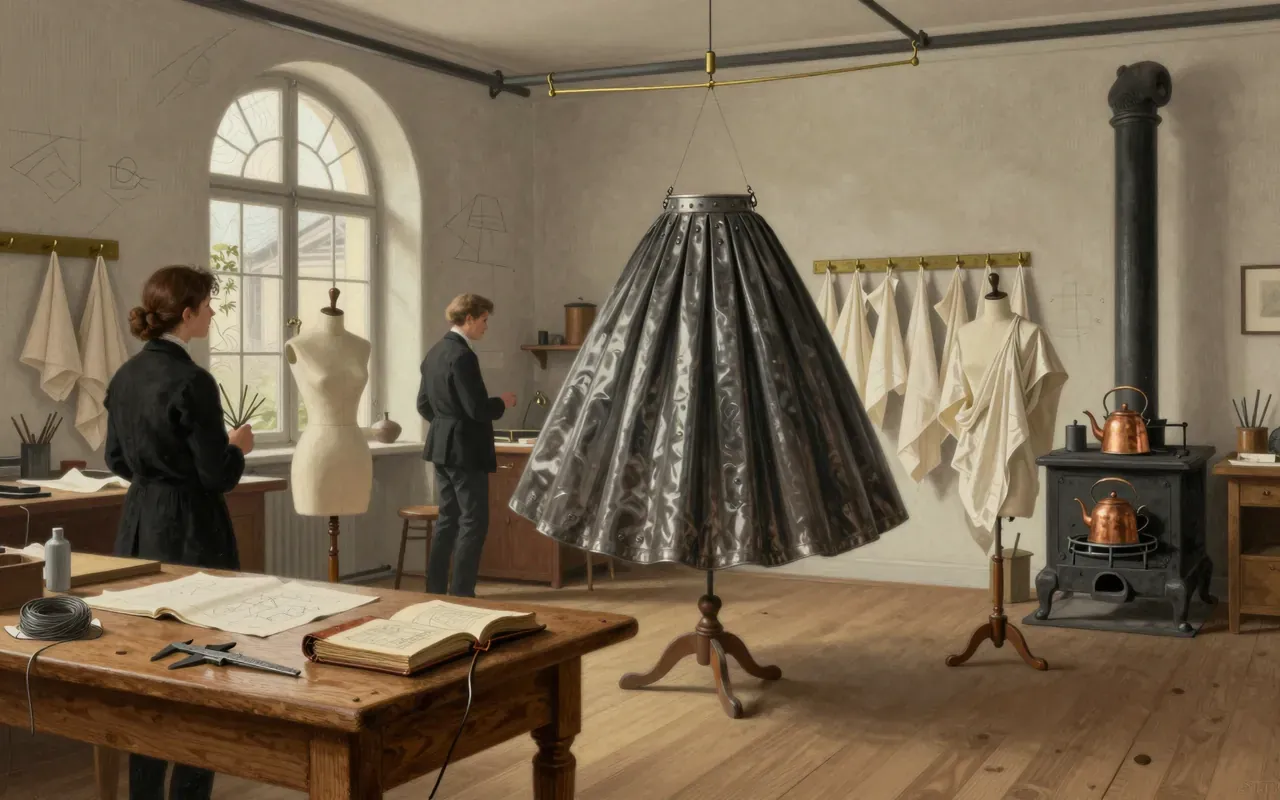
Hoop skirt

The first mass-class undergarment that traded comfort for silhouette — and won.
10:05

Hysteric Glamour

A Tokyo label that weaponised Western counterculture—and never let the clothes catch up to the graphics.
10:06

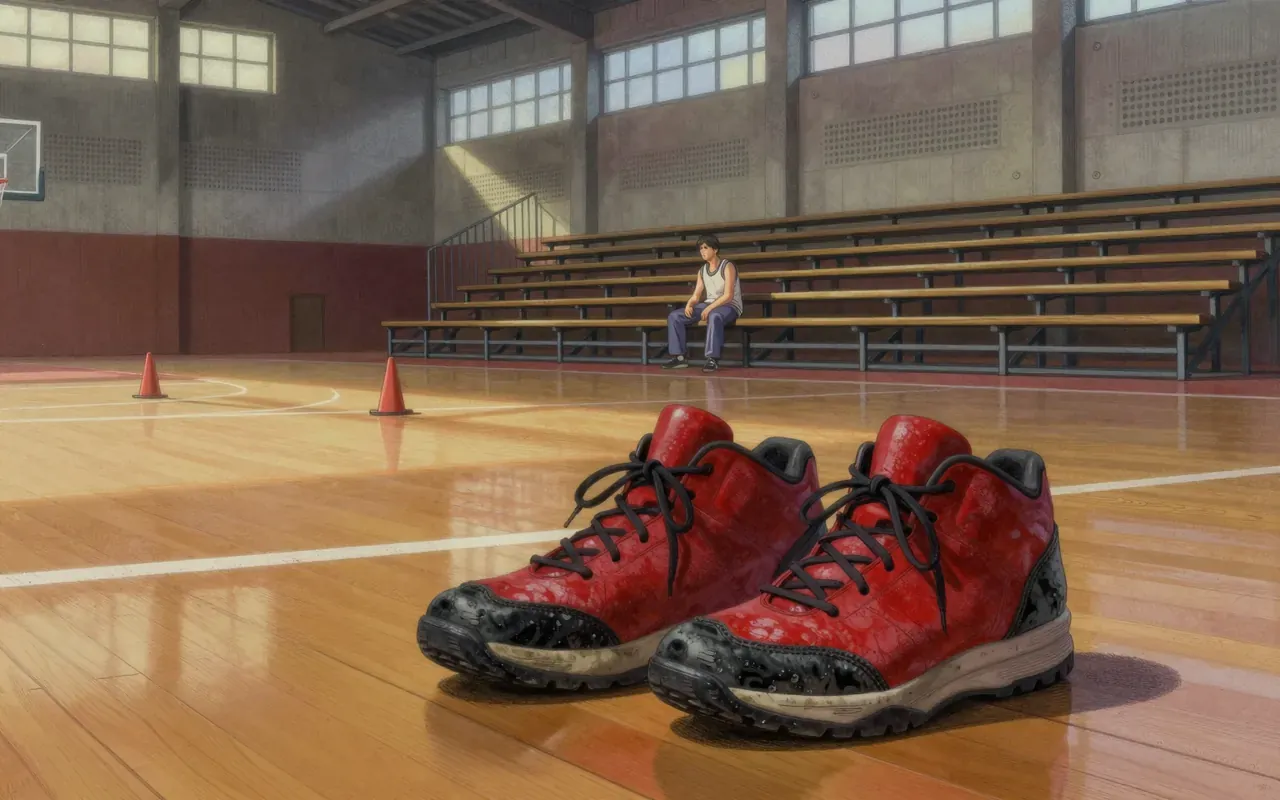
Air Jordan

A shoe that broke league rules to become a retail weapon—and collapsed under its own chemistry.
10:06

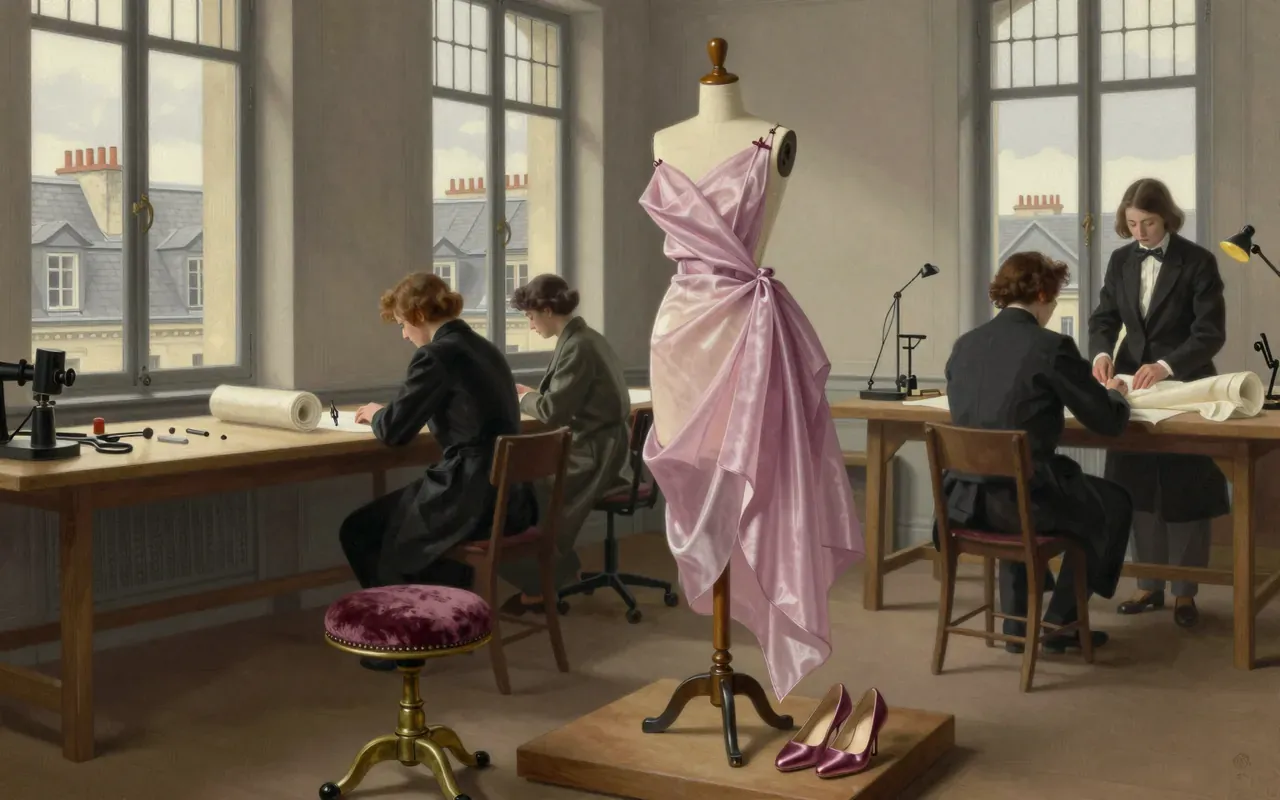
Jeanne Paquin

Paquin was not a seamstress — she was the first woman to run French fashion like a sovereign.
10:07

Nike Blazer

A sneaker that named itself after a team—and never apologised for staying literal.
10:10

Ventile

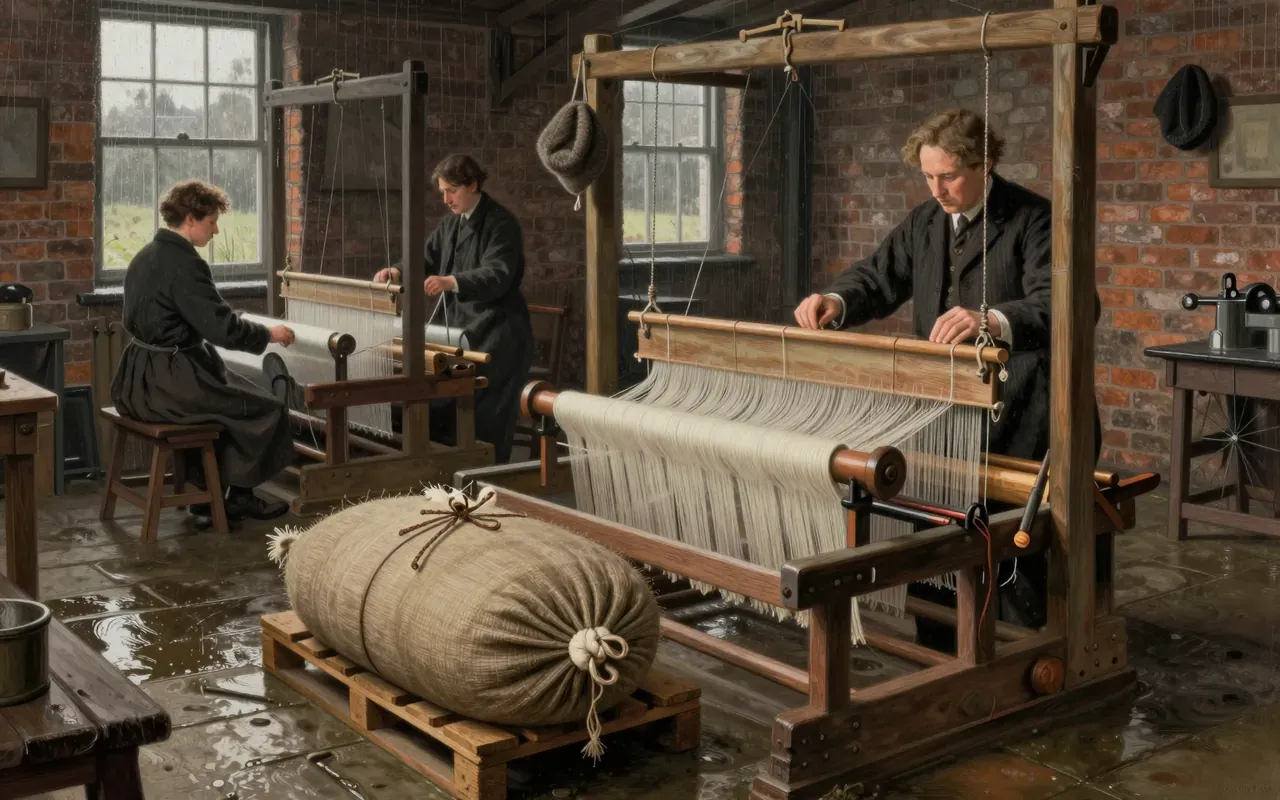
Cotton that swells shut in rain—no coating, no compromise, no lightness when wet.
10:13

Casablanca

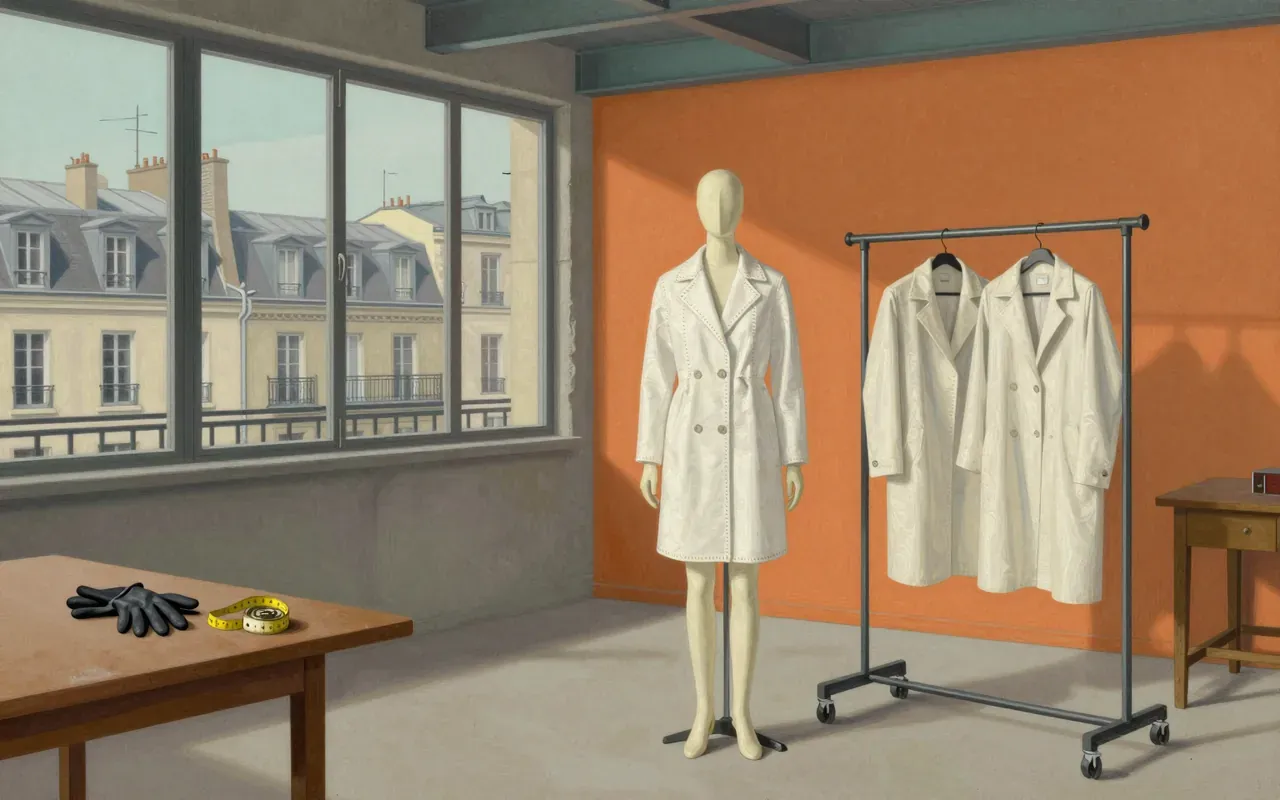
Casablanca is a Paris fashion label, founded in 2018 by Charaf Tajer, known for après-sport clothing and hand-painted prints.
10:14

Nino Cerruti

Cerruti didn’t make suits for men. He made suits for men who had to hold a room—and a camera’s attention—without saying a word.
10:15

Sloane Ranger

A journalistic label masquerading as a wardrobe — and it never had a single stitch.
10:16

Sergio Tacchini

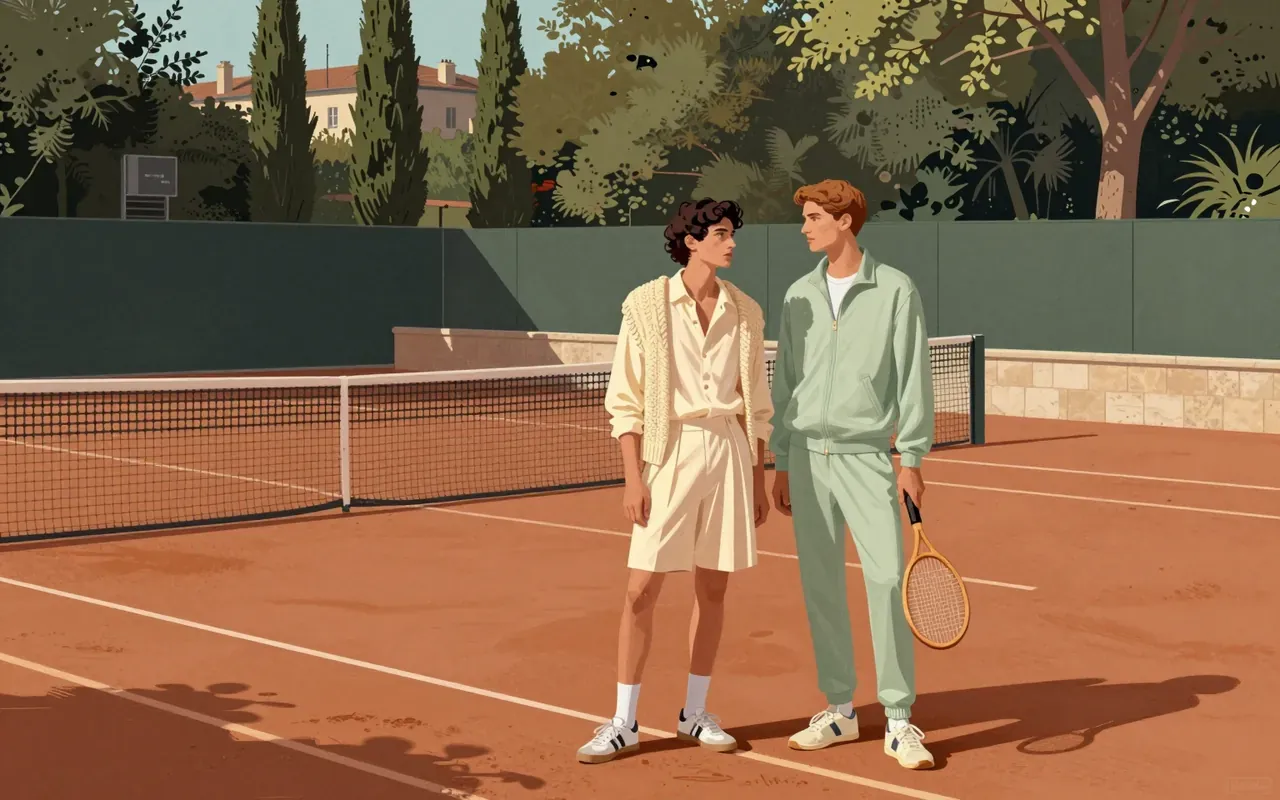
Tacchini didn’t invent sportswear fashion—he weaponised it against tennis tradition, then lost control of the brand he built.
10:17

Supermodel

The supermodel wasn’t born on a runway—it was minted in a boardroom and ratified by magazine covers.
10:22

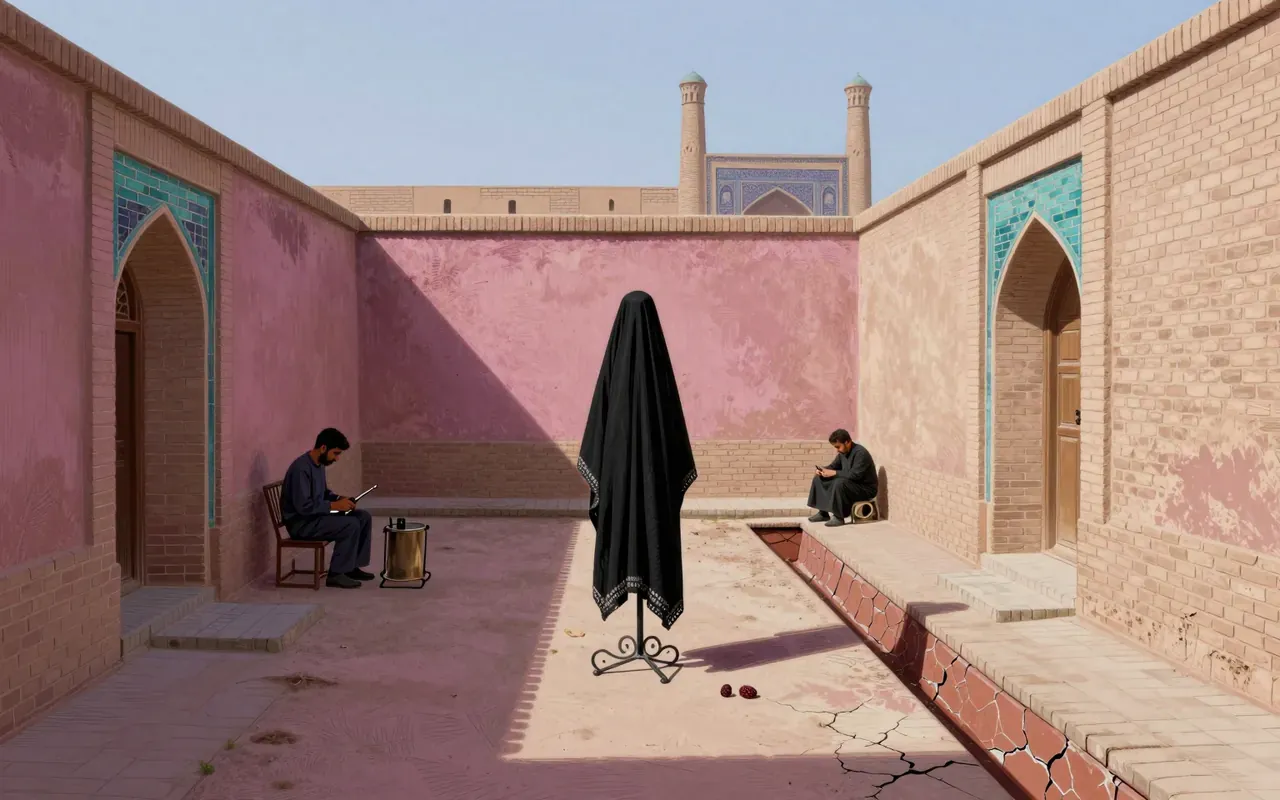
Burqa

A garment that proves modesty has never been exclusively Muslim—and never required the face to disappear.
10:23

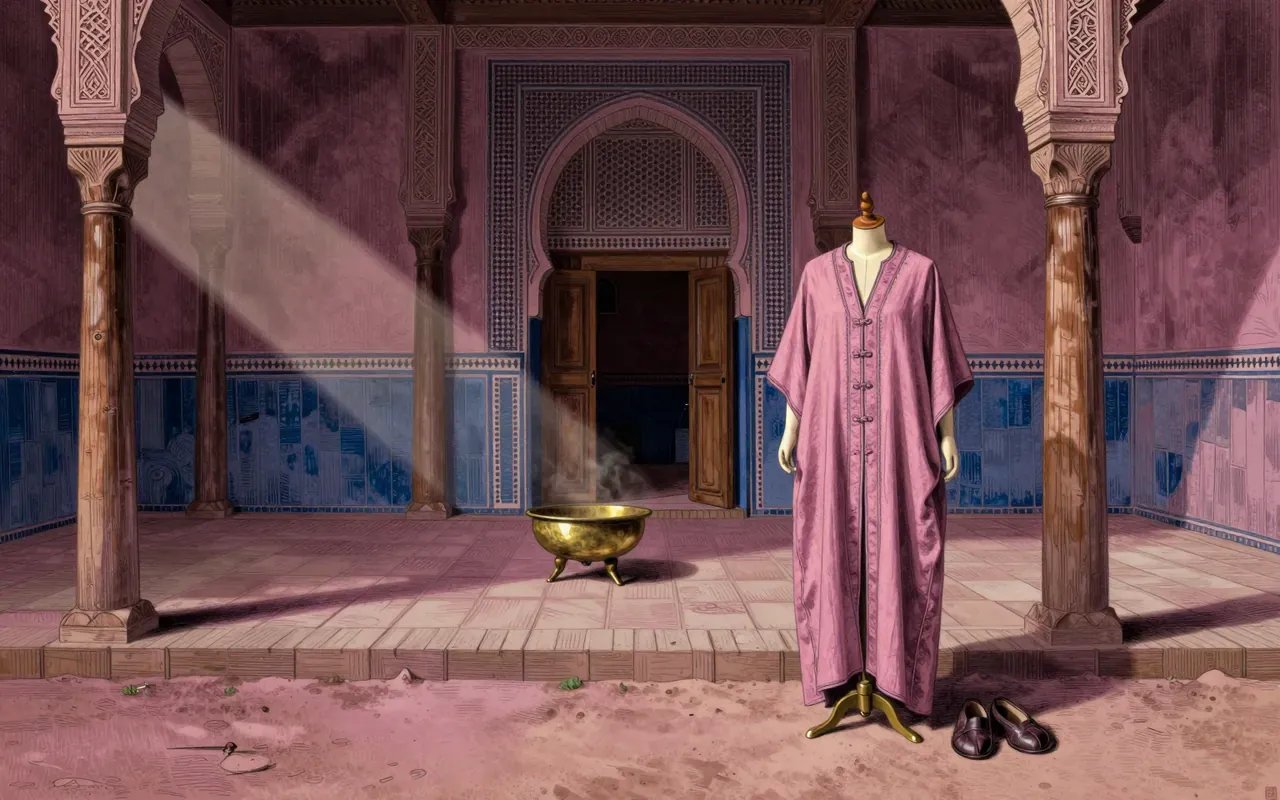
Kaftan

The kaftan isn’t one garment—it’s a linguistic smokescreen for dozens of distinct robes.
10:24

Moschino

Moschino doesn’t dress bodies—it weaponises them as billboards for camp, copyright lawsuits, and ecological yearning.
10:24

Stüssy

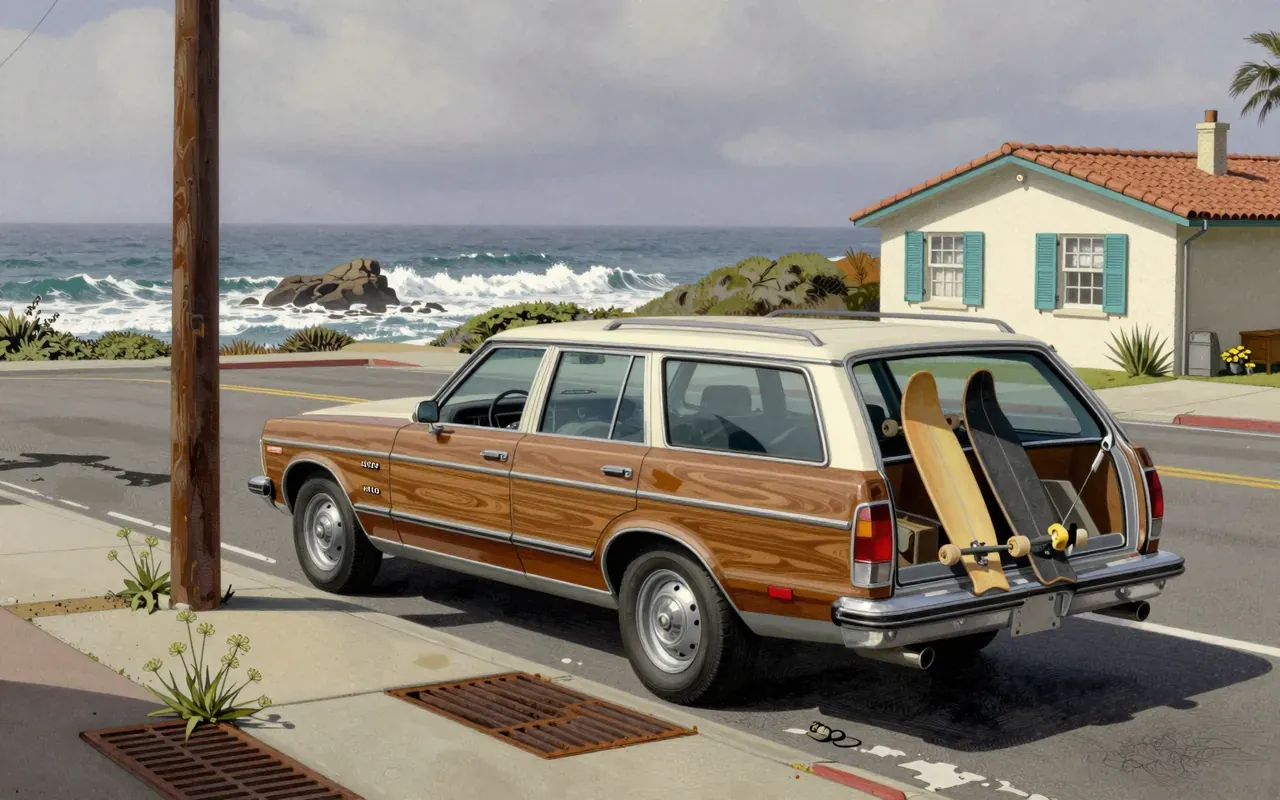
A surfboard signature, copied from an uncle’s hand, became a fashion house — not by design, but by distribution from a car.
10:26

Givenchy

Hubert de Givenchy · 1952

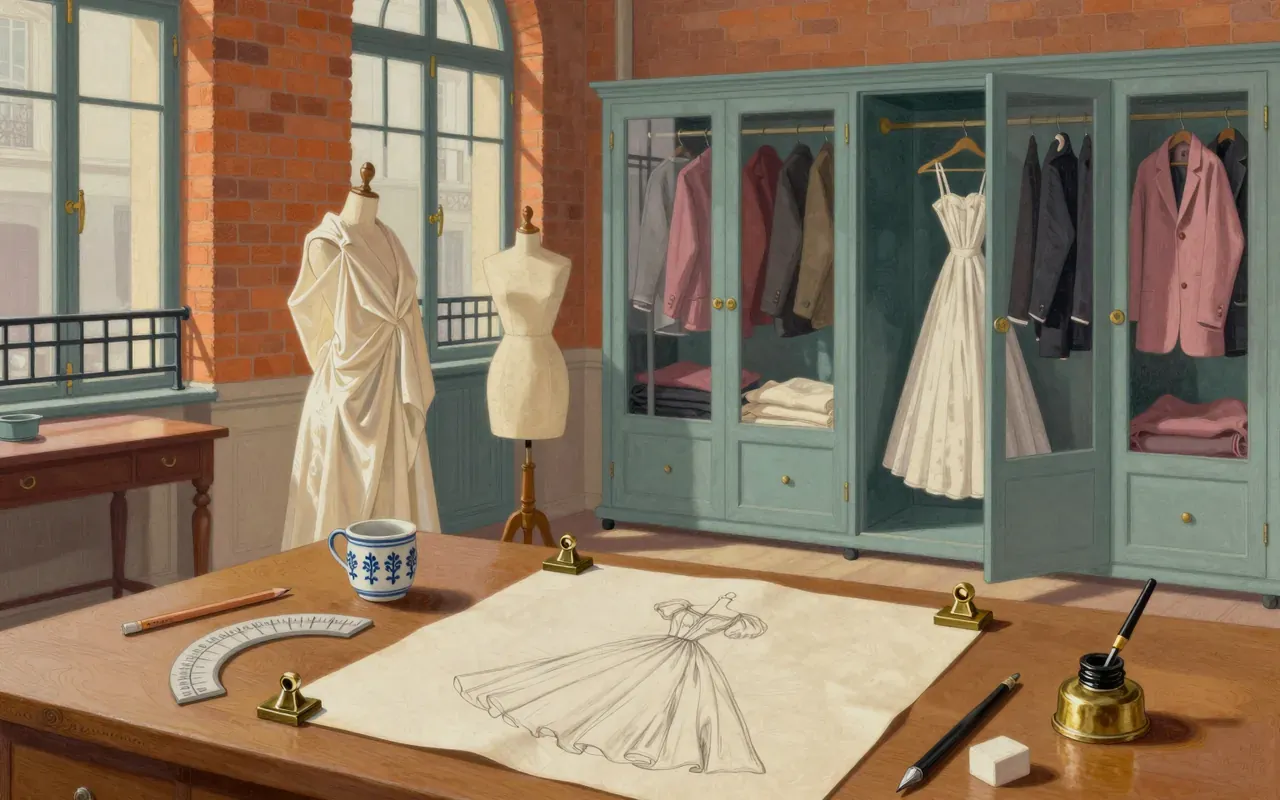
Givenchy’s 1952 launch was a system—not a style. It used raw cotton to make separates scalable, named garments after real women, and built ready-to-wear infrastructure before the term existed. Its later fame with Hepburn is real, but retrospective. The founding act was quieter: pragmatic, precise, and materially inventive.
10:26

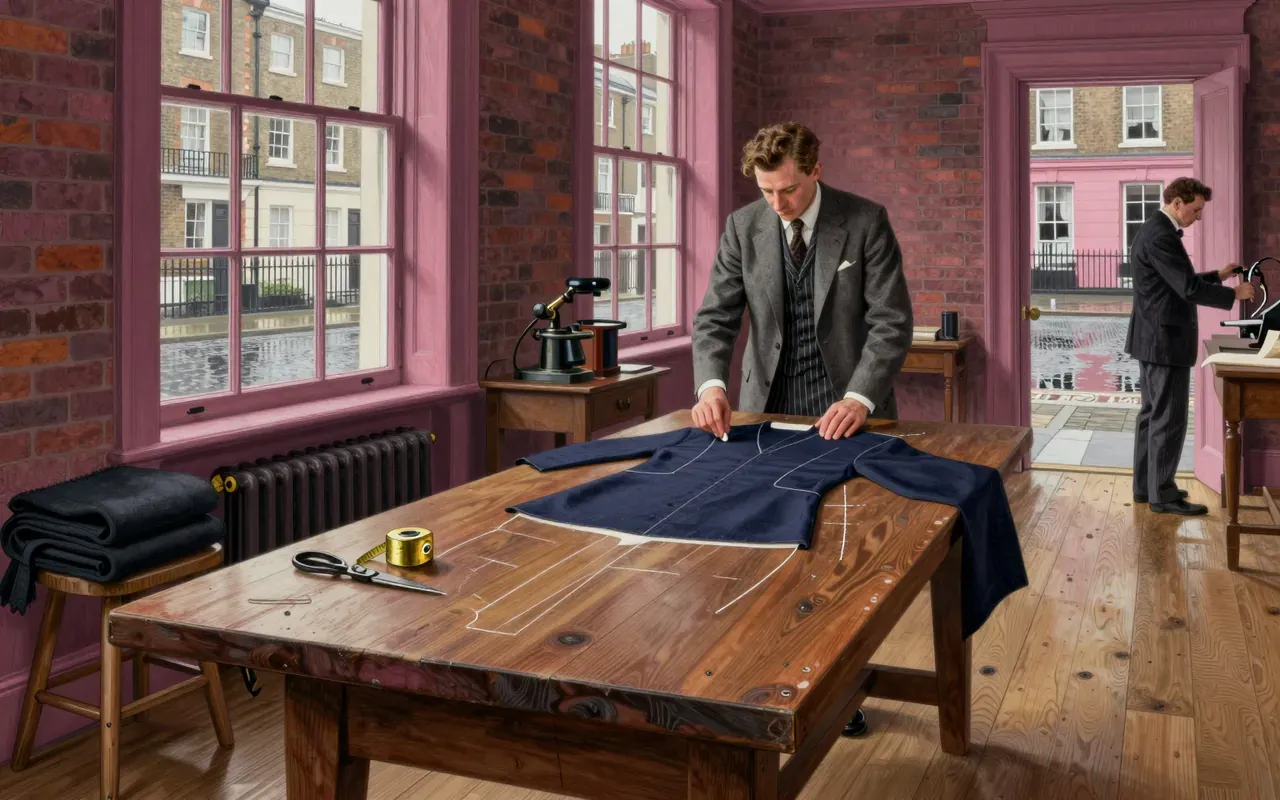
Savile Row

Savile Row didn’t invent bespoke—it weaponised it, then lost the war over its meaning.
10:27

Parka

The parka isn’t versatile—it’s a specialist: built for Arctic stillness, not city motion.
10:27

Laura Ashley

Laura Ashley

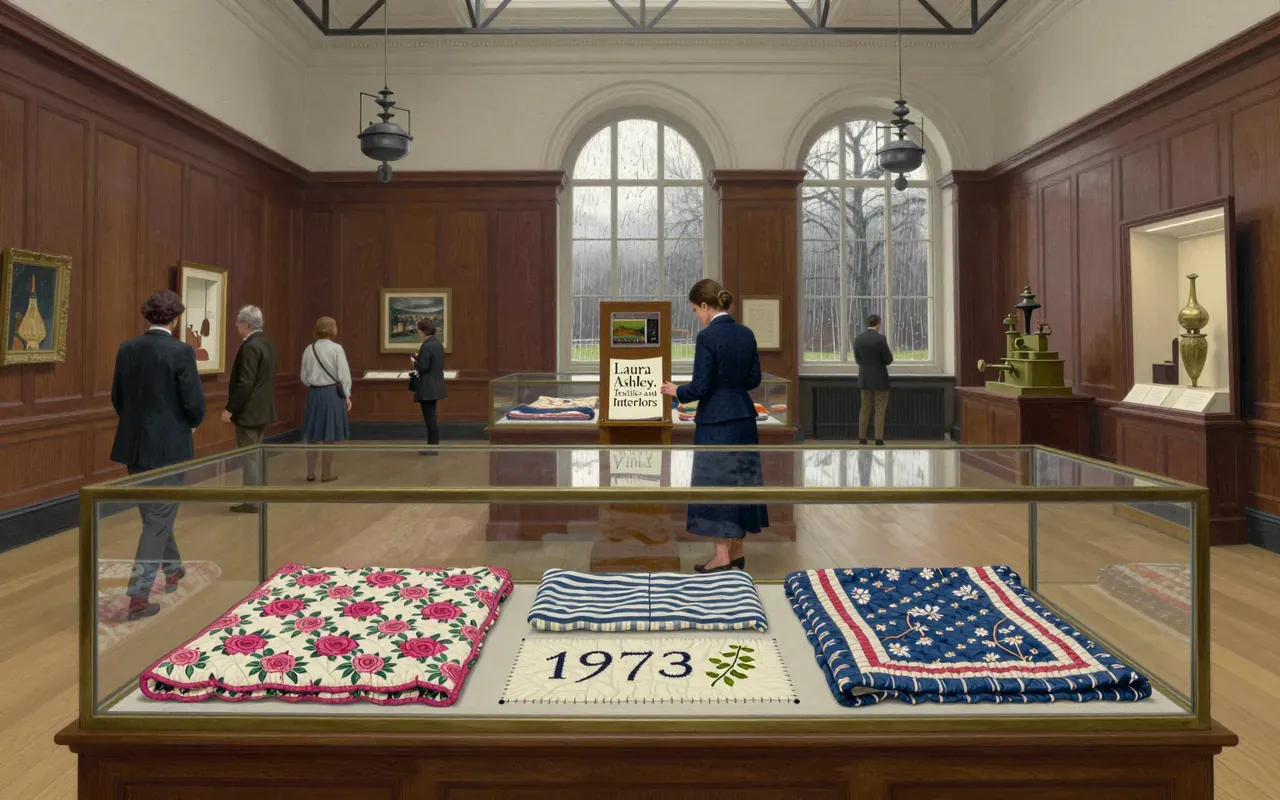
Laura Ashley built a fashion empire not from runway ambition, but from noticing a missing patch. Her method was craft-based, low-capital, and rooted in specific institutions—the Women’s Institute, the V&A—and a precise historical reference: the 19th-century rural. She sold Romanticism as reliability. She reached middle-class British women who wanted gentility without grandeur. She did not invent nostalgia—but she standardised it, scaled it, and shipped it via mail order before it had a name.
10:28

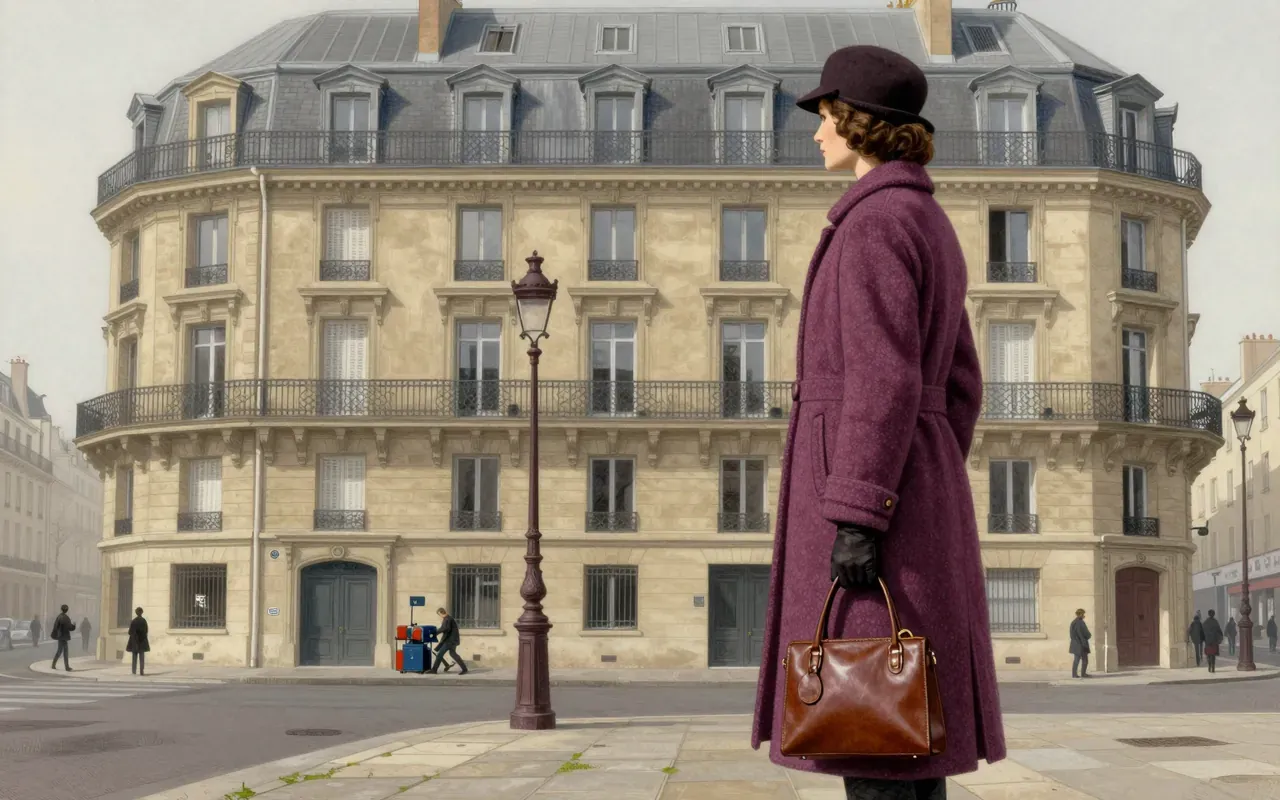
Trench coat

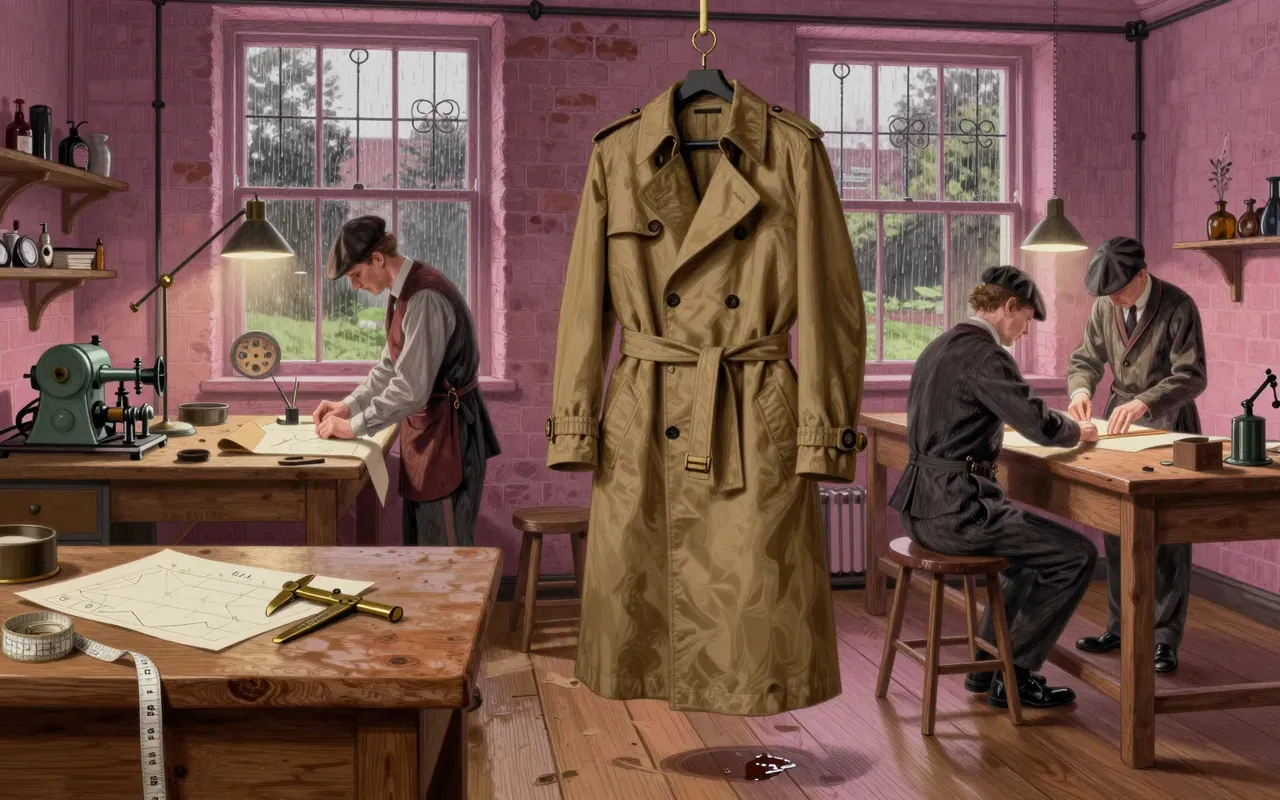
Thomas Burberry

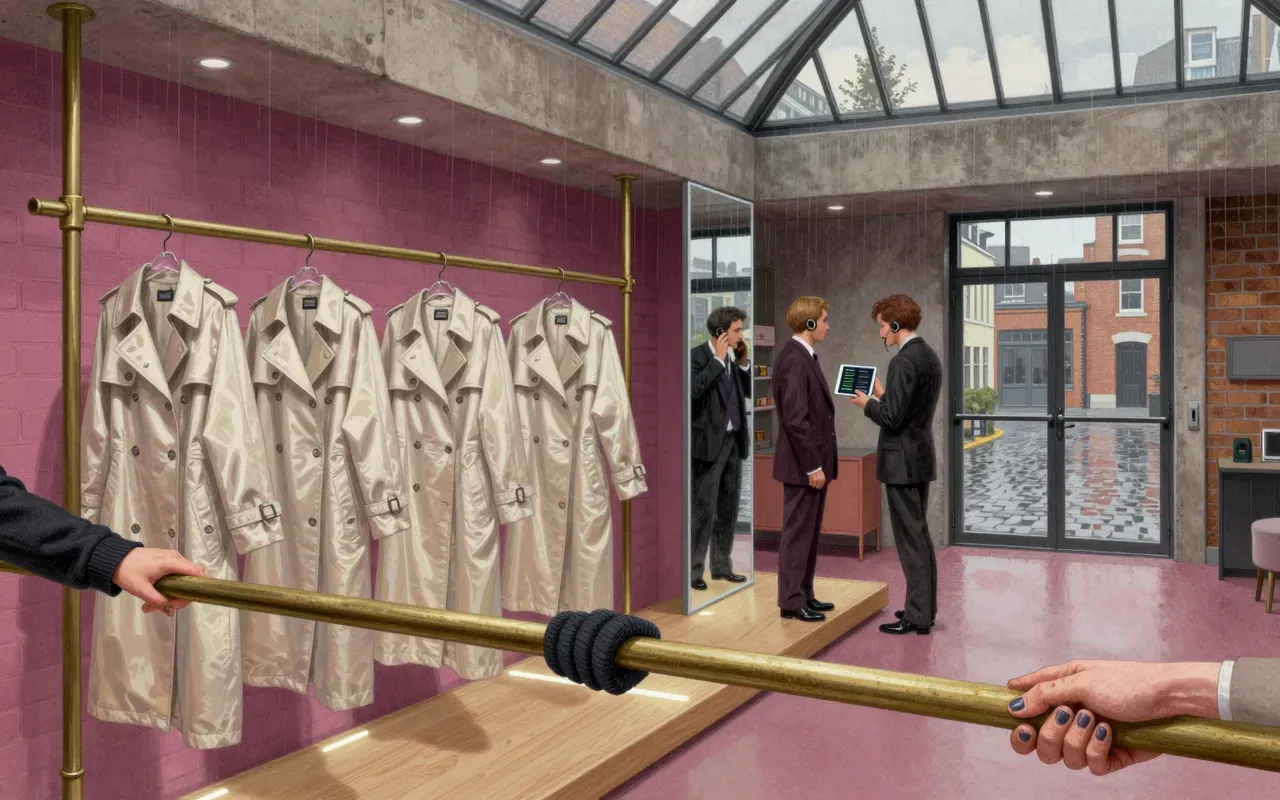
The trench coat is a functional garment that solved a narrow military problem. Its civilian life is a story of displacement—not evolution.
10:29

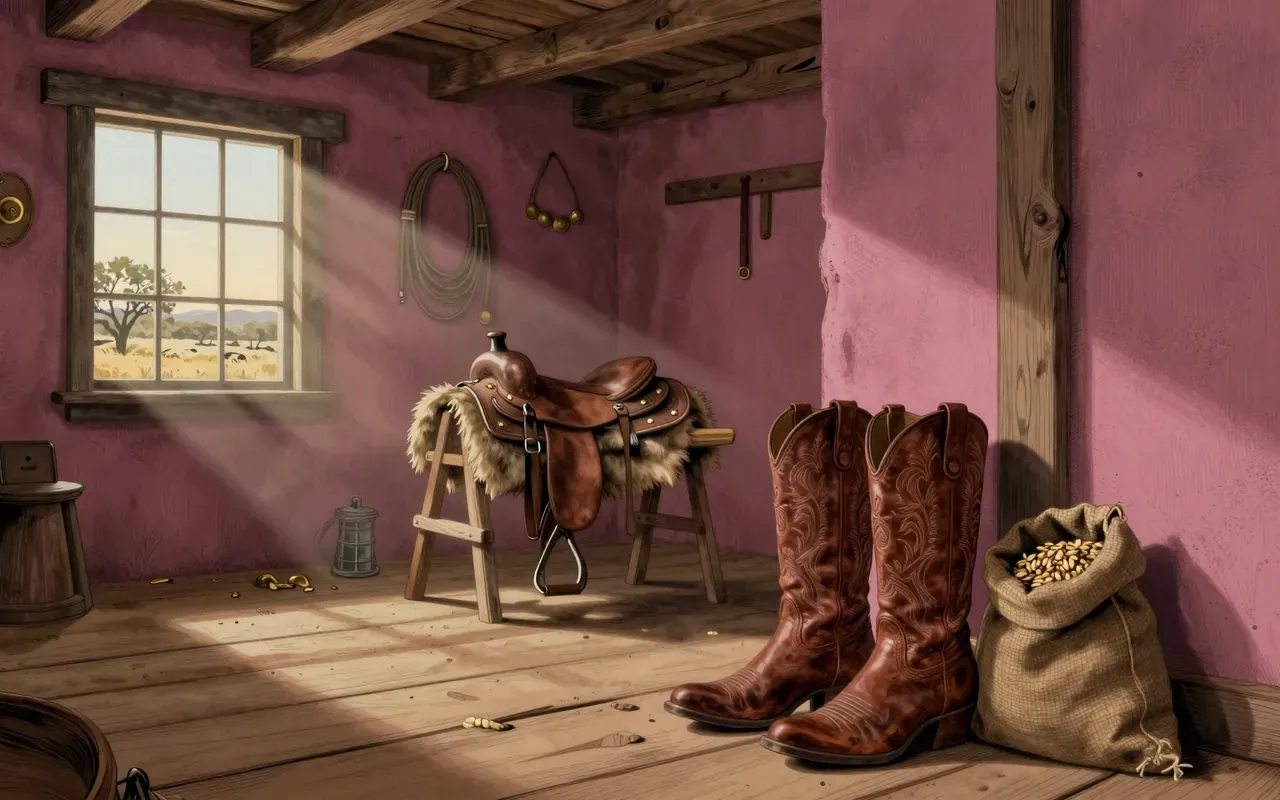
Cowboy boot

A boot built to stop cowboys from being dragged became a uniform for people who’ve never mounted a horse.
10:32

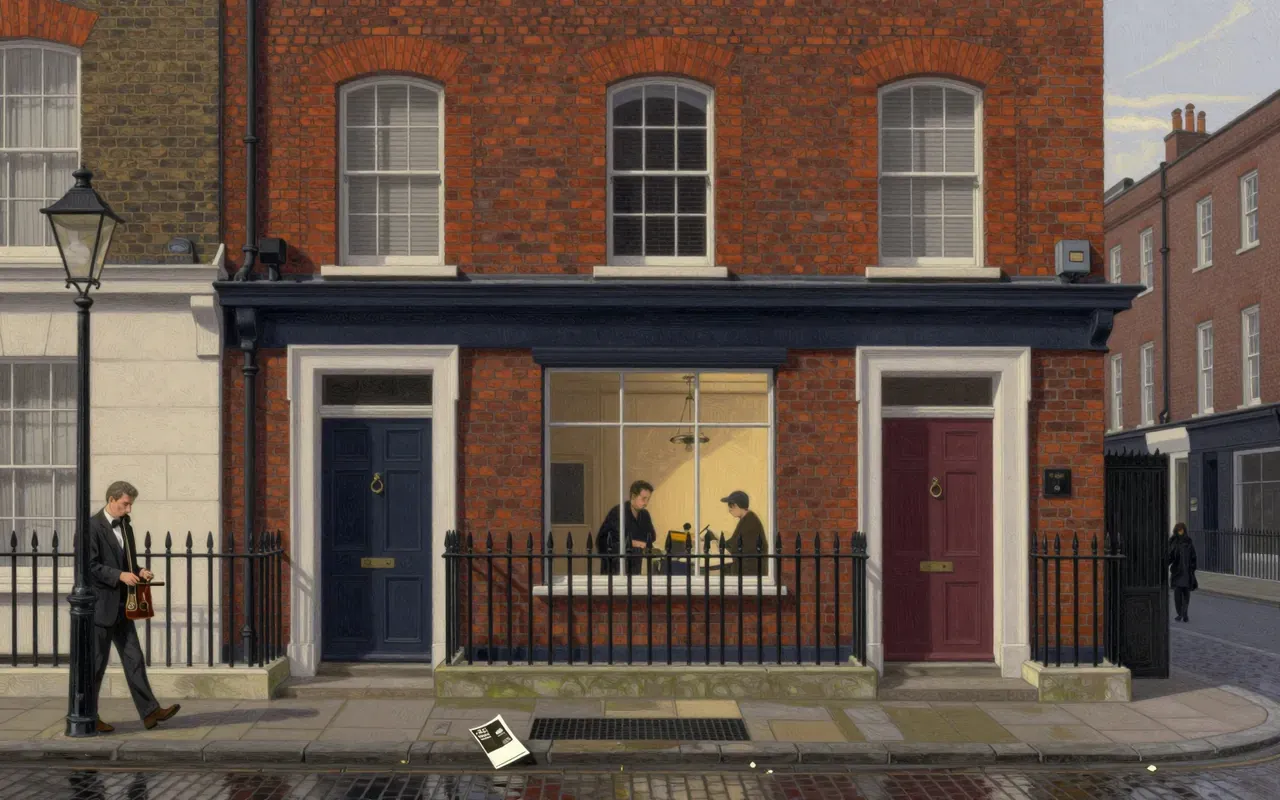
The Row (fashion label)

Mary-Kate and Ashley Olsen · 2006

The Row is a fashion house built on subtraction: no names, no interviews, no deviation from material specificity. Its first collection—seven pieces, all purchased by Barneys New York—proved that luxury could be silent, rigorous and commercially viable without spectacle.

10:36

Kilt

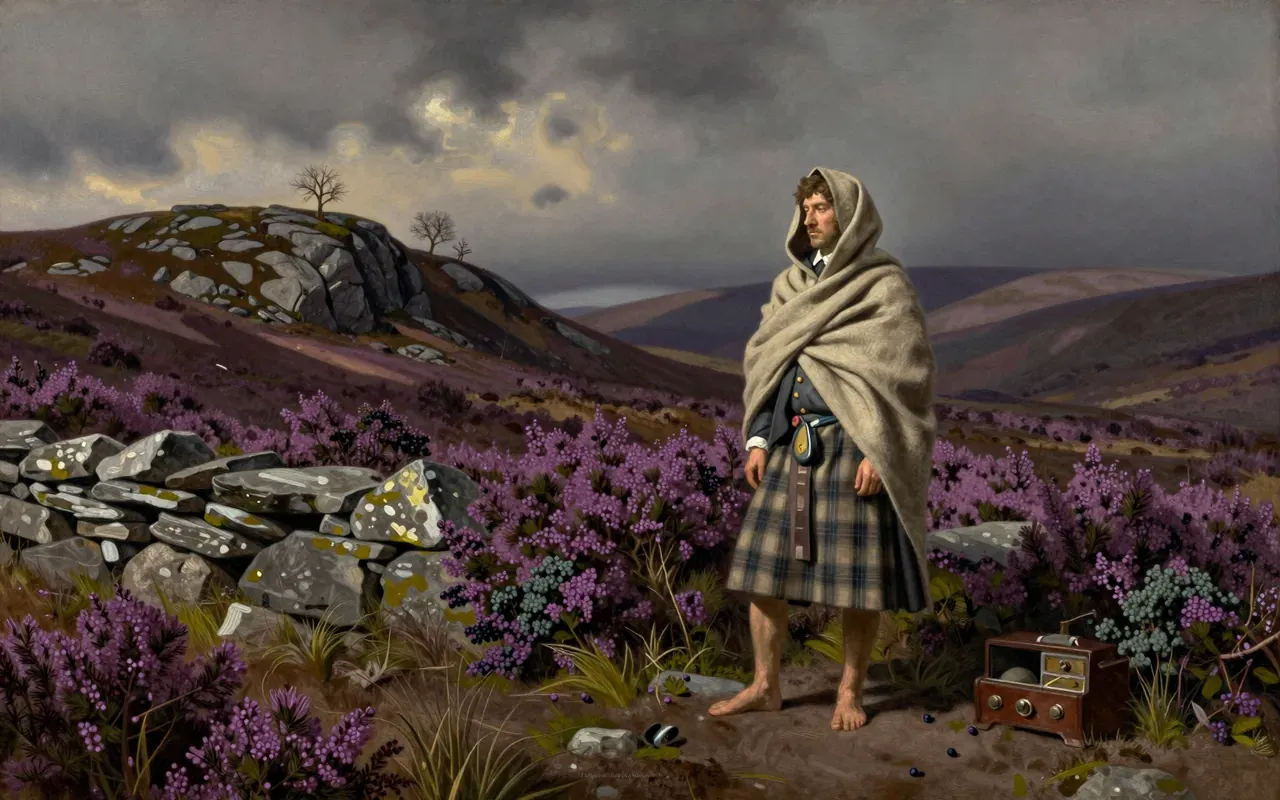
The kilt wasn’t born in Gaelic tradition—it was invented by an English Quaker to speed up Highland timber workers.
10:39

Canali

Canali didn’t invent Italian tailoring — it industrialised its authority.
10:40

Kate Moss

Kate Moss didn’t design clothes—she licensed a silhouette, a stitch, and a letter.
10:40

Helly Hansen

This wasn’t fashion—it was seam-sealed survival, stitched by hand for men who’d drown if it failed.
10:40

Polo shirt

The 'polo shirt' is a tennis garment dressed as a polo one—and that lie built an empire.
10:44

Cashmere wool

Cashmere regulates temperature and absorbs moisture — but it cannot regulate its own supply chain.
10:45

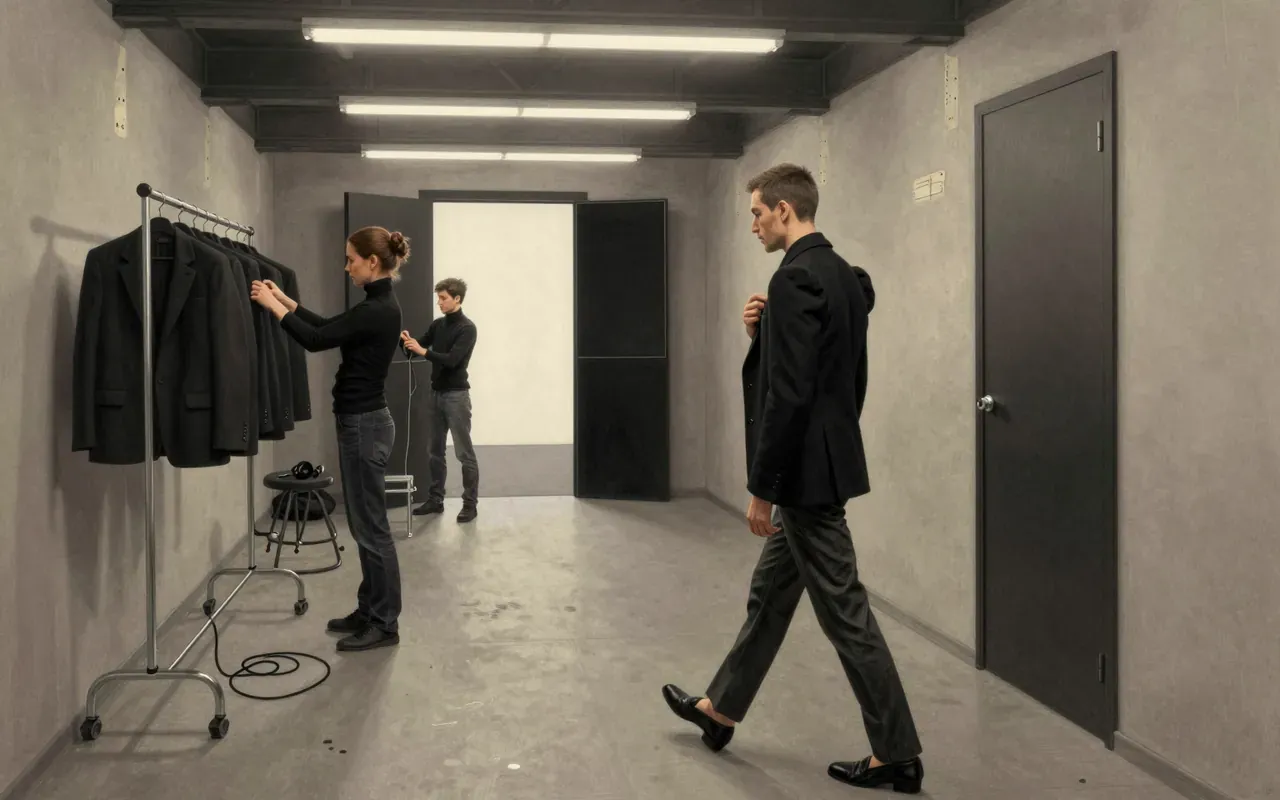
Off-White (company)

Virgil Abloh · 2012

Off-White is a case study in how conceptual framing, visual consistency, and asset sequencing can outpace traditional luxury development cycles.

10:46

Visvim

Visvim doesn’t make clothes — it makes slow, uneven, repairable arguments in cloth.
10:56

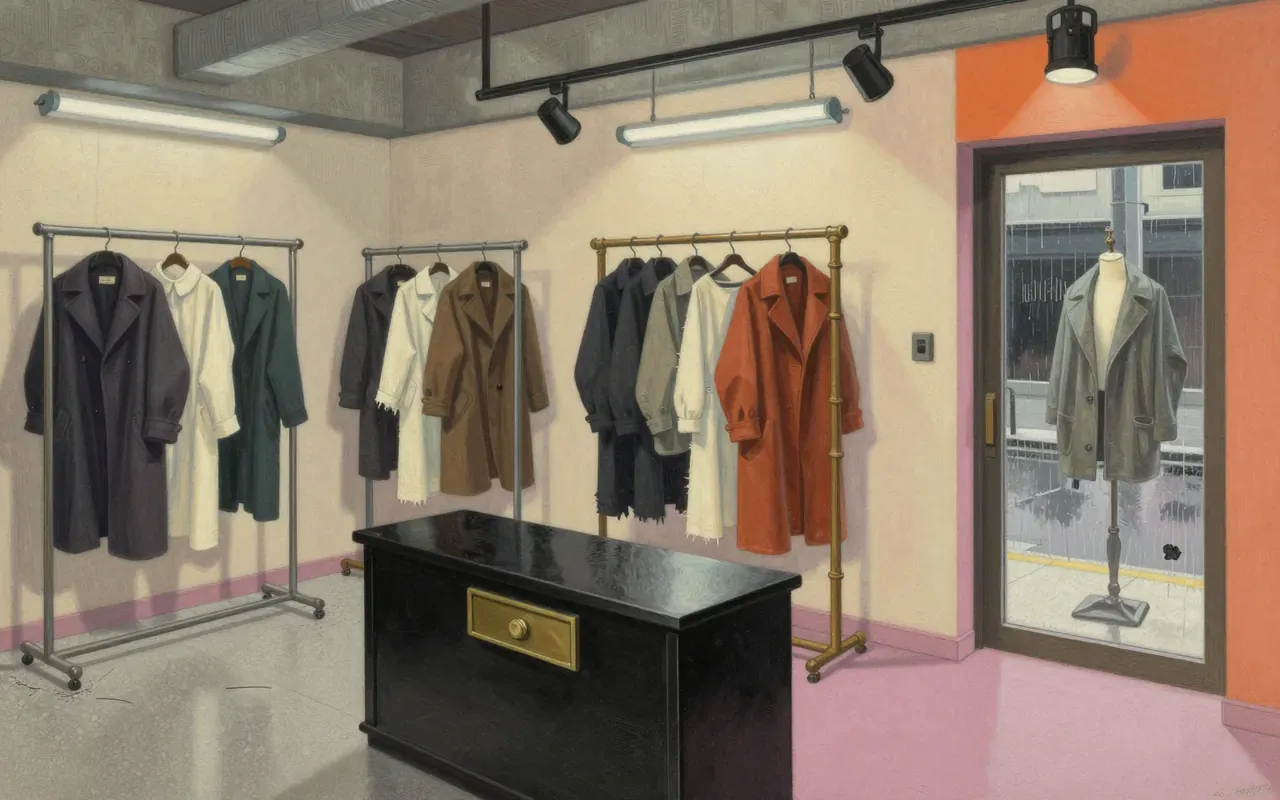
Polo Ralph Lauren vs U.S. Polo Association

Ralph Lauren

A protracted trademark dispute between Polo Ralph Lauren and the U.S. Polo Association, beginning in 1984, tested whether a commercial brand could claim exclusive rights to symbols and terms rooted in sport and history.
10:56

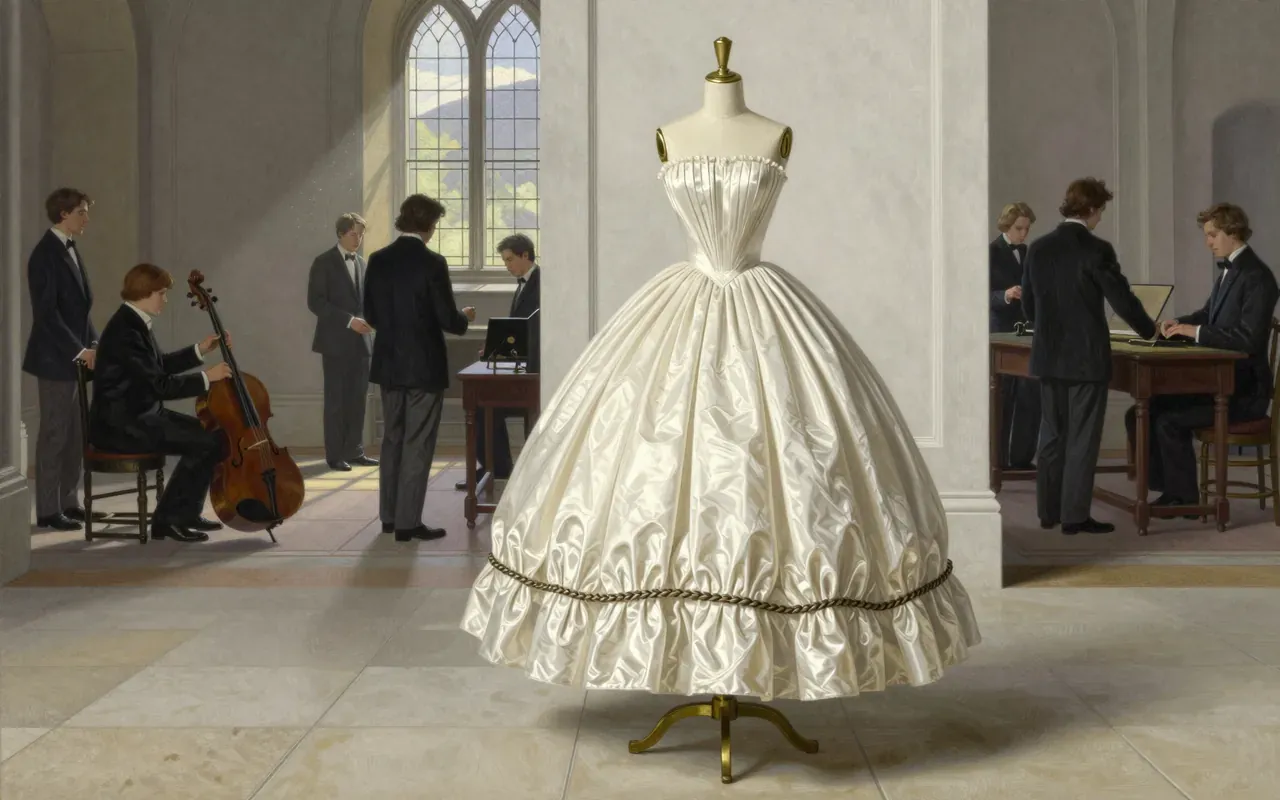
Comme des Garçons

Rei Kawakubo · 1969

Comme des Garçons is a Japanese fashion label founded by Rei Kawakubo in Tokyo in 1969. It is anti-fashion, austere, sometimes deconstructed—and deliberately rejects consensus notions of beauty, history, and fit.

11:06

Sacai

Sacai doesn’t mix casual and formal—it engineers friction between them.
11:07

Hanae Mori

Hanae Mori

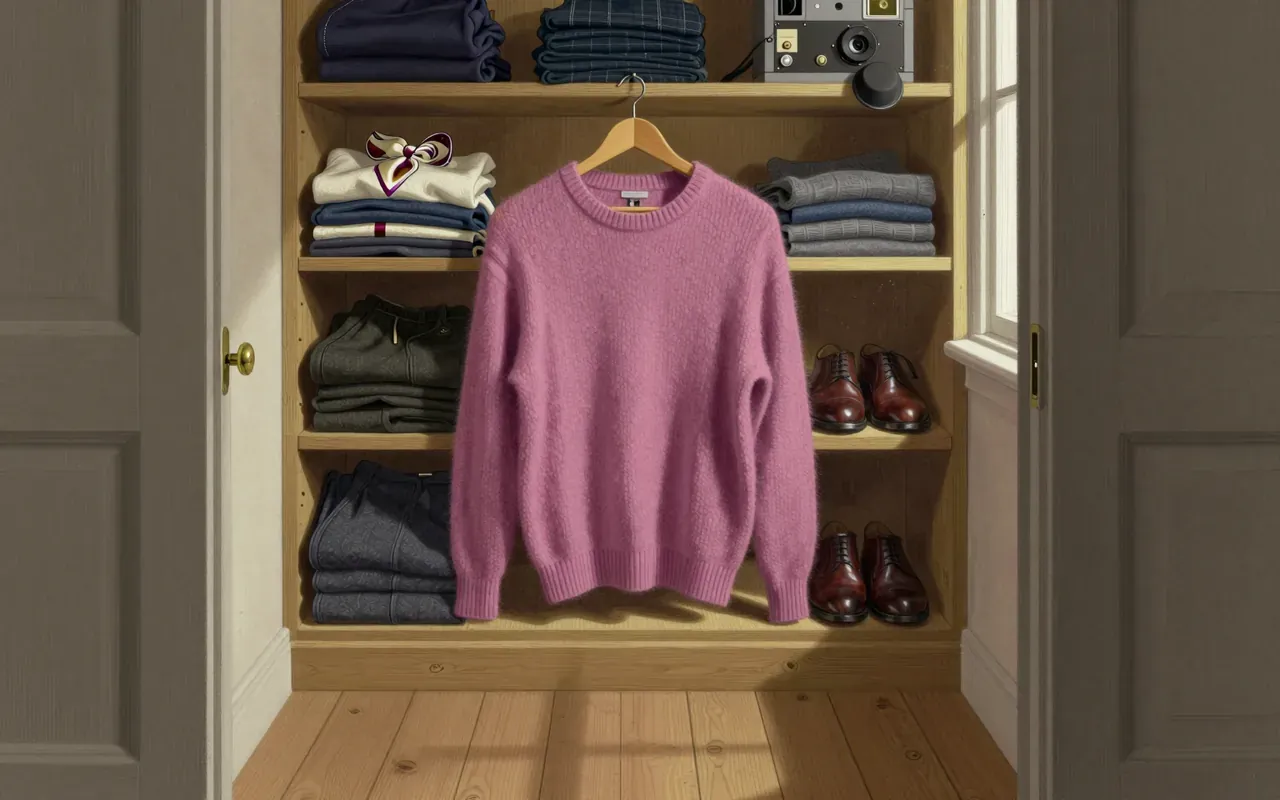
Hanae Mori’s fashion house operated from 1951 to its closure (date unspecified), grew to $500 million by the 1990s, and achieved rare institutional recognition: official haute couture accreditation in Paris, runway presence in New York and Paris, and commissions for national representation including JAL, the Olympics, and the Japanese Crown. Her work was functional, ceremonial, and geopolitically legible — not merely aesthetic.

11:10

Bill Blass

Bill Blass didn’t dress women for the red carpet—he dressed them for the rest of their lives.
11:11

Real McCoy (band)

Real McCoy is not a fashion label — it is a music project, and pretending otherwise misleads the reader.
11:12

Balenciaga

Cristóbal Balenciaga · 1917

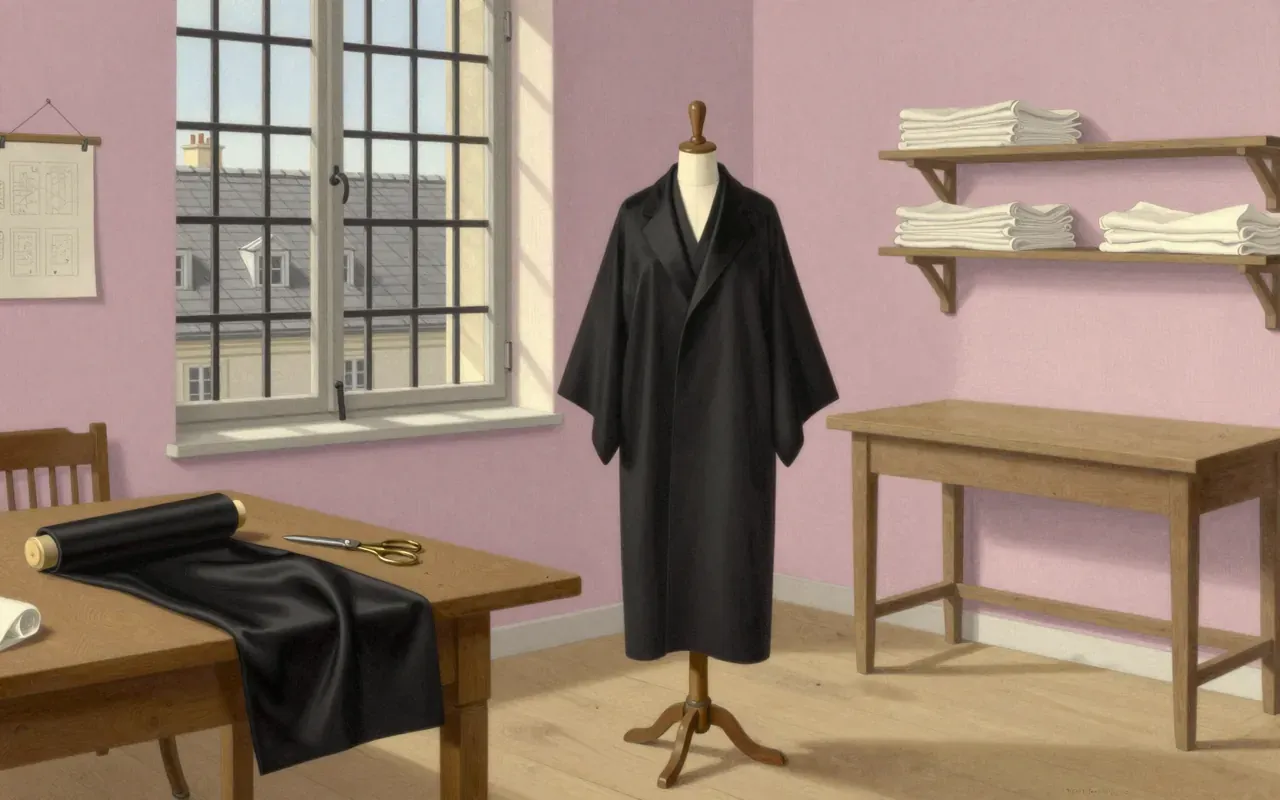
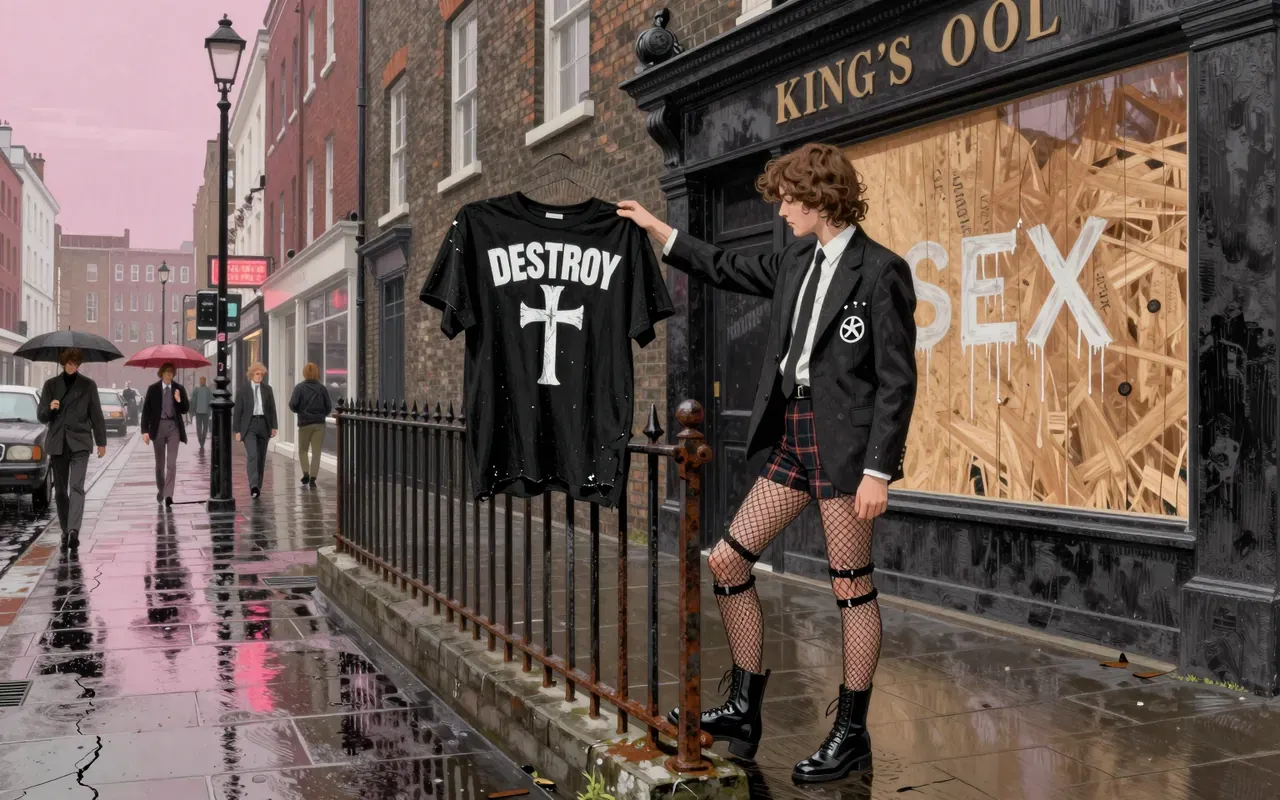
Balenciaga is a Spanish luxury fashion house founded in San Sebastián in 1919 and established in Paris in 1937. Its foundational innovation lay in radical silhouette transformation—broadening shoulders, removing waists, introducing tunic and chemise dresses, and culminating in the kimono-cut Empire line. This constituted its most important contribution: a new silhouette for women. To protect design integrity, Balenciaga shifted press showings to the day before retail delivery in 1957, defying industry norms and resisting both press expectations and the Chambre Syndicale de la Haute Couture Parisienne, of which he was never a member.
11:12

Punk fashion

Vivienne Westwood

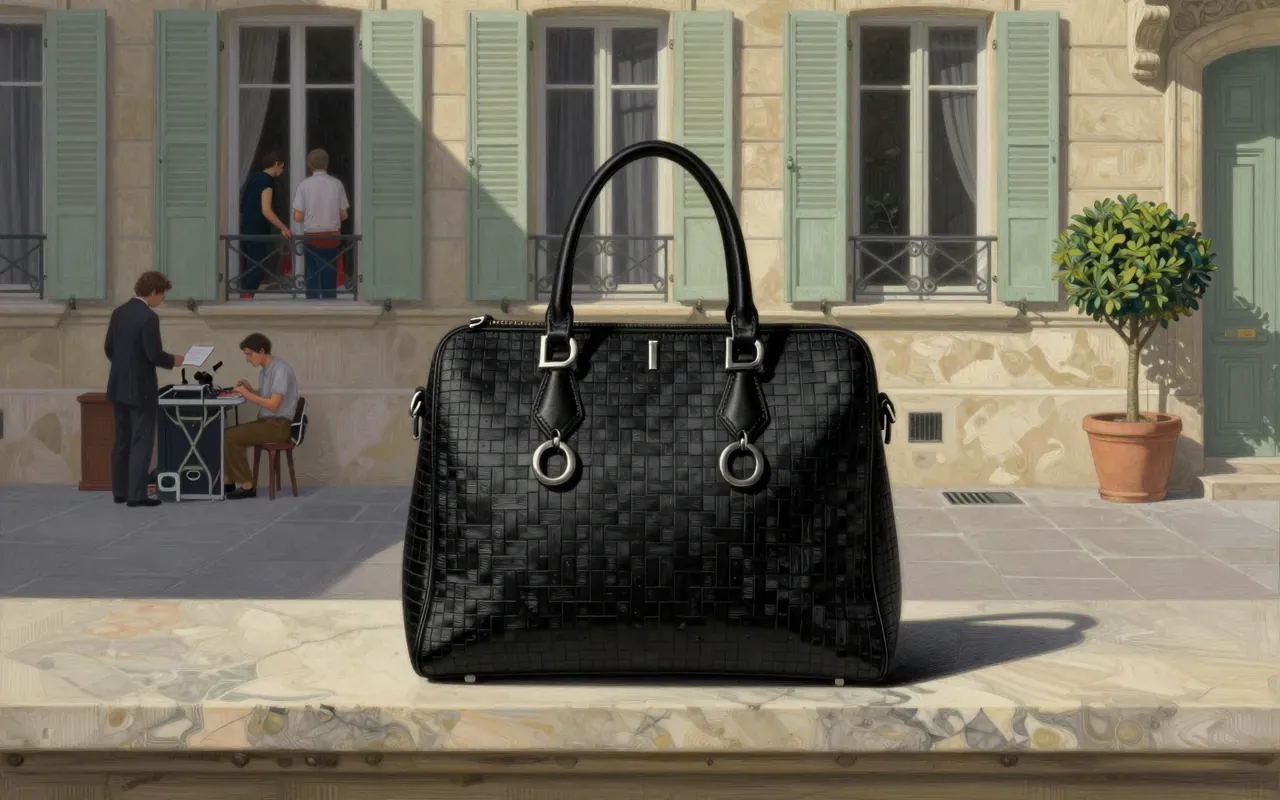
Vivienne Westwood’s punk fashion was a targeted assault on British cultural authority — materially crude, politically charged, and commercially savvy. It succeeded in making dissent wearable. It failed when its symbols were stripped of context and sold back as style.
11:16

Lady Dior

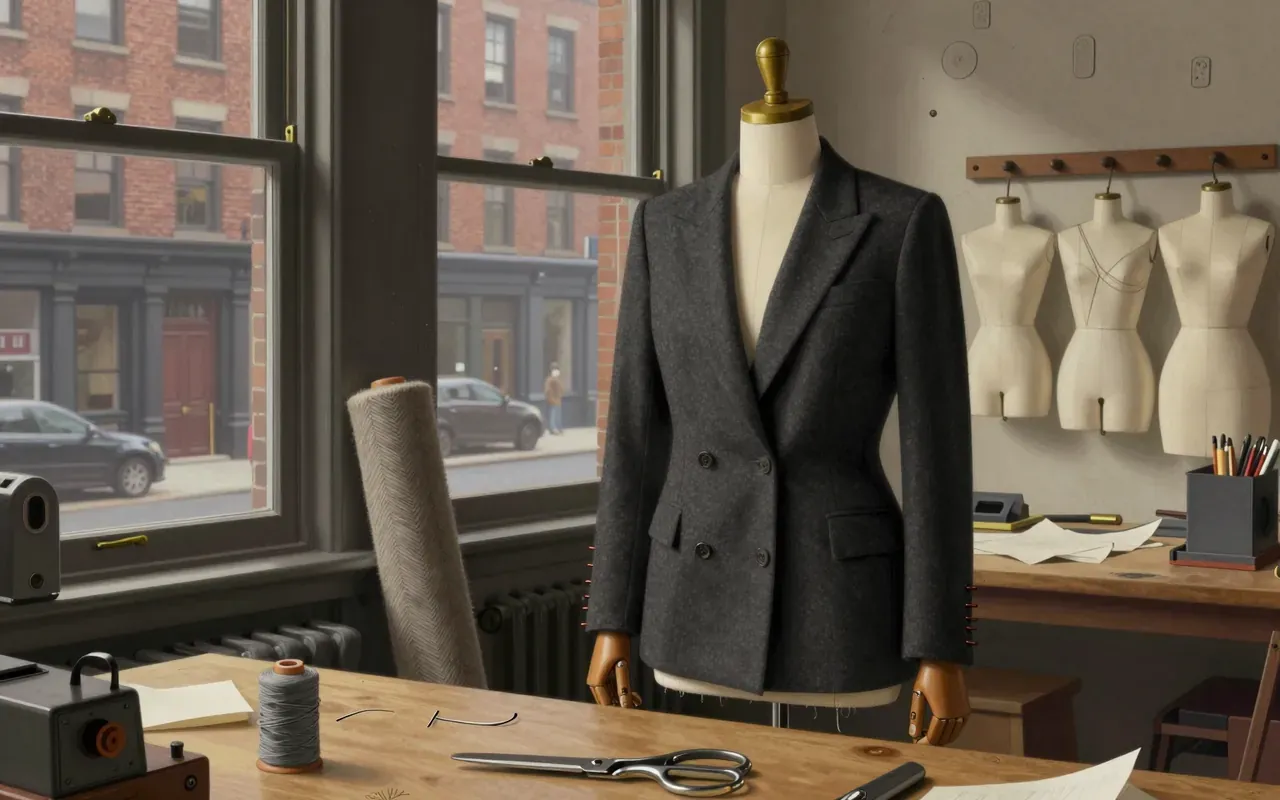
A rigid black box that turned furniture caning into a global status signal—and made Dior a leather goods house overnight.
11:25

Jerry Lorenzo

Fear of God is not streetwear dressed up — it is belief, baseball, and grunge made wearable as quiet doctrine.
11:29

Colette (boutique)

The Paris concept store that sold fashion, books and a hundred bottled waters for twenty years, and gave Raf Simons and Sacai early racks.
11:40

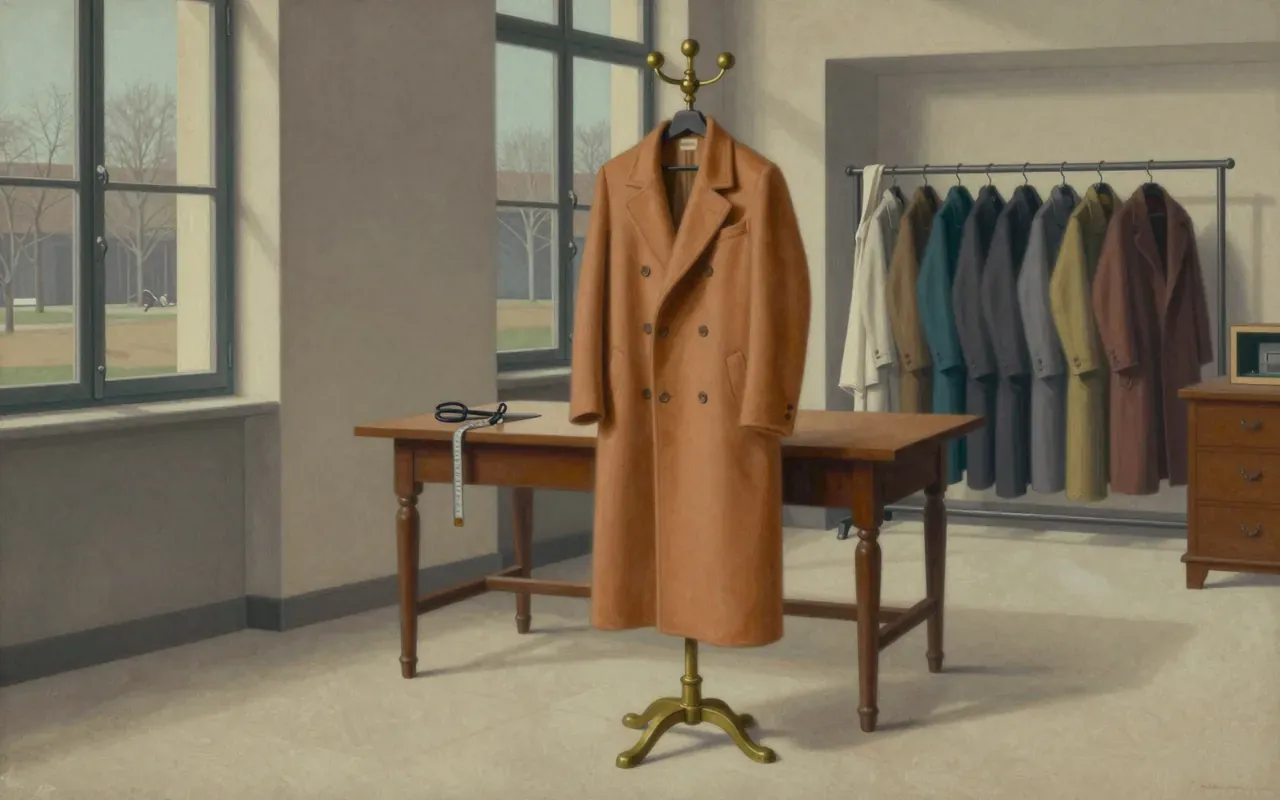
Max Mara

Max Mara didn’t make coats for weather—it made them for posture, presence, and permanence.
12:10

Dhoti

The dhoti isn’t draped—it’s looped. And that loop defines its purpose, its place, and why most people wearing 'dhotis' today aren’t wearing one at all.
13:02

Dashiki

The dashiki is not African-American heritage—it’s a Dutch-printed garment that became a symbol because it looked like one.
13:03

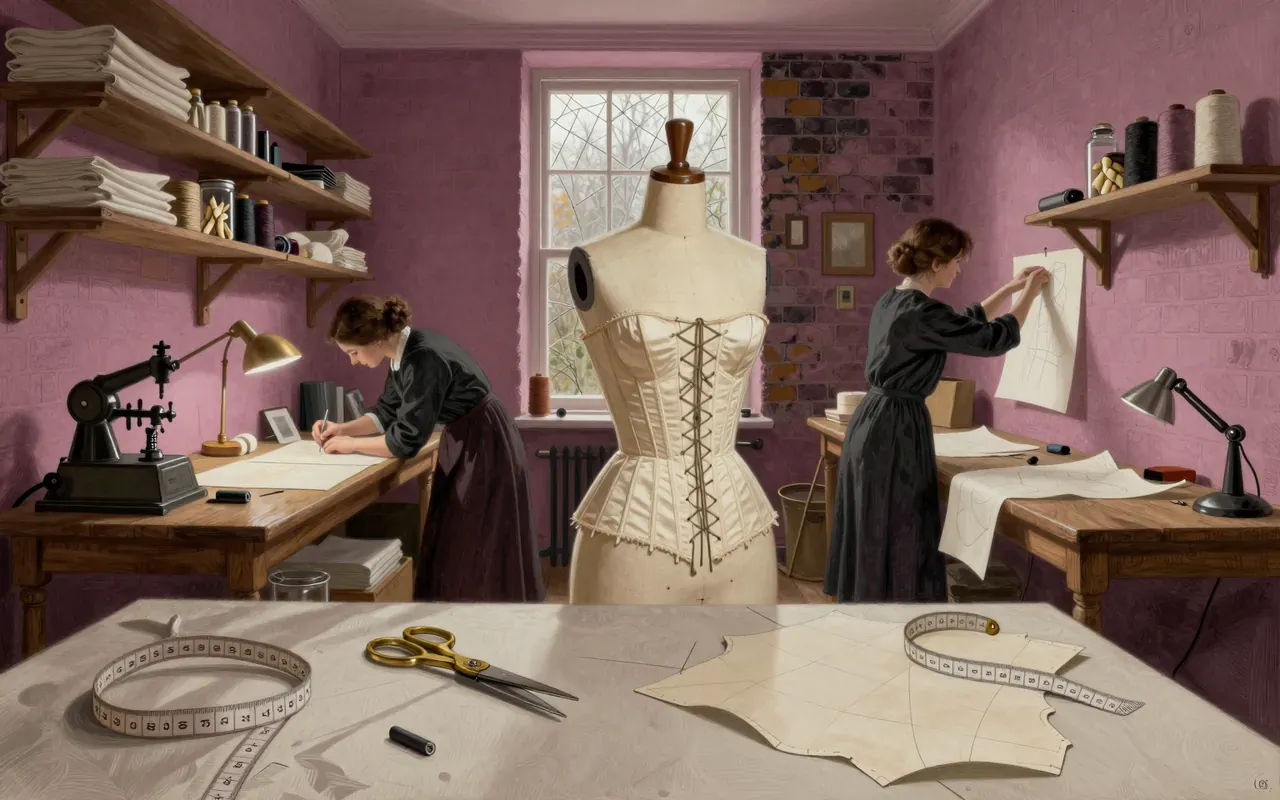
Corset

A garment that shaped bodies, then language, then medicine—and never stopped enforcing ideals under the guise of support.
13:47

Hoodie

A garment built for warmth became a screen for society’s anxieties about who belongs — and who must be watched.
14:14

I-beam

An I-beam is not fashion—it is physics made visible, and wearing one would be structural suicide.