Saved
Shortest first

All briefs

372 briefs · 3501 min · 193–288 on page 3 of 4
9:24

The North Face

A climbing jacket that became a target — first for altitude, then for robbery, then for bullying.
9:24

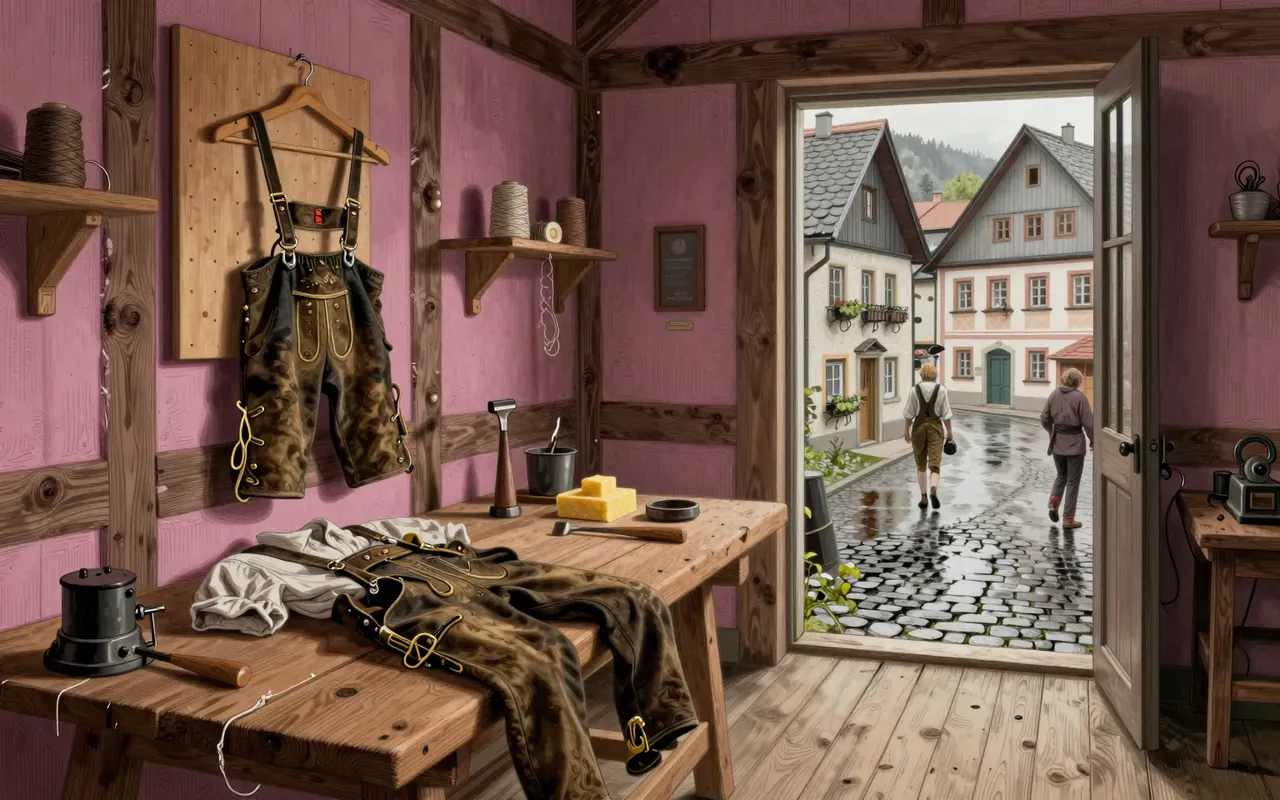
Lederhosen

Lederhosen aren’t Bavarian tradition—they’re alpine workwear that got colonised by national myth.
9:25

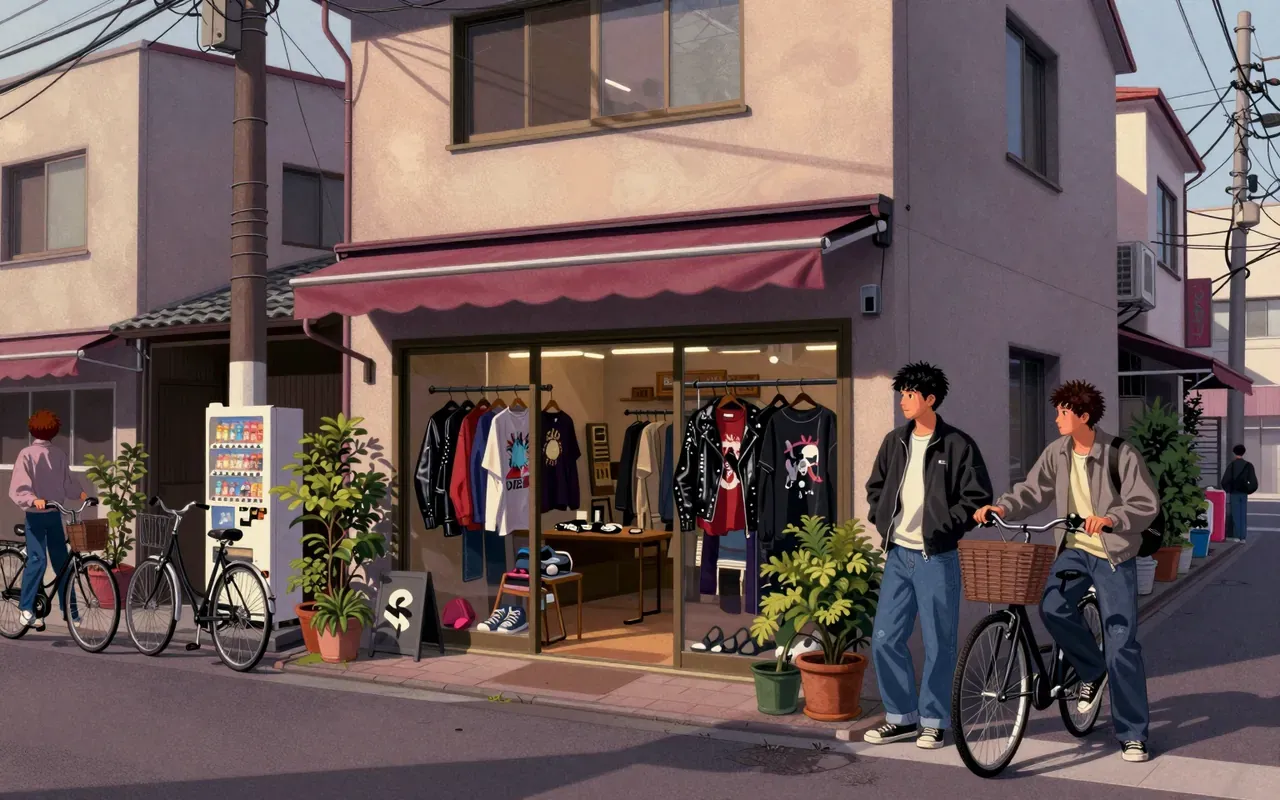
Kith (brand)

Kith isn’t a clothing brand—it’s a retail operating system disguised as streetwear.
9:26

Descente

Descente doesn’t make clothes — it builds wearable physics labs for bodies moving at speed in extreme cold.
9:26

Versace

Versace didn’t make clothes for bodies—it made them for entrances.
9:26

Ralph Lauren

Ralph Lauren

Ralph Lauren is a fashion brand founded in 1967 that built a global multibillion-dollar enterprise around Anglophile heritage aesthetics, beginning with men's ties and expanding through the Polo line, the Polo player emblem (first seen on a women's shirt cuff in 1971), and the first freestanding store for an American designer on Rodeo Drive in 1971.
9:27

Undercover

Undercover is a Japanese fashion label founded in 1993 by Jun Takahashi as a high-end streetwear label for men, women and children.
9:27

Pea coat

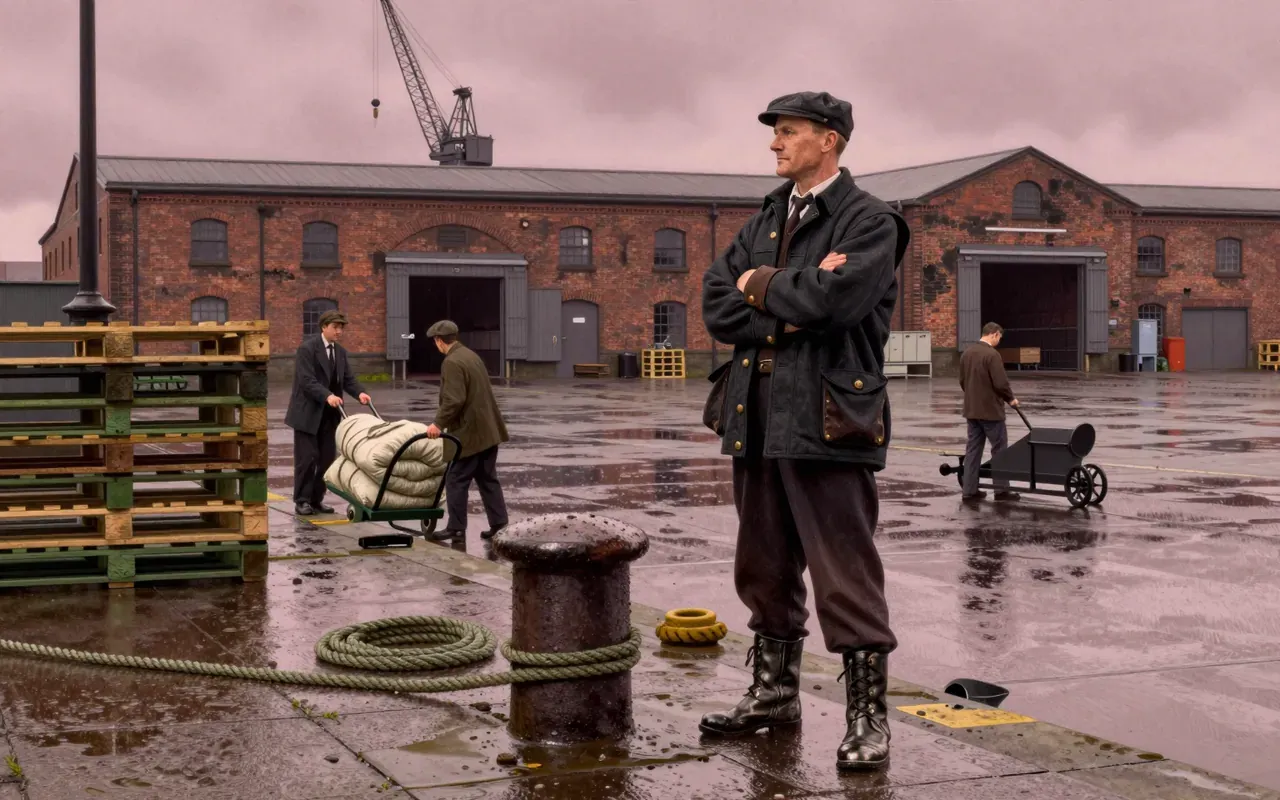
A pea coat isn’t versatile—it’s a 300-year-old solution to one problem: staying upright on a pitching deck in gale-force wind.
9:27

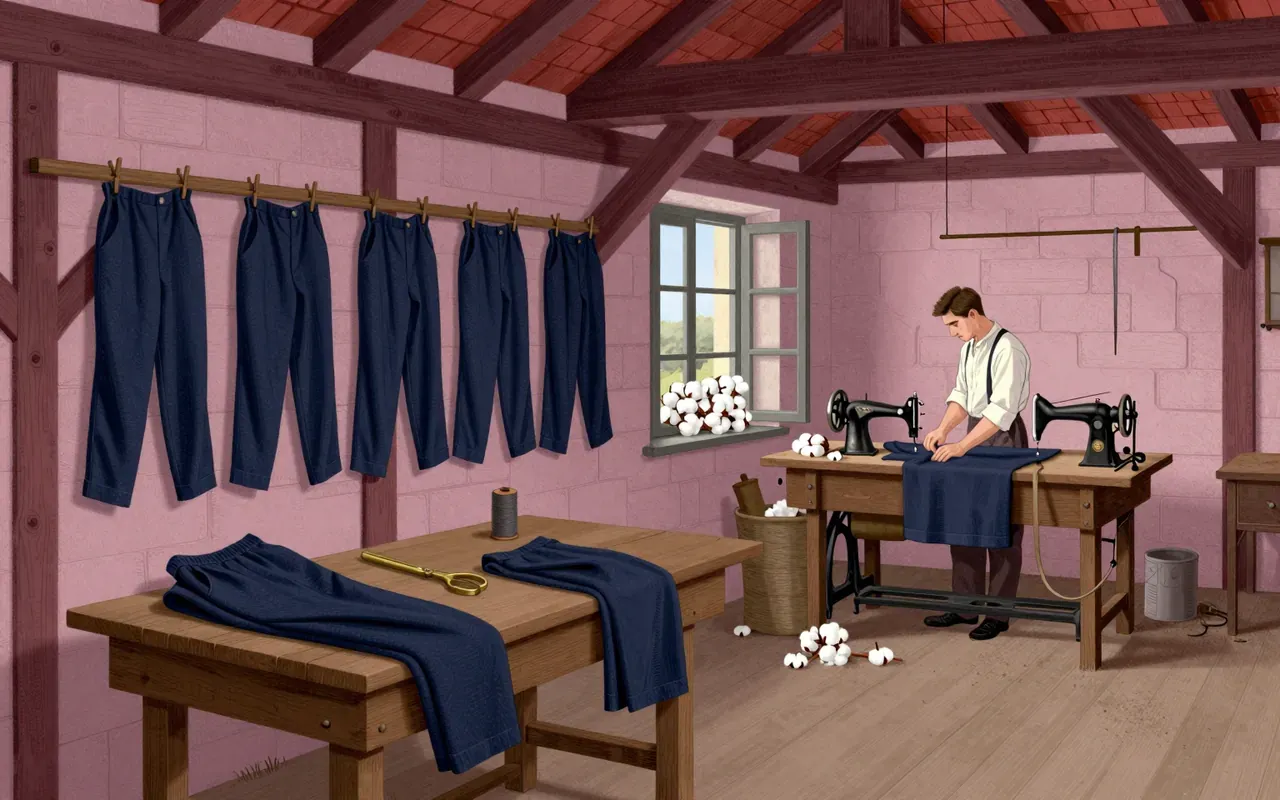
Dickies

Dickies didn’t invent workwear—it weaponised repetition.
9:28

Christian Dior

Christian Dior

Christian Dior’s work from 1947–1957 redefined fashion as seasonal, named, and nationally symbolic — not personal style, but statecraft in cloth.
9:28

Hugo Boss

Hugo Boss · 1924

Hugo Boss in 1924 was a regional workwear factory — not a fashion institution, not a design innovator, not a global brand. Its significance lies entirely in what came after: Nazi Party membership in 1931, wartime exploitation of 140 forced labourers, and a delayed reckoning that arrived only in 2001. The 1924 origin is factual scaffolding — not cultural substance.
9:29

Christian Dior

Dior didn’t liberate women—he re-enchanted them with structure, season by season.
9:29

Church's

Church's shoes are heavy by design — and that weight is their only unbroken promise.
9:29

Hanbok

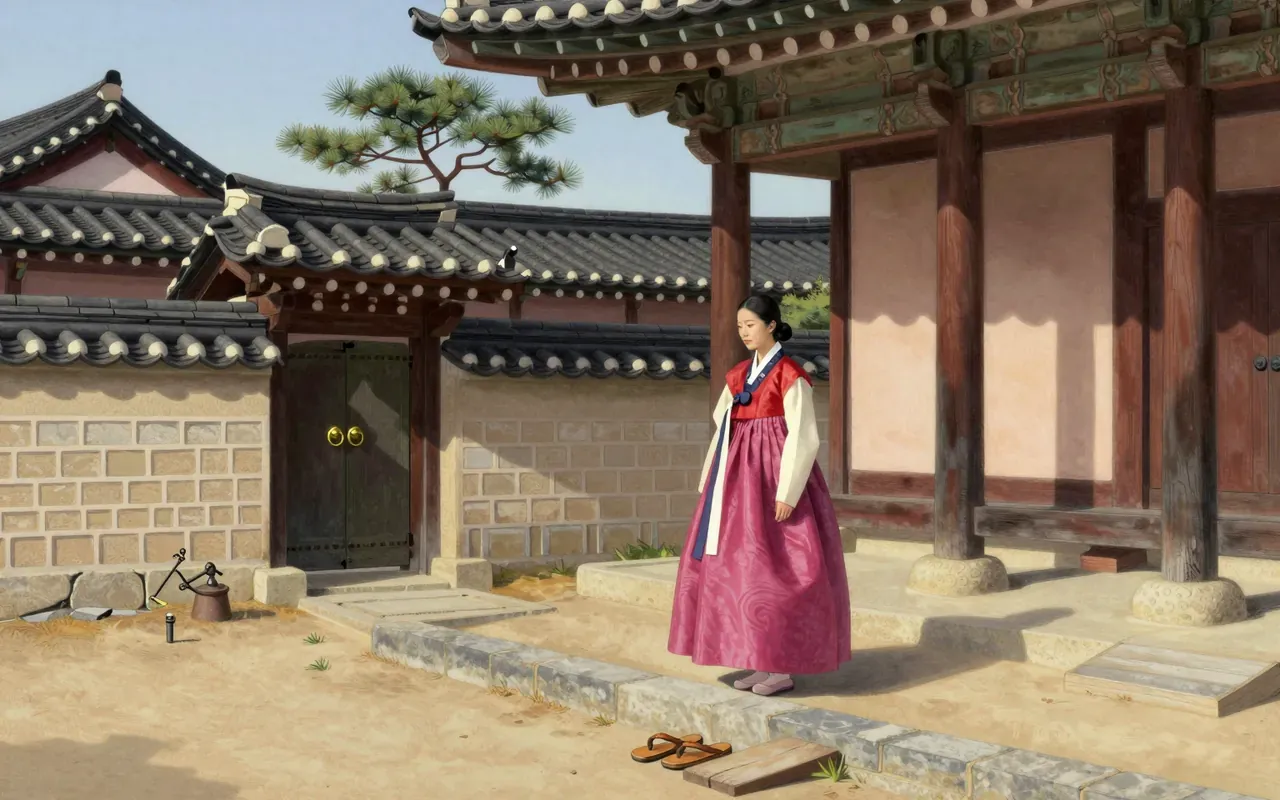
Hanbok is not ancient tradition—it’s a 19th-century label applied to a much older structure.
9:30

Polo neck

A neck-covering weapon of quiet dissent—and practical durability—forged in chainmail and worn by sailors, Marxists, and everyone who refuses to knot a tie.
9:32

Birkin bag

A bag designed for diapers became a lockbox for status — its function buried under its own exclusivity.
9:32

The Attico

A dressing gown label that learned how to walk before it learned how to run — and still hasn’t learned how to stand still.
9:32

Aimé Leon Dore

Post-streetwear isn’t a trend—it’s a recalibration of where heritage ends and the block begins.
9:33

Etro

Paisley is not a print—it’s Etro’s operating system.
9:33

Marimekko

Armi Ratia · 1951

Marimekko is a Finnish textile and apparel company founded in Helsinki in 1951 by Viljo and Armi Ratia. It commissions artists to design bold graphic prints, then uses those prints in simple garments and home furnishings. Its early recognition at the 1957 Milan Triennale affirmed fashion as industrial art. Key outputs include the 1956 Jokapoika shirt and the 1964 Unikko pattern. It made important contributions to 1960s fashion through brightly coloured, simply styled products.
9:34

Coco Chanel

Chanel didn’t liberate women’s bodies—she outsourced their discipline to jersey.
9:34

Gorpcore

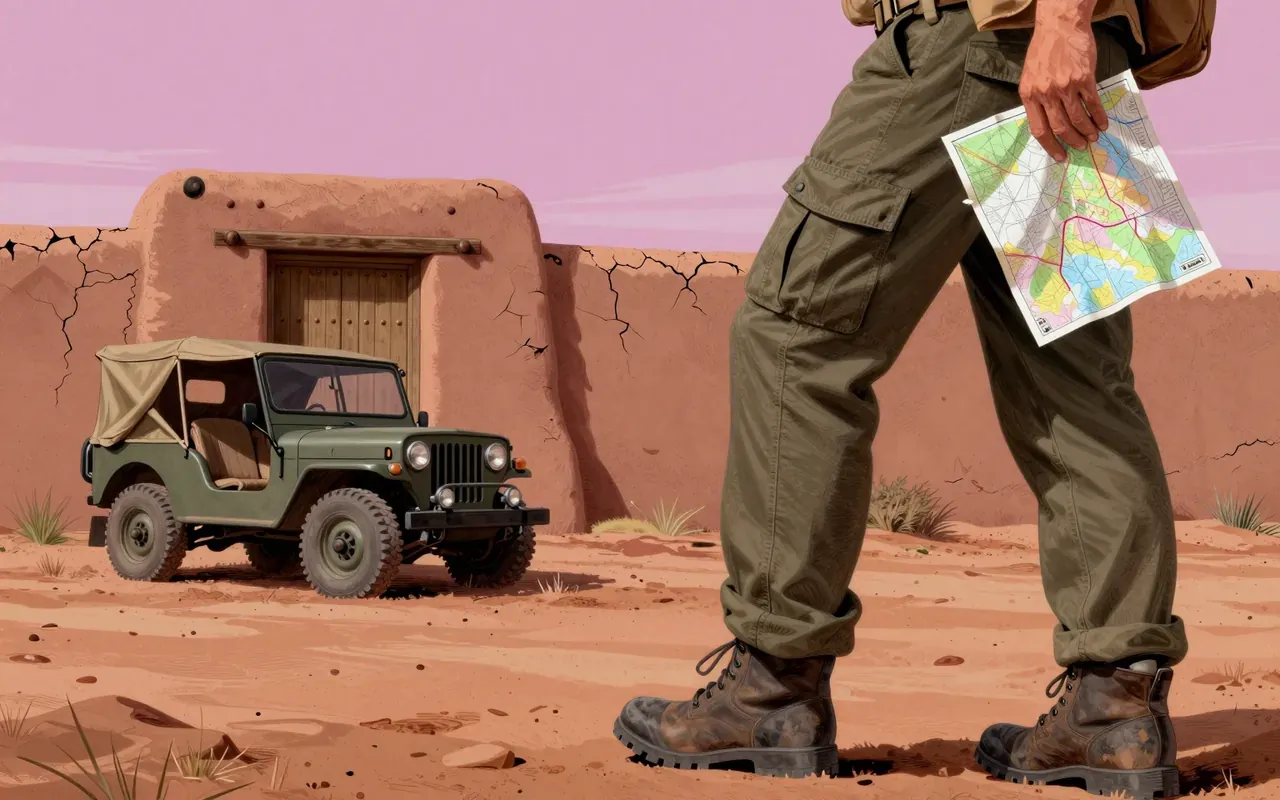
Gorpcore isn’t about the mountains—it’s about wearing the map without ever leaving the flat.
9:35

I-D

A wink is not charm—it’s a contract. i-D made it the only rule that never changed.
9:36

Street style

Street style is not fashion’s raw material—it is fashion’s first draft, written by the people it claims to serve.
9:36

Boglioli

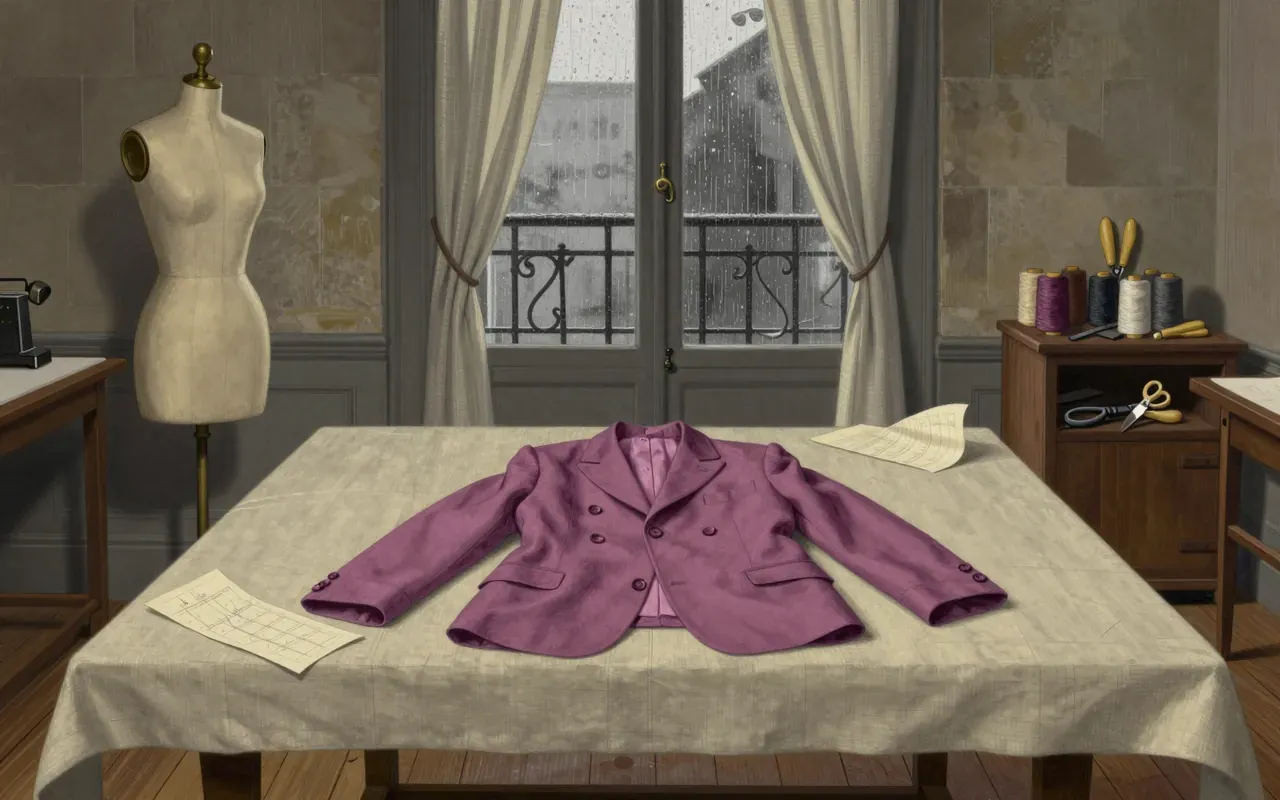
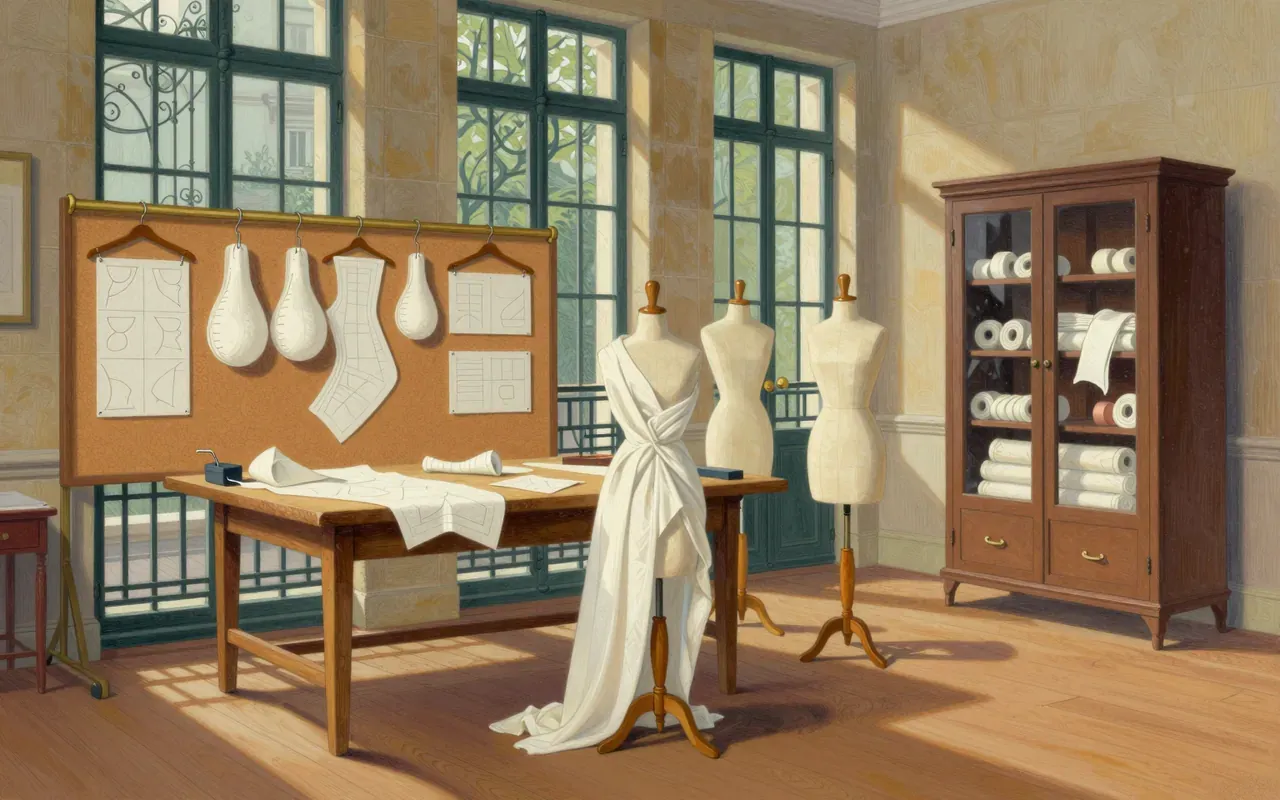
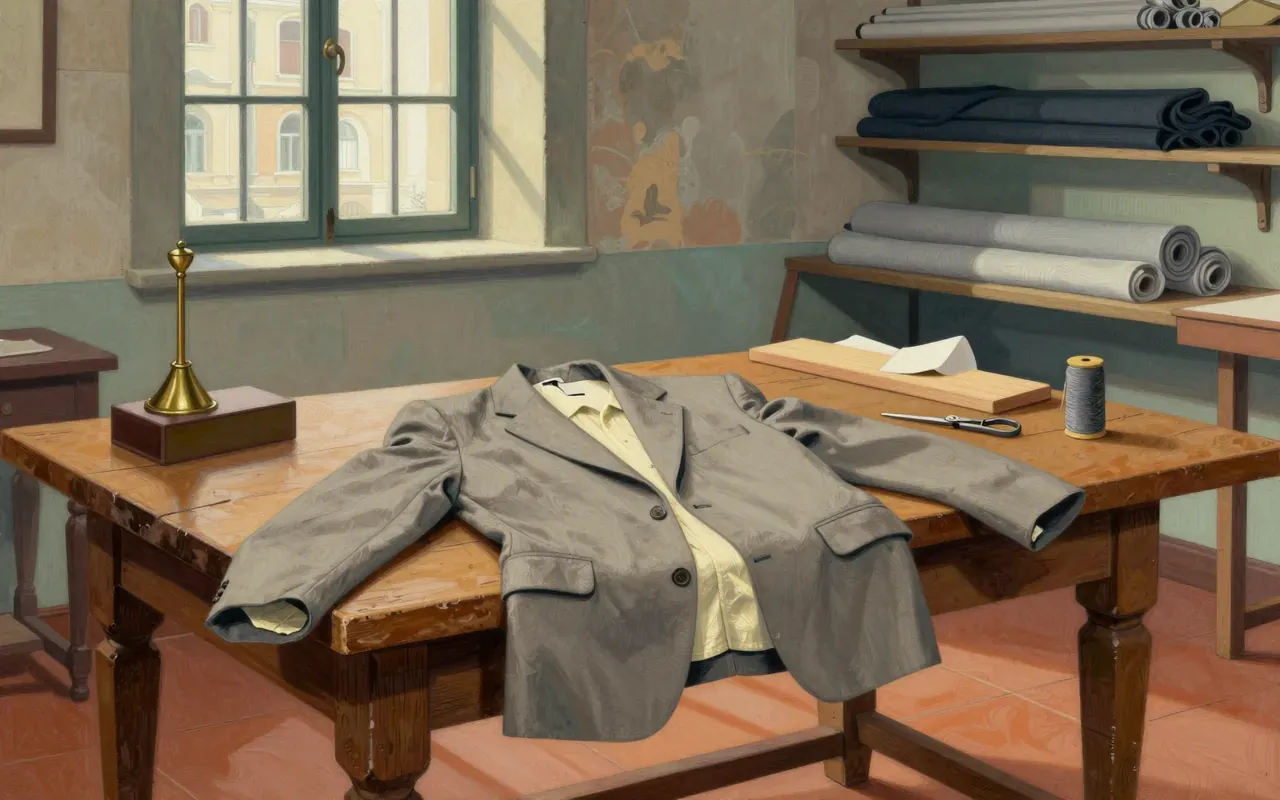
Tailoring without scaffolding: Boglioli’s jacket dyes its way out of tradition.
9:36

Armani

Armani is not a style—it’s a logistical doctrine dressed as tailoring.
9:36

Guy Laroche

Guy Laroche made couture you could wear to lunch—and still be remembered after dessert.
9:36

Tweed

Tweed is not heritage—it is hydrophobic wool with geography baked into its yarn.
9:36

Bikini

A swimsuit named after a nuclear test—and worn without irony by the mid-1960s.

9:36

Boubou (clothing)

The boubou is not heritage—it’s a garment forged in desert trade, weaponised by empire, and repurposed by colonisers.
9:37

Ganni

Ganni is not a bridge between fast fashion and couture—it’s the first brand to name that gap as its address.
9:37

Slip dress

It is not lingerie pretending to be clothing—it is clothing that rewrites lingerie’s grammar.
9:37

Tod's

Tod's didn’t invent the driving loafer — it repackaged a copy as heritage.
9:41

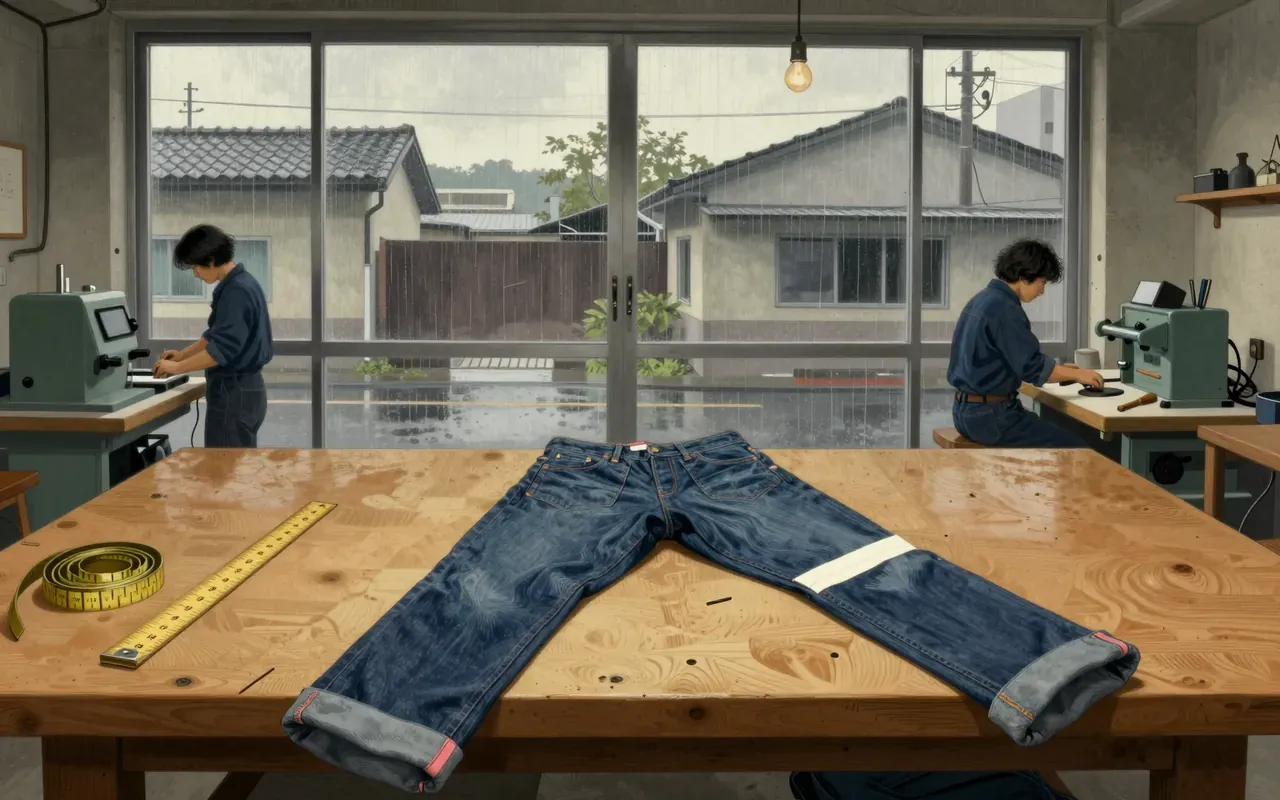
Levi Strauss & Co.

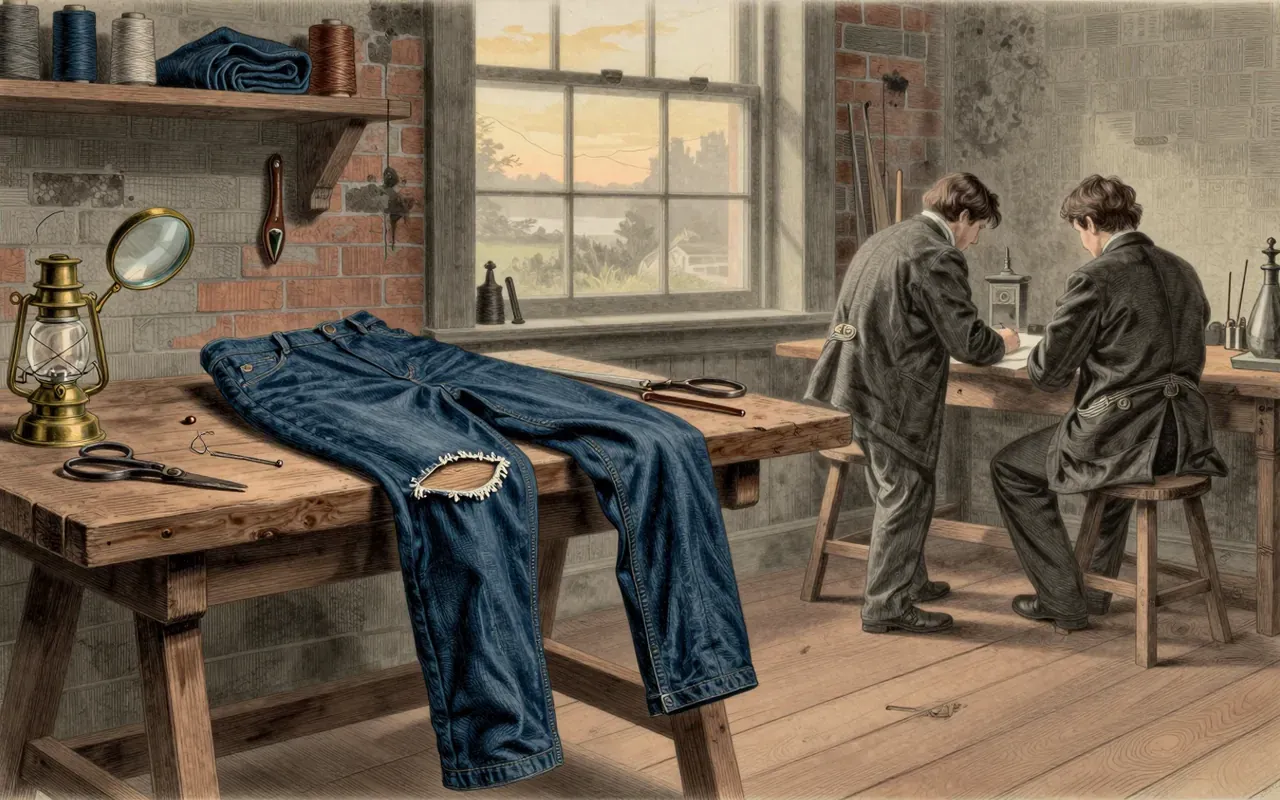
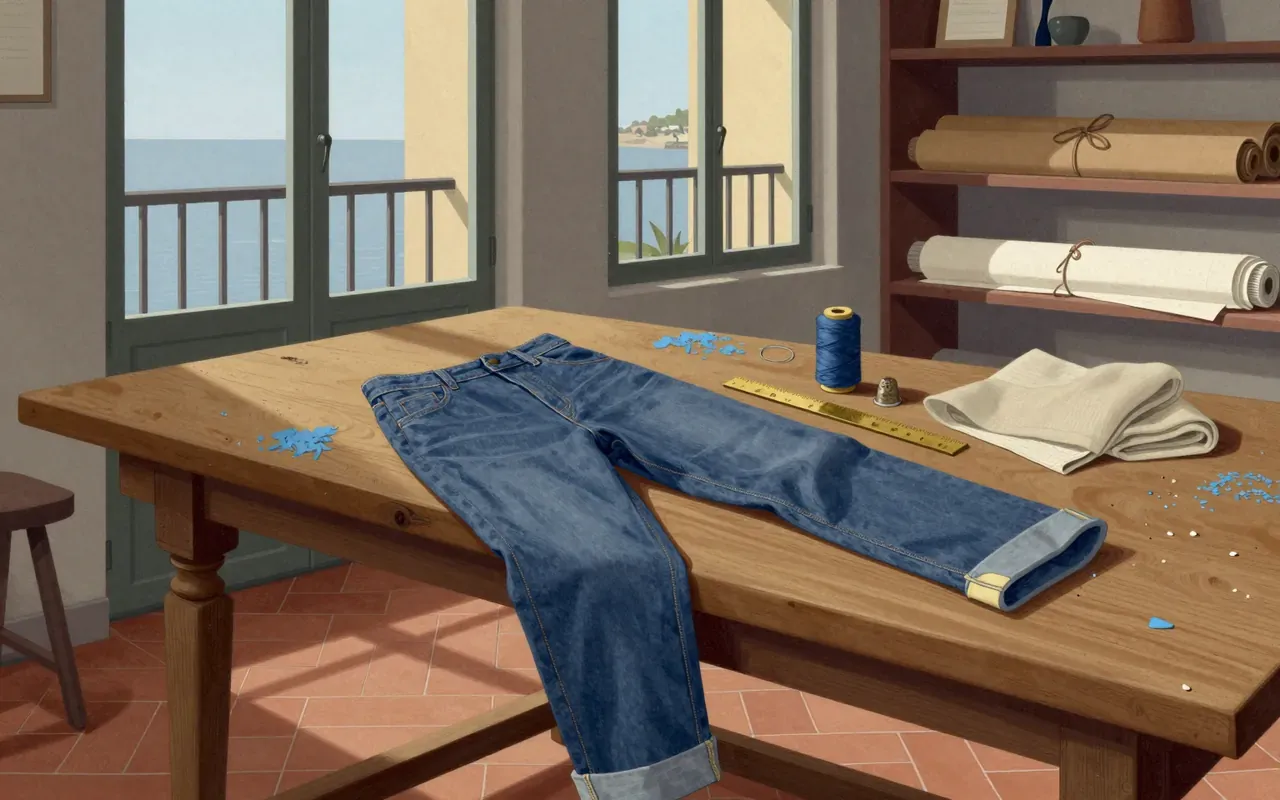
Denim’s first functional patent wasn’t about style—it was about stopping seams from splitting on a gold miner’s thigh.
9:41

Schott NYC

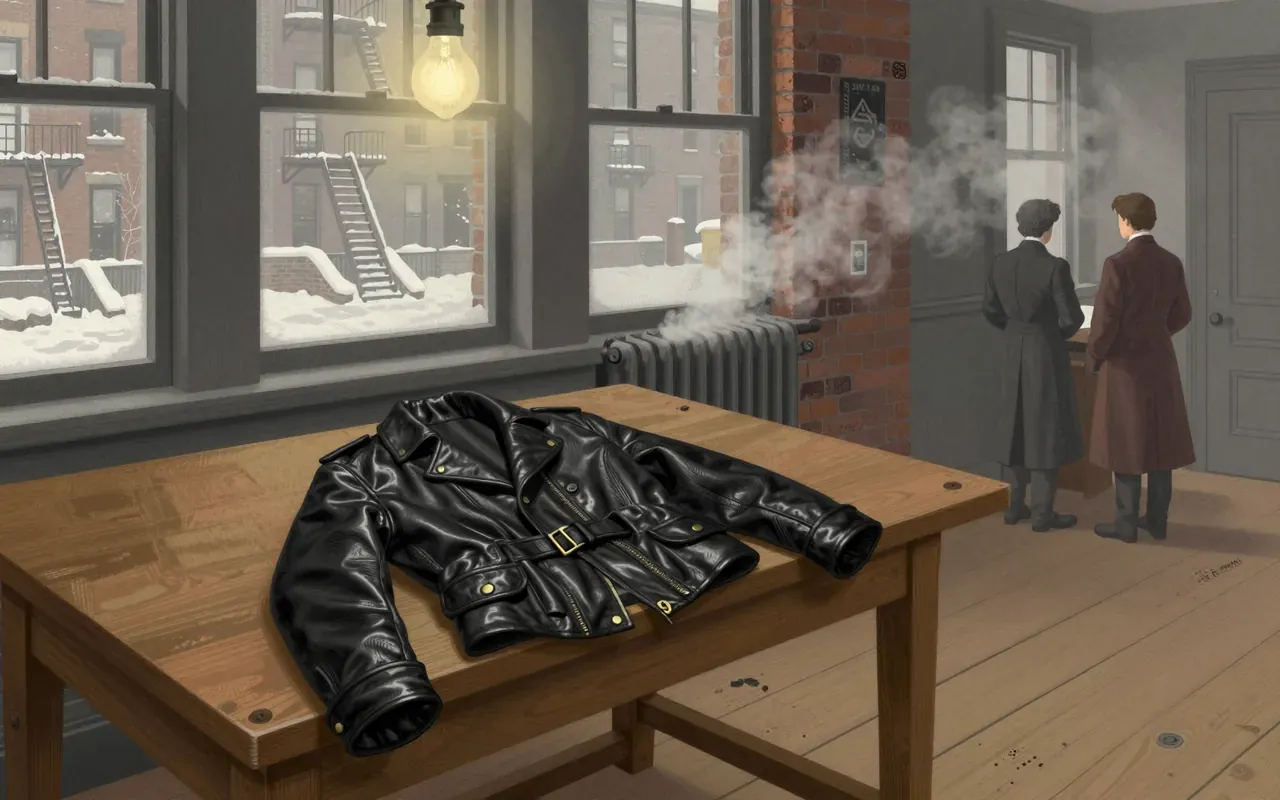
The first zippered jacket wasn’t fashion—it was friction, fitted, and forged on the Lower East Side.
9:42

Louis Vuitton

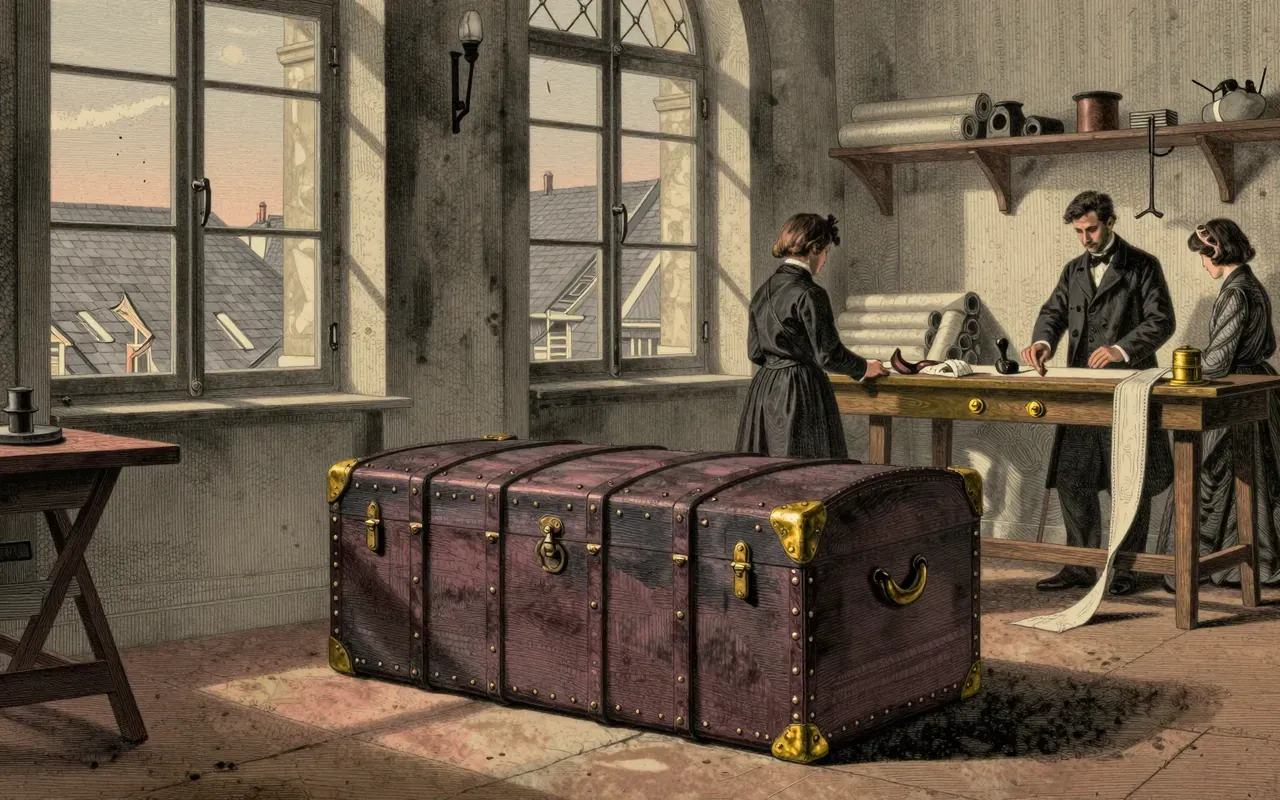
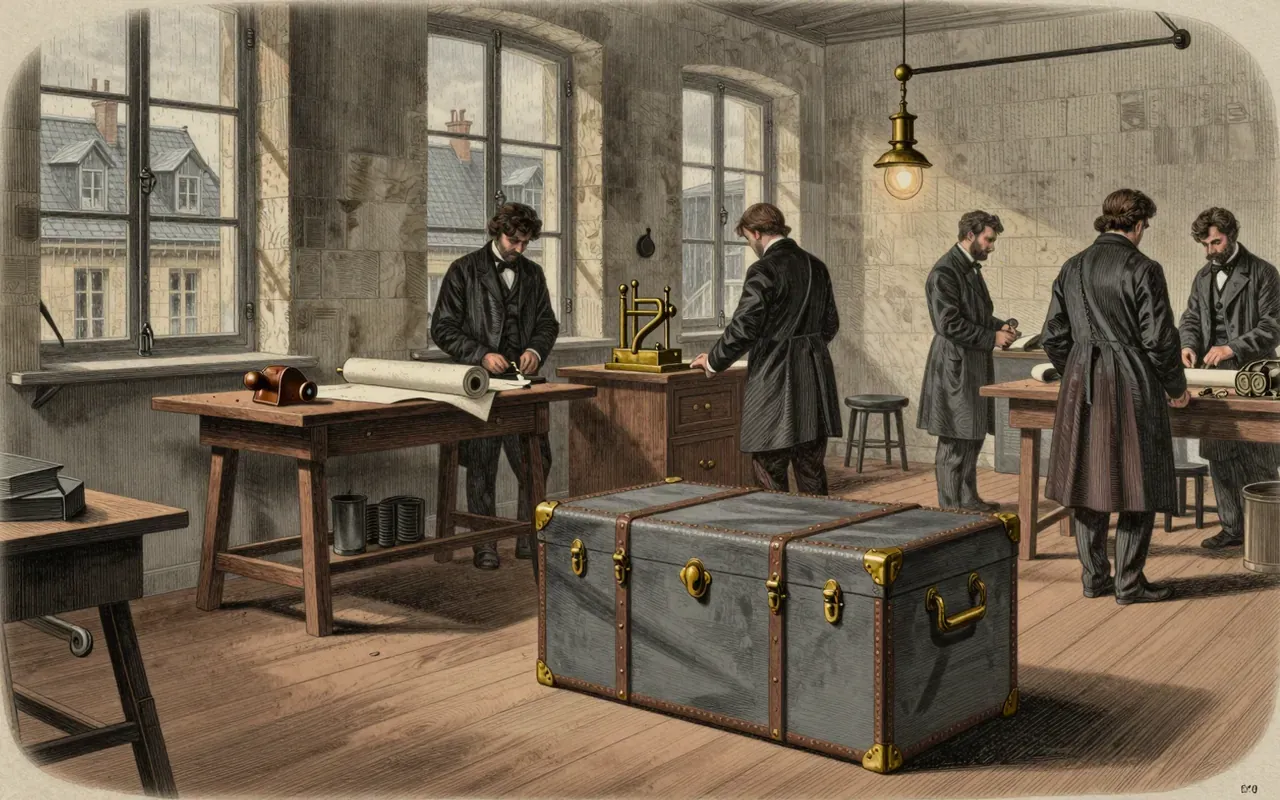
A trunk is not a bag—it is a portable vault built to survive empire-scale movement.
9:42

Isaia

Isaia tailoring doesn’t hide from the sun—it fights back with colour and coral.
9:42

Gore-Tex

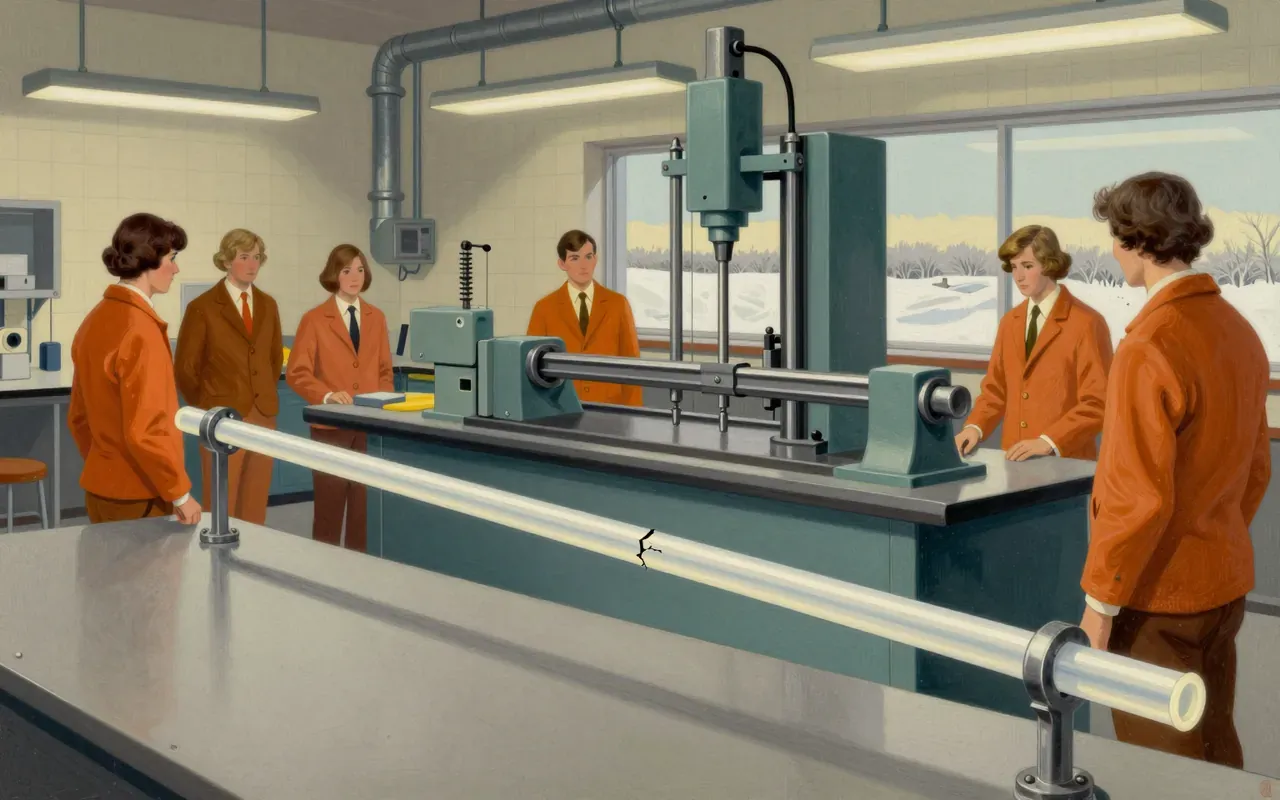
A 1969 accident with heated PTFE gave us waterproof breathability—and a lifetime of environmental debt.
9:42

Harper's Bazaar

The longest-running women’s fashion magazine isn’t a relic—it’s a live wire of editorial reinvention, wired straight from 1867.
9:42

Nike Cortez

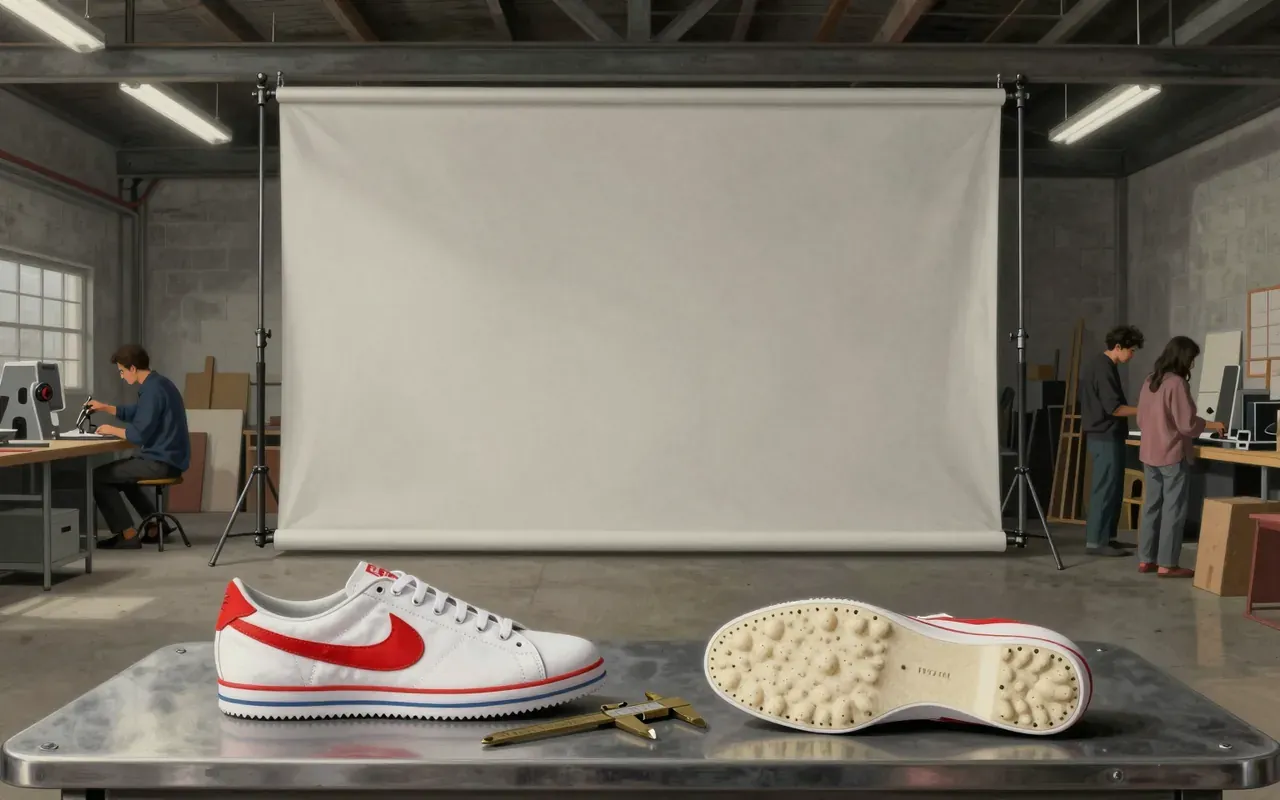
The Cortez didn’t invent running shoes—it weaponised comfort into a sales explosion.
9:43

Marni (brand)

Marni trades in intelligent discomfort — and has done so since its fur-trade origins demanded it.
9:44

Celine (brand)

Celine began not with clothes, but with children’s shoes — and never stopped thinking like a bootmaker.
9:44

Oscar de la Renta

Elegance is not inherited — it’s engineered, and de la Renta built it for Kennedy’s shoulders, not history’s.
9:45

Ripstop

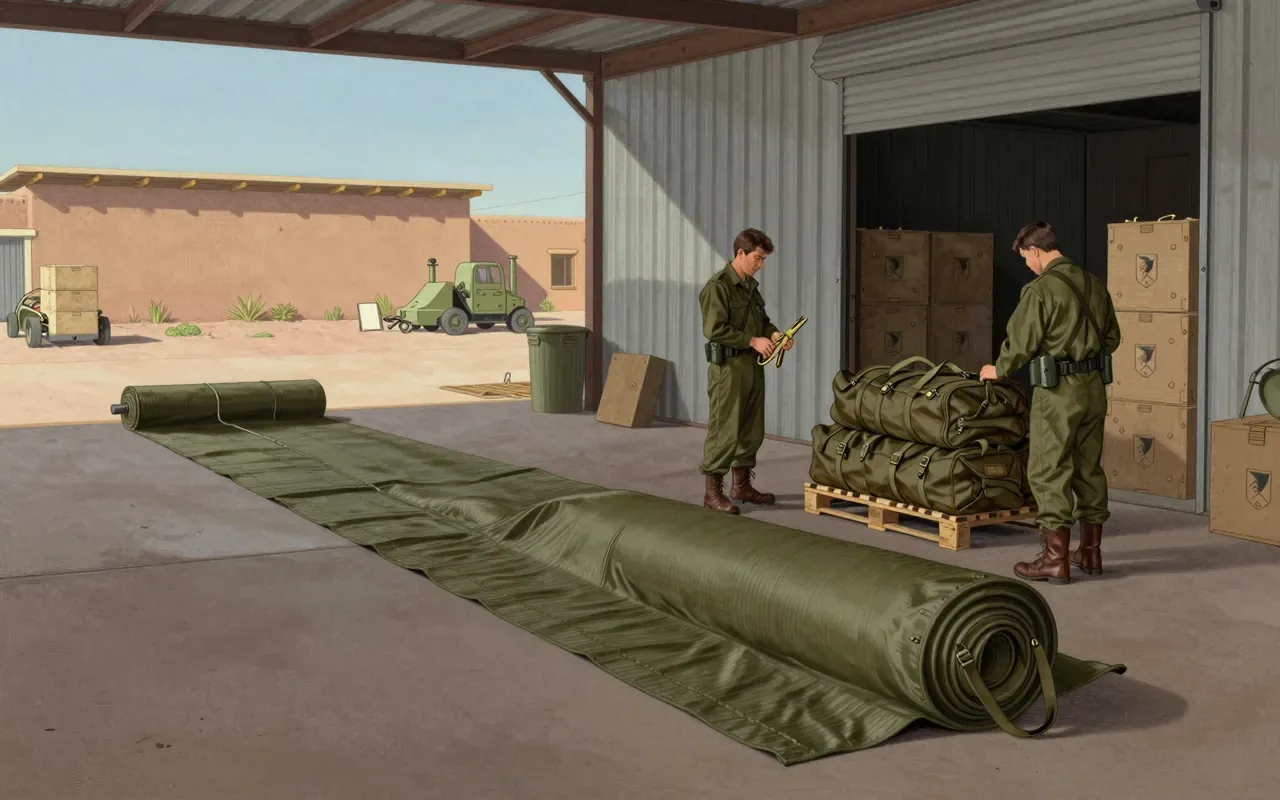
Ripstop doesn’t drape — it defends. And it does so with a grid you can feel but never ignore.
9:46

Chloé

Chloé didn’t make clothes first—it made a new kind of fashion company.
9:48

Corneliani

Corneliani is not Italian elegance—it is Italian engineering applied to the suit.
9:49

Burberry

A war coat that refused demobilisation—and made utility legible as authority.
9:50

Aquascutum

John Emary · 1851

Aquascutum was a London tailoring house founded in 1851 by John Emary. It patented waterproof wool in 1853 and supplied coats to British military officers from the Crimean War onward. Its garments supported suffragettes in 1900 and Edmund Hillary on Everest in 1953. It staged its first London Fashion Week runway in 2005. It entered bankruptcy administration in 2012 and again in 2020, following multiple ownership changes.
9:50

Calvin Klein

Calvin Klein

Calvin Klein is a fashion designer who founded his eponymous company in 1968 after apprenticeship and design work in New York City. His early success followed his first major New York Fashion Week showing, where he was hailed as the new Yves Saint Laurent and noted for clean lines. His 1974 tight-fitting signature jeans achieved $200,000 in first-week sales. He was born in the Bronx, New York City, to a Jewish family of immigrants from Galicia and Bukovina, Austria-Hungary.
9:51

Preppy

Preppy isn’t style — it’s a class passport stamped at boarding school.
9:51

Lanvin

Romance is not decoration — it is discipline, and Lanvin built it stitch by stitch.
9:53

Jersey

Jersey is a knit fabric, first made of wool and now also of cotton and synthetic fibres, used for T-shirts, underwear, dresses and sportswear.
9:54

Satin

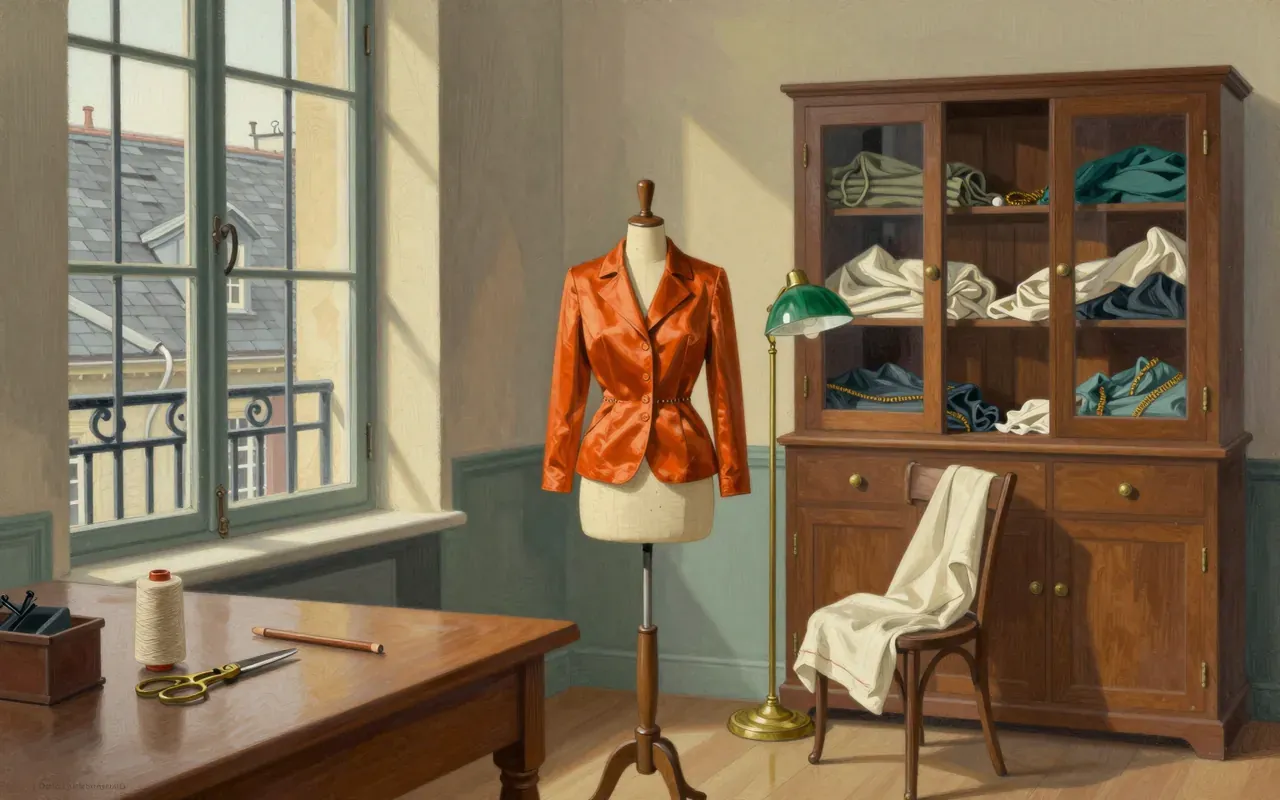
Satin trades durability for dazzle — and refuses to apologise.
9:54

Harris tweed

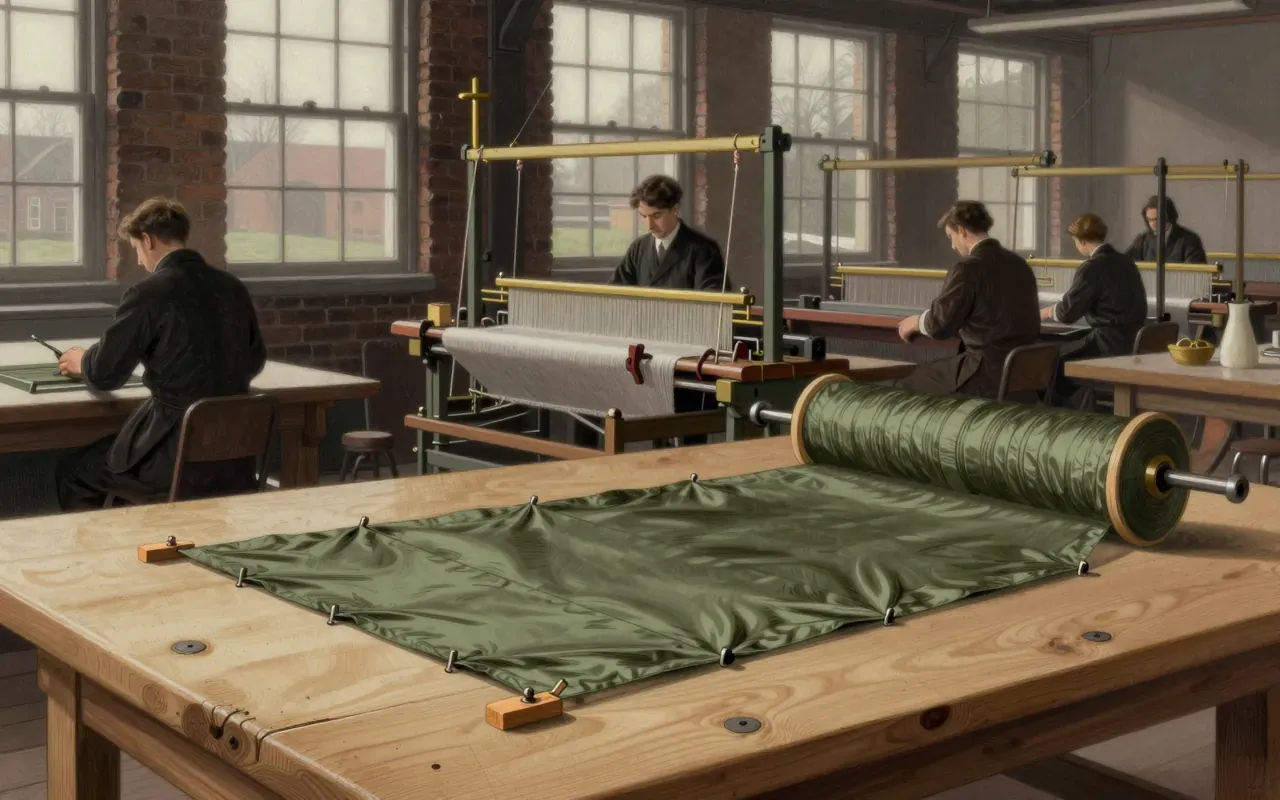
Harris tweed is law written in wool—not heritage, not craft, but statute enforced by weekly mill inspections and iron-on Orb Marks.
9:54

Hubert de Givenchy

Glamour was never about fabric. Givenchy proved it with cotton, geometry, and five Black American women.
9:56

Louis Vuitton

Louis Vuitton didn’t invent luggage—it killed the rounded top and made stacking non-negotiable.
9:56

Amiri

Amiri didn’t reinvent luxury—it rerouted its pipeline from Paris to LA and back again.
9:56

Cordura

DuPont's 1929 tyre-cord rayon, turned into the tough fabric of motorcycle trousers and military packs.
9:56

Serape

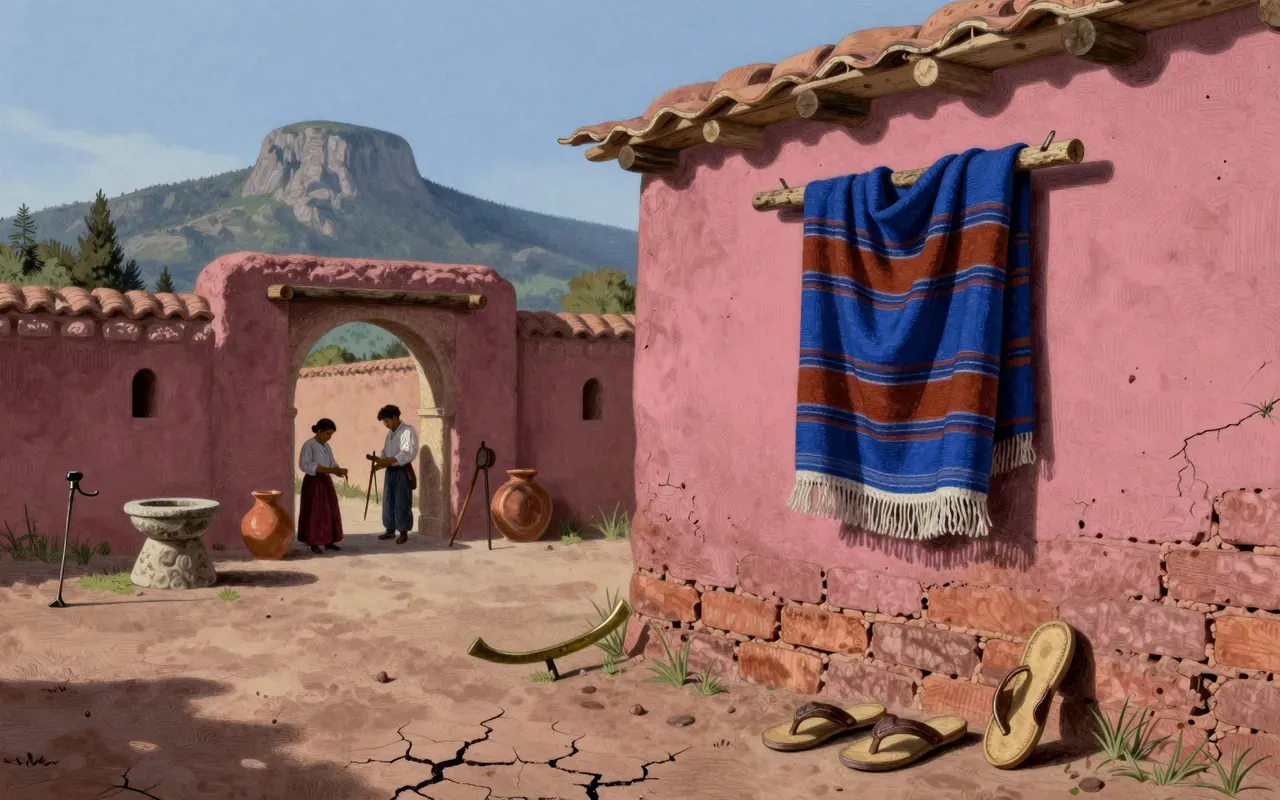
The serape is not folklore—it’s a contested textile archive written in wool, law, and colonial record.
9:56

Cartier Tank

Louis Cartier · 1917

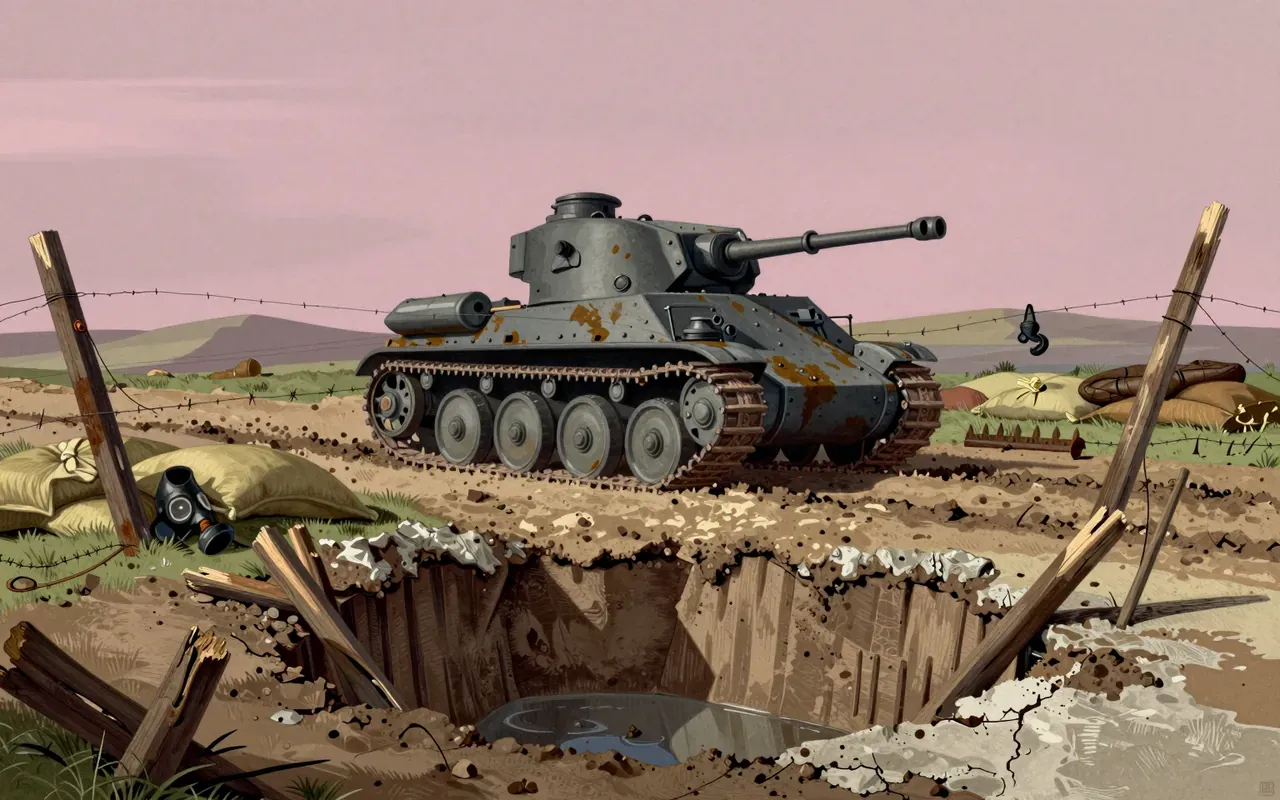
The Cartier Tank is a line of watches made by Cartier. It was created by Louis Cartier in 1917, and inspired by the new Renault tanks which Cartier saw in use on the Western Front. The prototype watch was presented by Cartier to General John J. Pershing of the American Expeditionary Force. The Tank was introduced in 1918, and entered full production in 1919, when six pieces were built. Its lines and proportions are similar to those of tanks used on First World War battlefields. Its strap is integrated into vertical sidebars called brancards. The defining features of a Tank watch include its bold Roman numeral dial with a chemin de fer chapter ring, sword-shaped blued steel hands, and a sapphire cabochon-surmounted crown.

9:58

Athleisure

Athleisure is not relaxation—it’s rearmament for daily life in technical fabric.
9:58

Corduroy

Corduroy isn’t soft — it’s engineered resistance disguised as warmth.
9:58

Moncler

Moncler didn’t invent the down jacket—it weaponised it for altitude, then outsourced its meaning to Milanese teenagers.
9:59

Spandex

Spandex gives clothes their grip—but kills their afterlife.
10:00

Thawb

A formal robe built for heat, hierarchy and holiness—not comfort, change or universality.
10:00

Chanel 2.55

Coco Chanel

The Chanel 2.55 is a functional object turned cultural cipher — its innovations real, its symbolism rooted, its legacy inflated.