Leather jacket
A leather jacket protects the body—but never the ideology worn beneath it.




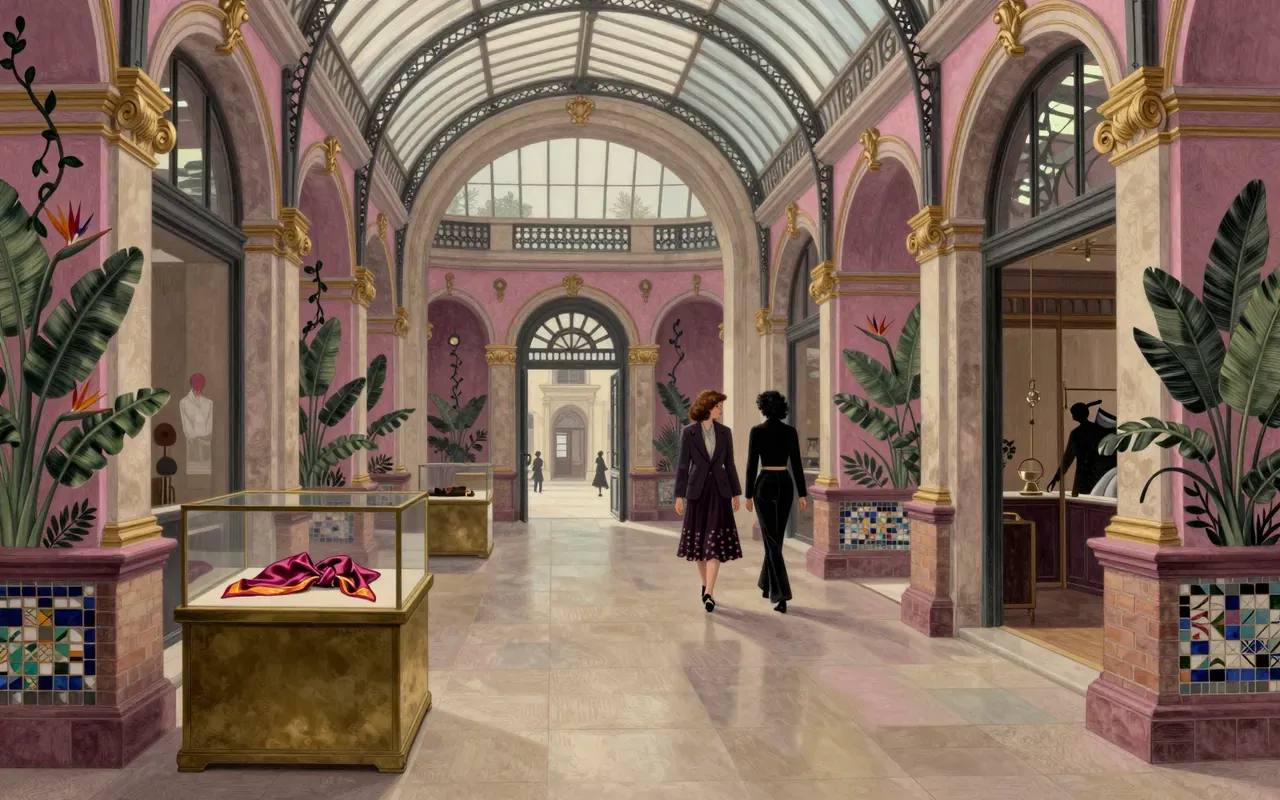
Kenzō Takada’s Kenzō label began in 1970 as a resource-constrained experiment in Paris—using flea-market space, Saint Pierre market fabrics, and Rousseau-inspired interiors. It re-energised ready-to-wear with colour and volume, launching the 'Big Look' in 1973–74. Its methods were specific, local, and materially grounded—not symbolic or national. It reached New York and Tokyo by 1971, but never claimed to represent Japan. Its legacy is procedural: how to build influence without infrastructure.


Armani’s work established a new syntax for elegance: one based on removal, not addition. It reached executives, actors, and diplomats—not youth movements or subcultures. It displaced the stiff formality of Savile Row and the flamboyance of Italian couture alike. It did not invent minimalism—but it proved minimalism could sell, scale, and signify.
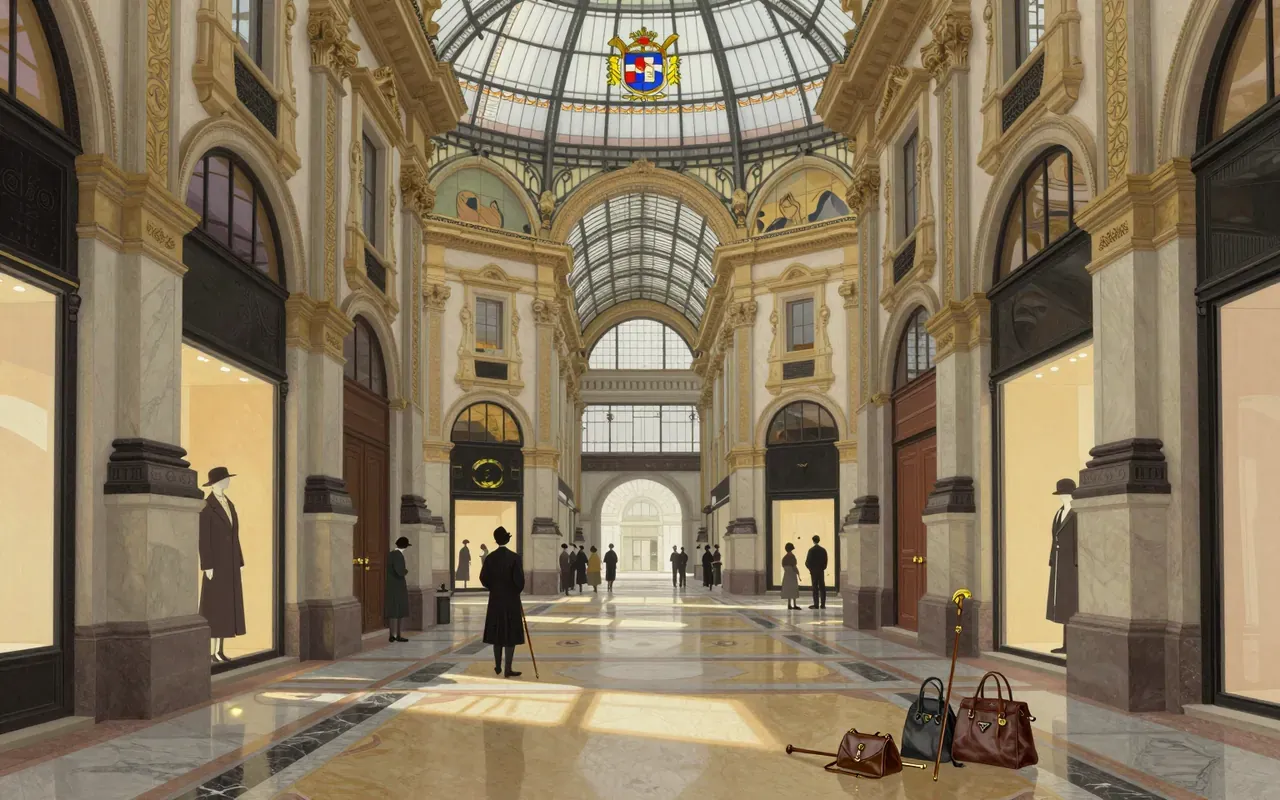
Prada (1913) is the founding moment of a luxury institution built on imported English goods, patriarchal control, and architectural prestige—not design innovation.




New Balance is a footwear company whose origin lies in biomechanical correction—not sport. Its founding premise was specific, functional, and local. Its later expansion into performance and lifestyle markets introduced contradictions it failed to reconcile—most visibly in its 2012 toning-shoe settlement. It matters now because it shows how medical authority gets repackaged as consumer identity—and how easily that packaging outlives its justification.



Supreme is a retail system disguised as a clothing brand. Its power lies in timing, placement, and repetition—not fabric innovation or silhouette evolution. It answers to skate culture’s immediacy, not fashion’s longevity. It belongs in wardrobes that speak in slogans, not stories.














Dr. Martens is a functional footwear innovation repurposed as cultural symbol — its origins in rehabilitation and post-war scarcity are routinely overwritten by its later adoption elsewhere.










Gucci began as a Florentine leather shop in 1921, shaped by embargo, war and equestrian utility—not aspiration or artistry.


Raf Simons is a Belgian menswear label launched in 1995 by a furniture-trained designer who rejected runway conventions, used video and street casting, fused divergent youth cultures into coherent silhouettes, and paused the label in 2000 after Confusion—before shifting focus from subcultural code to pure form.
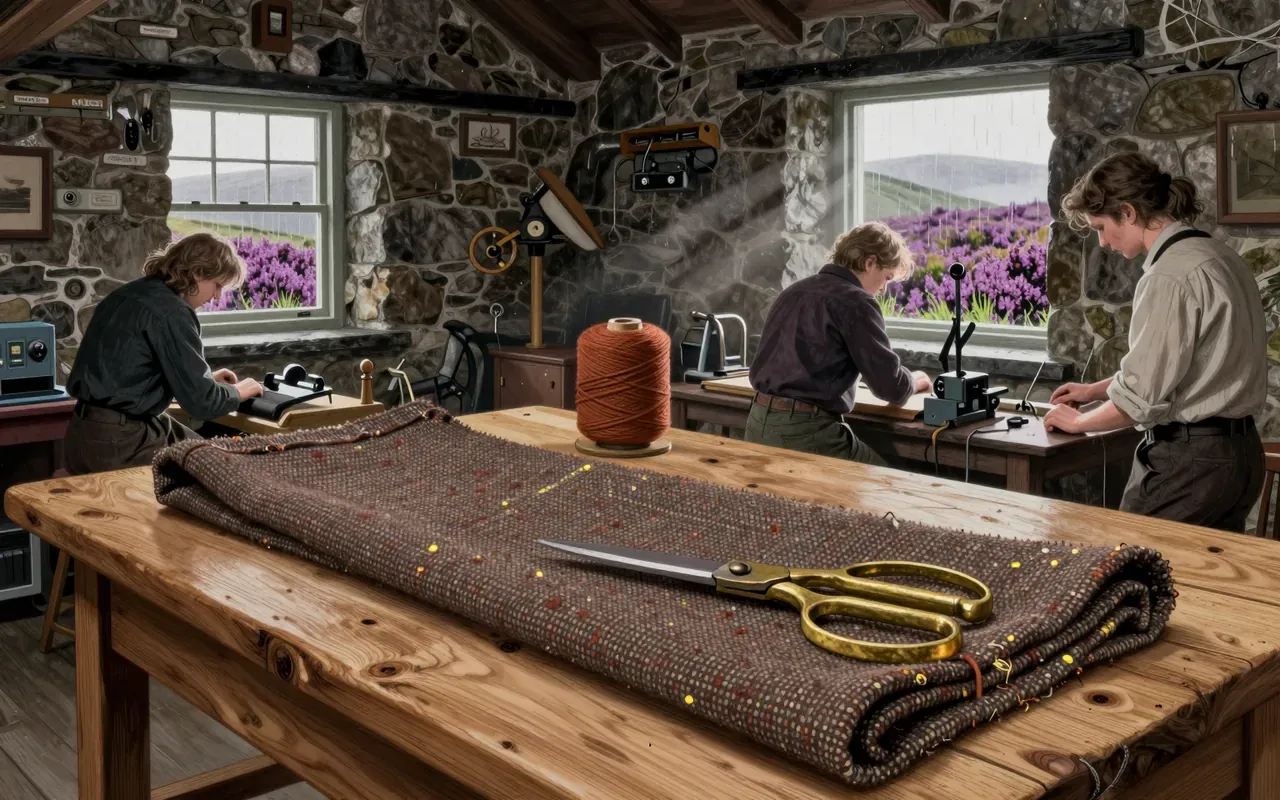


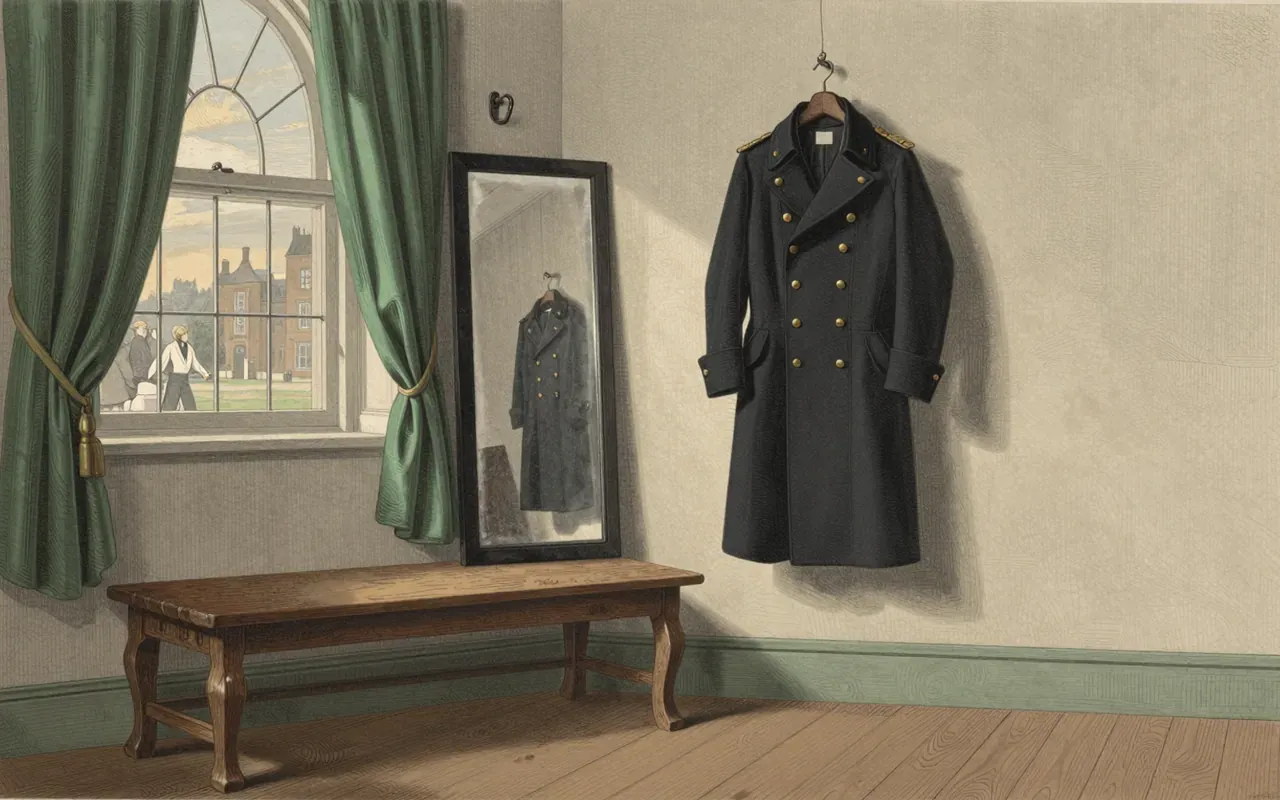


Mulberry Group was founded in 1971 by Roger Saul and his mother Joan as a British leather goods company. It built its reputation on functional poacher bags—the binocular and dispatch bags—rooted in rural utility rather than urban display. Production began in Somerset in 1973 and remains anchored there for core designer leather goods, while men’s bags and small leather goods are made in Turkey and China respectively. An apprenticeship programme launched in 2006 trains local youths for Somerset factory roles, with job offers extended to graduates. Mulberry’s strength lies in its material honesty and regional continuity; its compromise is the fragmentation of its making across geographies and standards.





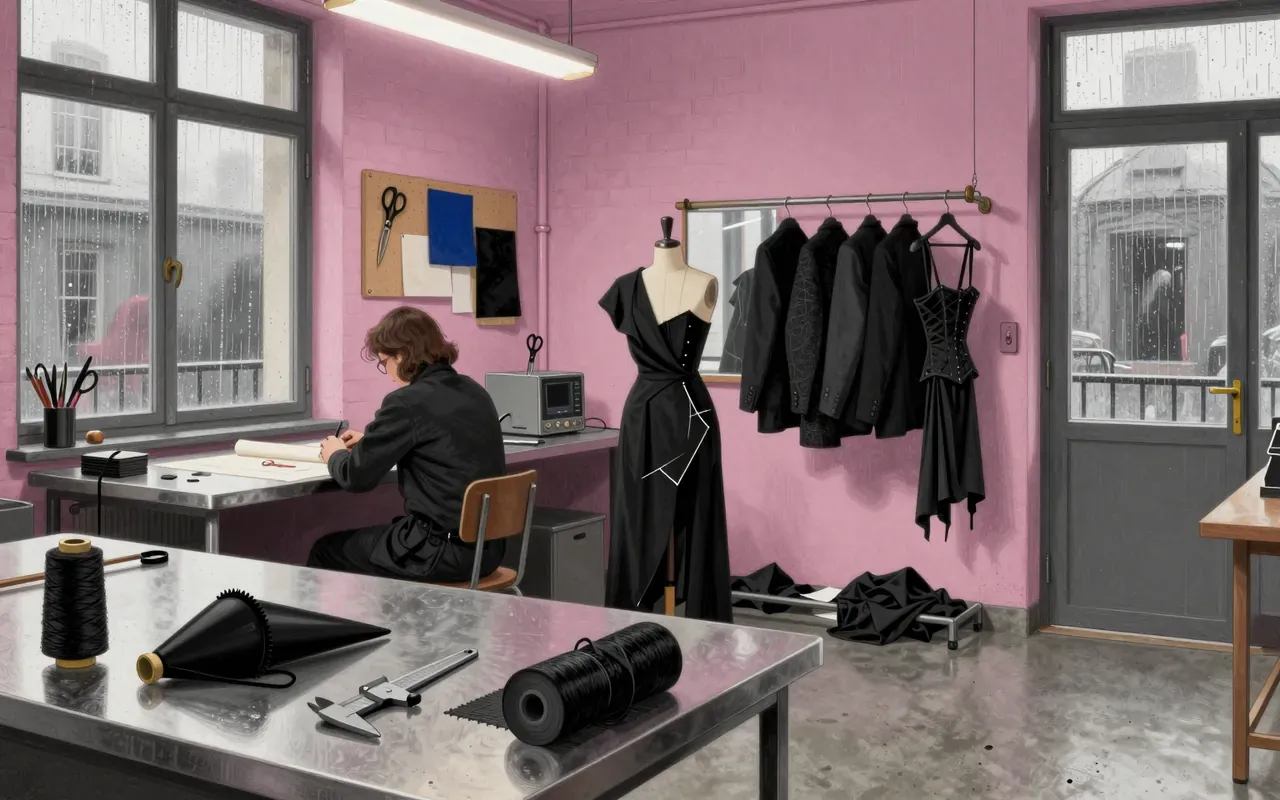
Jean Paul Gaultier is a French fashion designer who launched his first individual collection in 1976. His work uses unconventional motifs—corsets, marinières, tin cans—and materials like plastic rubbish bags. He relaunched the marinière for men in 1983, introduced men’s kilts in 1984, debuted the cone bra in 1984, and launched the 'granny grey' hair trend via his 2011 autumn/winter show. He cast older men, fat women, and tattooed models, and played with gender roles. His influence lies in material specificity and casting choices—not in founding movements or naming ideologies.

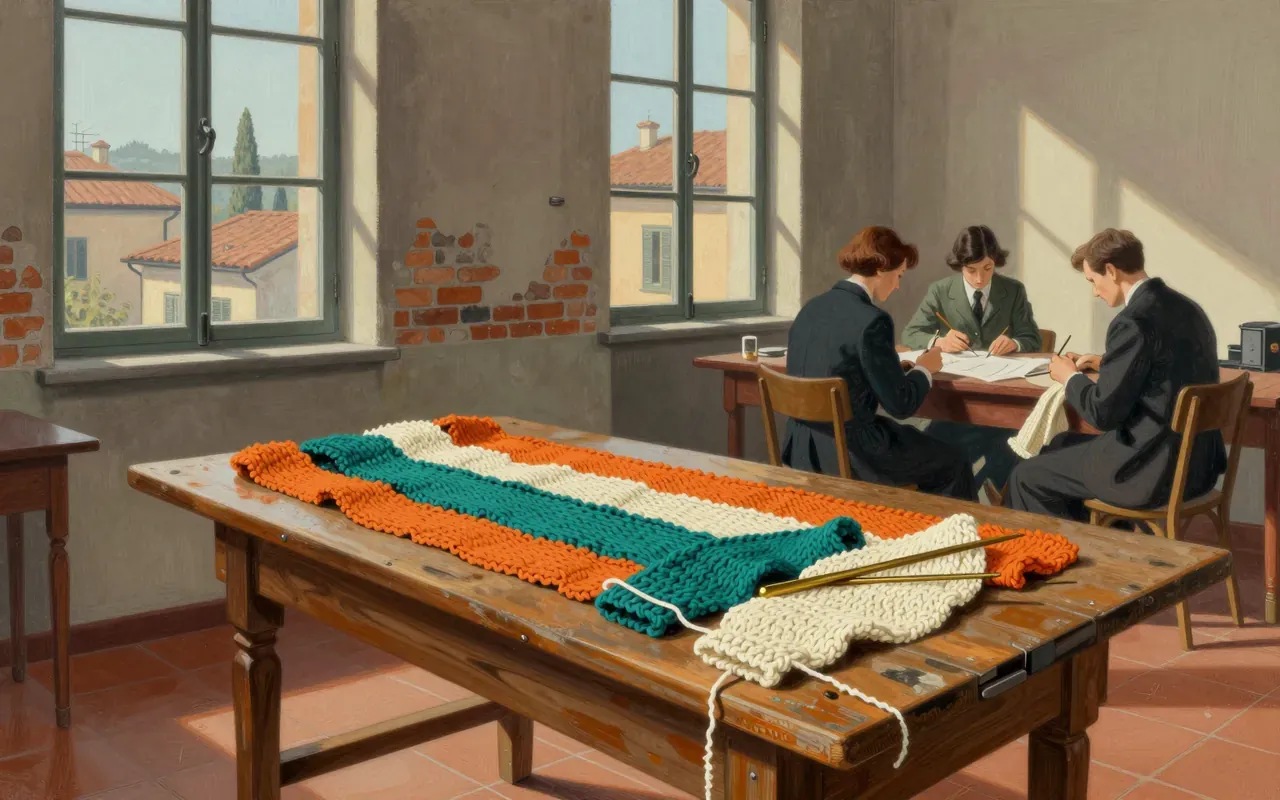










Tsumori Chisato is a ready-to-wear fashion house defined by hand-painted print as primary structure, launched in 1990 after formative work in Issey Miyake’s sports line, relocated to Paris in 2003 with menswear introduced concurrently, and sustained by a transnational dialogue between Tokyo-rooted references and Paris presentation.