Saved
Longest first

All briefs

372 briefs · 3501 min · 193–288 on page 3 of 4
9:20

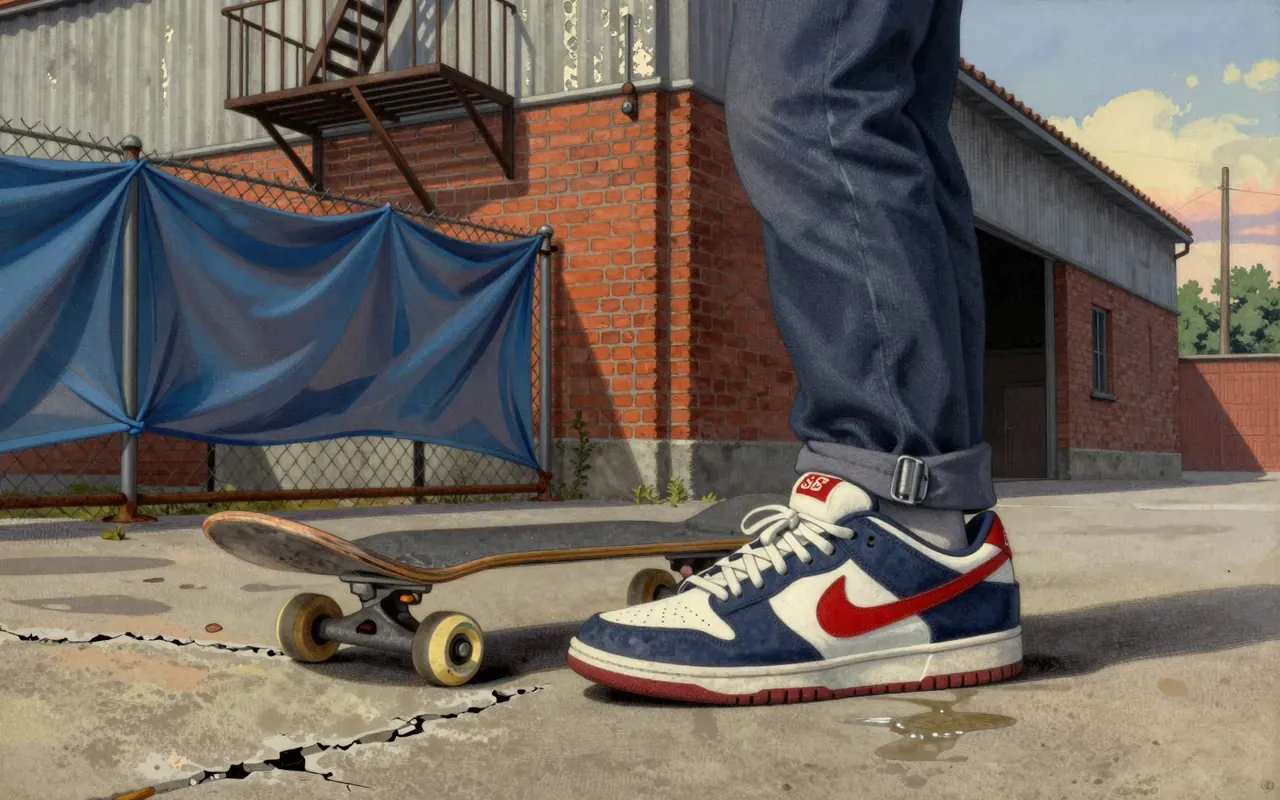
Nike Dunk

A basketball shoe that won a second life by wearing university colours like uniforms—and treating skaters like athletes.

9:20

Tsumori Chisato

Tsumori Chisato

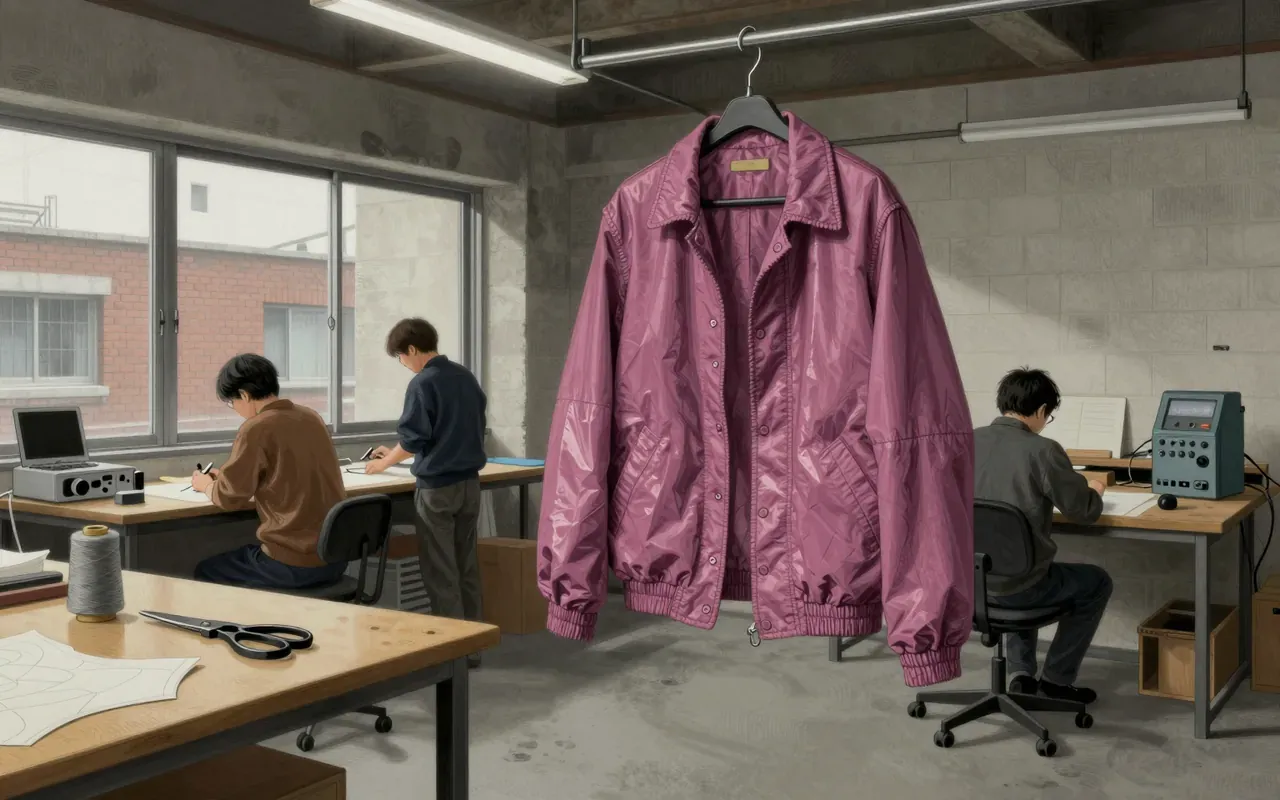
Tsumori Chisato is a ready-to-wear fashion house defined by hand-painted print as primary structure, launched in 1990 after formative work in Issey Miyake’s sports line, relocated to Paris in 2003 with menswear introduced concurrently, and sustained by a transnational dialogue between Tokyo-rooted references and Paris presentation.

9:20

Junya Watanabe

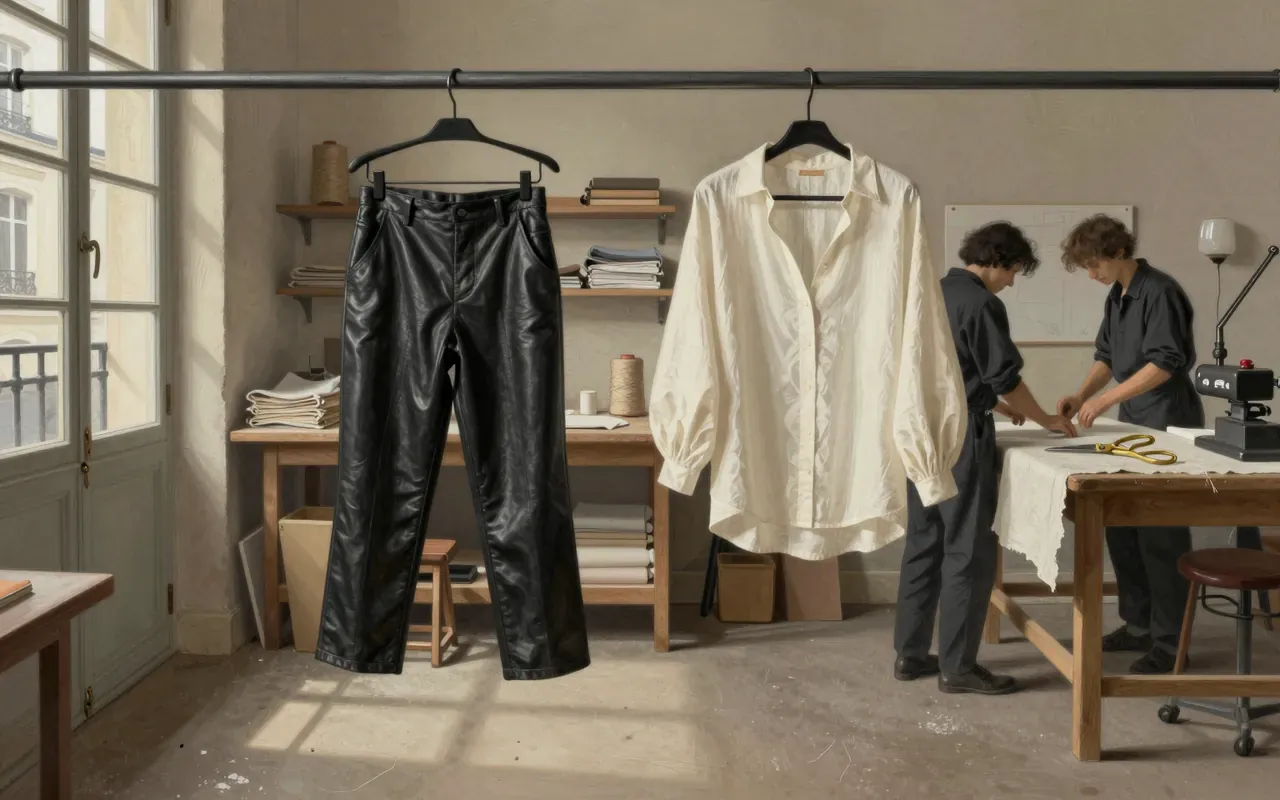
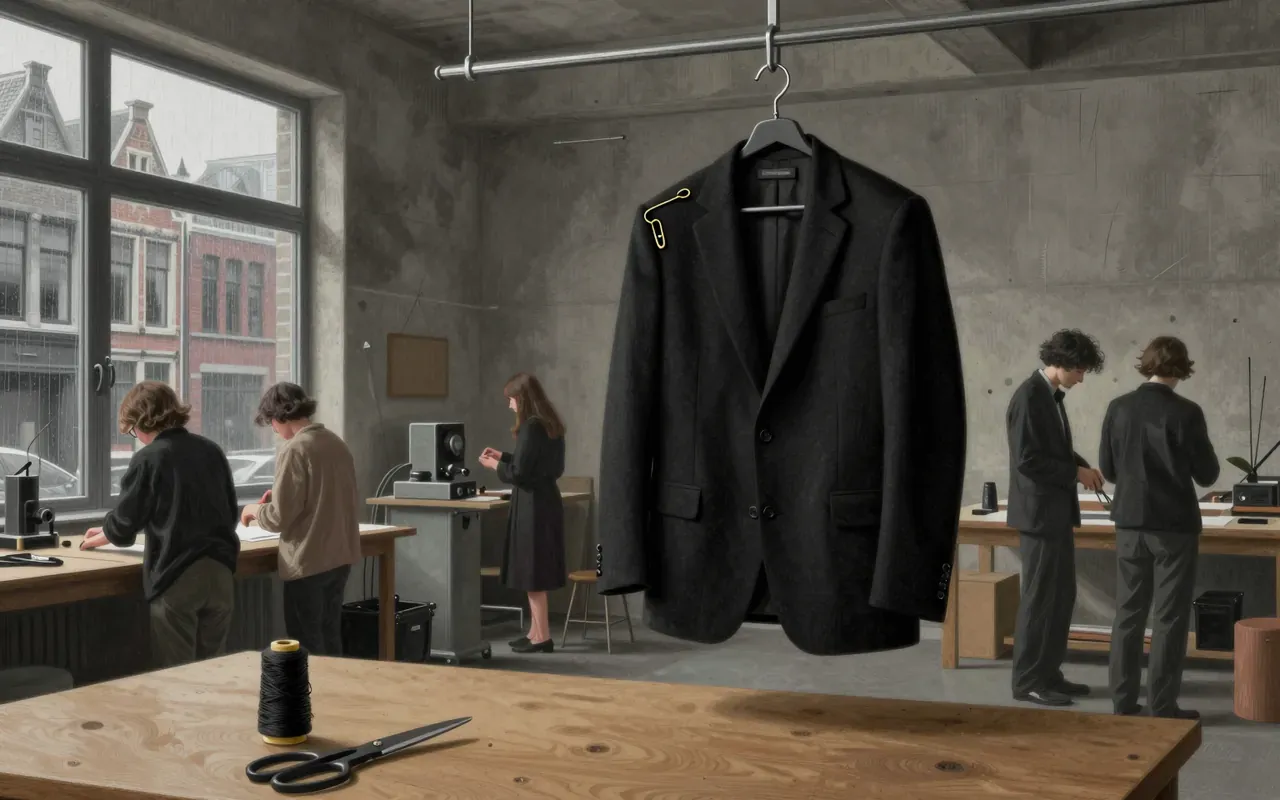
Monozukuri is not philosophy — it’s seam allowance, stitch placement, and the deliberate weight of cotton against synthetics.
9:19

Goyard

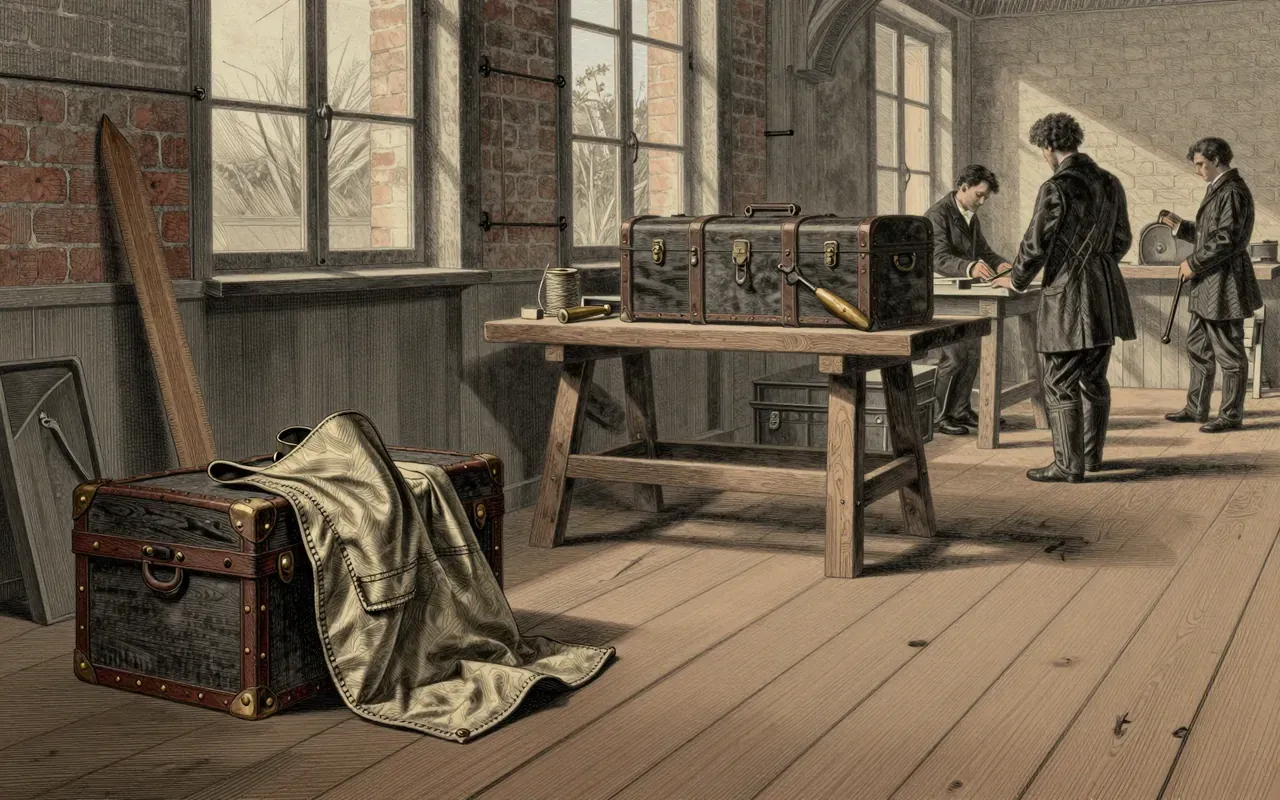
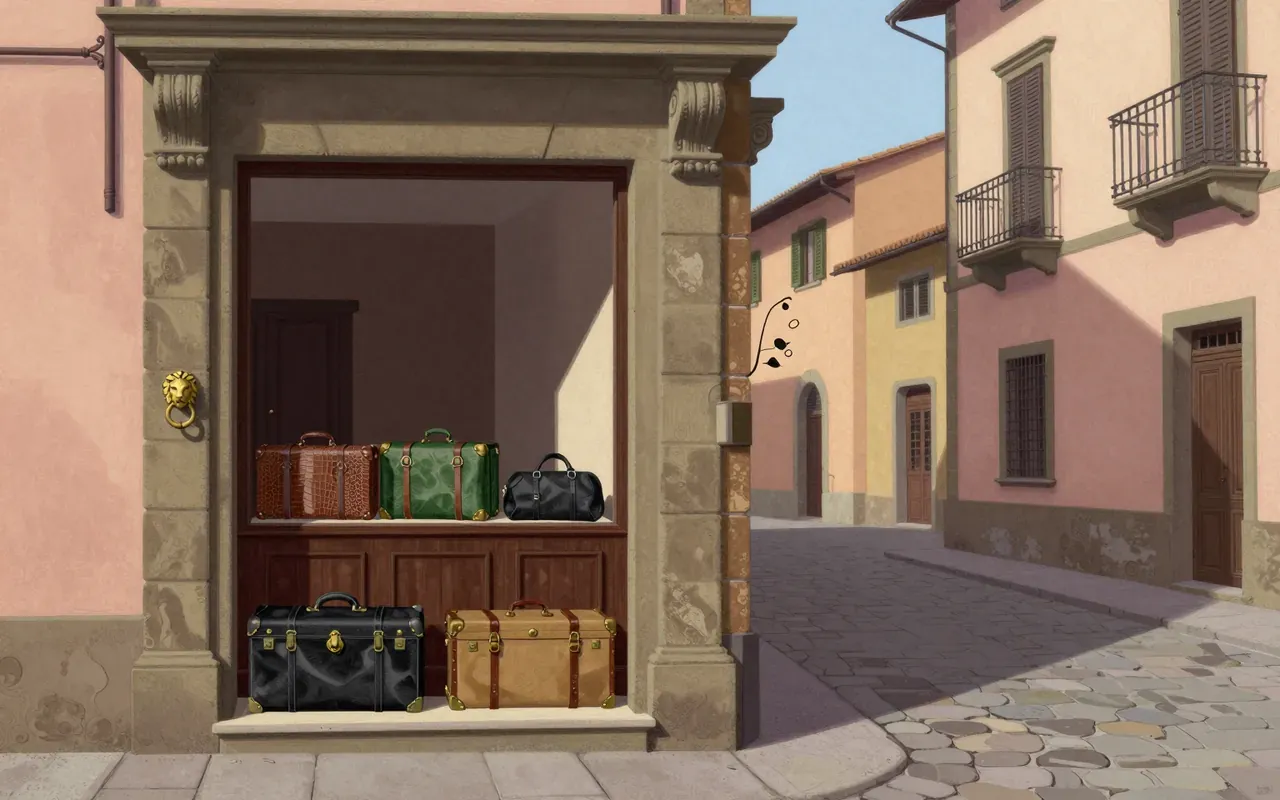
A Paris trunk maker since 1853, and the house that made its own canvas, Goyardine, its signature.
9:19

Isabel Marant

Marant doesn’t sell outfits. It sells infrastructure for a body that moves between moods, not moments.
9:18

Ivy League (clothes)

Ivy League clothing was not rebellion—it was recalibration: sportswear stripped of sport, tailoring stripped of tension, class stripped of ceremony.
9:18

John Galliano

Galliano’s work is inseparable from his conduct — and neither can be curated away.
9:18

Onitsuka Tiger

A 2002 reissue pretending to be a 1966 shoe—yet its real authority comes from what it leaves out.
9:17

Dazed

Dazed is not a magazine—it’s a publishing posture: student-made, colour-switched, club-promoted, and never sold off.
9:17

Puma Suede

The first luxury-material sneaker wasn’t aspirational—it was tactical.
9:17

Turnbull & Asser

A collar and a cuff — not a brand, not a suit, but two fixed points of British menswear discipline.
9:16

Fashion blog

Fashion blogs didn’t just report on trends—they rewired who gets to set them.
9:16

Missoni

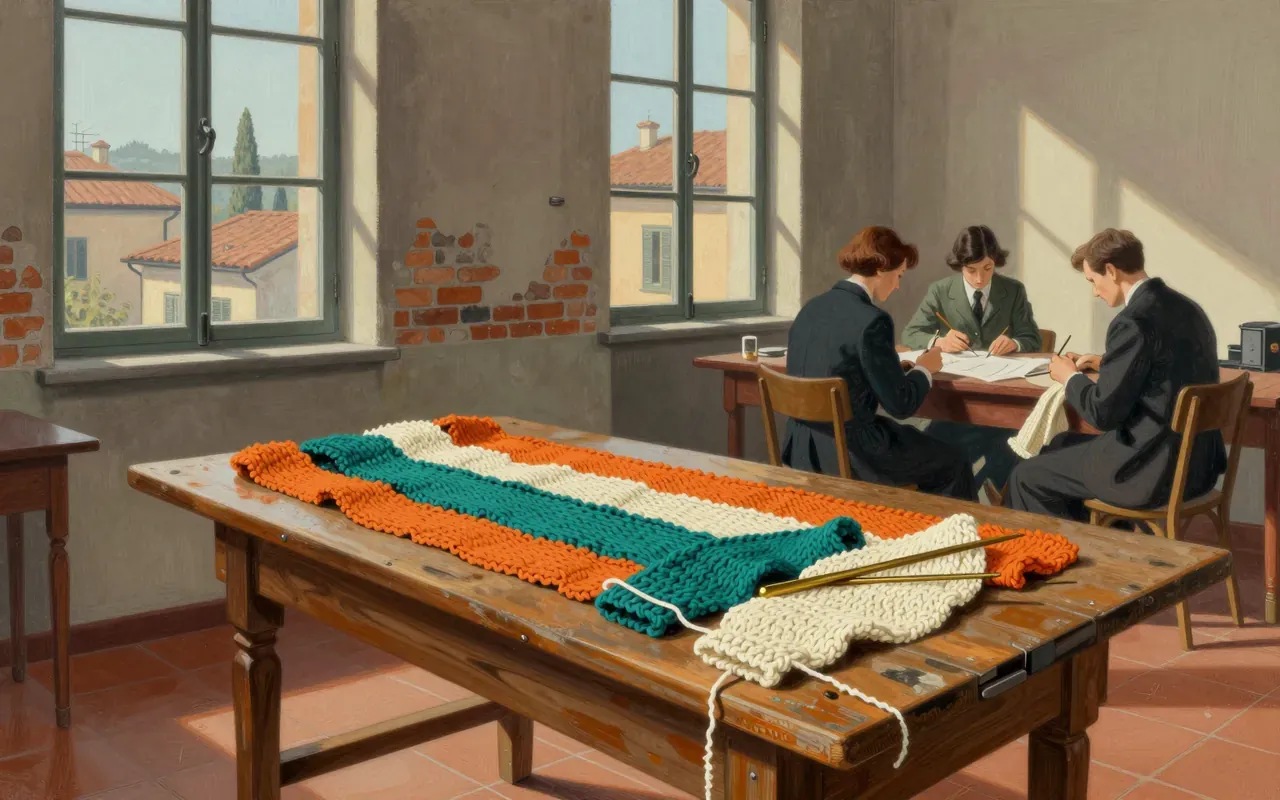
Missoni didn’t make sweaters—it weaponised knit structure.
9:16

Zegna

Zegna didn’t make suits — it built wool-based operating systems for the human frame.
9:16

Sari

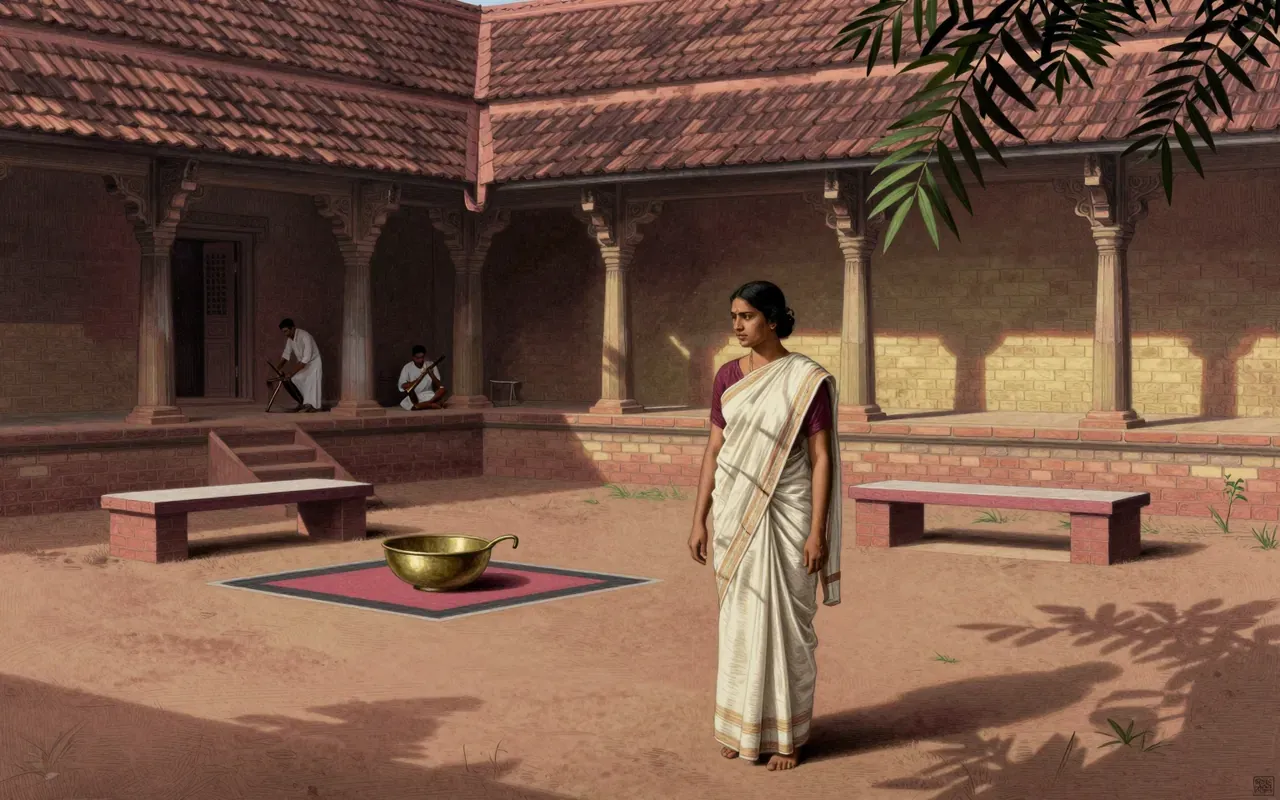
The sari isn’t tradition—it’s deep-time infrastructure for the body.
9:15

Sportswear

Sportswear is a style of dress rooted in athletic clothing, built on relaxed, practical separates, and an American fashion tradition that grew into a global genre.
9:15

Jean Paul Gaultier

Jean Paul Gaultier

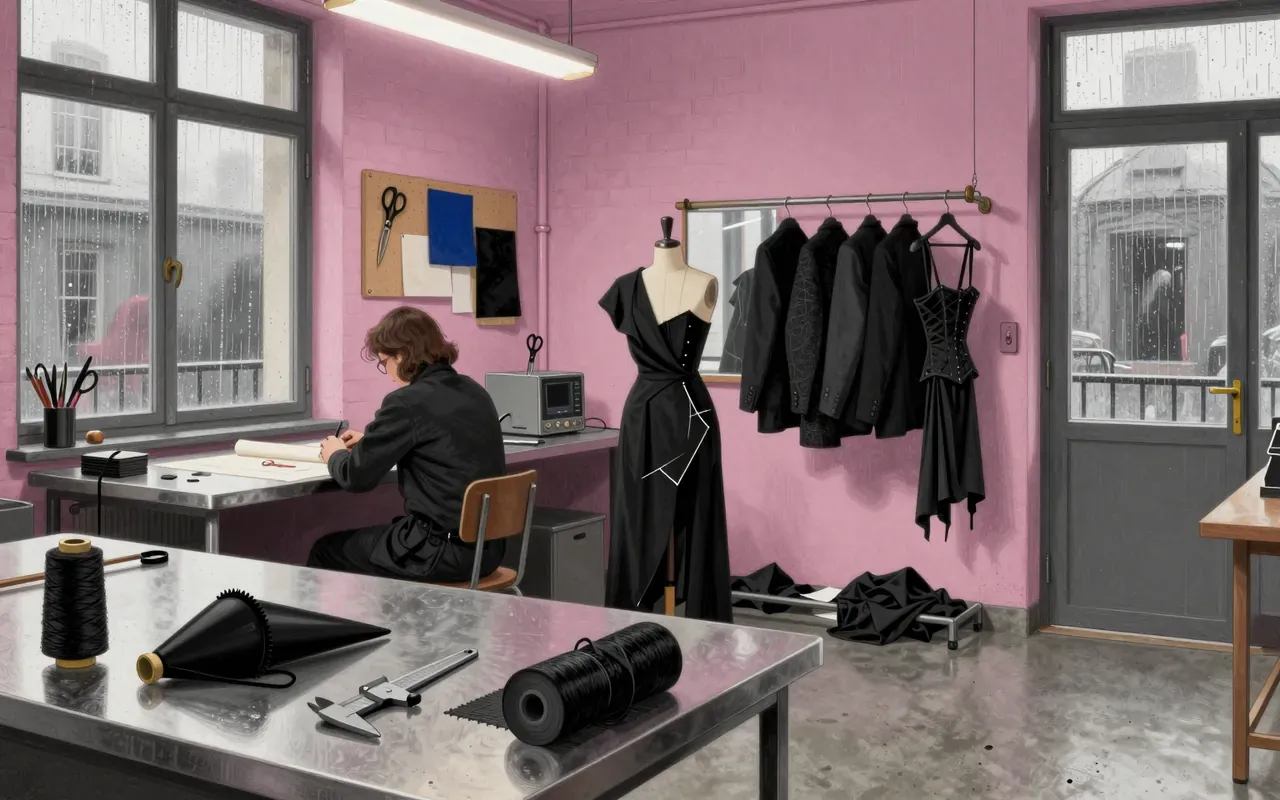
Jean Paul Gaultier is a French fashion designer who launched his first individual collection in 1976. His work uses unconventional motifs—corsets, marinières, tin cans—and materials like plastic rubbish bags. He relaunched the marinière for men in 1983, introduced men’s kilts in 1984, debuted the cone bra in 1984, and launched the 'granny grey' hair trend via his 2011 autumn/winter show. He cast older men, fat women, and tattooed models, and played with gender roles. His influence lies in material specificity and casting choices—not in founding movements or naming ideologies.

9:13

Nautica

Nautica didn’t sell the sea—it sold the idea of the sea as a clean, calm, controllable aesthetic.
9:12

Mulberry Group

Roger Saul · 1971

Mulberry Group was founded in 1971 by Roger Saul and his mother Joan as a British leather goods company. It built its reputation on functional poacher bags—the binocular and dispatch bags—rooted in rural utility rather than urban display. Production began in Somerset in 1973 and remains anchored there for core designer leather goods, while men’s bags and small leather goods are made in Turkey and China respectively. An apprenticeship programme launched in 2006 trains local youths for Somerset factory roles, with job offers extended to graduates. Mulberry’s strength lies in its material honesty and regional continuity; its compromise is the fragmentation of its making across geographies and standards.
9:12

Noah (brand)

Noah stitches Long Island breezes, New Wave static, and Thursday-morning discipline into menswear — no nostalgia, no excuses.
9:11

Gieves & Hawkes

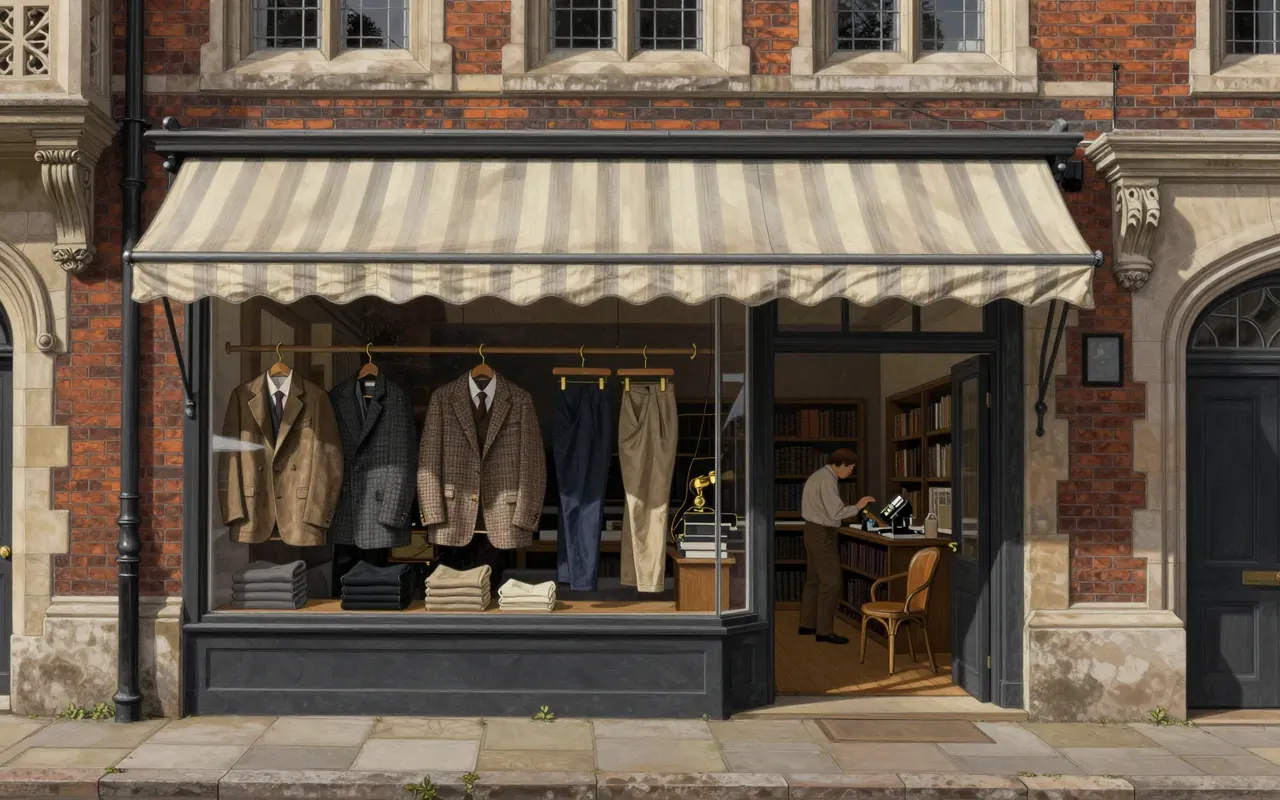
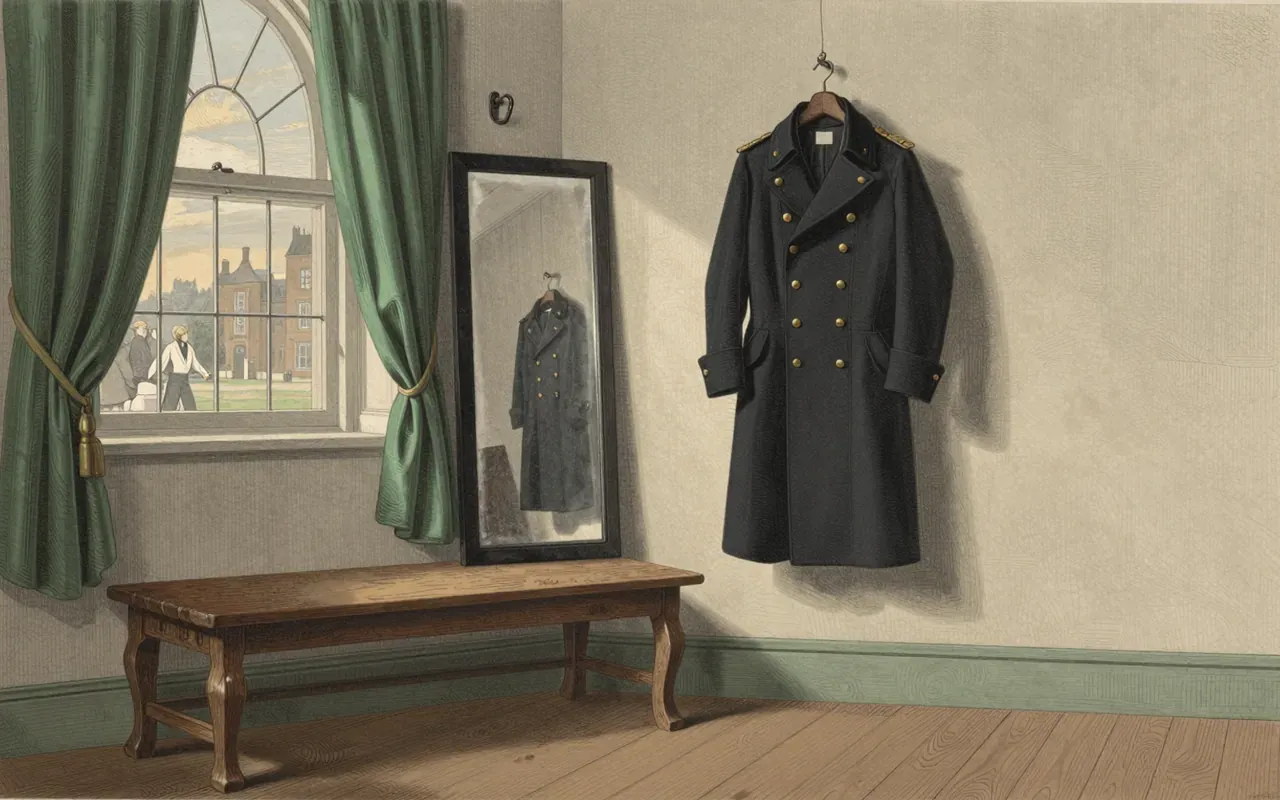
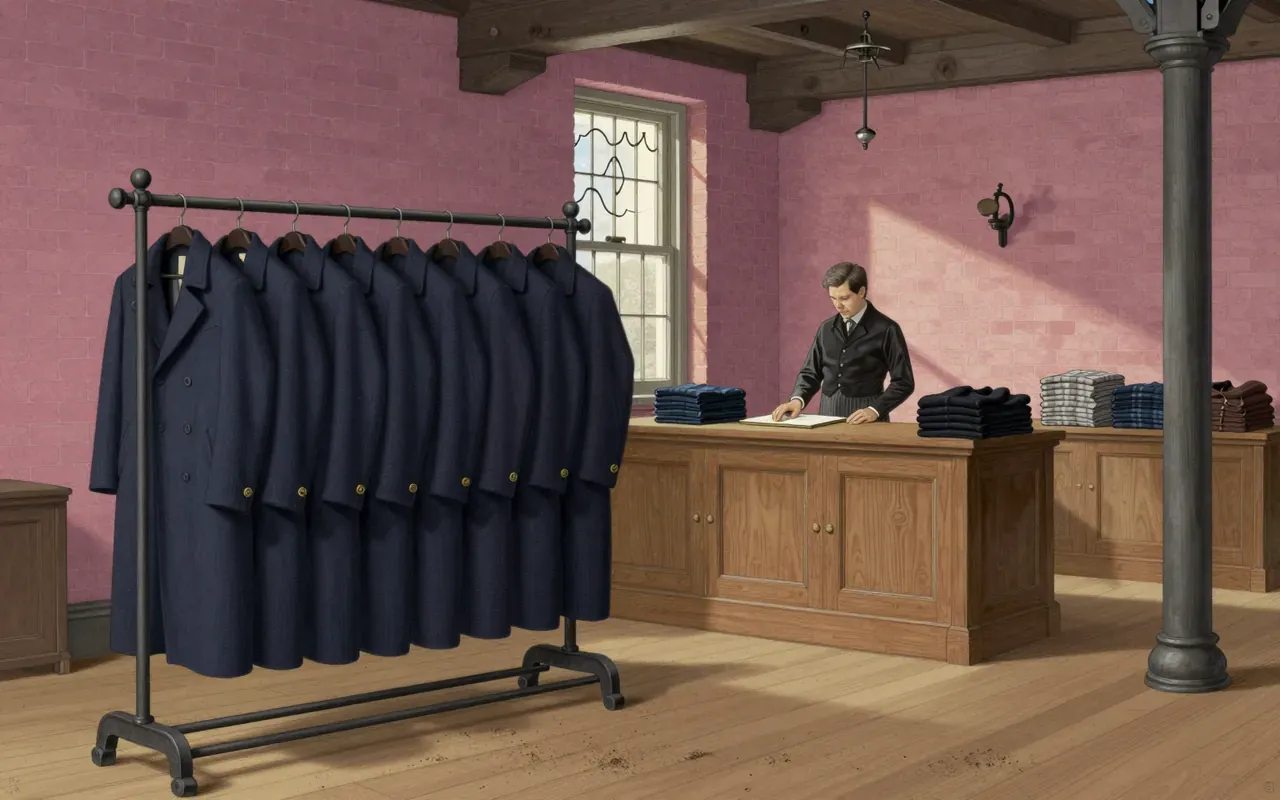
Savile Row’s oldest uniform-maker doesn’t sell style—it sells sanctioned authority.
9:11

Garter

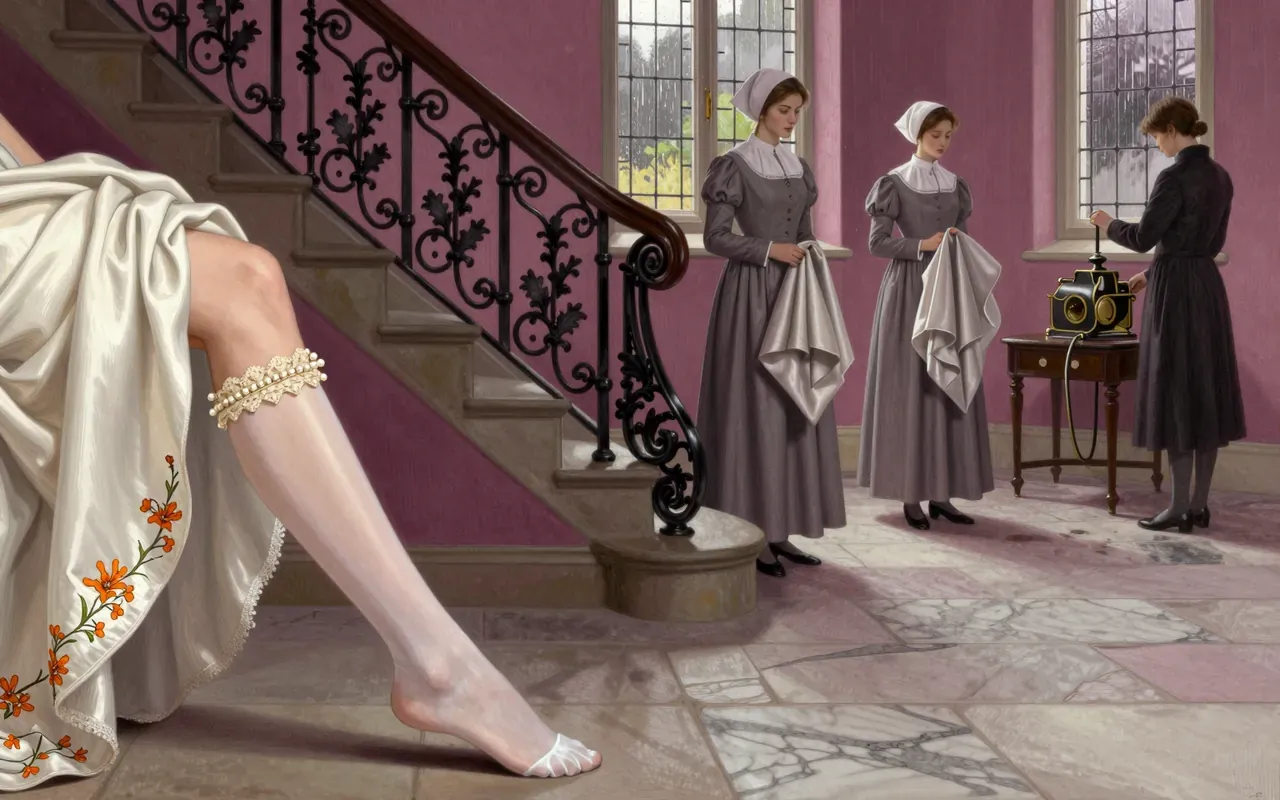
A functional strap became a wedding prop, a male fashion staple, and a Shakespearean punchline—without ever changing shape.
9:10

Donegal tweed

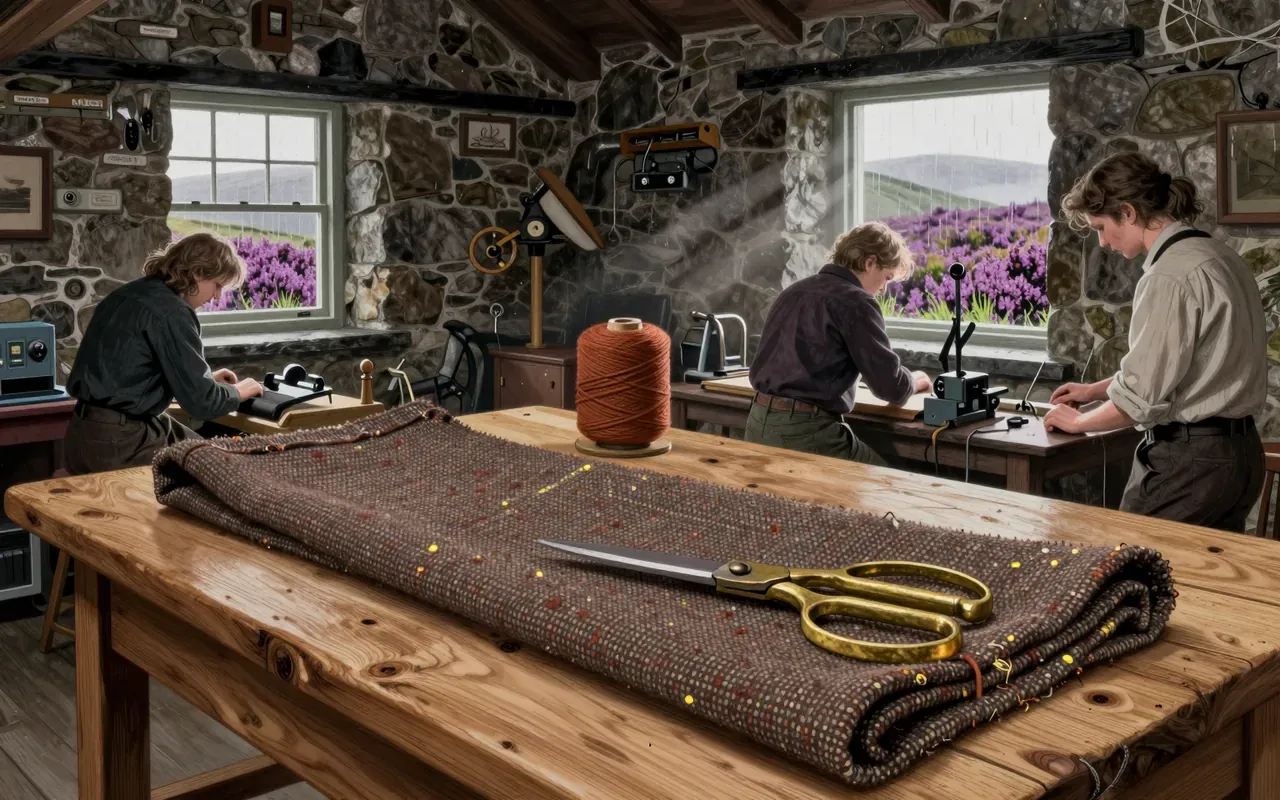
Donegal tweed is not Irish wool — it’s a label borrowed from a place, then detached from it.
9:10

Kimono

The kimono isn’t timeless—it’s a bureaucratic consolidation of borrowed cloth.
9:10

Fedora

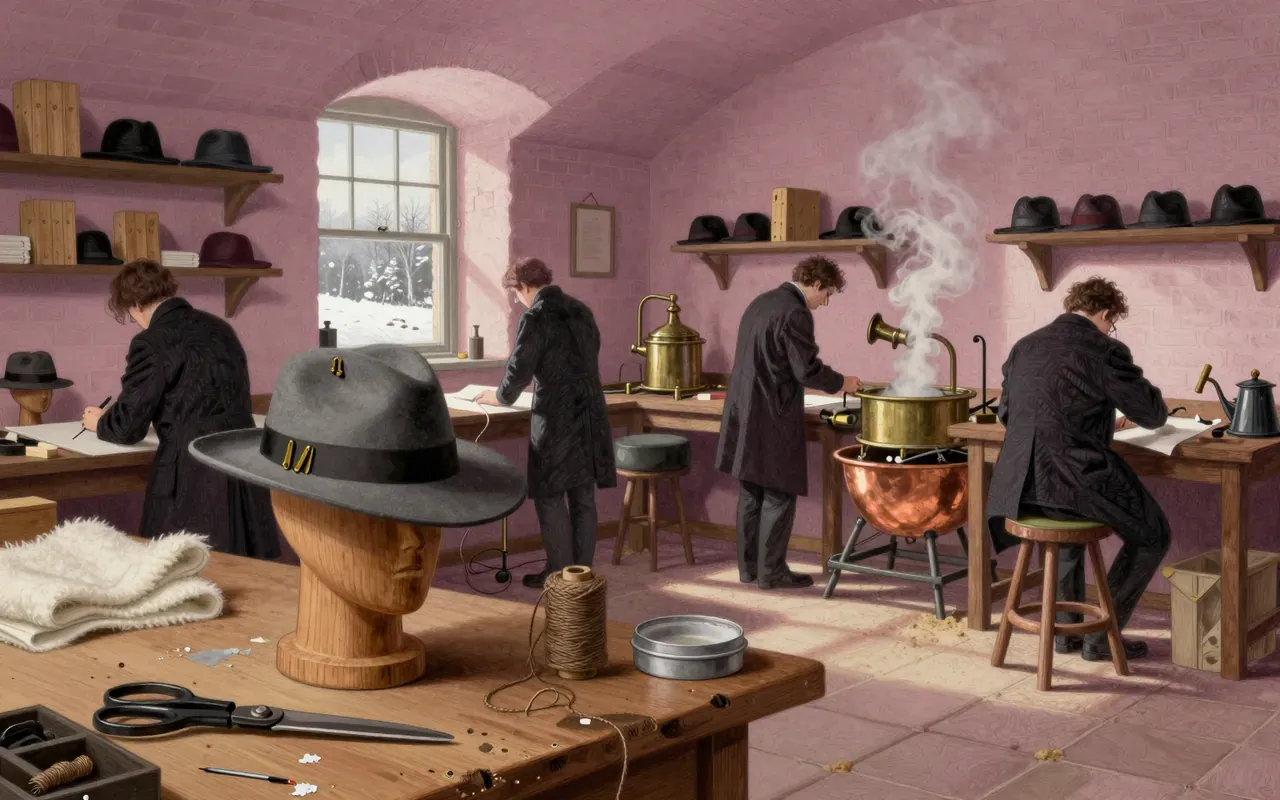
A hat named after a woman’s role in a French play—and then made to forget her.
9:08

Antwerp Six

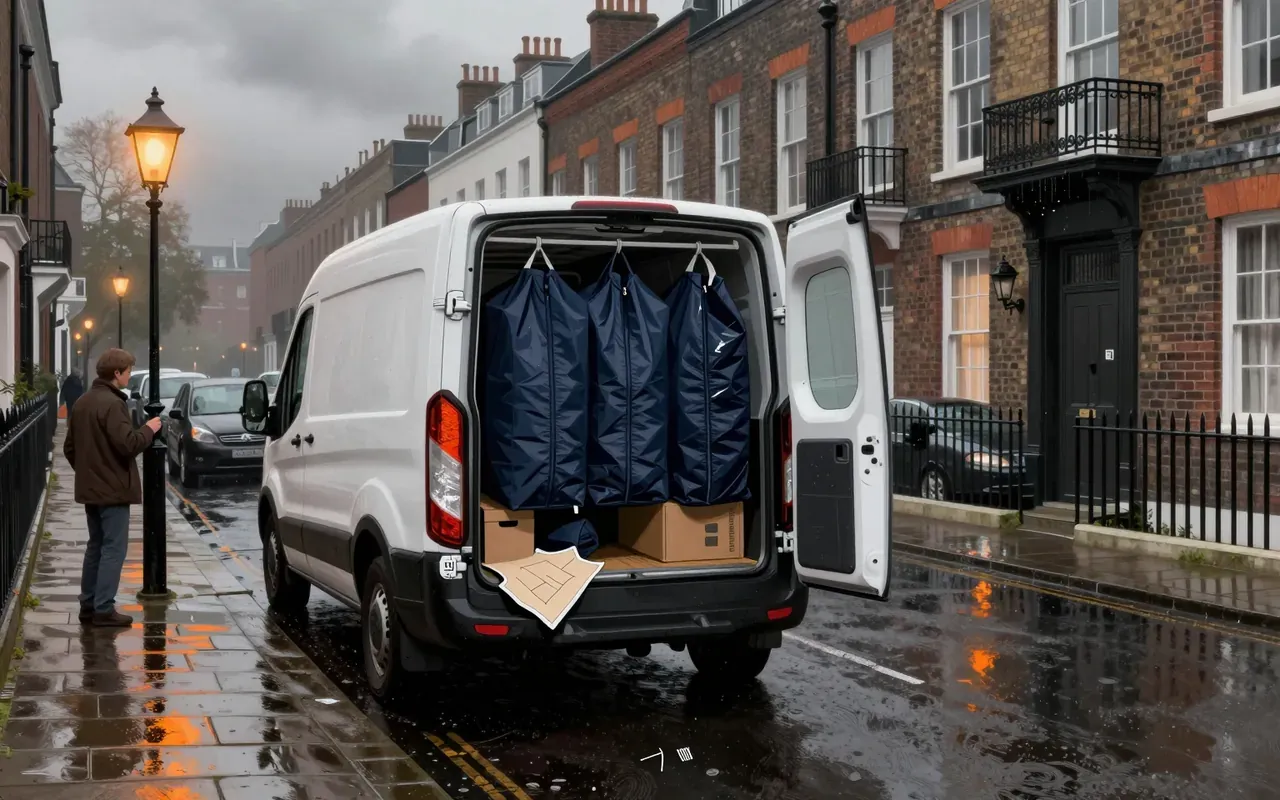
They were never a movement—just six designers, one van, and a press corps that couldn’t say their names.
9:08

Raf Simons

Raf Simons

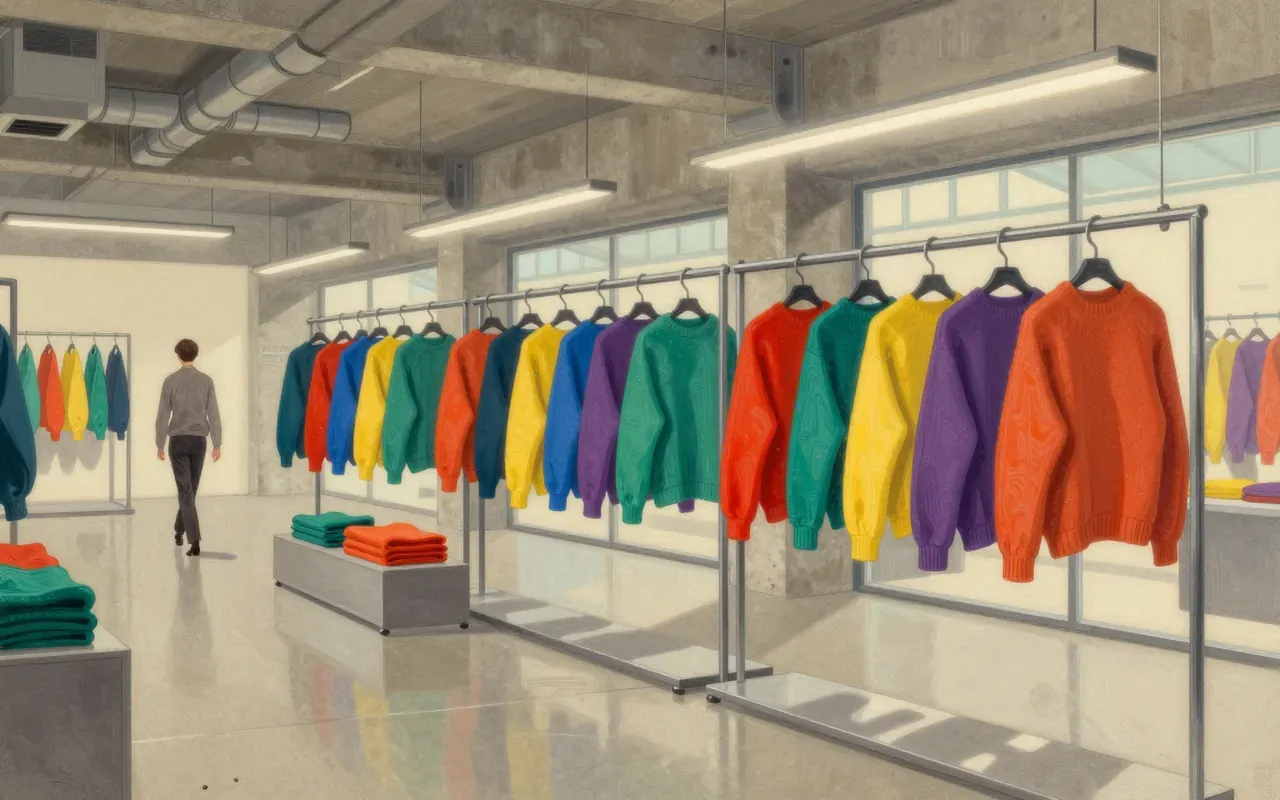
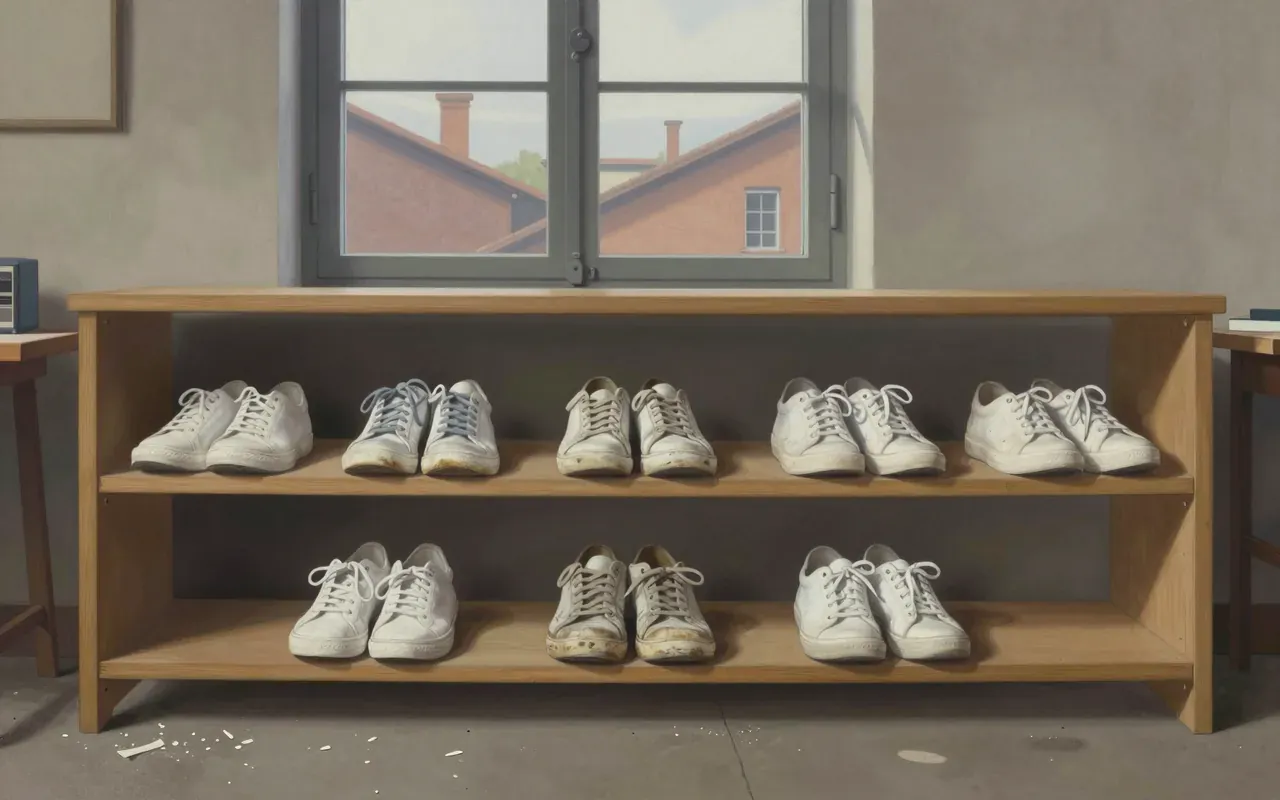
Raf Simons is a Belgian menswear label launched in 1995 by a furniture-trained designer who rejected runway conventions, used video and street casting, fused divergent youth cultures into coherent silhouettes, and paused the label in 2000 after Confusion—before shifting focus from subcultural code to pure form.
9:07

Bra

The bra didn’t liberate women—it outsourced control from whalebone to wire, and from corsetieres to corporations.
9:07

Gucci

Guccio Gucci · 1921

Gucci began as a Florentine leather shop in 1921, shaped by embargo, war and equestrian utility—not aspiration or artistry.
9:06

Evisu

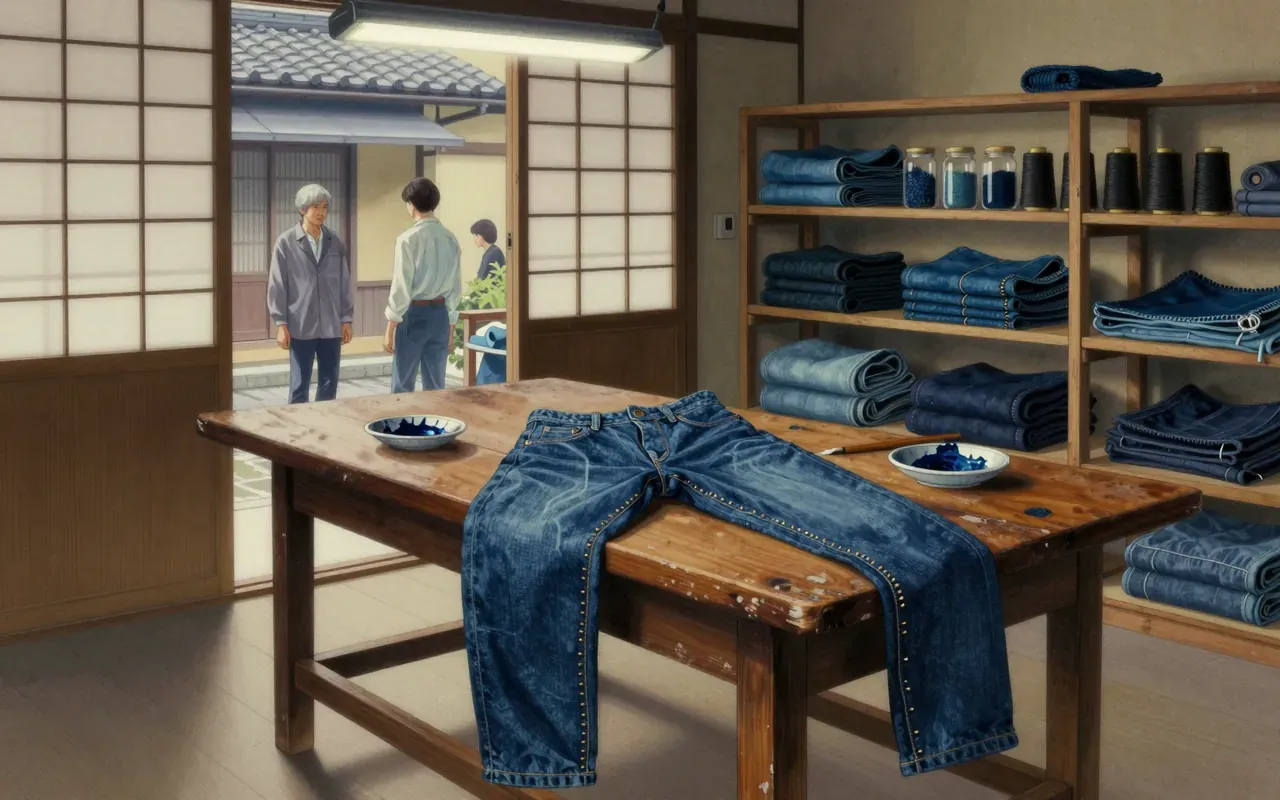
A denim label whose hand-painted seagull became a legal liability before it became a logo.
9:06

PrimaLoft

PrimaLoft isn’t clothing—it’s the first synthetic insulation that refuses to quit when soaked.
9:05

Fiorucci

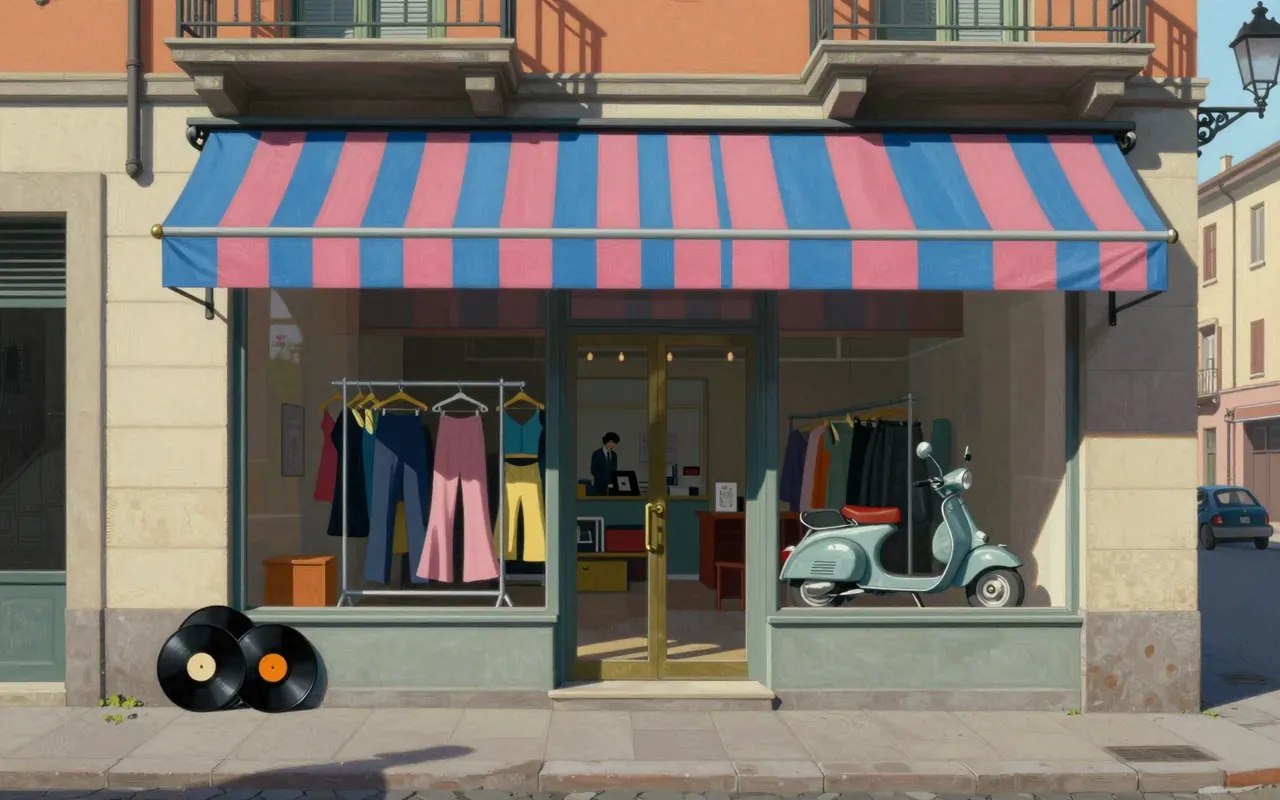
Fiorucci didn’t sell clothes—it sold permission to import culture.
9:05

Cotton

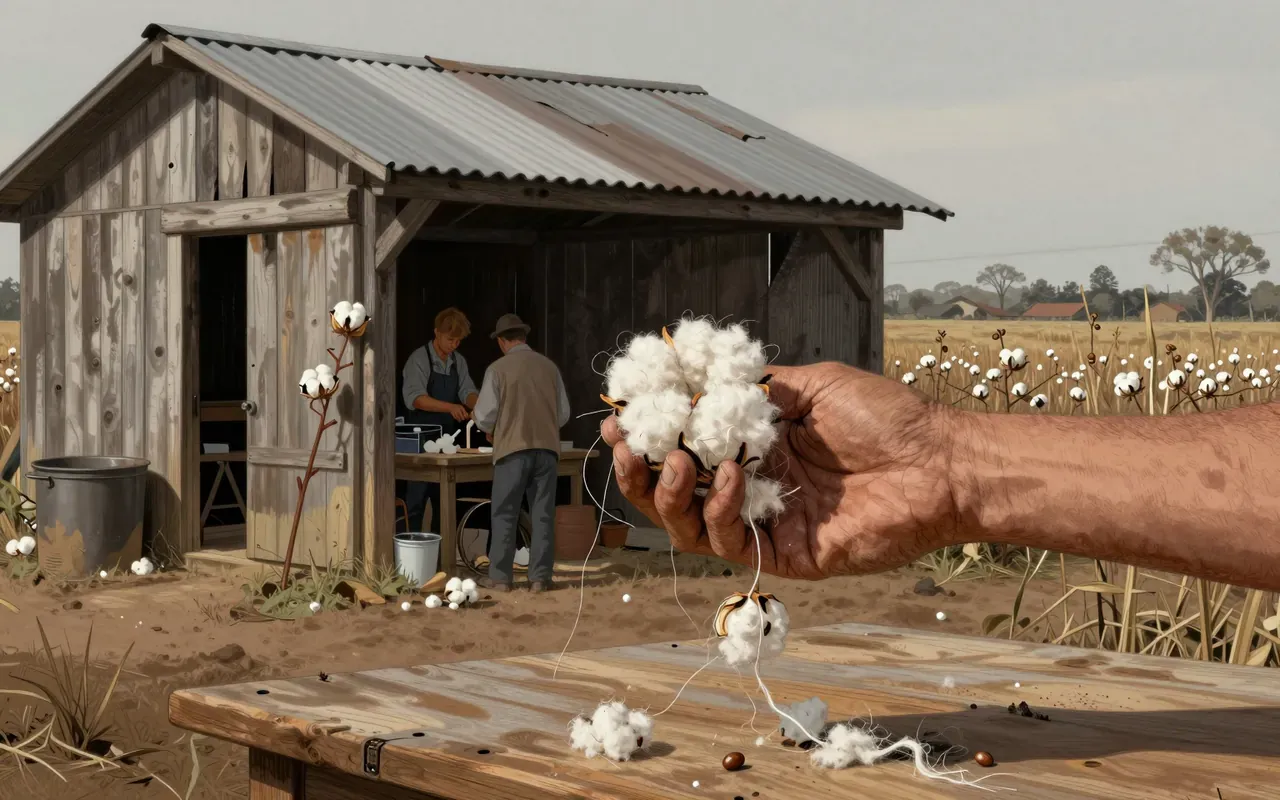
Cotton is not clothing—it’s the first textile that let humans wear climate, not armour.
9:05

M-1965 field jacket

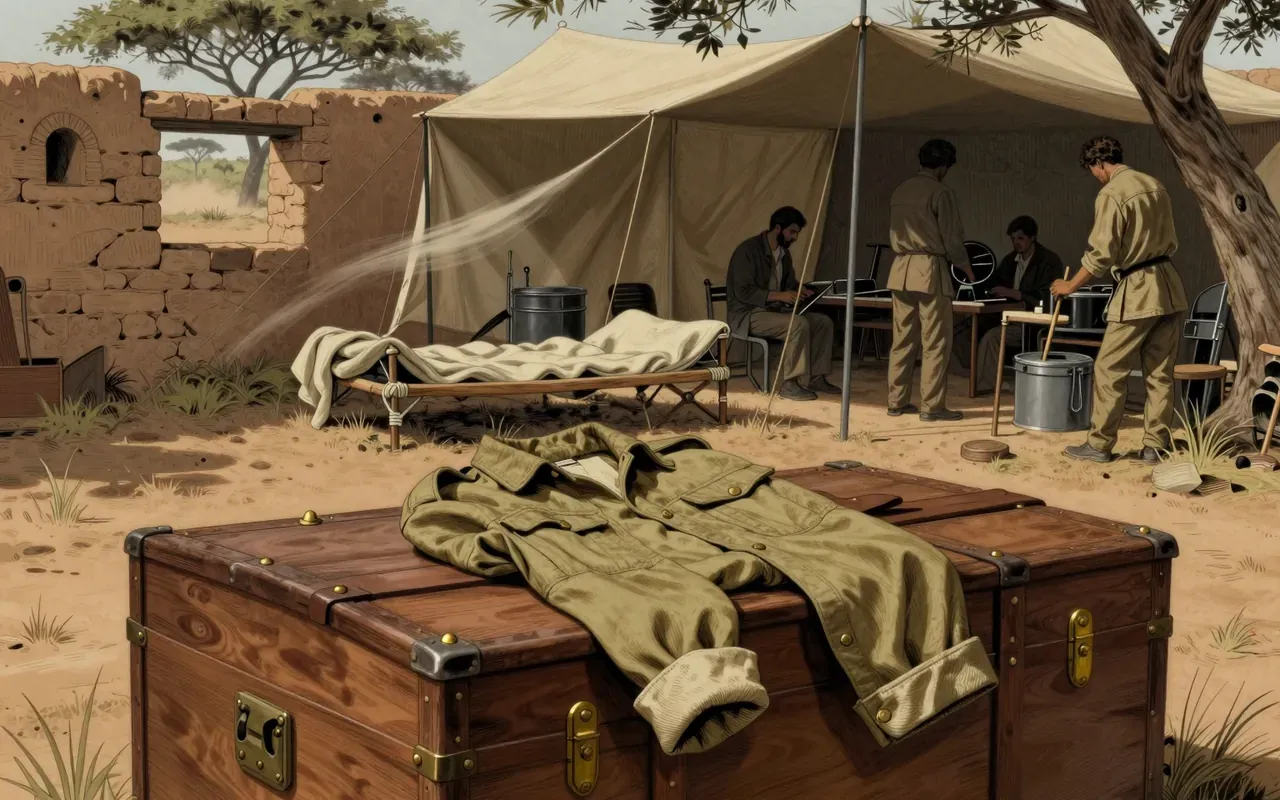
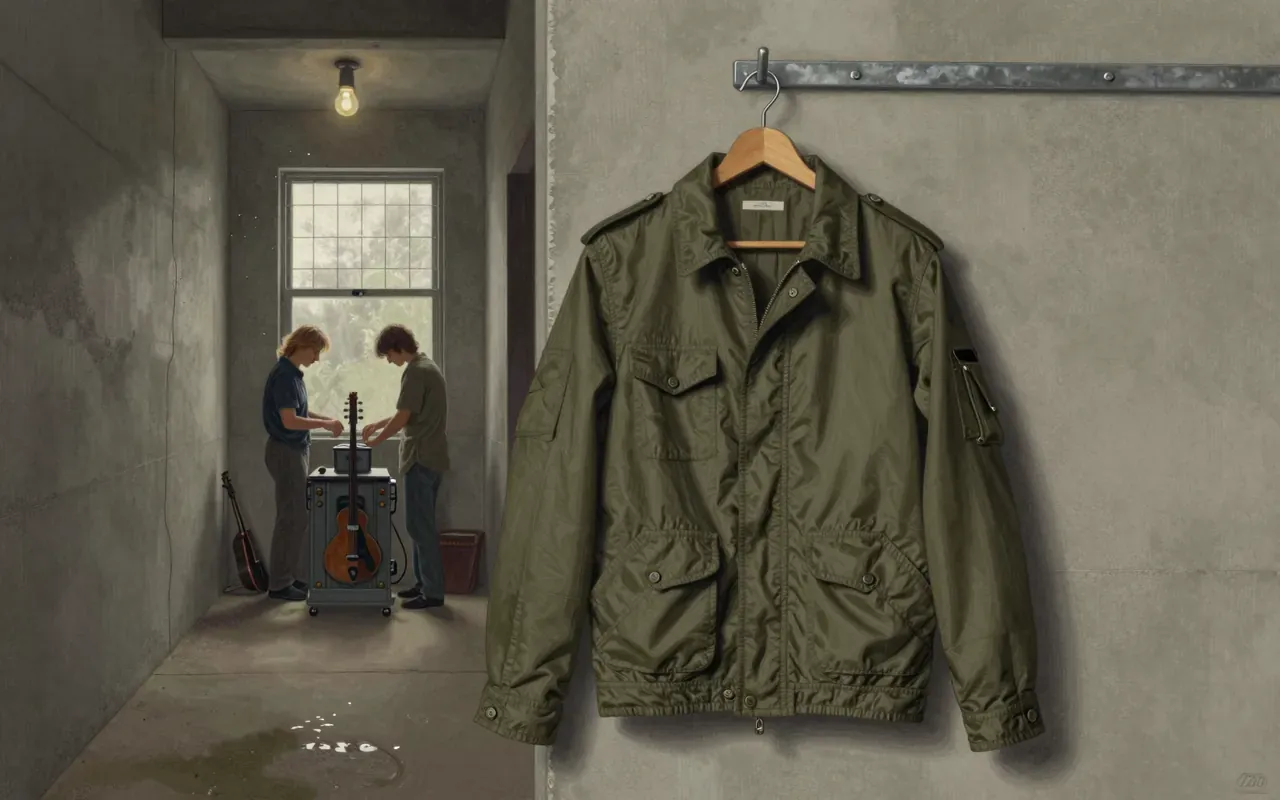
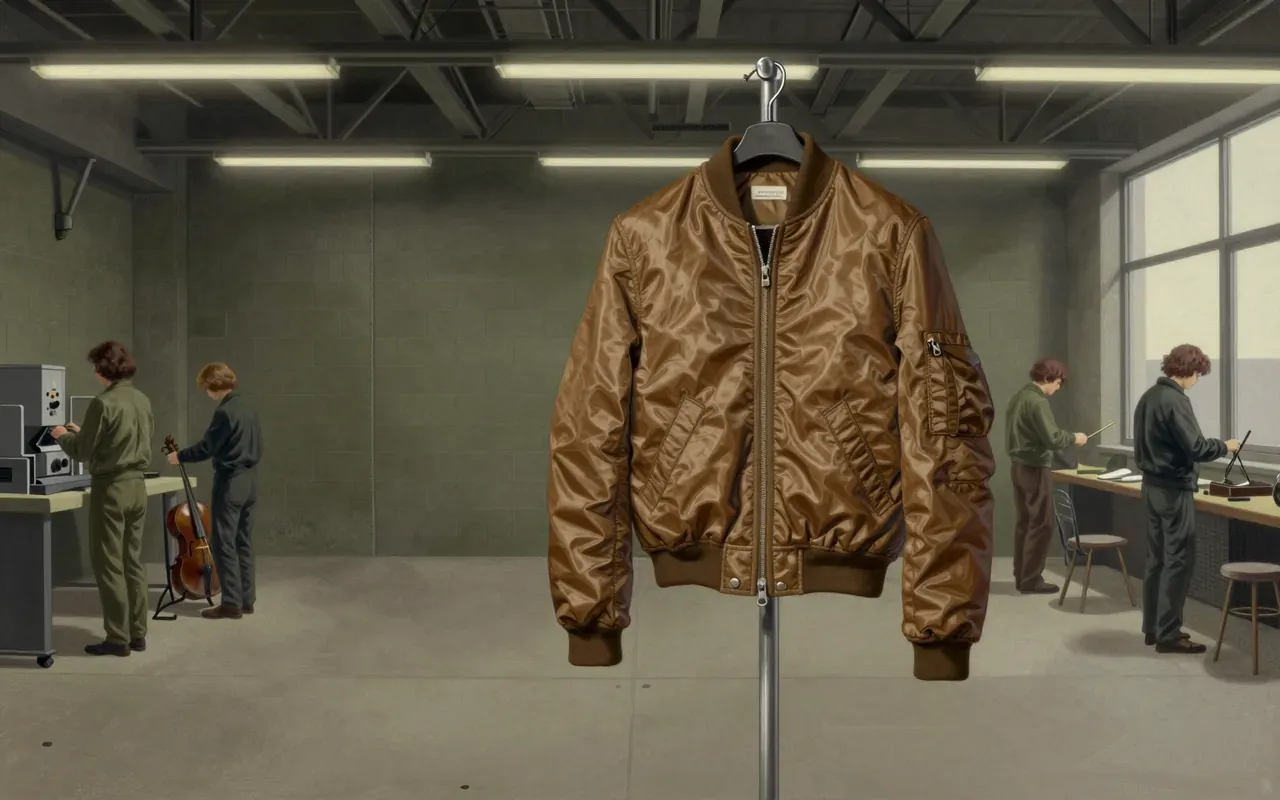
Velcro on cuffs, Nyco sateen, monsoon-tested: this is workwear that earned its place—not by being cool, but by staying dry.
9:04

Fez (hat)

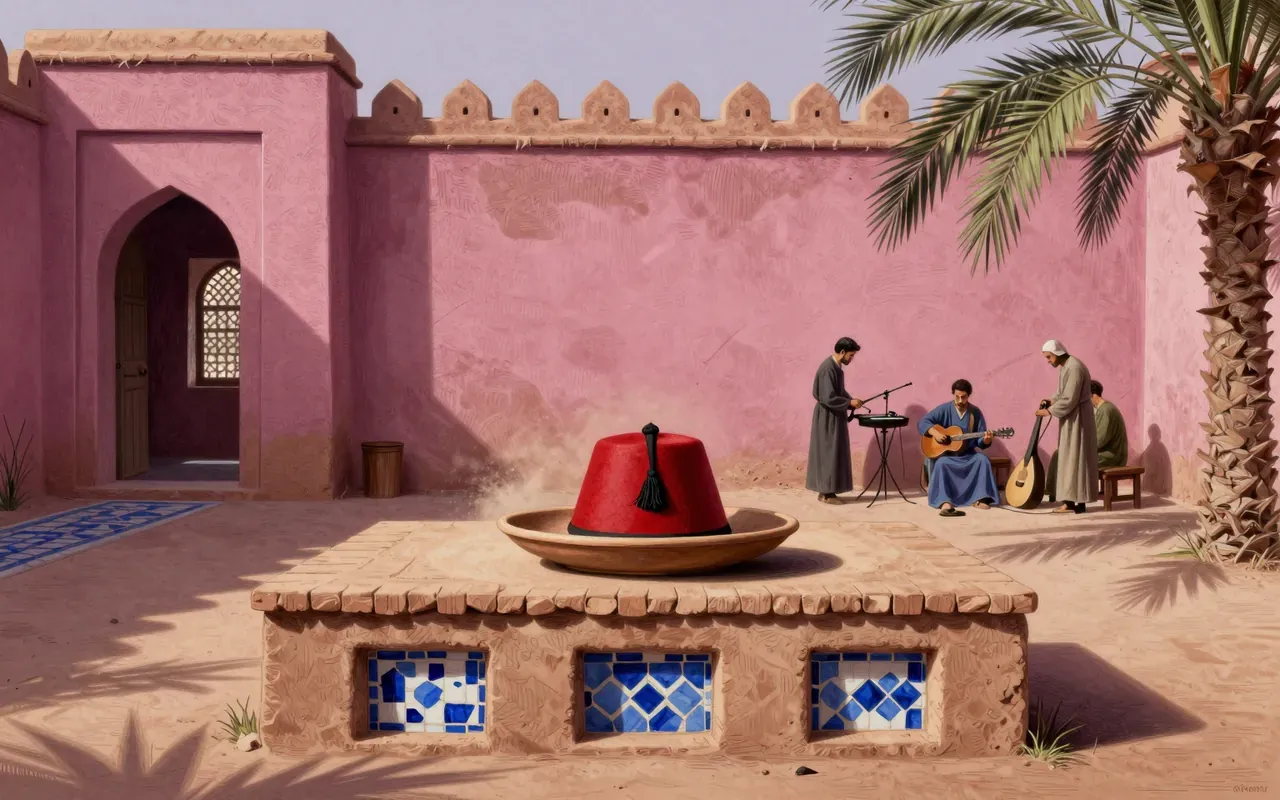
A red hat designed to erase identity became the ultimate symbol of what the state wanted to erase.
9:03

Belstaff

Wax cotton wasn’t invented for fashion—it was bolted onto jackets to keep riders dry while leaning into corners.
9:02

Dr. Martens

Klaus Märtens · 1951

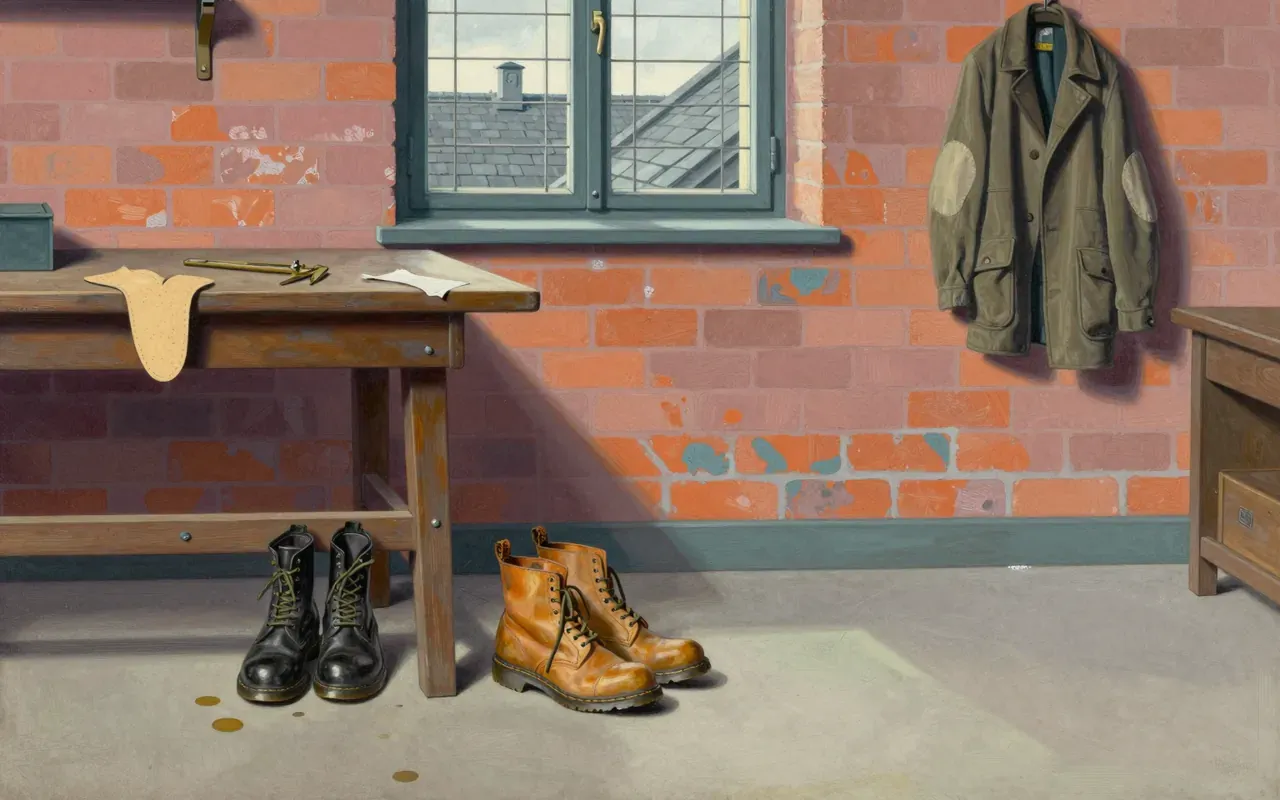
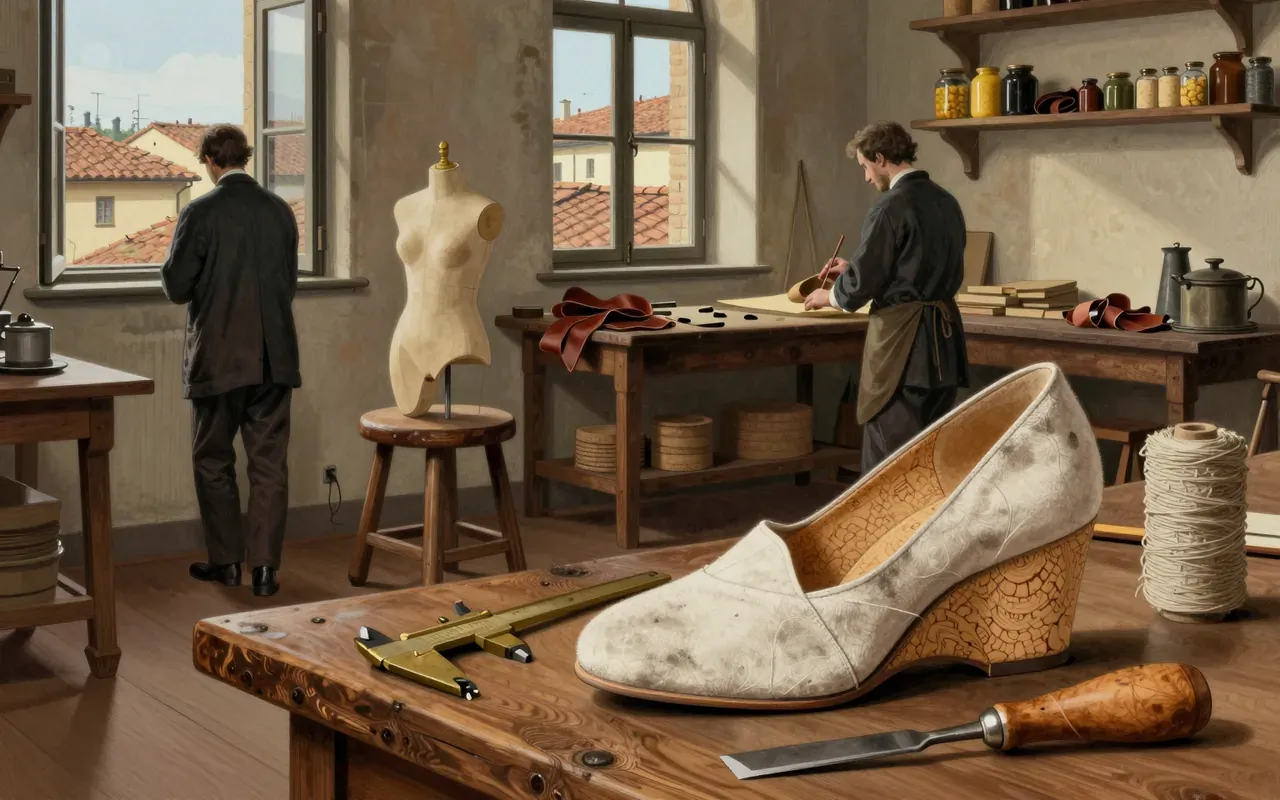
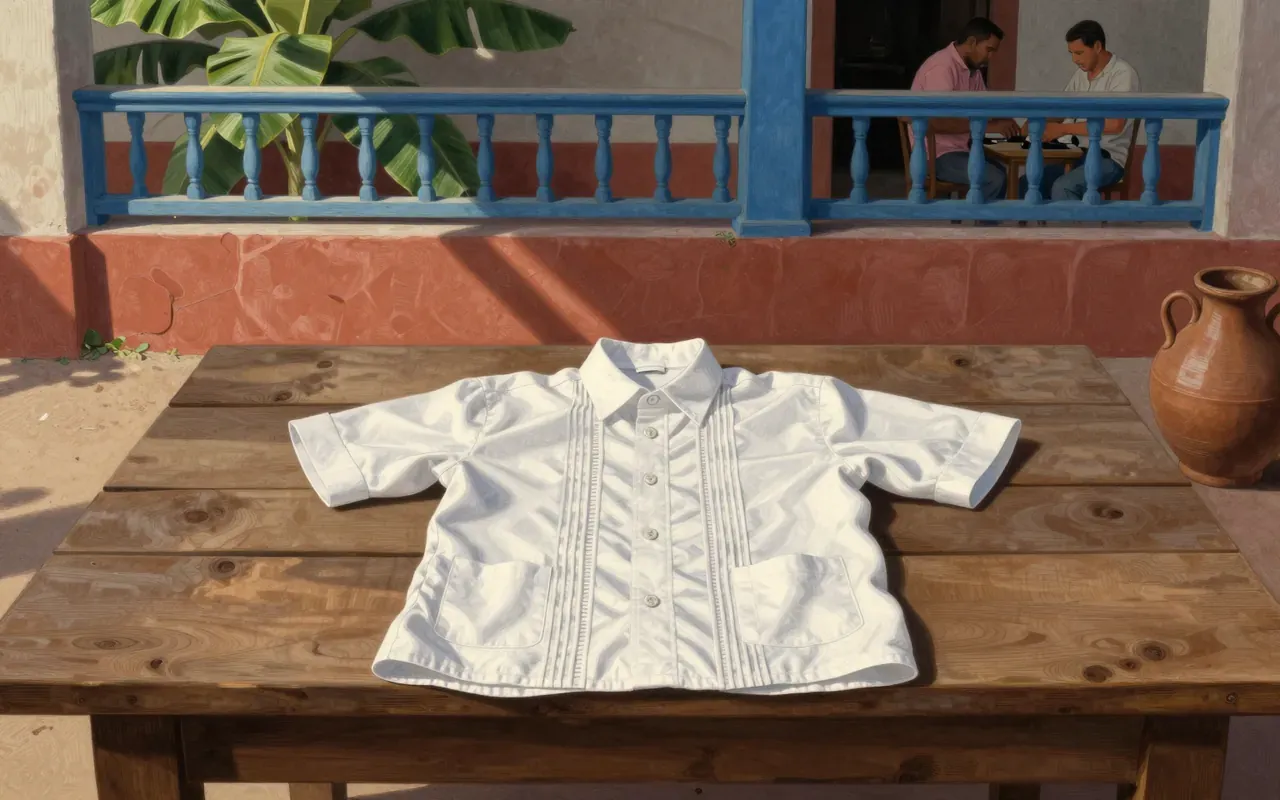
Dr. Martens is a functional footwear innovation repurposed as cultural symbol — its origins in rehabilitation and post-war scarcity are routinely overwritten by its later adoption elsewhere.

9:00

Kiton

Kiton isn’t about craft as theatre — it’s about craft as infrastructure.
8:59

Guayabera

A shirt that refuses to be tucked is a political act disguised as a tailoring rule.
8:58

Kelly bag

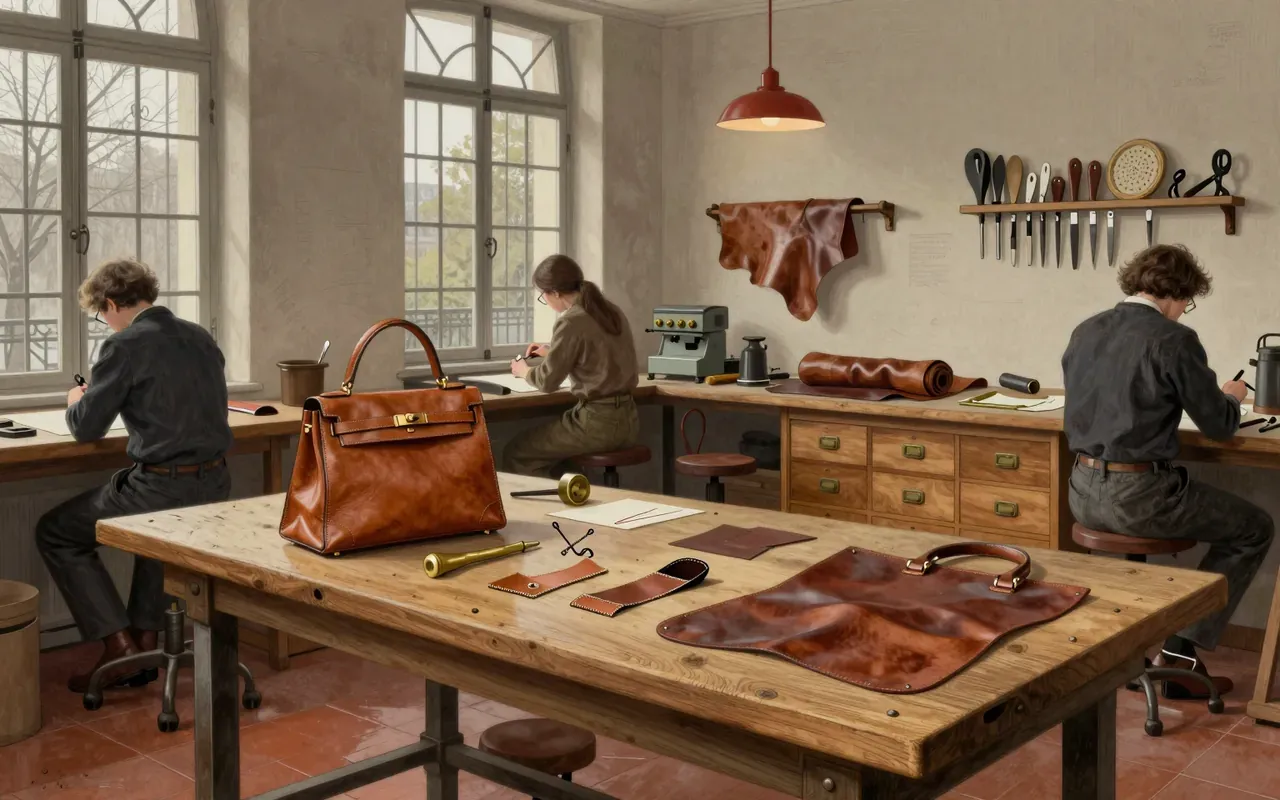
A bag that trades utility for authority—and makes you wait for both.
8:58

Lacoste

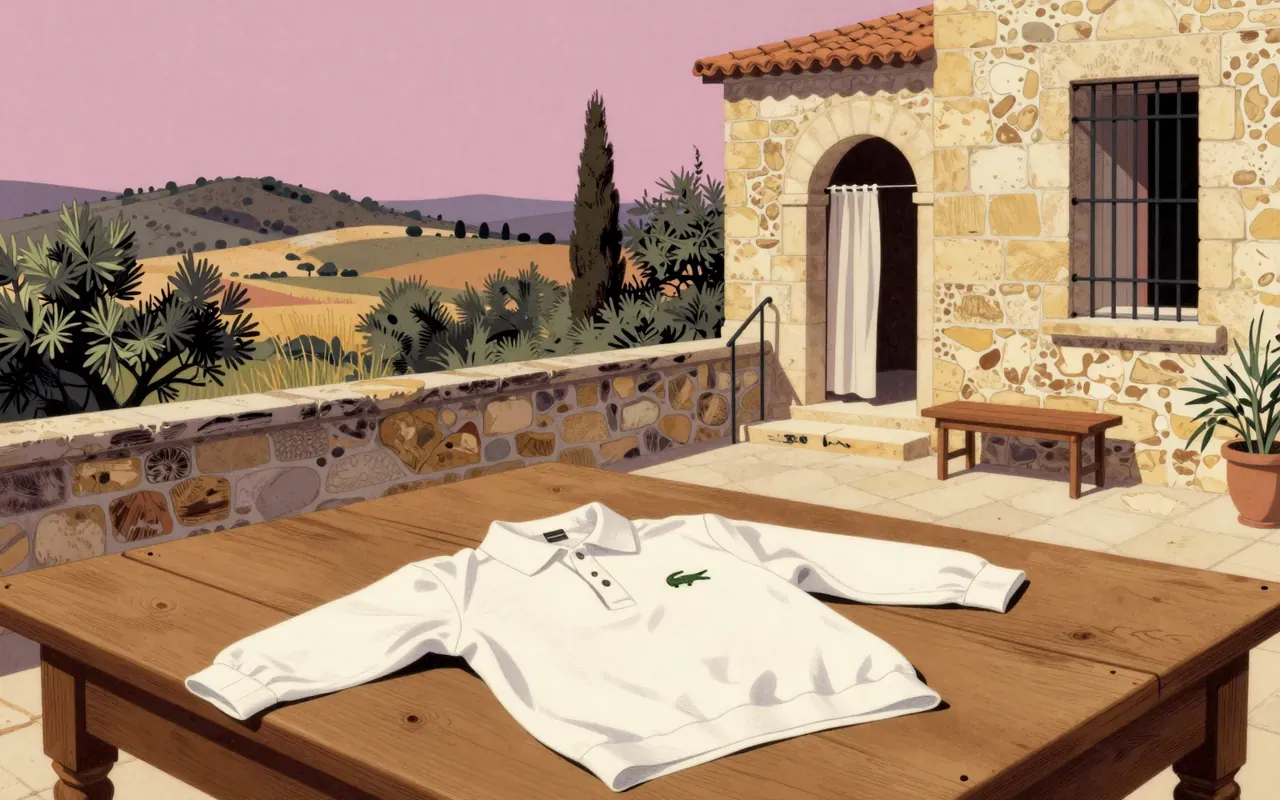
Lacoste didn’t invent sportswear—it weaponised the logo.
8:58

Flannel

Flannel is softness engineered—not into luxury, but into utility.
8:57

A-2 jacket

It didn’t replace the A-1—it outlived bureaucracy, supply chains, and its own cancellation.
8:57

Beret

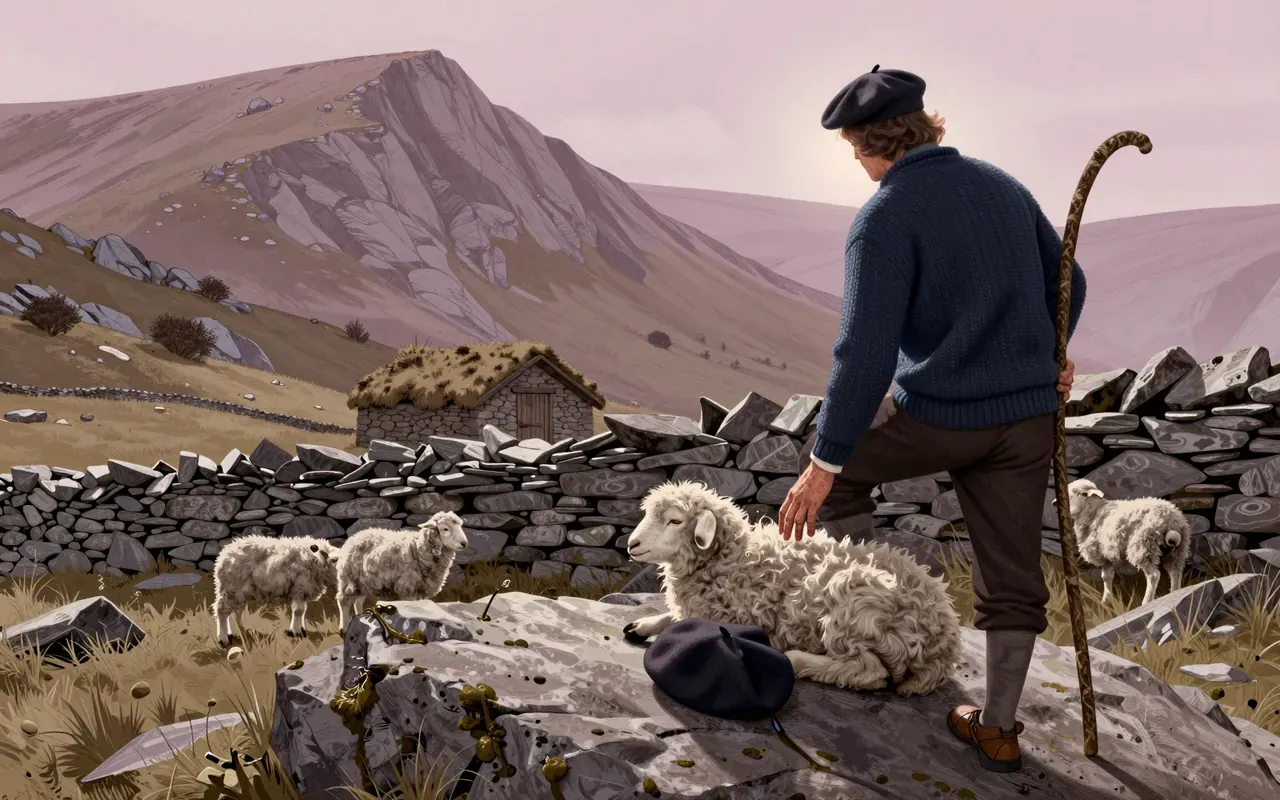
The beret is not a symbol that got weaponised. It is a tool that got uniformed—and then mythologised.
8:56

Paco Rabanne

Fashion stopped pretending to clothe the body — and started interrogating the idea of clothing itself.
8:56

Power dressing

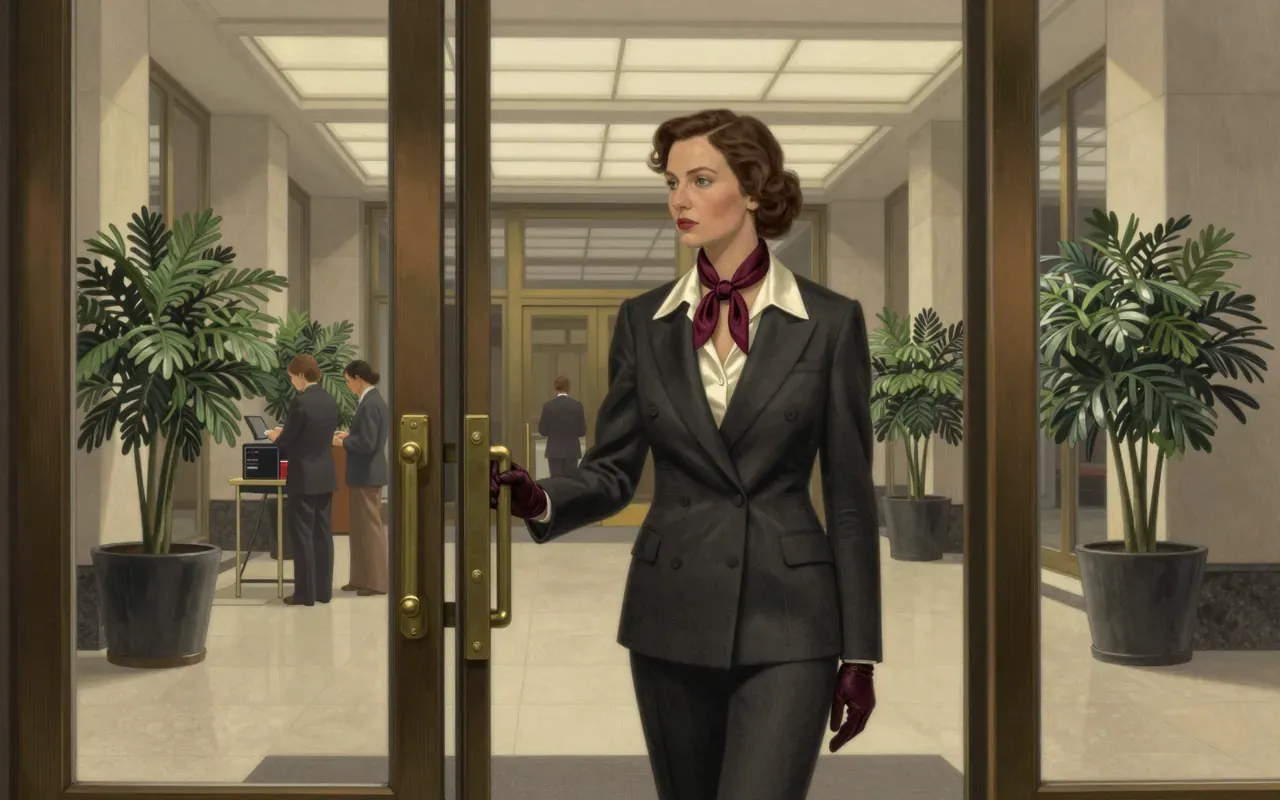
Power dressing wasn’t about looking powerful — it was about looking unassailable in a system that refused to see women as authoritative unless they dressed like men, then added pearls to prove they weren’t.
8:55

Omega Speedmaster

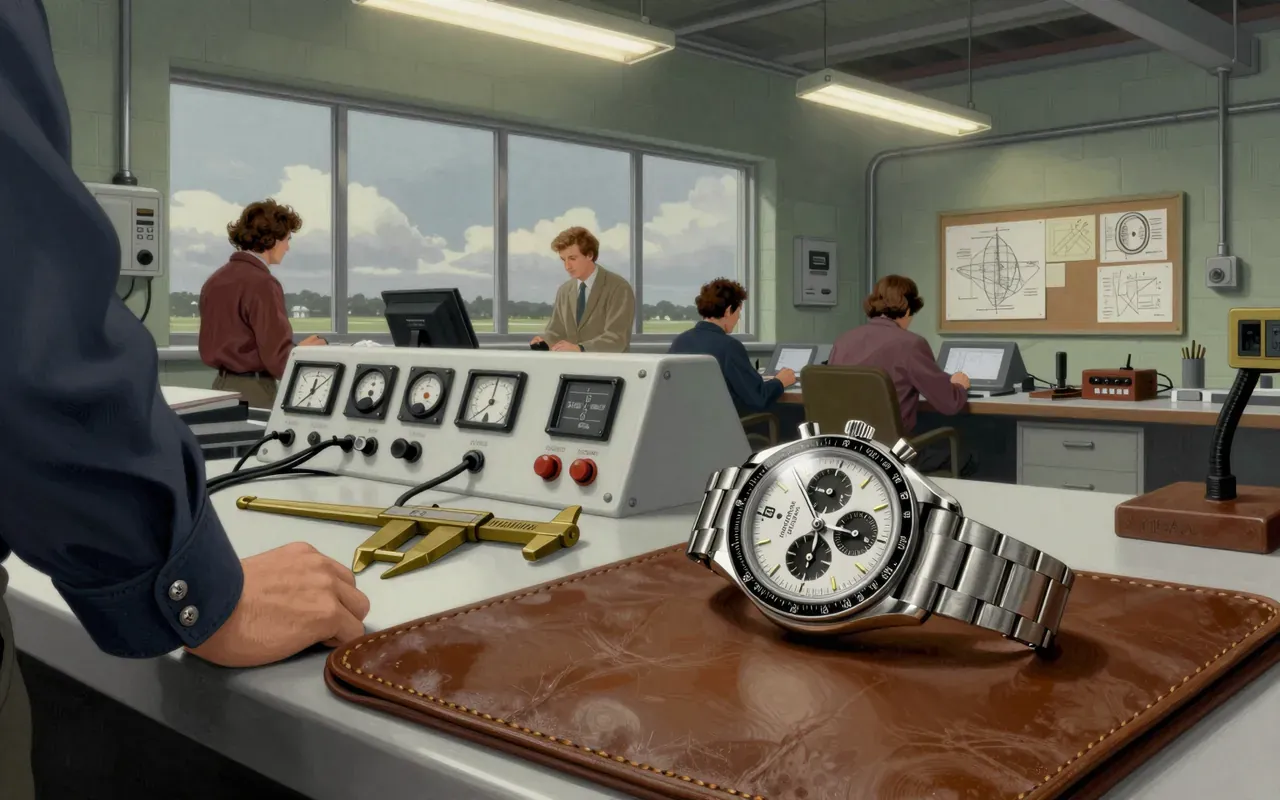
A racing chronograph that accidentally became the only watch ever certified for spacewalks—and never changed its mind about what it was built for.
8:53

Lee (brand)

Lee built workwear like infrastructure—not to be seen, but to hold up the body’s labour.
8:52

Indie sleaze

A fashion style with no name in its prime got one online — and turned its own obscurity into its main feature.
8:51

Supreme (brand)

James Jebbia · 1994

Supreme is a retail system disguised as a clothing brand. Its power lies in timing, placement, and repetition—not fabric innovation or silhouette evolution. It answers to skate culture’s immediacy, not fashion’s longevity. It belongs in wardrobes that speak in slogans, not stories.
8:50

Alpaca

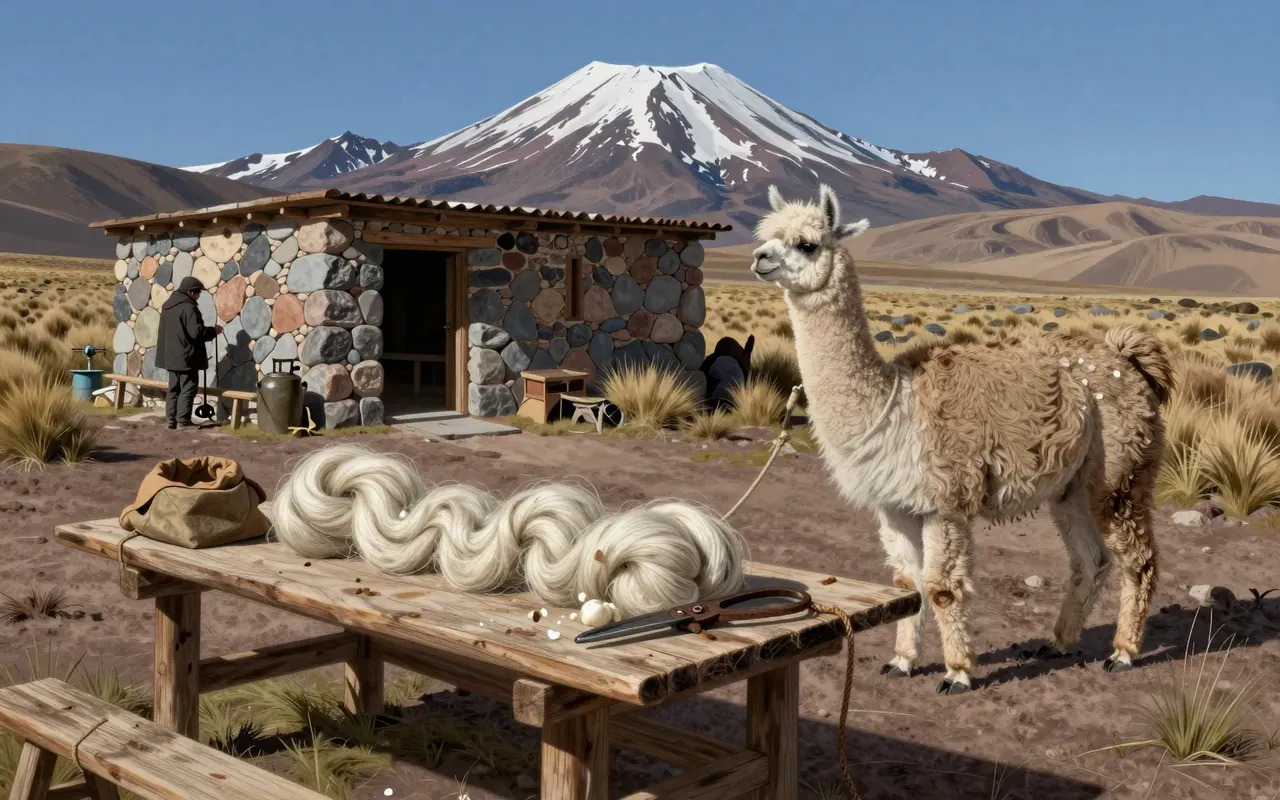
Alpaca isn’t a fabric — it’s a geography, a species, and two fibre types that refuse to behave like wool.
8:50

Adidas Gazelle

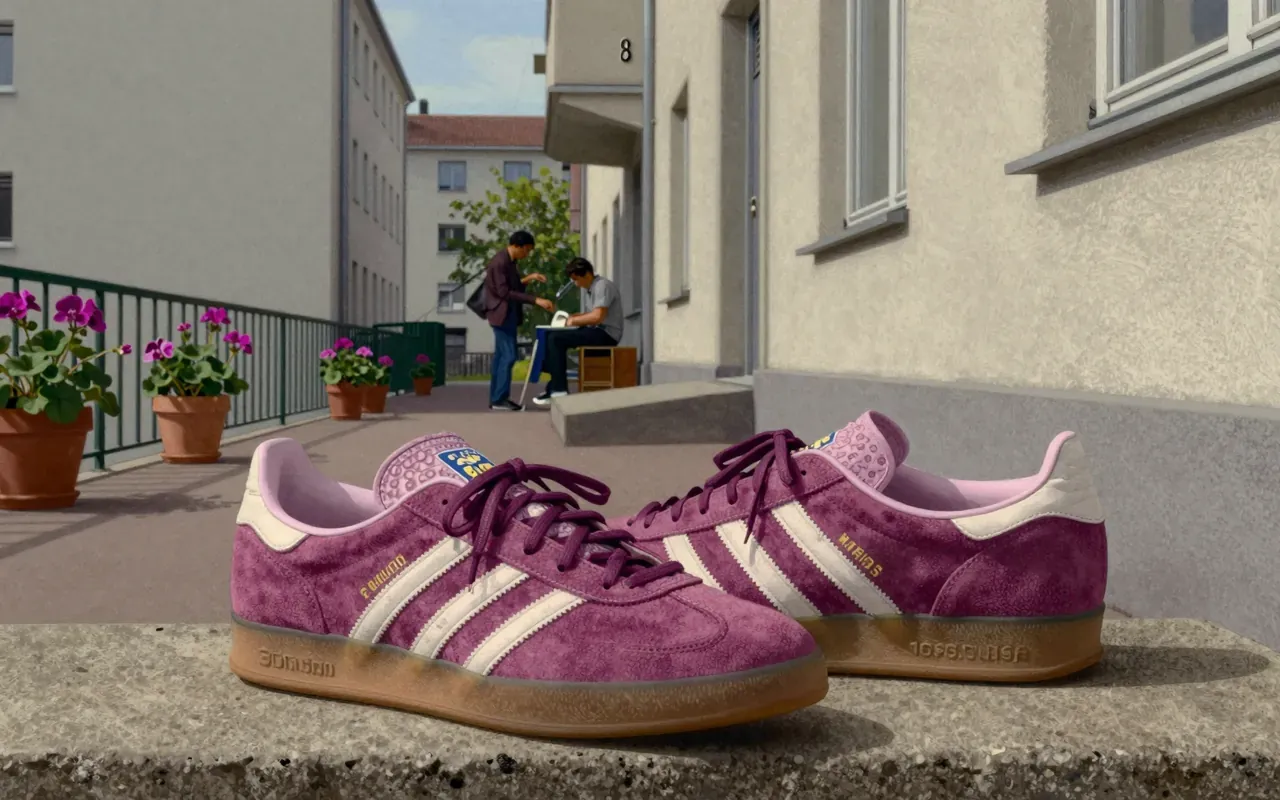
Suede was never meant to be pretty—it was meant to grip, bend, and breathe. The Gazelle proved it.
8:49

Bowler hat

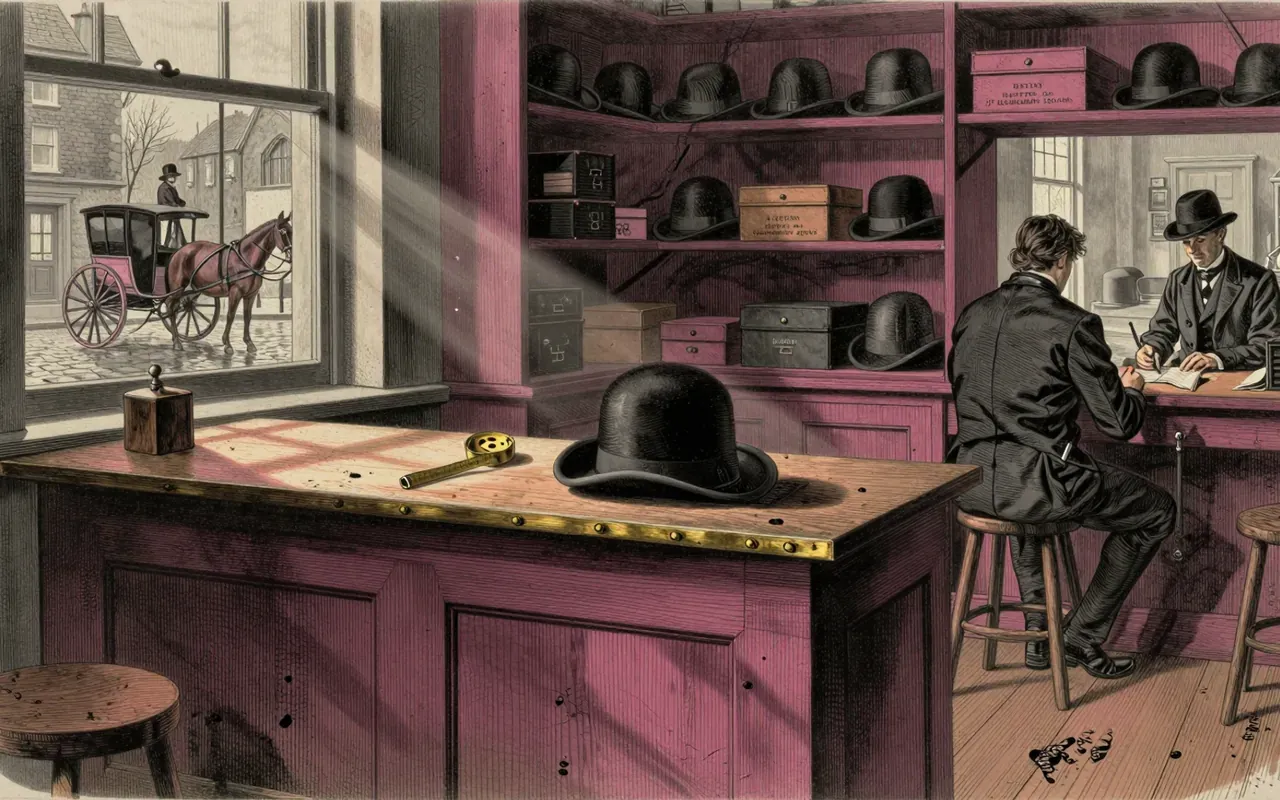
A hat built to survive branches became a symbol of class—then a tool of colonial displacement.
8:49

New Balance

William J. Riley · 1906

New Balance is a footwear company whose origin lies in biomechanical correction—not sport. Its founding premise was specific, functional, and local. Its later expansion into performance and lifestyle markets introduced contradictions it failed to reconcile—most visibly in its 2012 toning-shoe settlement. It matters now because it shows how medical authority gets repackaged as consumer identity—and how easily that packaging outlives its justification.
8:48

Miniskirt

A garment that replaced suspenders with tights—and respectability with legroom.
8:47

Giorgio Armani

Giorgio Armani

Armani’s work established a new syntax for elegance: one based on removal, not addition. It reached executives, actors, and diplomats—not youth movements or subcultures. It displaced the stiff formality of Savile Row and the flamboyance of Italian couture alike. It did not invent minimalism—but it proved minimalism could sell, scale, and signify.
8:47

Prada

Mario Prada · 1913

Prada (1913) is the founding moment of a luxury institution built on imported English goods, patriarchal control, and architectural prestige—not design innovation.

8:46

Kevlar

Kevlar isn’t clothing — it’s calibrated refusal: a fibre that says no to bullets, no to steel, and no to comfort.
8:46

Kenzō

Kenzo Takada

Kenzō Takada’s Kenzō label began in 1970 as a resource-constrained experiment in Paris—using flea-market space, Saint Pierre market fabrics, and Rousseau-inspired interiors. It re-energised ready-to-wear with colour and volume, launching the 'Big Look' in 1973–74. Its methods were specific, local, and materially grounded—not symbolic or national. It reached New York and Tokyo by 1971, but never claimed to represent Japan. Its legacy is procedural: how to build influence without infrastructure.

8:46

Keffiyeh

A sun shield turned political weapon by decree—not culture.
8:45

Brooks Brothers

Brooks Brothers didn’t invent American style—it built its wardrobe like a factory: precise, repeatable, and indifferent to the body.
8:44

Chrome Hearts

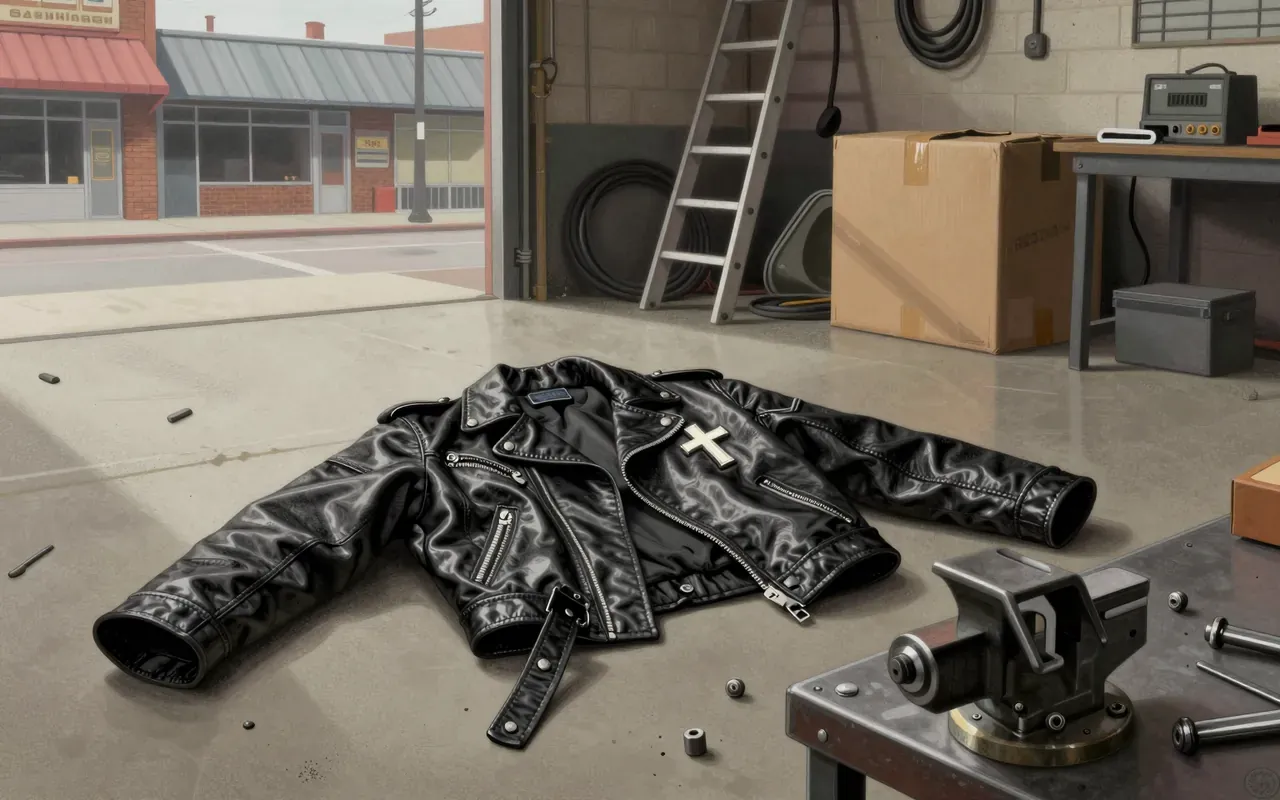
A leather jacket built to declare, not disguise — Hollywood-made, silver-studded, and uncompromisingly loud.
8:42

Engineered Garments

Engineered Garments treats American clothing like open-source code—and Daiki Suzuki is its most rigorous contributor.
8:41

JW Anderson

Unisex clothing is not a compromise — it’s a recalibration of where cloth meets body.
8:41

Converse (brand)

Marquis Mills Converse · 1910

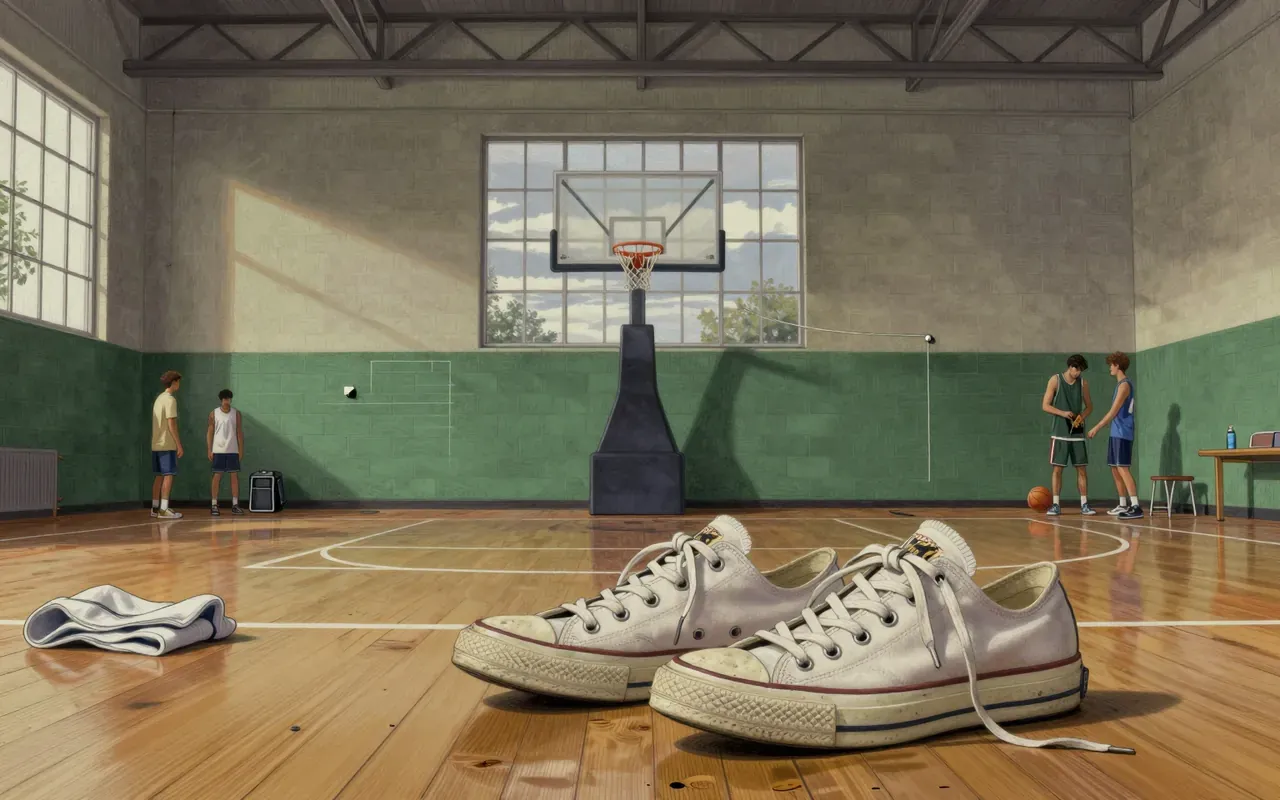
Converse is a manufacturing company that made functional footwear for specific markets—basketball players, the Rens, the US military. Its cultural weight came later, from reuse, not design intent.

8:40

Giambattista Valli

A non-French couture house in Paris that earned its place by showing up — not by rewriting the rules.
8:39

Normcore

Normcore isn’t anti-fashion. It’s fashion outsourcing its meaning to everything but the clothes.
8:38

Fashion week

Fashion week is logistics disguised as spectacle — and it still answers to no one but itself.
8:38

Betty Jackson

Betty Jackson

Betty Jackson is a British fashion designer whose practice sits outside fashion’s usual metrics: no signature logo, no seasonal spectacle, no celebrity client list. She worked inside institutions—designing for judges, advising on model health, equipping unemployed women—not to make statements, but to solve problems with cloth, cut and context. Her influence is procedural, not aesthetic.